- Prioritize Pre-Booking Assistance: Always request “Special Assistance” or “Reduced Mobility” support at least 48 hours before departure, even if you do not use a wheelchair, to ensure priority boarding and luggage handling.
- Master the Luggage Ratio: Use a high-quality, four-wheeled spinner suitcase to maintain an upright posture and reduce physical strain during long terminal walks.
- Strategic Arrival Timing: Arrive at the terminal 90 to 120 minutes before departure to bypass the “peak rush” period, allowing for a slower pace and easier navigation through security and customs.
International ferry travel offers a unique, scenic, and often more relaxed alternative to air travel. However, the scale of modern international maritime terminals—often spanning several hundred meters from entrance to gangway—can present significant physical challenges. For travelers aged 60 to 80, the primary goal is to minimize energy expenditure while maximizing safety and comfort. This guide provides a systematic approach to navigating these complex environments, ensuring your journey begins as smoothly as it concludes.
Understanding the Terminal Environment: Why Scale Matters
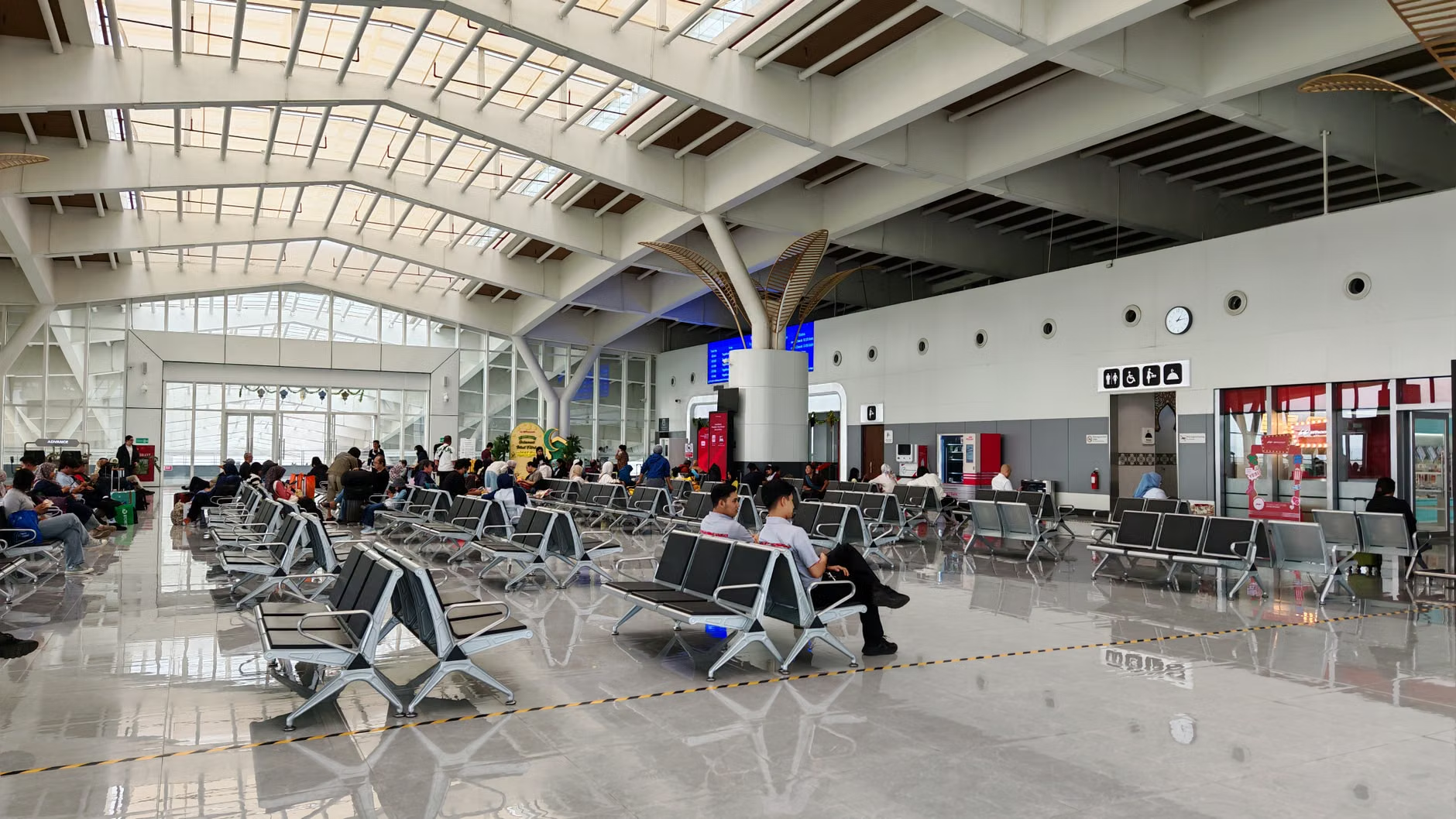
Modern ferry terminals are designed for high-volume throughput, which often results in long, tiled corridors, polished surfaces that can be slippery, and significant distances between check-in counters and boarding gates. Unlike airports, where moving walkways are standard, ferry terminals often rely on long ramps or shuttle buses to bridge the gap between the building and the vessel.
The “Distance-to-Gate” Reality: In many major hubs, such as those in the Mediterranean or the Baltic Sea, the distance from the terminal entrance to the boarding ramp can exceed 500 meters. If you are carrying luggage, this distance is effectively doubled in terms of physical effort. Understanding that these facilities are built for efficiency, not necessarily for leisurely strolls, is the first step in your strategic planning.
Practical Decision Rule: If your mobility is currently limited by joint discomfort, balance issues, or reduced stamina, do not assume you can “walk it off.” Treat the terminal transit as a distinct leg of your journey that requires its own energy budget. If you are traveling with a companion, divide the tasks: one person manages documentation while the other monitors the luggage, preventing the “scramble” that often leads to fatigue or falls.

Pre-Departure Planning: The Foundation of a Stress-Free Journey
Success at the terminal starts long before you reach the harbor. The most common mistake older travelers make is assuming that “Special Assistance” is only for those with severe disabilities. In reality, international ferry operators use these services to facilitate smoother boarding for anyone who feels they would benefit from a slower, more controlled environment.
The 48-Hour Rule for Assistance Requests
International maritime regulations, such as those governed by the EU Passenger Rights (Regulation 1177/2010), mandate that operators provide assistance to persons with disabilities or reduced mobility. You must request this at least 48 hours in advance. This is not just a legal formality; it ensures that a staff member is assigned to your group to guide you through the shortest, most accessible path to the vessel.
Strategic Document Management
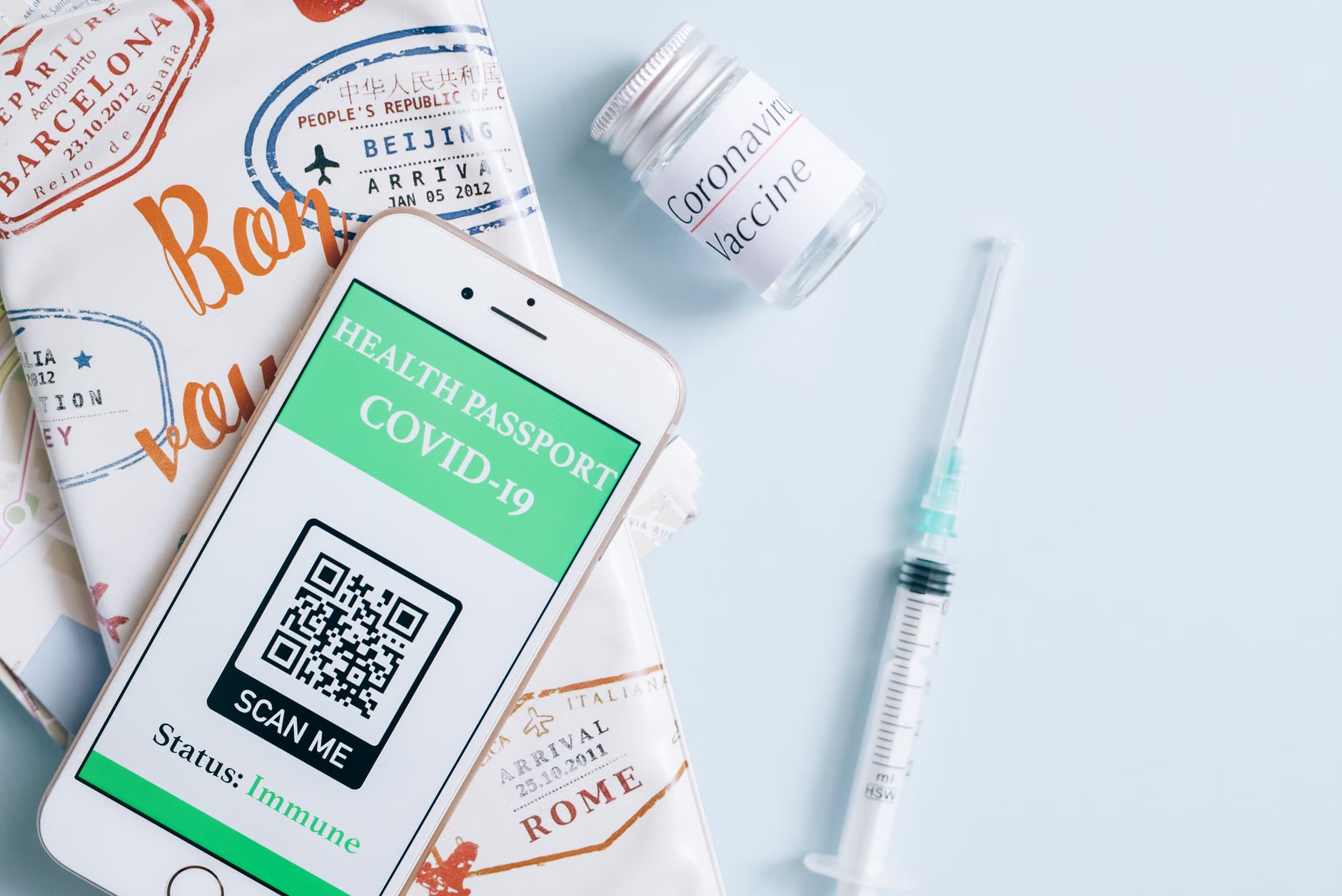
Ferry terminals often require multiple document checks: a boarding pass, a passport, and occasionally a customs declaration. Keep these in a “travel folio” that is accessible without opening your main luggage. Digital boarding passes are excellent, but always carry a printed backup. In the event of a device battery failure or a slow connection in a concrete-heavy terminal, a paper copy is your best insurance against delays.
| Task | Strategy | Benefit |
|---|---|---|
| Special Assistance | Request 48 hours prior | Priority boarding, shorter routes |
| Luggage | Use 4-wheel spinner cases | Less wrist strain, upright posture |
| Arrival Time | 90-120 minutes before | Avoids peak-hour congestion |
| Documentation | Physical folder + Digital | Reduces stress during checks |
Once you arrive at the terminal, the environment can be overwhelming. Follow this sequence to maintain control and composure.
Phase 1: The Drop-Off and Entry
If arriving by taxi or private car, ask to be dropped off at the “Departure Level” entrance closest to your ferry line’s check-in desk. Do not settle for the “Main Entrance” if the terminal has multiple levels. Look for the “PRM” (Persons with Reduced Mobility) signage, even if you only need a little extra time; these areas usually have fewer stairs and more elevators.
Phase 2: Check-in and Bag Drop
If you have large luggage, use the bag drop service immediately. Carrying heavy items through a terminal increases the risk of tripping and significantly accelerates fatigue. Use a high-quality, lightweight rolling suitcase with 360-degree spinner wheels. These allow the bag to move alongside you rather than behind you, which is much kinder to the shoulders and lower back.
Phase 3: Security and Passport Control
Security checkpoints are the most high-pressure points in any terminal. To stay calm, prepare your items for the bin before you reach the front of the line. Remove your belt, watch, and jacket while standing in the queue. If you have mobility concerns, inform the security officer immediately; they can often provide a private or secondary screening area that is less rushed and more accommodating.
Managing Stamina and Physical Well-being
Terminal navigation is an endurance activity. If you find yourself waiting for long periods, do not stand in a queue unnecessarily. If you are traveling solo, find a seat near the gate and monitor the screen for your boarding call. If you are traveling with a partner, one person can wait in the queue while the other rests.
Hydration and Nutrition
Terminals are often climate-controlled and dry, which can lead to dehydration. Avoid excessive caffeine or diuretics before boarding. Carry a reusable water bottle that you can fill after passing security. Keep a light, high-protein snack, like nuts or a protein bar, in your carry-on to avoid the need to navigate crowded food courts or wait in long, standing-only lines for refreshments.
The “Two-Thirds” Rule
When planning your transit through the terminal, treat the walking path as a series of “legs.” Never walk more than two-thirds of the distance you feel capable of covering before taking a mandatory rest stop. If you know you can comfortably walk 300 meters, look for a bench or a quiet corner at the 200-meter mark. This keeps your energy levels stable and prevents the “cumulative fatigue” that can make the actual boarding process—which often involves walking up a gangway—more difficult.
Accessibility Tools and Technology
Leverage technology to reduce the cognitive load of navigating a large terminal. Most major ferry lines now provide interactive terminal maps on their websites or mobile apps. Study these maps the night before. Identifying the location of restrooms, elevators, and the boarding gate beforehand removes the stress of searching while in motion.
Choosing the Right Mobility Aid
If you use a cane, ensure it has a rubberized, non-slip tip. Terminal floors are often polished marble or industrial resin, which can be slippery. If you use a folding walker, ensure it is lightweight and easy to deploy. If you are considering a wheelchair for the first time, keep in mind that many terminals offer complimentary wheelchair service to the ship. This is a standard service, not a luxury, and it is designed to help passengers avoid the physical toll of terminal transit.
Dealing with Unexpected Delays and Terminal Changes
In the world of maritime travel, delays can occur due to weather, tides, or technical maintenance. A terminal that is manageable during a 30-minute wait can become exhausting during a three-hour delay.
The “Exit Strategy”: If a significant delay is announced, do not remain in the main boarding hall. Look for a “Business Lounge” or “Premium Waiting Area.” While these often require a small fee, the investment is usually worth it for the access to comfortable seating, private restrooms, and a quieter environment. This is a practical decision that directly impacts your physical readiness for the rest of your trip.
Communication with Staff: If you feel unwell or overwhelmed, find a staff member immediately. They are trained to handle medical incidents and can provide a place to lie down or medical attention if necessary. Do not wait until you are at your limit. Communication is your best tool for ensuring your travel remains a positive experience.
Conclusion: Empowering Your Journey
Navigating international ferry terminals does not need to be a daunting task. By treating the terminal as an integral part of your travel itinerary rather than just a “waiting room,” you can apply the same level of care and planning that you apply to your destination. Focus on the “48-hour rule” for assistance, prioritize ergonomic luggage, and respect your body’s limits by taking frequent, planned breaks.
Remember that the maritime industry is increasingly focused on accessibility. The infrastructure is there to support you; you simply need to take the initiative to request it. By preparing early and staying informed, you ensure that your energy is reserved for the journey ahead, not the hurdles of the departure hall.
Frequently Asked Questions (FAQ)
1. Do I need a medical certificate to request special assistance at a ferry terminal?
In most jurisdictions, you do not need a medical certificate to request assistance for mobility. You simply need to declare that you have reduced mobility or require extra time to board. While policies vary by company, the standard requirement is simply to provide advance notice (usually 48 hours) so they can allocate the necessary staff.
2. What should I do if the gangway is steep or difficult to navigate?
If you are concerned about a steep gangway, inform the ground staff immediately upon arrival at the boarding gate. They have procedures to assist, such as providing a shuttle or an alternative, flatter entrance for passengers with mobility limitations. Never attempt a steep incline if you feel unsteady; wait for assistance.
3. Are there always elevators in large international ferry terminals?
Most modern international terminals are fully compliant with regional accessibility laws and feature elevators or ramps. However, in older port cities, some terminals may have limited access. Always check the specific port’s website or the ferry operator’s “Accessibility” page before you leave to confirm if the terminal has the necessary infrastructure for your specific needs.
Official guidance on passenger rights for maritime travel can be found via the European Commission’s Maritime Passenger Rights portal. For local port-specific accessibility information, always consult the official website of the Port Authority in your departure city.