The 3-Line Summary of This Article
- Dizziness after waking up or eating isn’t just “getting older”—it’s a critical sign that your brain is craving more blood flow.
- Recent studies show that chronic low blood pressure might actually pose a higher risk for cognitive decline than high blood pressure.
- Simple habits like “heel raises” and a pinch of salt can be more effective than a cabinet full of supplements.
Have you ever opened your eyes in the morning, ready to start your day, only to have the entire room spin like a merry-go-round? Just last week, I finished a lovely lunch, stood up to clear the table, and my heart literally skipped a beat. My vision went blurry, a cold sweat broke out, and for a second, I felt like the world was disappearing. “Is this it? Is something seriously wrong with me?” I wondered, feeling that sharp pang of fear in my chest.
Hello there! I’m Cooldy, your dedicated health information collector. After that scary dizzy spell, I spent my nights digging through the latest medical journals and research papers. What I found was a total shocker: the common belief that “low blood pressure is always better than high” is actually a dangerous misconception. Today, I’m sharing the hidden truths about hypotension that could completely change how you feel every single day.

Why Does My World Spin After Lunch? The Truth About ‘Post-Meal Crashes’
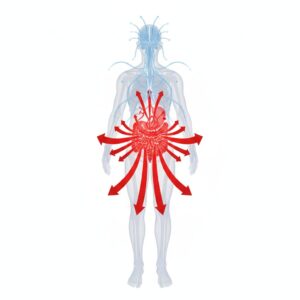
We often hear about dizziness when standing up too fast, but ‘Postprandial Hypotension’—or low blood pressure after eating—is a silent culprit many of us ignore. When we eat, our body sends a massive amount of blood to the digestive system to process the food. This leaves less blood available for the brain and other vital organs.
As a health tracker, I found a fascinating recent study: high-carb meals are the biggest triggers. Eating lots of white rice, bread, or pasta causes a spike in blood sugar, which dilates your blood vessels and sends your blood pressure plunging. Yesterday, I had a big bowl of noodles and felt like I was walking on clouds (and not in a good way!). Now I know exactly why.
Low Blood Pressure and Dementia: A Connection We Can’t Ignore
Here is a fact that truly gave me chills: new medical research suggests that chronically low blood pressure might increase the risk of dementia even more than high blood pressure. Think about it—if your blood pressure is too low, your heart isn’t pumping enough oxygen and nutrients to your brain cells. Over time, this lack of “fuel” can lead to cognitive decline.
When I read this, I had an “Aha!” moment. I used to think being “low energy” was just part of my personality. Realizing it’s directly linked to my brain health was the wake-up call I needed. We can’t just brush this off anymore.
Is Salt Actually the Enemy? For Us, It’s a Lifesaver
We’ve been told for decades to “eat less salt” for our health. But if you struggle with low blood pressure, following that advice blindly could be making you feel miserable. Without enough sodium, your blood can’t hold onto water, meaning your total blood volume drops.
I tried a little experiment myself: I started drinking a glass of lukewarm water with a tiny pinch of high-quality sea salt first thing in the morning. The difference was night and day! My head felt clearer almost instantly. Unless you have specific kidney issues, a little bit of “salty goodness” acts like a natural pump for your circulation.
The Low BP ‘Salt Guide’: What to Eat
| Category | Recommended Choice | What to Avoid |
| Salt Type | Natural Sea Salt or Bamboo Salt in water | Processed salt in junk food |
| Soups | Savory broths with plenty of veggies | Overly spicy or boiling hot soups (causes vessel dilation) |
| Snacks | Lightly salted nuts | Sugary sweets that cause insulin spikes |
Your Thighs are Your Second Heart: The Muscle Connection
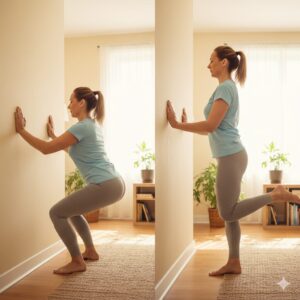
Your heart isn’t the only thing responsible for your blood pressure. In fact, a huge portion of your blood pool lives in your lower body. To get that blood back up to your brain, you need your thigh and calf muscles to act as a pump.
I used to be the world’s best procrastinator when it came to exercise. But one day, when I was feeling particularly lightheaded, I tried 10 wall squats. I could literally feel the blood being pumped back up to my head. It was like jump-starting a car engine! My legs aren’t just for walking; they are my internal pressure regulators.
The 3-Step “Blood Pressure Pump” Routine
- The Heel Raise: While washing dishes or watching the news, simply lift your heels up and down. This activates your calf “pump.”
- Slow Chair Stands: Don’t just jump out of your chair. Rise slowly, focusing on the tension in your thighs.
- Compression Gear: On days when you’ll be standing a lot, try compression socks. They prevent blood from pooling in your feet—I tried this during a long walk, and the fatigue was significantly less!
“I Tried It So You Don’t Have To” – My Successes and Failures
At first, I thought eating a huge steak would give me “strength” and fix my low BP. Big mistake! A massive, heavy meal actually made me feel worse because my body spent all its energy trying to digest it. That was a major failure.
My success came when I switched to “Small and Frequent.” Instead of three big meals, I started eating smaller portions with plenty of protein (like eggs or nuts) throughout the day. And water! I know everyone says “drink water,” but I made it fun by getting a beautiful 32oz bottle and setting a goal to finish two of them. Hydration is the simplest way to keep your blood volume up.
Why is the Morning So Hard for Me?
It’s because your autonomic nervous system is still in “sleep mode” when you try to force it into “active mode.” To fix this, I adopted the “3-Minute Bed Rule”:
- Don’t jump out of bed the moment you wake up.
- Wiggle your fingers and toes for 1 minute to wake up your nerves.
- Sit on the edge of the bed for another minute before standing up.
This tiny habit saved me from those scary “blackout” moments in the morning. Give it a try tomorrow—your heart will thank you!

Quick Q&A: Your Top Questions Answered
Q1. Do I need medication for low blood pressure?
A1. Unlike high blood pressure, there aren’t many “standard” pills for hypotension. Most doctors recommend lifestyle changes first. However, if you are fainting, you must see a specialist immediately to rule out other issues.
Q2. Does coffee help? I heard caffeine raises blood pressure.
A2. It’s a double-edged sword! Caffeine raises BP temporarily, but it also makes you pee more, which can dehydrate you and lower your BP later. If you have a cup of coffee, drink two cups of water to balance it out.
Q3. Should I avoid saunas?
A3. Be very careful! Heat dilates your blood vessels, which can cause your pressure to crash. I once almost passed out in a hot bath. Stick to lukewarm showers and always have a glass of water nearby.
Remember, low blood pressure isn’t just something you have to “live with.” By listening to your body’s signals and making these small shifts, you can reclaim your energy and focus. I hope these tips from my personal research journey help you feel a little more “So Cool” today!
Do you have a secret tip for fighting dizziness? Or did something in this post surprise you? Let’s chat in the comments below—I read every single one! Stay strong and stay hydrated! 😊

Reliable Sources
- Mayo Clinic – Hypotension: https://www.mayoclinic.org
- Harvard Health – Low Blood Pressure: https://www.health.harvard.edu
- American Heart Association: https://www.heart.org
👉Related Posts
Night Leg Cramps and Swelling? Boost Your Blood Circulation by Activating Your “Second Heart”
Stop Just Walking! Boost Muscle and Lower Blood Sugar with the ‘3-Minute Interval Walking’ Method