Stamp collecting, or philately, is far more than a simple accumulation of paper scraps; it is a sophisticated cognitive exercise that engages memory, pattern recognition, and historical research while remaining one of the most accessible hobbies for adults aged 60 to 80.
- Cognitive Engagement: Philately promotes neuroplasticity by requiring the identification of minute details, historical contextualization, and systematic organization.
- Low Barrier to Entry: Starting a collection requires minimal physical exertion and can be scaled to fit any budget, making it ideal for home-based leisure.
- Social and Mental Connection: Joining local or online philatelic societies provides community, structured intellectual challenges, and a sense of purpose.
The Cognitive Benefits of Philately
Engaging in hobbies that require sustained attention and fine motor skills is a recommended strategy for maintaining cognitive health in later life. Philately is uniquely suited for this purpose because it functions as both a visual puzzle and a historical archive.
When you examine a stamp, you are not merely looking at a piece of paper. You are engaging in visual discrimination—noticing subtle differences in perforation, watermark, color shade, and printing technique. These tasks activate the brain’s visual cortex and executive function centers. Research suggests that activities requiring this level of “focused attention” can help maintain cognitive reserves, which are essential for long-term brain health.
Furthermore, the act of cataloging stamps encourages categorization and retrieval skills. Whether you organize your collection by country, thematic topic (such as bird species, historical figures, or architecture), or chronological order, you are actively exercising your executive function. This systematic approach to leisure provides a sense of order and accomplishment that is both grounding and mentally stimulating.
Getting Started: Essential Tools for the Hobbyist
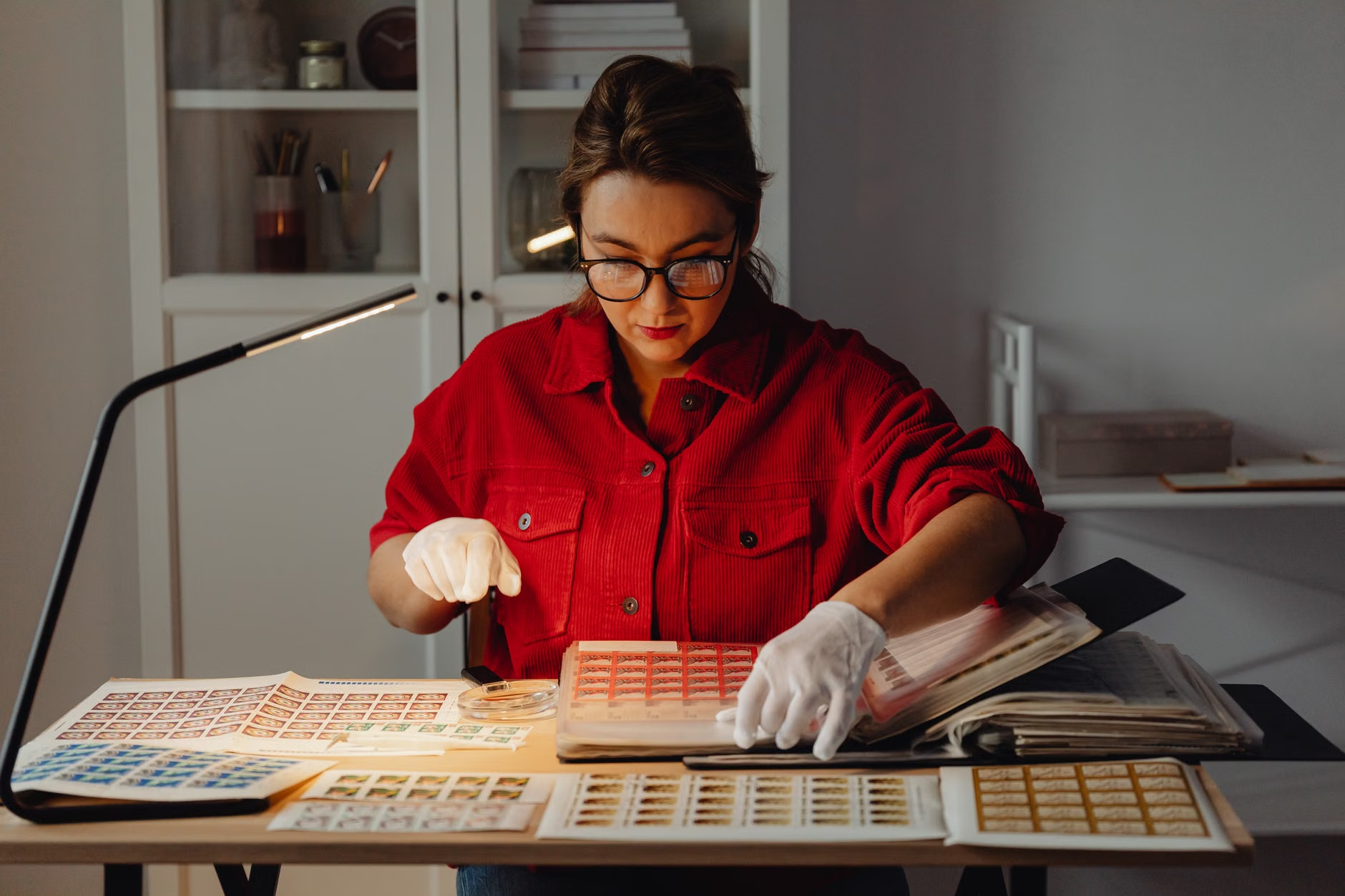
One of the primary advantages of stamp collecting is that it does not require heavy equipment or intense physical stamina. However, using the right tools is critical to prevent damage to the stamps and to protect your eyesight.
| Tool | Primary Function | Why It Matters |
|---|---|---|
| Stamp Tweezers | Handling stamps | Prevents skin oils and moisture from damaging delicate paper. |
| Magnifying Glass | Detail inspection | Reduces eye strain and reveals hidden design intricacies. |
| Stockbook/Album | Storage | Protects stamps from dust, light, and humidity. |
| Perforation Gauge | Measurement | Helps identify specific stamp issues based on edge cuts. |
Common Mistake: Many beginners make the error of using household glue or tape to mount stamps. Never use standard adhesive tape, as it permanently ruins the stamp’s value and condition. Always use acid-free mounts or pre-made stockbooks with protective pockets.
The Intersection of History and Geography
Philately serves as a “window to the world.” Each stamp is a miniature historical document, reflecting the political, social, and economic climate of its country of origin at the time of issue. For an adult aged 60 to 80, this provides an opportunity to revisit history through a personal lens.
If you choose to specialize—perhaps collecting stamps from the year you were born or stamps featuring classic art—you are essentially curating your own museum. This process encourages lifelong learning. For instance, researching the history behind a specific stamp issue can lead you to explore digital archives, library resources, or documentaries, effectively turning a quiet evening at home into an intellectual exploration.
Scaling the Hobby: From Casual Collecting to Specialized Research
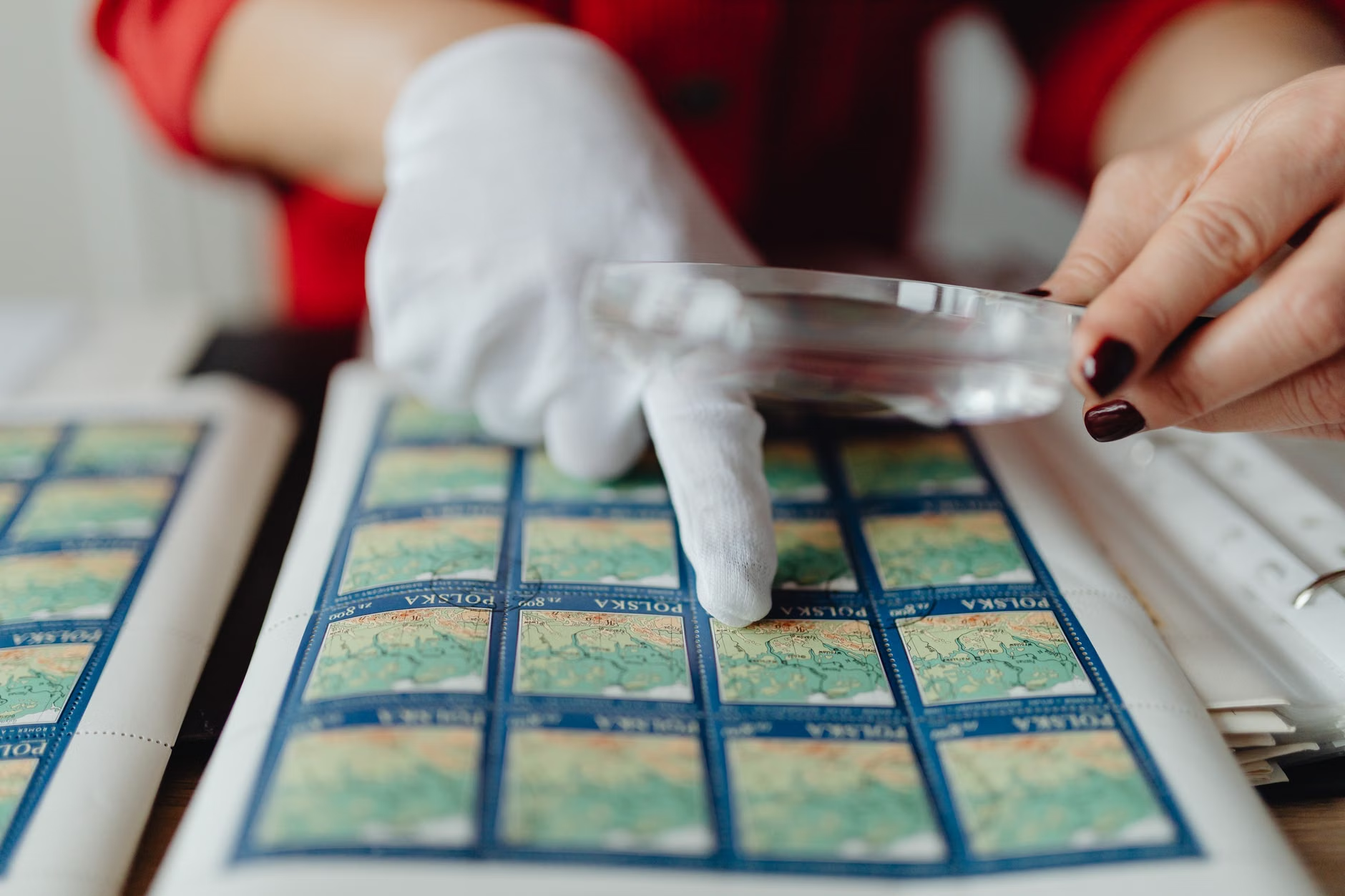
Philately is highly adaptable to your personal energy levels and physical comfort. You can approach the hobby in several ways:
- The Casual Collector: Focuses on the aesthetic appeal of stamps. This is low-pressure and ideal for relaxation.
- The Thematic Collector: Focuses on a specific subject, such as “ships,” “botany,” or “space exploration.” This allows for a more focused search and deeper knowledge in a specific area.
- The Specialized Researcher: Focuses on the technical aspects, such as printing errors, watermark varieties, or postal history. This is for those who enjoy the “detective” side of the hobby.
Decision Criteria: If you have limited mobility, the “Thematic” or “Casual” approaches are often more rewarding as they rely on digital marketplaces and mail-order services rather than the need to travel to physical stamp shows or auctions.
Managing Your Collection: Safety and Preservation
The longevity of your collection depends on how you store it. Humidity and direct sunlight are the two greatest enemies of philately. A cool, dry, and dark environment is essential. If you live in a region with high humidity, consider investing in a small dehumidifier for the room where you keep your collection.
Furthermore, when purchasing stamps, always check the condition. “Mint” stamps (never used) should have their original gum intact, while “used” stamps should have clear, readable postmarks. Avoid stamps with tears, creases, or heavy thinning, as these defects significantly impact the long-term value and aesthetic quality of your album.
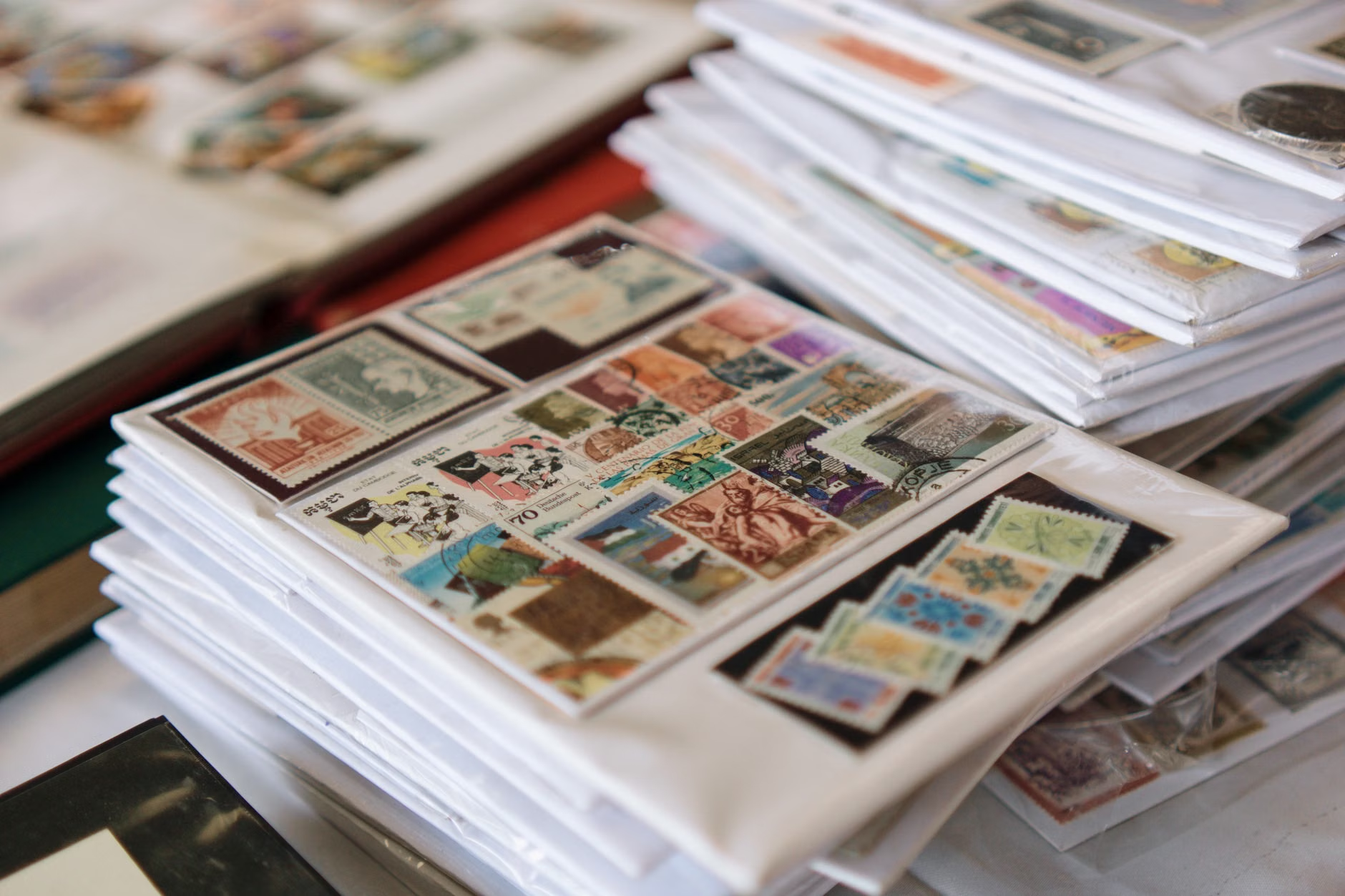
The internet has transformed stamp collecting. You no longer need to rely solely on local shops. Many reputable philatelic websites provide high-resolution images, authentication services, and community forums. For those who are tech-savvy, digital catalogs can help you track your inventory and estimate the value of your collection.
However, be cautious of online marketplaces like general auction sites where authentication may be unreliable. Stick to established philatelic organizations. For international guidance, organizations like the American Philatelic Society or local national philatelic federations provide excellent resources for beginners, including ethical guidelines for buying and selling.
Understanding the “Value” of a Collection
It is important to manage expectations regarding the monetary value of stamps. While some rare stamps can appreciate, the primary value of the hobby for most seniors is intrinsic—the enjoyment of the process and the mental stimulation it provides. View your collection as a “labor of love” rather than a financial investment vehicle. This shift in perspective removes the stress of market fluctuations and allows you to focus purely on the joy of discovery.
Practical Steps to Begin Today
- Start with what you have: Check old family letters or postcards stored in attics or basements.
- Acquire basic tools: Purchase a pair of stamp tweezers and a simple stockbook from a reputable hobby supplier.
- Choose a theme: Select a topic that genuinely interests you to maintain motivation.
- Join a group: Look for a local stamp club or an online forum to share your findings and learn from others.
- Set a schedule: Dedicate 30 to 60 minutes twice a week to organize or study your collection to ensure it remains a consistent, healthy habit.
Frequently Asked Questions
Is stamp collecting an expensive hobby?
It can be, but it doesn’t have to be. You can start a beautiful, rewarding collection for the cost of a few cups of coffee. By focusing on modern commemoratives or specific themes rather than rare, high-value historical stamps, you can keep costs very low while maximizing enjoyment.
Do I need perfect eyesight to collect stamps?
Not at all. While good vision helps, high-quality magnifying glasses, desk lamps, and digital magnifiers (which can project a stamp onto a tablet or computer screen) make the hobby accessible to almost everyone, regardless of visual acuity.
What should I do if I want to pass my collection on to family members?
The best way to ensure your collection is appreciated is to involve your family in the process. Explain the history behind your favorite pieces. If you intend to leave your collection to someone, keep a simple logbook or index that explains why you chose certain pieces. This adds a personal, sentimental layer that makes the collection a meaningful family heirloom.
Disclaimer: This article provides general information about hobbies and leisure and does not constitute financial or investment advice. Always research specific dealers and organizations before making significant purchases.