- Airport lounges provide essential physical relief for seniors, including accessible seating, private restrooms, and quieter environments that reduce travel-related fatigue.
- Digital loyalty apps and lounge programs (like Priority Pass or DragonPass) allow you to purchase access or use membership benefits without needing a high-tier airline status.
- Always verify the specific location, accessibility features (e.g., elevator access, distance from gate), and operating hours of a lounge through the official app before arriving at the airport.
For the modern senior traveler, the airport environment can often be the most physically demanding part of a journey. Between long walks through sprawling terminals, hours spent sitting in cramped gate areas, and the constant noise of a busy hub, the travel experience can quickly lead to exhaustion before the flight even begins. Airport lounges offer a vital solution: a controlled, quiet, and comfortable space to rest, recover, and prepare for travel.
In recent years, the barrier to entry for these lounges has shifted from exclusive airline memberships to accessible, digital-first subscription models. By using dedicated loyalty apps, travelers over 60 can manage their lounge access efficiently, ensuring they have a guaranteed place to sit, access to clean, accessible facilities, and a stress-free environment.
The Practical Benefits of Lounge Access for Senior Travelers
When we talk about “senior-friendly” travel, we are primarily addressing three pillars: stamina, accessibility, and comfort. Lounges are not just about luxury; they are essential tools for managing physical health during transit.
Reducing Physical Strain and Fatigue
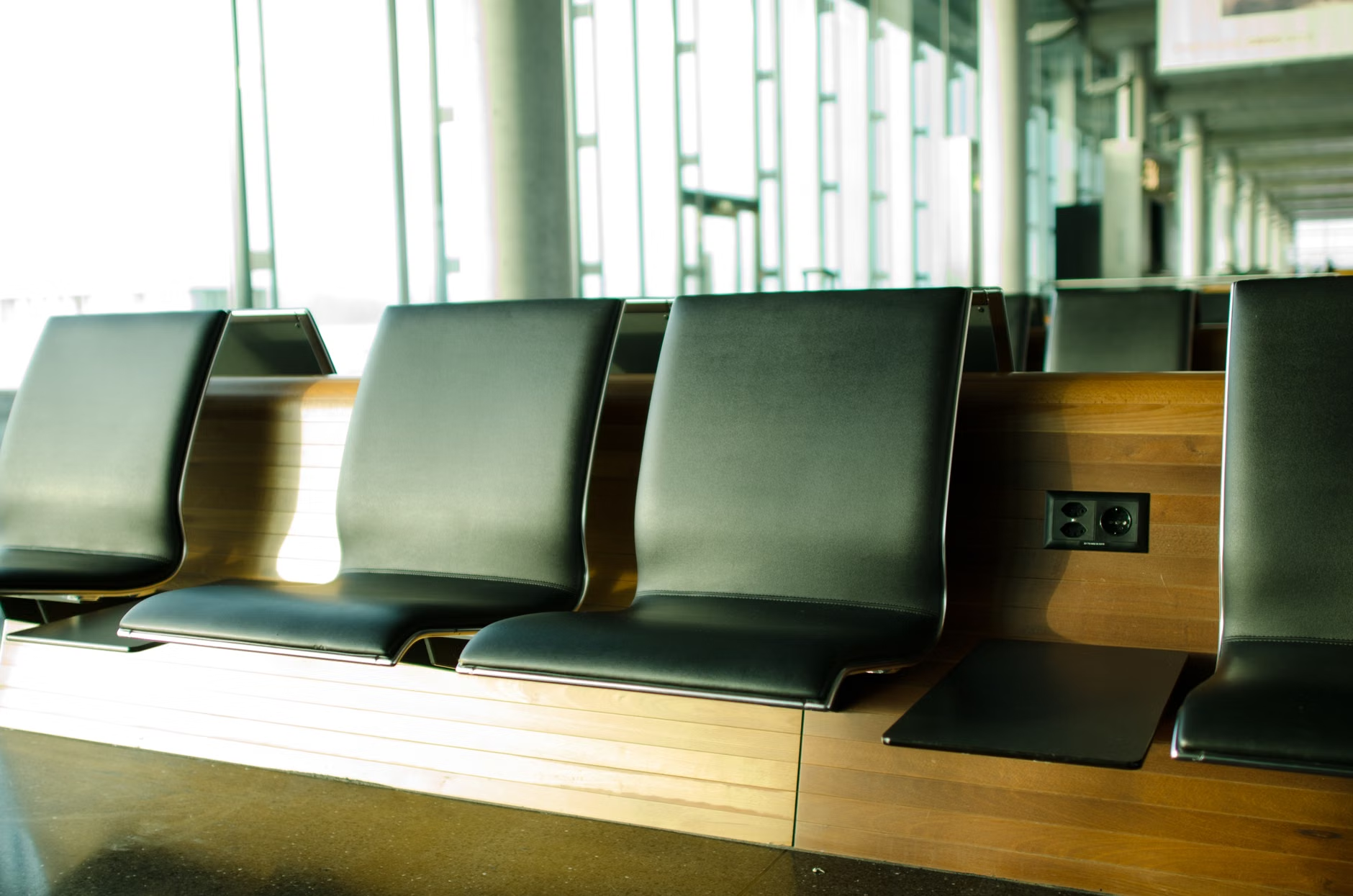
Navigating an international airport often involves walking distances that exceed what many people walk in their daily lives. A lounge provides a “home base” where you can sit in ergonomic chairs rather than hard plastic gate seating. This break is crucial for maintaining blood circulation and reducing the risk of joint stiffness or swelling, which can be exacerbated by long periods of inactivity or standing in queues.
Predictable Accessibility
Public terminal seating is often crowded and unpredictable. In contrast, lounges are designed to be spacious. They almost always feature private, accessible restrooms that are easier to navigate than public facilities, which may be located far from your gate or require navigating stairs. For travelers who require extra time to move between gates, the lounge acts as a staging area where you can monitor flight boards and depart only when you are ready, avoiding the rush of the general boarding process.
Managing Dietary Needs and Hydration
Hydration and nutrition are vital for maintaining energy levels during travel. Airport food courts are often crowded, expensive, and lacking in healthy options. Lounges provide a variety of food and beverage options in a controlled environment, allowing you to eat at your own pace. This is particularly important for those managing specific health conditions that require regular, balanced meals or controlled sodium intake.

Understanding Digital Lounge Access Programs
You no longer need to fly business class or hold a high-status airline membership to access airport lounges. Digital programs have democratized this experience. These programs operate through mobile applications that store your membership information, digital QR codes, and lounge locations.
How the Membership Model Works
Most digital lounge programs work on a subscription or a “pay-per-visit” model. You download an app, create an account, and link your payment method. When you arrive at a participating lounge, you simply open the app, display your digital pass, and the staff scans it for entry.
| Program Type | Best For | Key Consideration |
|---|---|---|
| Annual Subscription | Frequent travelers (4+ trips per year). | Check if the membership includes free guest passes if you travel with a partner. |
| Pay-Per-Visit | Occasional travelers (1-2 trips per year). | Higher cost per visit, but no annual commitment or recurring fees. |
| Credit Card Bundles | Travelers who prefer all-in-one solutions. | Requires checking if the card’s annual fee is offset by the lounge benefits. |
Note: The table above helps distinguish between high-frequency and low-frequency travelers. If you are a high-frequency traveler, the annual subscription usually pays for itself after the third or fourth visit. However, if you only travel once a year, the annual fee may be an unnecessary expense compared to a one-time pay-per-visit pass.
For those who may be less familiar with mobile travel apps, the process is designed to be intuitive. Follow these steps to ensure you have a smooth entry process:
- Research and Download: Before your trip, visit the official website of the lounge program (e.g., Priority Pass or DragonPass) to see which lounges are available at your specific departure and arrival airports. Download the app directly from your device’s official app store.
- Profile Setup: Enter your travel documents and payment information well before you arrive at the airport. You do not want to be struggling with credit card numbers or account verification while in a busy terminal.
- Verify Location: Use the app’s map feature to identify exactly where the lounge is located in relation to your gate. Check if the lounge is in the same terminal as your flight. Crucial Warning: Some airports are very large; moving between terminals may require going through security again, which can be physically exhausting.
- Digital Check-in: When you reach the lounge reception, have your app open and your digital membership card ready. If your internet connection is weak, take a screenshot of your QR code before you enter the lounge area.
Common Mistakes to Avoid
Even with the best planning, there are common pitfalls that senior travelers should be aware of to avoid unnecessary stress.
The “Terminal Trap”
A common mistake is assuming that all lounges are accessible from every gate. In many international airports, once you pass through security, you are confined to a specific terminal or concourse. If your lounge is in Terminal A and your gate is in Terminal C, you might be facing a long walk or a shuttle ride. Always verify the terminal location of the lounge within the app before you head there.
Ignoring Operating Hours
Lounges are not always open 24/7. Some may close late at night or open late in the morning. If you have an early morning or late-night flight, check the app to confirm that the lounge will be operational during your window of time. Arriving at a closed lounge after a long walk is a preventable inconvenience.
Overestimating Your Pace
Apps often show distance in meters or feet. However, they do not account for your personal walking pace or the potential for crowds. Always add a 15-minute “buffer” to your transition time between the lounge and your boarding gate. Boarding processes for international flights often begin 45 to 60 minutes before departure, and you should aim to be at the gate before the final call.
Health and Safety Considerations for the Senior Traveler
Using a lounge is a proactive health strategy. However, there are nuances to consider regarding physical health and the travel environment.
Hydration and Medication Management
Air travel is dehydrating. The environment in a lounge is usually more climate-controlled, but the air is still dry. Use the lounge as a dedicated space to drink water consistently. If you are traveling with medication, the lounge provides a calm, private space to organize your doses. Never pack your essential medications in your checked luggage; always keep them in your carry-on, and use the lounge to ensure you have your schedule clearly marked.
Mobility Aids and Accessibility
If you use a cane, walker, or other mobility aid, check the lounge’s accessibility profile. Most modern lounges are ADA (Americans with Disabilities Act) compliant in the US or follow equivalent international standards, featuring wide entrances and elevators. However, if you have specific mobility requirements, it is worth calling the lounge or checking their website for photos of the entry and seating areas.
Strategic Decision-Making: Is a Lounge Right for You?
Not every traveler needs a lounge for every trip. Use this decision matrix to determine if the cost and effort are justified for your specific journey:
- Trip Duration: For flights under 3 hours, a lounge may not be necessary unless you have a long layover. For flights over 5 hours, the value of a lounge increases significantly.
- Layover Time: If you have a layover of 3 hours or more, a lounge is highly recommended. It provides a sanctuary away from the chaos of the transit area.
- Physical Condition: If you have conditions that make standing, walking, or noise sensitivity difficult, the lounge is a medical necessity for maintaining your well-being throughout the journey.
When you choose to use a lounge, treat it as a deliberate part of your travel itinerary—not just an afterthought. Plan your arrival at the airport to include the time you want to spend in the lounge, and communicate your needs to the staff if you require assistance reaching your gate.
Conclusion: Empowering Your Travel Experience
Digital loyalty apps have made the airport lounge more accessible than ever, transforming it from an exclusive luxury into a practical, senior-friendly tool for better travel. By focusing on your personal needs—whether that is finding a quiet corner to rest, ensuring access to clean facilities, or simply managing your energy levels before a long flight—you can take control of the airport experience.
The key to success is preparation. By researching your options, understanding the digital tools, and being realistic about your physical requirements, you can ensure that your journey is as comfortable and stress-free as possible. Travel is meant to be an enriching experience, and by prioritizing your comfort, you are investing in your ability to enjoy the destination even more.
Frequently Asked Questions (FAQ)
1. Can I bring a guest into the lounge with me using my digital app?
It depends on your specific membership level and the lounge program. Some subscriptions include complimentary guest access, while others require you to pay an additional fee per guest. Always check the “Guest Policy” section of your app before arriving at the lounge to avoid surprises.
2. What if I don’t have a smartphone or have trouble using the app?
Most lounge programs allow you to print a physical membership card or carry a digital copy as a PDF on your device. Additionally, if you have a family member or caregiver assisting with your travel, they can often manage the digital check-in process for you. If you are traveling alone and are uncomfortable with the technology, you can sometimes present your membership number and a government-issued photo ID at the reception desk.
3. Are there age-specific discounts for lounge memberships?
Most major lounge programs do not offer specific “senior discounts” based on age. However, many credit cards that offer complimentary lounge access (such as those with annual travel benefits) are available to all adults, regardless of age. If you are looking for cost-efficiency, focus on finding a credit card that includes a lounge membership as part of its annual fee, which can often be more economical than paying for a standalone subscription.
Disclaimer: This article provides general information regarding airport lounge access and does not constitute financial or medical advice. Always consult with your airline and the specific lounge provider regarding their current policies, accessibility features, and eligibility requirements before booking.