- Ankle flexibility is a primary defense against falls: Restricted range of motion in the ankles directly impacts your gait, balance, and ability to navigate uneven surfaces.
- Consistency beats intensity: Performing seated ankle-reversals for just 5–10 minutes daily is more effective for long-term mobility than sporadic, high-intensity workouts.
- Safety first: Always prioritize a stable, non-rolling chair and monitor for sharp pain; discomfort should be limited to the muscle stretch, never the joint.
Maintaining independence in your 60s, 70s, and beyond relies heavily on the health of your lower extremities. While we often focus on cardiovascular health or strength training, the humble ankle is frequently overlooked. Seated ankle-reversals—a simple, low-impact exercise—can significantly improve your range of motion, enhance your balance, and reduce the risk of common injuries associated with walking and daily activities.
The Anatomy of Stability: Why Ankle Mobility Matters
To understand why seated ankle-reversals are a powerful preventive tool, we must first look at how the ankle functions. The ankle joint acts as the foundation for your body’s kinetic chain. When you walk, your ankle must dorsiflex (bend upward) to clear the ground and plantarflex (point downward) to push off. If this motion becomes restricted—a common occurrence as we age due to joint stiffness or muscle shortening—your body compensates by altering your gait.
This compensation often leads to “shuffling,” which significantly increases the risk of tripping over minor obstacles like rugs, door thresholds, or uneven pavement. By maintaining flexibility through regular movement, you ensure that your stride remains fluid and your center of gravity stays stable.

The Mechanics of Seated Ankle-Reversals
Seated ankle-reversals are a controlled, rhythmic movement designed to mobilize the joint without the stress of weight-bearing. Unlike standing exercises, which require a baseline level of balance that may be challenging for some, this exercise allows you to isolate the ankle joint safely.
What the Movement Looks Like
The goal is to move the ankle through its full range of motion. This involves four distinct movements: inward (inversion), outward (eversion), upward (dorsiflexion), and downward (plantarflexion). By performing these in a circular or “reversal” pattern, you encourage synovial fluid—the body’s natural lubricant—to circulate within the joint, reducing stiffness.
| Movement Type | Practical Benefit |
|---|---|
| Dorsiflexion (Toes up) | Prevents tripping; improves ground clearance. |
| Plantarflexion (Toes down) | Strengthens the push-off phase of walking. |
| Inversion/Eversion (Side-to-side) | Improves stability on uneven surfaces. |
Understanding these movements allows you to identify exactly where your personal stiffness lies. If you find one direction particularly difficult, you can dedicate extra time to that specific range without overworking the rest of the joint.
Step-by-Step Guide to Safe Practice
Preparation is key to getting the most out of your mobility routine. Follow these steps to ensure you are practicing effectively and safely.
- Choose the Right Seating: Use a sturdy, non-rolling chair. A kitchen or dining chair with a firm seat and no wheels is ideal. Avoid sofas or deep armchairs that cause your hips to sink lower than your knees, as this limits your range of motion.
- Establish Proper Posture: Sit upright with your back supported by the chair. Keep your feet flat on the floor, hip-width apart.
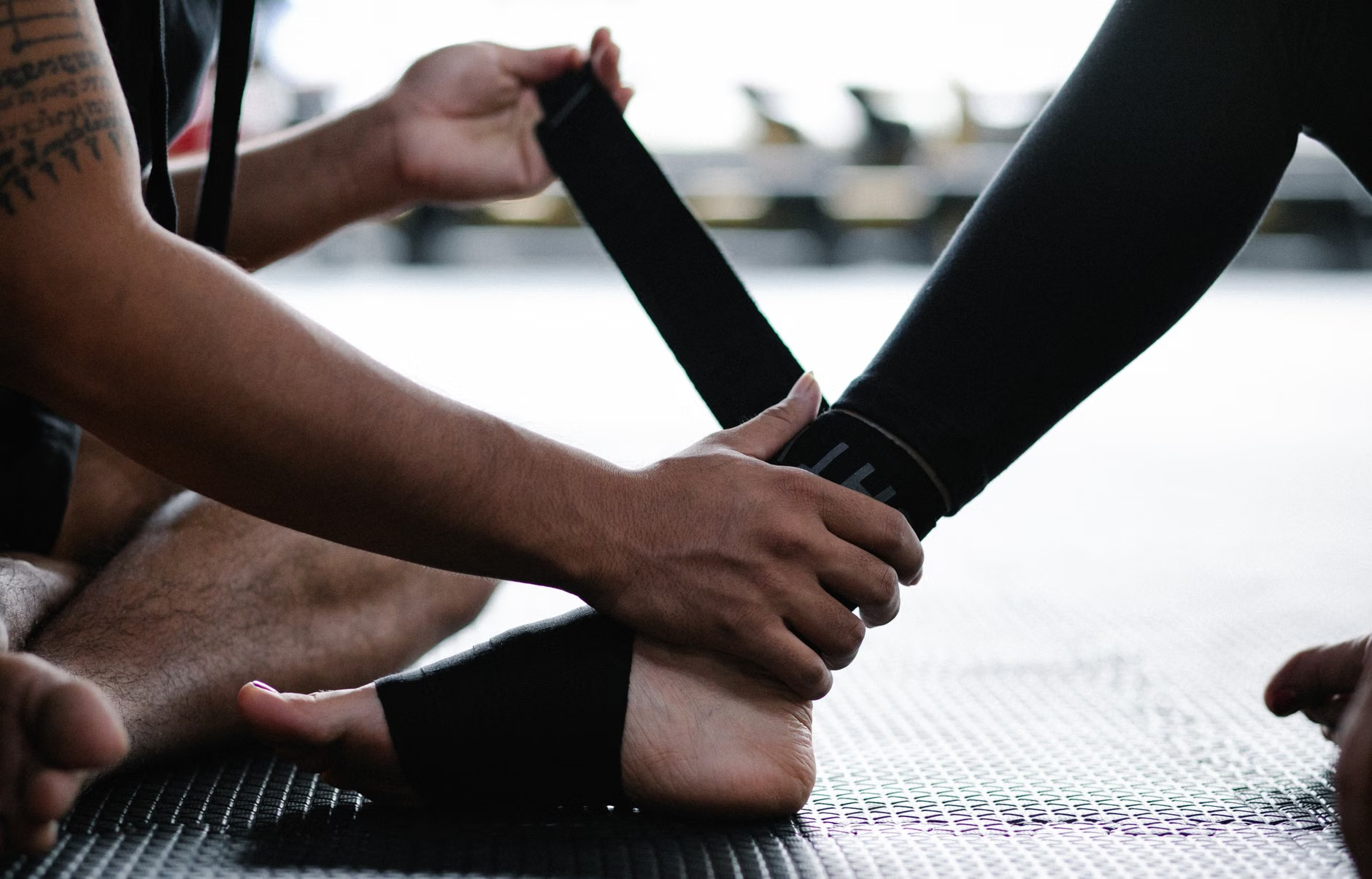
- The Execution: Lift one foot slightly off the floor. Slowly rotate your ankle in a circular motion, ensuring you reach the furthest comfortable point in all four directions.
- Consistency: Perform 10 circles clockwise and 10 counter-clockwise for each foot. If you feel fatigue, pause and resume.
Common Mistakes and How to Avoid Them
Even simple exercises can be ineffective if performed incorrectly. Here are the most common pitfalls observed in clinical settings:
- Using the Entire Leg: Many people move their entire lower leg rather than isolating the ankle. Keep your knee relatively still while focusing the movement in the ankle joint.
- Rushing the Movement: Mobility exercises are not about speed; they are about control. Moving too quickly through the range of motion prevents the muscles from lengthening properly.
- Ignoring Pain Signals: There is a distinct difference between the sensation of a “stretch” and “sharp pain.” If you experience sharp, shooting, or grinding pain, stop immediately. Persistent pain may indicate an underlying issue that requires a consultation with a physical therapist or a primary care physician.
Integrating Mobility into Your Daily Routine
The greatest barrier to preventive health is often the “all or nothing” mindset. You do not need a dedicated hour in a gym to see results. Because these exercises are seated, they can be integrated into your existing daily habits.
Consider these “habit stacking” opportunities:
- While watching the news: Use the 10-minute segment of your favorite program to perform your ankle rotations.
- During morning coffee: While waiting for your coffee to brew or sitting down to drink it, perform two sets for each ankle.
- Before bed: Incorporating this into your pre-sleep routine can help reduce fluid retention in the ankles, which often occurs after a long day of standing or sitting.
When to Seek Professional Guidance
While seated ankle-reversals are generally safe, they are not a substitute for medical treatment if you have specific conditions. If you have a history of ankle fractures, severe arthritis, or chronic swelling (edema), consult with your healthcare provider before beginning a new routine. They can provide specific modifications that honor your unique medical history.
Warning Signs: If you notice sudden, localized swelling, redness, or heat in the ankle joint, this may indicate an inflammatory condition such as gout or an infection. These symptoms require medical evaluation rather than exercise.
The Role of Footwear and Environmental Factors
Your ankle mobility is only as effective as the environment you navigate. Even with flexible ankles, wearing improper footwear can negate your progress. Supportive shoes with a non-slip sole are essential. Avoid walking in socks on slick surfaces like hardwood or tile, as this increases the risk of slipping regardless of your ankle strength.
Furthermore, consider your home environment. Are there loose rugs or electrical cords in high-traffic areas? Mobility exercises improve your *ability* to react to an obstacle, but removing the obstacle itself is the most effective form of fall prevention.
Insights on Long-Term Mobility Maintenance
An overlooked variable in senior mobility is the impact of hydration on joint health. Synovial fluid relies on adequate hydration to maintain its viscosity. Ensure you are drinking enough water throughout the day, as dehydration can exacerbate stiffness in the joints, making your ankle exercises feel more difficult than they actually are.
Additionally, remember that mobility is a use-it-or-lose-it capacity. Even if you feel “fine” today, the slow, gradual loss of range of motion is often unnoticed until it becomes a functional problem. By treating these exercises as a non-negotiable part of your daily hygiene—like brushing your teeth—you are investing in your long-term autonomy.
Conclusion: Your Next Steps
Starting today, commit to a simple routine: twice a day, perform 10 repetitions of ankle-reversals for each foot. Keep a record for one week to track your consistency. If you find the movement becomes easier, you are already on the right path to improved stability. Should you encounter persistent stiffness, speak with a physical therapist who can provide a personalized assessment. Your ankles are the foundation of your movement; treat them with the daily care they deserve.
Frequently Asked Questions
1. Can I do these exercises if I have arthritis in my ankles?
Yes, in many cases, gentle movement is recommended for arthritic joints to maintain lubrication. However, if the joint is currently inflamed or very painful, check with your doctor first to ensure you aren’t aggravating the condition.
2. How long will it take to notice an improvement in my balance?
Consistency is key. Many individuals report feeling less stiffness within 2 to 3 weeks of daily practice. Balance improvements are cumulative and are best achieved when combined with other strength-building activities.
3. Should I use ankle weights for these exercises?
No. This routine is designed for flexibility and mobility. Using weights can put unnecessary strain on the joint and change the nature of the exercise from a mobility-focused movement to a strength-focused one, which requires different safety protocols.
Official guidance on fall prevention and physical activity can be found through resources such as the CDC’s STEADI (Stopping Elderly Accidents, Deaths & Injuries) program or the World Health Organization’s guidelines on physical activity for older adults.