- Vitamin B5 (pantothenic acid) is essential for synthesizing coenzyme A, which is the “engine” that converts food into cellular energy.
- While severe B5 deficiency is rare, optimizing intake through whole foods can support adrenal gland function and help maintain steady energy levels throughout the day.
- Prioritize natural food sources like mushrooms, sunflower seeds, avocados, and lean proteins, as these provide a synergistic mix of nutrients that supplements often lack.
For adults aged 60 to 80, maintaining consistent energy levels is often the foundation of an active and independent lifestyle. While many focus on caffeine or quick carbohydrates to combat midday fatigue, the biological reality of energy production is much deeper. It relies on a steady supply of micronutrients, specifically Vitamin B5, also known as pantothenic acid. This water-soluble vitamin plays a critical role in the metabolic pathways that transform the food we eat into the energy our cells require, while also supporting the adrenal glands—the body’s primary centers for managing stress response.
Understanding the Role of Vitamin B5 in Energy Metabolism
Vitamin B5 is perhaps best understood through its role in the creation of Coenzyme A (CoA). Think of CoA as a metabolic “shuttle bus.” It picks up fats, carbohydrates, and proteins that you have consumed and transports them into the mitochondria—the powerhouse of your cells—to be converted into Adenosine Triphosphate (ATP), which is the currency of energy for your body.
As we age, the efficiency of our mitochondria can naturally decline. Providing the body with sufficient raw materials to produce Coenzyme A is a fundamental step in supporting this metabolic efficiency. Unlike stimulants, which “borrow” energy from your future reserves, B5 helps ensure that the machinery required to produce energy is functioning at its baseline capacity.
The Adrenal Connection: Why Stress Management Matters
The adrenal glands sit atop your kidneys and are responsible for producing cortisol and other hormones that help regulate blood pressure, metabolism, and the body’s reaction to stress. Because the adrenal glands have a high metabolic demand, they require significant amounts of pantothenic acid to produce these vital hormones.
In the context of aging, the adrenal glands do not necessarily “fail,” but they do need to adapt to changing systemic demands. By ensuring an adequate intake of B5, you are providing the biochemical building blocks necessary for these glands to operate without unnecessary strain. This is not about “boosting” the glands to artificial levels, but rather ensuring they have the fuel they need to maintain homeostasis—the body’s internal state of balance.
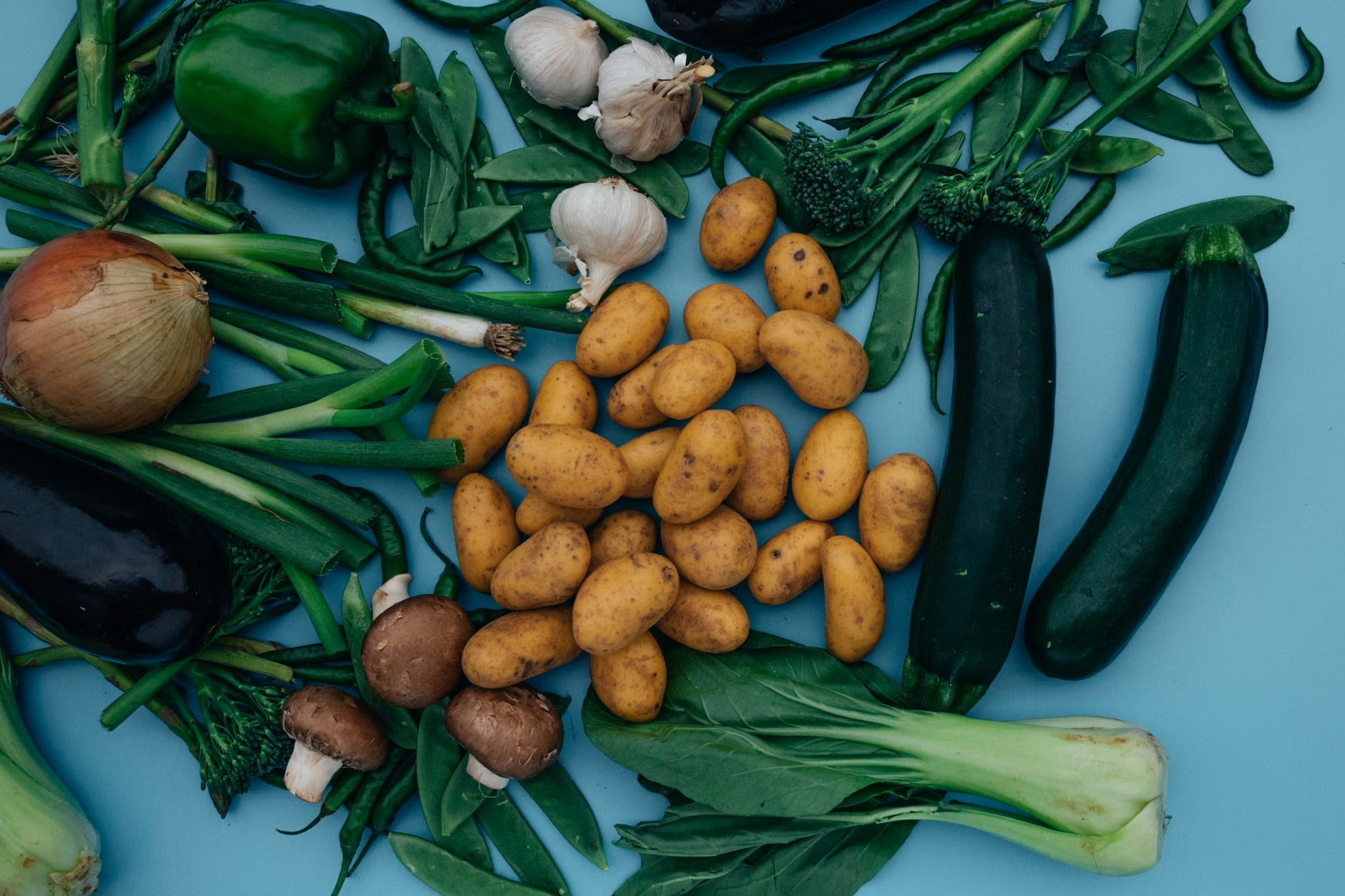
Identifying Natural Sources of Vitamin B5
Because Vitamin B5 is water-soluble, the body does not store it in large quantities. This means it must be replenished regularly through our diet. Fortunately, it is widely available in many common, heart-healthy foods. The following table highlights common sources and their role in a senior’s diet.
| Food Source | Why It Benefits Seniors | Practical Preparation Tip |
|---|---|---|
| Shiitake Mushrooms | Highly concentrated source of B5; also contains fiber. | Sautéed or added to soups; heat does not significantly degrade B5. |
| Sunflower Seeds | Excellent source of healthy fats and Vitamin E. | Sprinkle over oatmeal or salads for a satisfying crunch. |
| Avocado | Provides sustained energy via monounsaturated fats. | Can be mashed on whole-grain toast for a simple, nutrient-dense breakfast. |
| Chicken Breast | Lean protein source for muscle maintenance. | Bake or poach to keep the texture tender and easy to chew. |
| Sweet Potatoes | Rich in beta-carotene and B5; easy on digestion. | Roasted or steamed; excellent for stable blood sugar levels. |
When choosing these foods, focus on variety. For example, if you find that chewing sunflower seeds is difficult, consider using sunflower seed butter, which offers the same nutritional profile in a more accessible form. The goal is to integrate these into your weekly routine rather than relying on a single “superfood.”

Practical Strategies for Daily Intake
The Recommended Dietary Allowance (RDA) for Vitamin B5 for most adults is approximately 5 milligrams per day. Most people achieve this through a varied diet. However, if you are concerned about your intake, the first step is not to reach for a high-dose supplement, but to audit your current eating habits.
The “Nutrient-Dense First” Approach
Many seniors find that their appetite decreases with age. When you eat less, every calorie must count. Instead of “empty” calories from refined sugars, prioritize the foods listed above. A simple strategy is to ensure that at least one meal per day includes a “B5 anchor”—such as a mushroom-based dish or a serving of poultry.
Managing Nutrient Loss During Cooking
Vitamin B5 is sensitive to high heat and can leach into cooking water. To maximize your intake:
- Steam instead of boil: If you boil vegetables, you often drain away the water-soluble vitamins. Steaming preserves them.
- Use the broth: If you make a soup or stew, the Vitamin B5 that leaches out stays in the liquid, which you then consume.
- Minimize processing: Highly processed foods are often stripped of their B-vitamin content during manufacturing. Prioritize “whole” versions of these foods.
It is a common misconception that more is always better. While Vitamin B5 is generally considered safe even at higher doses because it is water-soluble (meaning excess is excreted through urine), there is no evidence that mega-dosing provides additional energy benefits for healthy older adults. In fact, excessive intake of single B-vitamins can sometimes lead to imbalances with other B-vitamins, as they often work in tandem.
If you feel that your energy levels are consistently low, it is important to look at the broader picture. Fatigue can be caused by a variety of factors, including iron deficiency, thyroid imbalances, medication side effects, or sleep quality issues. Before adding a high-dose B5 supplement to your daily routine, consider these steps:
- Keep a Symptom Log: Track your energy levels for two weeks. Note when you feel tired, what you ate, and how well you slept. This provides your healthcare provider with concrete data.
- Review Your Medication List: Some medications can interfere with nutrient absorption. Bring an updated list of all prescriptions and over-the-counter supplements to your next visit.
- Ask Targeted Questions: Instead of asking “Should I take a supplement?”, ask, “Based on my recent blood work and symptoms, is there a specific nutritional deficiency that could be contributing to my fatigue?”

Understanding the Limits of Nutritional Interventions
While Vitamin B5 is a vital component of metabolic health, it is not a panacea. The body is a complex system where nutrients act in concert. For instance, B5 works alongside B12, B6, and folate. Focusing on one nutrient while ignoring the overall quality of your diet will likely yield limited results. Furthermore, the “adrenal fatigue” concept is often used in popular media to explain generalized exhaustion, but it is not a clinically recognized medical diagnosis. If you are experiencing profound, persistent fatigue, it is essential to seek a professional evaluation to rule out underlying conditions such as anemia, depression, or cardiovascular issues.
Your health is a lifelong project. By prioritizing nutrient-rich, whole foods and maintaining a proactive dialogue with your healthcare provider, you can support your body’s natural ability to produce energy and manage stress effectively. Focus on the consistency of your habits—small, daily choices are far more impactful than occasional, large-scale interventions.
Conclusion: The Path to Sustainable Energy
Maintaining energy levels in your 60s, 70s, and beyond is about honoring the biological needs of your body. Vitamin B5 is a humble but essential player in this process, facilitating the energy production that allows you to pursue your hobbies, travel, and remain active in your community. By focusing on whole-food sources and integrating them into a balanced diet, you provide your body with the tools it needs to thrive. Remember that the best approach to preventive health is one that is sustainable, grounded in reality, and supported by professional guidance when questions arise.
Frequently Asked Questions
1. Can I get enough Vitamin B5 solely from a plant-based diet?
Yes. Many plant-based foods, such as mushrooms, avocados, whole grains, and legumes, are excellent sources of Vitamin B5. If you follow a vegan or vegetarian diet, simply ensure you are including a variety of these foods to meet your nutritional needs.
2. Are there any side effects to taking Vitamin B5 supplements?
Vitamin B5 is generally safe, even at higher doses, because the body excretes excess amounts. However, very high doses can sometimes cause mild digestive issues like diarrhea. It is always best to prioritize food sources first and speak with a doctor before starting any new supplement regimen.
3. How does Vitamin B5 interact with other medications I might be taking?
While B5 is generally well-tolerated, it can interact with certain medications, such as antibiotics (specifically tetracycline) or cholinesterase inhibitors used for Alzheimer’s. Always provide your doctor with a full list of your supplements to avoid potential interactions.
Sources and Further Reading:
National Institutes of Health (NIH) – Pantothenic Acid Fact Sheet for Health Professionals
Harvard T.H. Chan School of Public Health – The Nutrition Source: Vitamins