- Boron is a trace mineral that acts as a metabolic regulator, helping the body manage calcium, magnesium, and vitamin D to maintain bone structural integrity.
- Dietary intake through whole foods like legumes, nuts, and fruits is safer and more effective than high-dose supplementation for the average adult.
- There is no official Recommended Dietary Allowance (RDA) for boron, but a daily intake of 1–3 mg is generally considered sufficient and safe for most adults aged 60–80.
For adults aged 60 to 80, maintaining bone density and structural integrity is a primary pillar of preventive health. While calcium and vitamin D often dominate the conversation, trace minerals like boron play a critical, yet frequently overlooked, role in how our bodies process these essential nutrients. Boron is not a “miracle cure” for bone loss, but rather a sophisticated metabolic regulator that supports the body’s natural ability to maintain a strong skeletal framework.
Understanding Boron’s Role in Bone Metabolism
Boron is a trace mineral found in soil and water, and it enters our diet primarily through plant-based foods. In the context of skeletal health, boron does not function as a building block like calcium; instead, it acts as a manager. It influences the activity of enzymes and hormones involved in bone metabolism, specifically by helping the body retain calcium and magnesium.
When we consume calcium, our bodies rely on a complex hormonal feedback loop to decide whether to deposit that mineral into the bones or excrete it. Boron helps regulate the levels of parathyroid hormone and 1,25-dihydroxyvitamin D, which are the primary drivers of bone mineral turnover. By keeping these systems in balance, boron helps ensure that the calcium you consume is effectively utilized rather than lost through urine.
The Link to Structural Integrity
The “structural integrity” of bone refers to both its density (the amount of mineral per volume) and its micro-architecture (the internal, honeycomb-like structure). Research suggests that boron may help improve the crystallization of bone minerals, potentially leading to a more robust internal structure. For older adults, this is vital; a bone that is both dense and structurally sound is less prone to the types of fractures that occur due to everyday stress or minor falls.
Identifying Natural Sources in Your Daily Diet
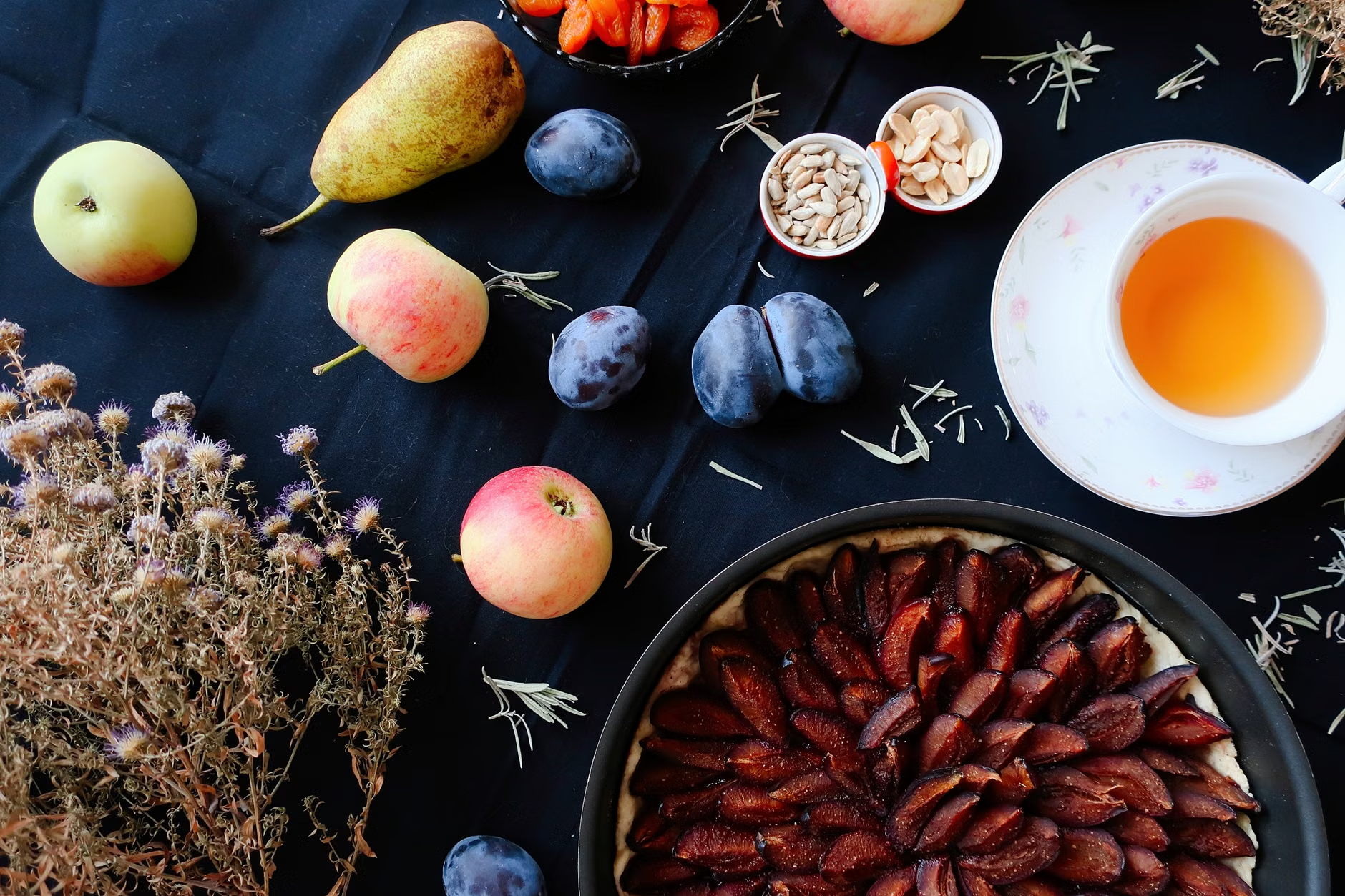
The most sustainable and safe way to obtain boron is through a varied, plant-heavy diet. Unlike synthetic supplements, which can sometimes provide dosages that exceed natural physiological needs, food sources provide boron alongside other phytonutrients that work synergistically to support overall health.
| Food Category | Examples | Boron Content Estimate |
|---|---|---|
| Legumes | Chickpeas, lentils, kidney beans | High |
| Nuts | Almonds, walnuts, hazelnuts | Moderate-High |
| Fruits | Prunes, raisins, apples, pears | Moderate |
| Vegetables | Avocado, broccoli, leafy greens | Low-Moderate |
If you are looking to increase your intake, a simple strategy is to incorporate one serving of legumes or a small handful of almonds into your daily routine. For example, replacing a processed snack with a quarter-cup of almonds or adding chickpeas to a midday salad can significantly boost your dietary boron levels without the need for concentrated pills.
Why Supplements Should Be Handled with Caution
In the world of preventive health, there is often a temptation to assume that “if a little is good, more must be better.” With boron, this is a dangerous misconception. Because boron is a trace mineral, the body requires it in very small amounts. Supplements often provide dosages ranging from 3 mg to 10 mg or more per day, which may far exceed the intake found in a normal, healthy diet.
High-dose boron supplementation can interfere with hormonal pathways, including estrogen and testosterone metabolism. For older adults—especially those with a history of hormone-sensitive conditions—these shifts can have unintended consequences. Furthermore, because there is no standardized, globally recognized “upper limit” for boron that accounts for all health conditions, taking high-dose supplements without medical oversight carries an unnecessary risk of toxicity or hormonal imbalance.
The safest approach for most adults is to prioritize whole foods. If you believe your diet is insufficient, consult with your primary care physician or a registered dietitian before starting any mineral supplement. They can assess your blood work and overall health profile to determine if a supplement is truly necessary or if a dietary adjustment is sufficient.

When you visit your doctor to discuss bone health—perhaps after a routine bone density scan (DEXA scan)—it is common to focus solely on calcium and vitamin D. To get the most out of your appointment, you should advocate for a more holistic view of your skeletal health. Use the following checklist to prepare for your next consultation:
- Review your current medication list: Some medications, such as corticosteroids or certain antacids, can affect how your body absorbs minerals. Ask your doctor if your current prescriptions impact your bone mineral status.
- Bring a 3-day food diary: Write down what you eat for three days before your appointment. This allows your doctor or a dietitian to see if you are getting enough boron-rich foods naturally.
- Ask about “metabolic markers”: Beyond just bone density, ask if there are specific blood tests that measure bone turnover, which can give a clearer picture of whether your body is breaking down bone faster than it is building it.
- Discuss physical activity: Bone structural integrity is also maintained through mechanical loading. Ask for a referral to a physical therapist who can design a safe, resistance-based exercise program tailored to your mobility level.
The Interconnectedness of Lifestyle Factors
It is important to remember that boron does not work in a vacuum. Its ability to support bone health is entirely dependent on the presence of other nutrients and lifestyle habits. Consider the “Bone Health Triad”:
- Nutrient Density: Boron, calcium, magnesium, vitamin D, and vitamin K2 must all be present in adequate amounts. Think of boron as the supervisor, but you still need the raw materials (calcium) and the construction crew (vitamin D and K2).
- Mechanical Stress: Bones are living tissues that respond to stress. Weight-bearing exercises—such as brisk walking, dancing, or using light resistance bands—signal to your body that it needs to maintain or strengthen the bone matrix.
- Hormonal Equilibrium: Chronic stress, poor sleep, and certain metabolic conditions can disrupt the hormonal balance that boron helps regulate. A balanced lifestyle is, in itself, a protective factor for your bones.

Addressing Common Misconceptions
One common myth is that boron can “reverse” osteoporosis. It is crucial to be clear: Boron is a preventive measure, not a treatment for established osteoporosis. If you have already been diagnosed with osteoporosis or osteopenia, your treatment plan must be guided by clinical protocols, which may include pharmacotherapy. Do not replace prescribed medications with boron or any other supplement. Instead, discuss with your doctor how you can integrate a boron-rich diet as a supportive, healthy habit that complements your prescribed treatment.
Another misconception is that all boron sources are equal. While you can find boron in some processed foods fortified with minerals, the bioavailability of boron in whole foods—where it is bound to complex carbohydrates and other plant fibers—is generally more favorable for the body. Relying on “fortified” snacks is often a sign of a less-than-optimal diet, as these products are frequently high in sugar and sodium, both of which can actually have a negative impact on bone health by increasing calcium excretion.
Practical Decision Criteria for Your Daily Routine
How do you know if you are doing enough? Use these criteria to evaluate your current approach:
- The Variety Test: Are you consuming at least three different types of plant-based foods (fruits, nuts, legumes) daily? If yes, you are likely meeting your trace mineral needs.
- The Mobility Assessment: Are you engaging in at least 150 minutes of moderate-intensity movement per week? If not, focus on increasing your activity before worrying about adding supplements.
- The Medication Check: Are you taking any medications that are known to interfere with nutrient absorption? If yes, your need for specific dietary adjustments should be discussed with your pharmacist or doctor.
By shifting your focus from “finding a supplement” to “optimizing your daily habits,” you create a sustainable framework for long-term health. The goal is not to obsess over the milligram count of every mineral, but to build a lifestyle where your body has the resources it needs to maintain its own structural integrity.
Long-term Maintenance and Monitoring
Preventive health is a marathon, not a sprint. For those in the 60–80 age bracket, the goal is to maintain independence and mobility. This requires regular monitoring. If you make dietary changes to include more boron-rich foods, you likely won’t see a “result” on a scan for 12 to 24 months. This is normal. Bone metabolism is a slow process.
Stay consistent with your dietary patterns and physical activity. If you notice changes in your energy levels, joint comfort, or mobility, keep a record of these, as they are just as important as the numbers on a bone density report. Your subjective experience of your own body—how you move, how you recover from a walk, and your overall vitality—is a key indicator of your health status.
Finally, always ensure your sources of information are reliable. Avoid health advice from social media influencers or non-medical websites that promise “stronger bones in 30 days.” Stick to guidance from established health organizations, such as the National Institutes of Health (NIH) or your local national health service, which provide evidence-based information on nutrition and aging. By focusing on the fundamentals—a varied diet, regular movement, and professional medical partnership—you are taking the most effective steps toward preserving your skeletal health for the years to come.
Frequently Asked Questions
1. Can I get too much boron from eating too many prunes or almonds?
It is extremely unlikely to reach toxic levels of boron through a normal, healthy diet. Even if you consume a high-boron diet, your body is generally efficient at excreting excess boron through urine. The risks associated with boron are almost exclusively linked to high-dose, isolated supplements.
2. Does boron interact with common medications for high blood pressure or diabetes?
While there is no widespread evidence of major contraindications, any change in diet or the introduction of new supplements should be reviewed by your doctor, especially if you are on complex medication regimens. Your doctor can ensure there are no specific interactions based on your unique medical profile.
3. Should I take a boron supplement if I have a history of kidney issues?
If you have chronic kidney disease or any condition that affects your body’s ability to filter and excrete minerals, you should be very cautious. Always consult your nephrologist or primary care physician before adding any mineral supplements to your routine, as your kidneys play a vital role in maintaining mineral balance.
Disclaimer: This article is for informational purposes only and does not constitute medical advice, diagnosis, or treatment. Always seek the advice of your physician or other qualified health provider with any questions you may have regarding a medical condition or dietary changes.