- Prioritize “Flat-Access” Sites: When researching, filter for locations that offer ground-level entry or shuttle services to bypass steep climbs.
- Adopt the 50/10 Rule: For every 50 minutes of walking or touring, schedule 10 minutes of seated rest to preserve stamina and prevent joint fatigue.
- Verify Infrastructure, Not Just Reviews: Use official tourism accessibility maps rather than generic travel blogs to confirm the availability of elevators, ramps, and accessible restrooms.
Historic sites are the jewels of Asian travel, offering deep insights into centuries of culture and architecture. However, for travellers aged 60 to 80, the classic “must-see” list often includes uneven terrain, long staircases, and limited seating. Choosing the right destination is not about limiting your experience, but about optimizing your environment for safety, comfort, and meaningful engagement.
Understanding Your Mobility Profile Before You Book
Before selecting a destination, it is essential to conduct a personal mobility audit. This is not a judgment of your capability, but a strategic planning tool to ensure your travel remains enjoyable rather than exhausting.
Consider your personal “stamina ceiling.” If you feel comfortable walking for 30 minutes on flat ground, you should look for historic sites that offer modular tours or frequent transport options. Many older travellers overestimate their ability to navigate ancient stone paths, which are often irregular and slick. A simple rule: If a site requires more than 15% of your total daily energy budget in the first two hours, it is likely to compromise your enjoyment of the rest of the day.
The Four Pillars of Accessible Site Selection
When evaluating a potential site, categorize it against these four criteria:
- Surface Uniformity: Are the paths paved, gravel, or original, uneven stone? Original stone is often beautiful but poses a high trip hazard.
- Vertical Transition: Does the site rely on stairs, or are there ramps, elevators, or dedicated shuttle circuits?
- Rest Density: Does the site provide benches every 50–100 meters, or is seating confined to the entrance and exit?
- Climate Control: Is there significant shade, or are you exposed to direct heat? High heat significantly accelerates physical fatigue in older adults.
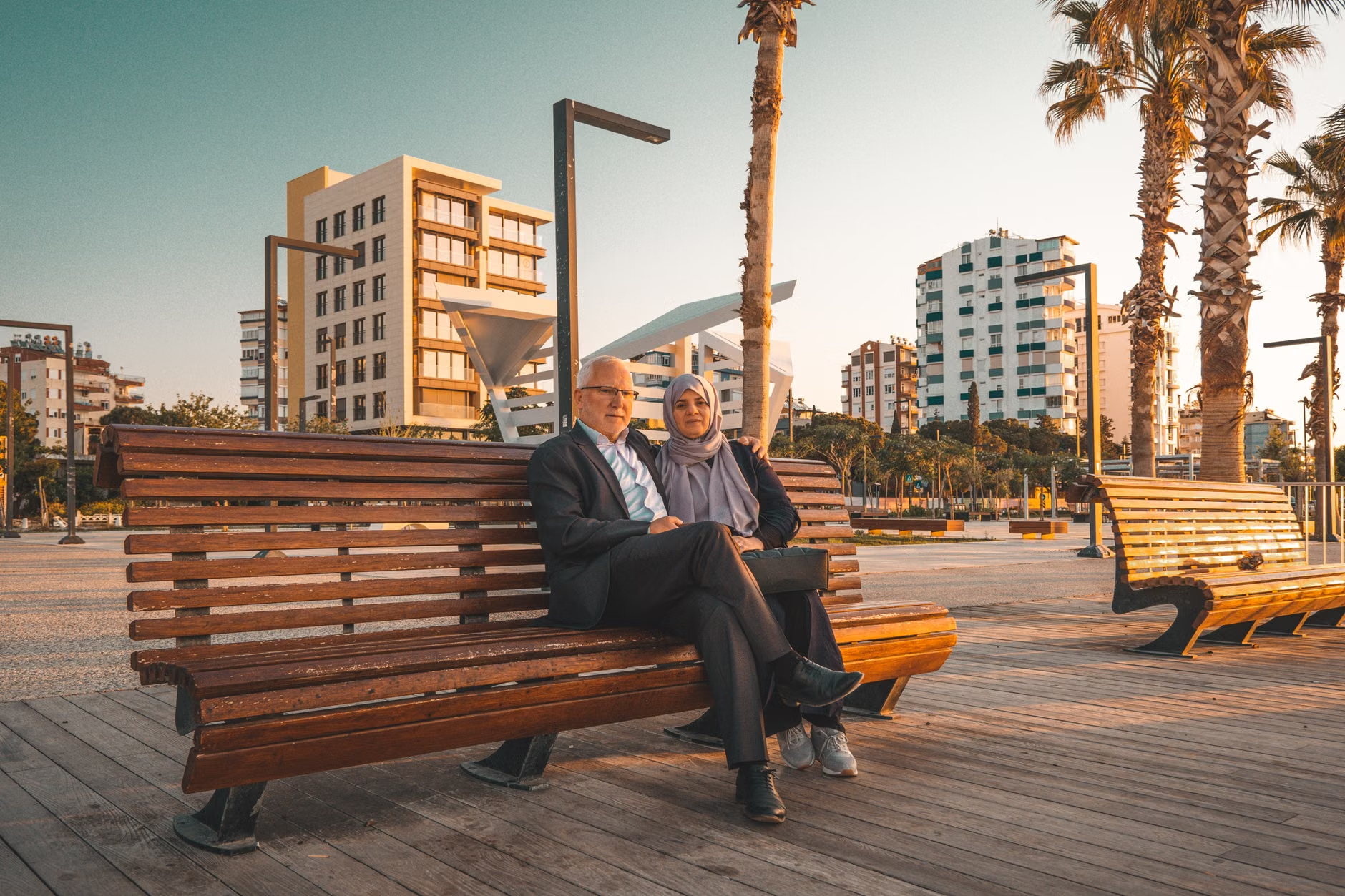
In many parts of Asia, the term “accessible” is used loosely. A facility might be technically wheelchair-accessible but still require a long, steep push from the parking lot. To avoid surprises, you must look for specific evidence of modern upgrades.
Common Pitfall: The “Ramp-Only” Assumption. Many sites add a ramp to satisfy regulations, but that ramp may be far steeper than modern safety standards allow. Always look for official visitor guides that specify “gentle incline” or “step-free access.”
Comparing Site Types for Senior Travellers
| Site Category | Accessibility Level | Strategic Advice |
|---|---|---|
| Modernized Museums | High | Use elevators; stay in climate-controlled environments. |
| Restored Palaces | Moderate | Stick to main courtyards; avoid inner chambers with high thresholds. |
| Mountain Temples | Low | Look for cable car access; visit only if a lift is available. |
If you are choosing between a palace and a museum, the museum is almost always the safer choice for energy conservation. Palaces in countries like Japan or Korea often have beautiful, raised wooden thresholds that are difficult to step over for those with limited mobility. A museum, conversely, is usually built with standardized doorways and elevators.
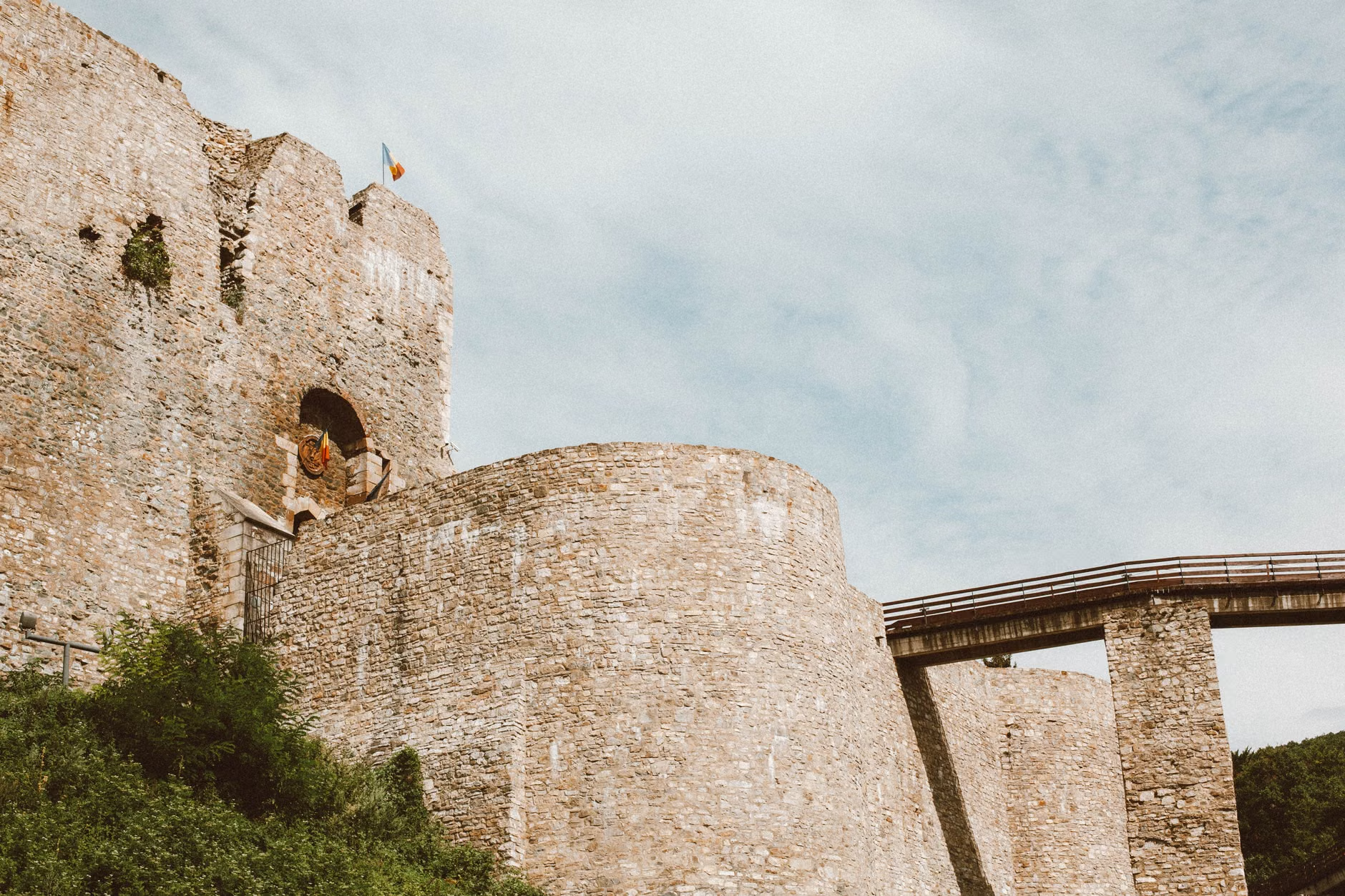
Planning Your Daily Itinerary for Maximum Recovery
The greatest mistake in senior-friendly travel is “front-loading” the itinerary. Many travellers try to visit the most strenuous site first, thinking their energy will be highest. However, the cumulative effect of travel—jet lag, humidity, and new food—means that your body is often more fatigued than you realize.
Instead, use a “Light-Heavy-Light” approach:
- Day 1 (Arrival/Acclimation): Choose a site that is mostly flat, such as a botanical garden or a central city park with historic monuments.
- Day 2 (Main Event): Visit the more complex historic site, but limit your time to 3 hours maximum.
- Day 3 (Recovery): Spend the day in a low-intensity environment, such as a museum or a tea house, where you can sit for extended periods.
Pro-Tip: Always check the “Official Tourism Board” website for your destination (e.g., JNTO for Japan, KTO for Korea). These sites often have a dedicated “Barrier-Free” or “Universal Design” section that lists sites specifically upgraded for elderly visitors. Do not rely on third-party reviews, which may be written by younger, more mobile travellers who define “accessible” differently.
Health and Safety: Proactive Measures
Visiting historic sites often involves being far from modern medical facilities. While you should never be paranoid, being prepared is part of the experience.
The “Travel-Safe” Checklist
- Medication Portability: Keep a copy of your current prescriptions in your backpack, not just in your checked luggage. If you have a specific health condition, carry a card in the local language explaining your needs.
- Hydration Logistics: Humidity in many parts of Asia can cause rapid dehydration. Do not rely on finding shops inside the site; carry at least 500ml of water at all times.
- Footwear Choices: Wear shoes with high-traction, non-slip soles. Many historic sites have polished stone floors that become dangerously slippery when wet.
If you feel lightheaded or excessively fatigued, do not push through to “finish” the site. Most major sites in Asia have a first-aid station or a visitor center where you can sit in a quiet, air-conditioned room. Knowing where these are located before you enter is a simple step that significantly reduces stress.

Leveraging Technology for an Easier Experience
Modern technology has revolutionized how older adults interact with historic sites. Many locations now offer digital guides that allow you to explore the history of a site without needing to walk to every single plaque or display.
Look for sites that offer:
- QR Code Audio Guides: These allow you to sit on a bench and listen to the history of the surrounding area on your phone.
- Virtual Tours: If a site is too steep, check if they offer a VR (Virtual Reality) experience at the entrance. This allows you to see the hard-to-reach upper levels without the physical exertion.
- Accessible Apps: Some cities have apps that map out the “flattest route” between major attractions. Download these before you leave your hotel.
The Overlooked Variable: Timing Your Visit
The time of day you arrive at a historic site is just as important as the site itself. In Asia, popular sites are often overrun with tour groups between 10:00 AM and 2:00 PM. This is not just a nuisance; it is a safety issue. Crowds increase the risk of being bumped, and they make it difficult to find seating or access toilets.
Aim for “Early Bird” entry (usually at opening time) or “Sunset” entry. Arriving at 9:00 AM allows you to see the site at your own pace before the heat and the crowds intensify. It also ensures you can access the most accessible paths without fighting for space.
Conclusion: The Art of Sustainable Exploration
Your goal in visiting historic sites is to absorb the atmosphere and history, not to conquer the geography. By selecting sites with proven accessibility, pacing your visits, and leveraging technology, you can experience the best of Asia while maintaining your comfort and health. Remember that the most memorable parts of a trip are often the quiet moments of observation rather than the number of stairs you climbed.
Always prioritize your physical comfort. If a site looks overwhelming, it is perfectly acceptable to enjoy it from a nearby cafe or a designated viewing platform. Your travel experience is defined by your ability to enjoy the journey, not by checking every item off a list.
Frequently Asked Questions
1. How can I confirm if a historic site has accessible toilets?
Most official national tourism websites provide a “Facility Map” for major sites. Look for the international wheelchair symbol (ISA), which indicates that the facility is barrier-free. If the website is unclear, email the site’s visitor center directly. They are generally very responsive to specific accessibility inquiries.
2. Should I hire a private guide?
For senior travellers, a private guide is often a worthwhile investment. They can navigate the site at your pace, help you avoid stairs, and secure seating when you need it. Unlike large group tours, a private guide can tailor the experience to your specific mobility needs, ensuring you see the highlights without overexertion.
3. What if I encounter an unexpected flight of stairs?
Do not attempt to climb them if you have any doubt about your balance. Look for signage indicating “Alternative Route” or ask a staff member for the “Accessible Path.” Many historic sites have hidden service elevators or side paths that are not clearly marked on tourist maps but are available for those who ask.
For further information on specific country policies, please consult official resources such as the Japan National Tourism Organization or the Korea Tourism Organization, which provide detailed accessibility guides for major landmarks.
Travel accessibility varies significantly across Asia due to differences in infrastructure, building codes, and cultural approaches to preservation. Understanding these regional nuances allows you to set realistic expectations.
Japan: The Gold Standard of Universal Design
Japan is arguably the most senior-friendly country in Asia. The government has aggressively promoted “Universal Design” (UD) for decades. This means that even ancient temples in Kyoto or Nara often have well-maintained, smooth stone paths and modern, clean, accessible toilets nearby.
What to expect: Most major stations have elevators, and historic sites often provide “barrier-free” maps at the entrance. However, the challenge in Japan is the sheer scale. Even with flat paths, the distance between temple gates can be significant. Use the local bus or taxi services to bridge the gaps between major structures.
Korea: The Digital-First Approach
South Korea has made rapid strides in integrating technology with accessibility. Many of the palaces in Seoul, such as Gyeongbokgung, have been retrofitted with ramps and clear, wide pathways. The, the “Barrier-Free” initiative has transformed many public parks into highly accessible spaces.
What to expect: Public transport in Seoul is exceptionally accessible, with elevators in almost every subway station. When visiting historical sites, check for the “Barrier-Free” certification on the site’s official signage. The primary hurdle here is the occasional steep incline of mountain-based temples; ensure you check if a shuttle bus is available to the temple courtyard.
Southeast Asia: The Challenge of Ancient Preservation
In countries like Cambodia (Angkor Wat) or Indonesia (Borobudur), accessibility is far more complex. These sites were built centuries ago, and preservation laws often prohibit significant structural changes like adding modern elevators or concrete ramps.
What to expect: You will likely encounter uneven surfaces and steep, narrow steps. Accessibility here is often limited to the ground-level perimeter of the sites. Strategy: Hire a local guide who knows the “flat” routes. Often, there are hidden pathways or wooden boardwalks that are not on the main tourist maps, specifically designed to protect the ruins while providing easier access.
Strategic Decision-Making: The “Stamina-to-Reward” Ratio
When you are deciding which sites to visit, apply the “Stamina-to-Reward” ratio. This is a simple mental calculation: How much physical effort (stamina) is required to reach the site, and how much “value” (reward) does it provide in terms of your personal interest?
High Stamina/High Reward: A site with difficult access but immense historical significance. Recommendation: Only attempt this if you have a private guide and a full recovery day scheduled before and after.
Low Stamina/High Reward: A site that is accessible and culturally significant. Recommendation: Prioritize these sites. They offer the best return on your travel investment.
High Stamina/Low Reward: A site that is difficult to reach and offers little that you haven’t seen elsewhere. Recommendation: Skip it. There is no shame in choosing comfort over an exhaustive list of sites.
Logistical Nuances for Caregivers and Families
If you are traveling with a senior relative, your role is that of a “logistics manager.” Your priority is to reduce decision-making fatigue for your companion.
- Pre-booking: Always book tickets online to avoid long, standing queues. In many Asian countries, seniors may be eligible for discounted or free entry—always carry a passport as proof of age.
- The “Toilet Strategy”: In some historic districts, public toilets are few and far between. Use a “check-in” strategy: every time you pass a clean, accessible facility, encourage your companion to use it, even if they don’t feel the need at that exact moment.
- Managing Pace: Older adults may be reluctant to voice their fatigue for fear of “slowing the group down.” Take initiative by suggesting a break every hour. Frame it as “I need to rest and take some photos,” which removes any pressure from the senior traveller.
The Role of Climate and Seasonal Timing
Climate is the single most overlooked variable in senior travel. The heat and humidity of Southeast Asia or the harsh winters of Northern China can turn an otherwise accessible site into a difficult one.
The “Thermal Window”: Research the local climate for your travel dates. If you are visiting in the summer, plan your visits for the early morning. If you are visiting in the winter, be aware that cold temperatures can exacerbate joint stiffness and reduce blood circulation. Always keep a warm layer easily accessible, even if the forecast says it will be mild; historical stone buildings are notoriously cold inside, even on sunny days.
Final Thoughts: Creating a Sustainable Travel Habit
Accessible travel is not a one-time event; it is a habit. By learning which environments work for you and which ones present unnecessary risks, you become a more efficient and confident traveller. Asia offers a wealth of history that is waiting to be explored, provided you approach it with a plan that values your well-being as much as your curiosity.
Remember: The best trip is the one where you return home feeling refreshed and inspired, not exhausted and needing a week to recover. Focus on quality over quantity, prioritize your physical limits, and enjoy the rich heritage that Asia has to offer.