- Prioritize Infrastructure: Always verify the existence of flat, paved paths and frequent seating areas before booking a garden tour, as tropical terrain can be deceptive.
- Manage the Micro-Climate: Tropical heat and humidity require a “rest-active-rest” pacing strategy to prevent heat exhaustion and stamina depletion.
- Accessibility Audits: Use official garden accessibility maps or contact visitor services directly to confirm the availability of mobility aids like golf carts or wheelchairs.
Introduction: Why Tropical Gardens Require Strategic Planning
For many travelers aged 60 to 80, the appeal of a tropical garden—vibrant orchids, towering palms, and the soothing sound of water features—is unmatched. However, the unique intersection of tropical climates and garden topography presents specific logistical challenges. Unlike urban tourist sites, gardens are often sprawling, humid, and occasionally uneven. This guide provides a framework for selecting and navigating these environments to ensure your experience is rejuvenating rather than physically draining.
The primary goal when planning a tropical garden visit is to match your current stamina with the physical demands of the terrain. Accessibility isn’t just about whether a wheelchair can fit through a gate; it is about the distance between rest stops, the availability of shade, and the presence of smooth, non-slip surfaces. By taking a methodical approach to your itinerary, you can transform a potentially exhausting walk into a manageable and deeply rewarding leisure activity.
Evaluating Accessibility: Beyond the “Wheelchair Accessible” Label
The term “accessible” is often used broadly in travel brochures, but it can mean different things depending on the jurisdiction and the age of the garden. To determine if a garden is truly suitable for your mobility needs, you must look beyond the standard marketing claims.
1. Assessing the Terrain and Surface Quality
Tropical gardens are often built on natural landscapes, which means they can include slopes, gravel paths, or raised root systems. When researching, search for garden maps that explicitly label “primary accessible routes.”
- Paved vs. Natural: Prioritize gardens that utilize concrete, asphalt, or tightly packed stone. Avoid gardens that rely heavily on wood-chip trails or loose sand, as these are significantly harder to navigate with walking aids or even standard footwear.
- Incline Management: Even a slight incline, when combined with high humidity, can increase your heart rate and fatigue level faster than you might expect. Check the garden’s topography; if it is listed as “hilly” or “mountainous,” it may not be suitable unless there is a dedicated shuttle service.
2. The Importance of Infrastructure Density
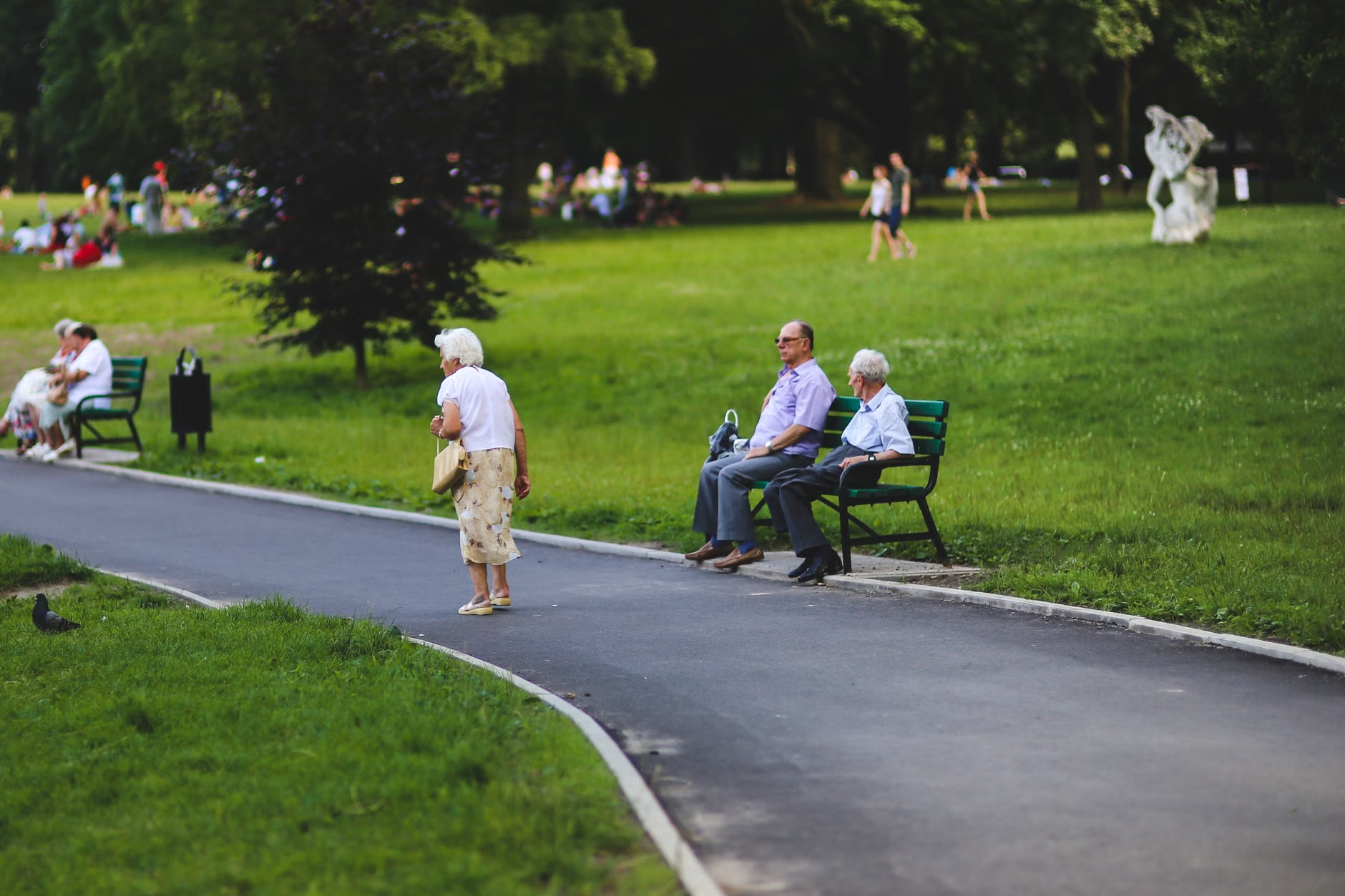
A garden might be “accessible,” but if the distance from the entrance to the first major attraction is one kilometer without a bench, it is not optimized for your comfort. Look for gardens that feature:
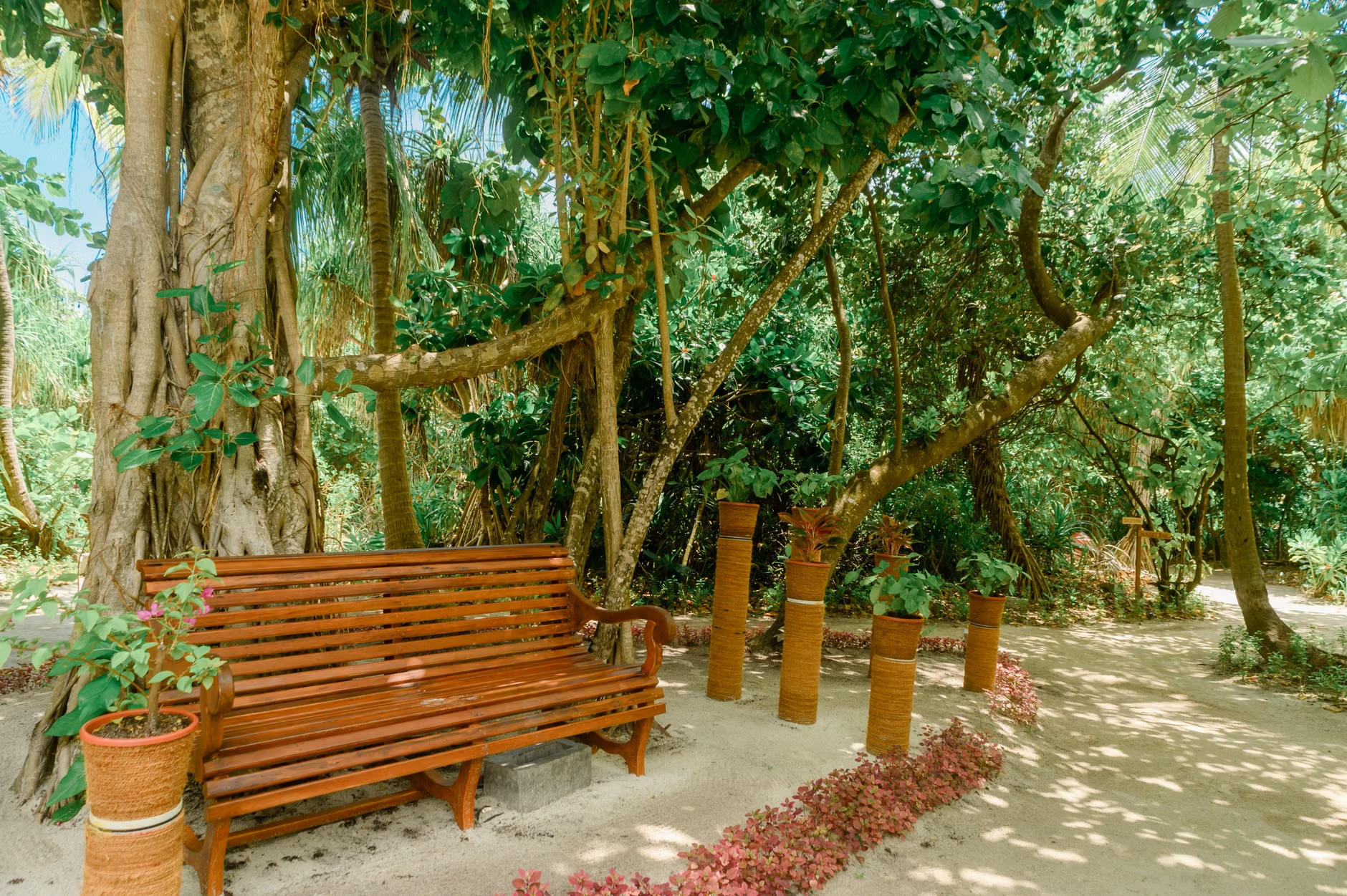
- Frequent Seating: Ideally, benches should be placed every 50 to 100 meters.
- Restroom Proximity: In tropical environments, hydration is essential. Ensure that restrooms are not only available but located within a short, flat distance from the main walking paths.
- Shade Coverage: Direct tropical sun can cause rapid fatigue. Check if the primary pathways are canopied by trees or if there are man-made structures providing shade throughout the route.
Managing Tropical Climates: The “Rest-Active-Rest” Strategy
The tropical climate—characterized by high temperatures and high humidity—affects older adults differently. Humidity reduces the body’s ability to cool itself through sweat, which can increase the risk of overheating. A “Rest-Active-Rest” strategy is a professional-grade approach to maintaining your health while exploring.
The Physiology of Tropical Fatigue
When you are in a high-humidity environment, your body works harder to maintain a stable internal temperature. This metabolic demand, combined with the physical exertion of walking, can lead to “hidden exhaustion.” You might feel fine for the first 30 minutes, only to realize that your energy levels have plummeted suddenly.
| Time Segment | Activity Level | Recommendation |
|---|---|---|
| First 30 Mins | Light Activity | Walk at a slow pace; assess your breathing and heart rate. |
| 30–45 Mins | Mandatory Rest | Find a shaded bench; rehydrate; check for signs of dizziness. |
| 45–75 Mins | Moderate Activity | Proceed only if energy levels are stable; prioritize flat paths. |
| Post-75 Mins | Exit or Return | Head toward the exit or a climate-controlled cafe. |
This table suggests a pacing model. If you find that you need to rest before the 30-minute mark, your itinerary should be adjusted to include more frequent stops or the use of motorized transport if available.
Practical Steps for a Successful Garden Visit
Preparation is the difference between a stressful ordeal and a pleasant day out. Follow these steps to ensure your visit goes smoothly.
Step 1: Contacting Guest Services
Do not rely solely on the website. Call the garden’s visitor center two weeks before your visit. Ask these three specific questions:
- “Is there a shuttle or golf cart service for visitors with limited mobility, and do I need to reserve it in advance?”
- “Are there any sections of the garden that are currently under construction or have blocked paths?”
- “What is the average walking distance from the main entrance to your most popular attraction?”
Step 2: Equipping Yourself for the Environment
Your gear should focus on stability and cooling.
- Footwear: Wear shoes with excellent grip. Tropical gardens, even when paved, can become slippery due to moss, dew, or sudden rainfall.
- Mobility Aids: If you use a cane or walking pole, ensure it has a rubber tip for traction. If you are considering a wheelchair, check if the garden offers rentals on-site, which saves you the trouble of transporting your own.
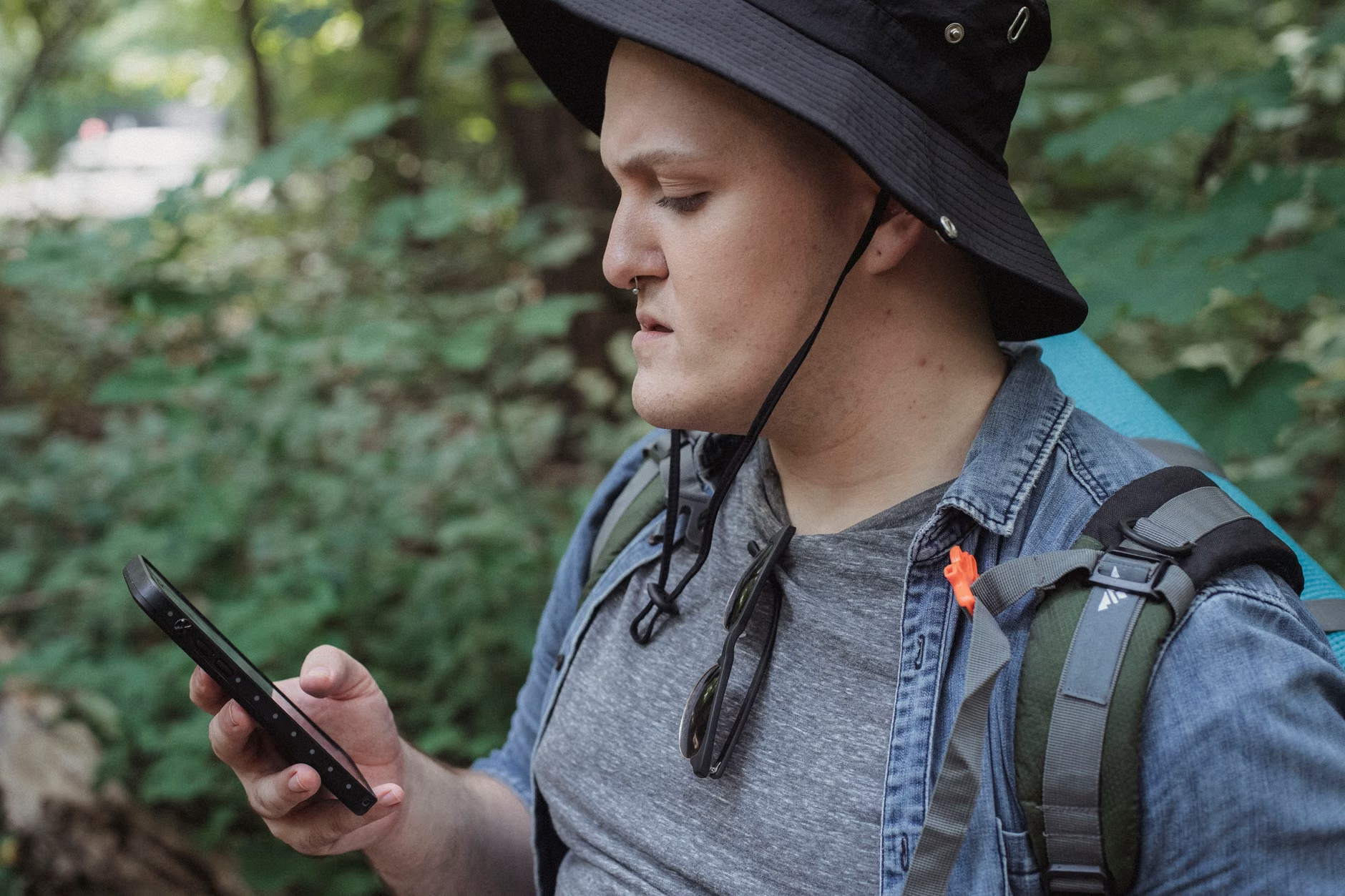
- Hydration and Protection: Carry a lightweight, insulated water bottle. Use a wide-brimmed hat and lightweight, breathable fabrics that cover your skin to prevent sunburn without trapping heat.
Understanding When to Seek Professional Advice
While visiting a garden is a leisure activity, it is important to be aware of your physical limitations. If you have underlying cardiovascular conditions, respiratory issues, or take medications that affect your heat tolerance, consult with your primary healthcare provider before planning a trip to a high-humidity region.
Warning Signs to Stop: If you experience excessive lightheadedness, a racing heart rate, or confusion, stop immediately. These can be early indicators of heat-related illness. Move to a cooler, shaded area and seek assistance from garden staff. Most modern botanical gardens have trained first-aid personnel on-site; do not hesitate to ask for help if you feel your stamina flagging.
The Hidden Variables: What Most Travelers Overlook
One of the most overlooked variables in tropical travel is the “mid-day humidity spike.” In many tropical regions, humidity levels are highest between 11:00 AM and 2:00 PM. Even if the temperature doesn’t feel drastically different, the “feels like” temperature (heat index) is significantly higher. By planning your garden visits for the early morning (opening time) or late afternoon, you can avoid the most taxing part of the day.
Another factor is the “audio-visual” distraction. Many seniors find themselves looking at the flowers and trees, forgetting to watch their footing. The visual complexity of a jungle-like garden can mask changes in the path’s grade. Always stop walking entirely if you want to take a photo or admire a specific plant. Multi-tasking while walking in a garden is a leading cause of minor trips and falls.
Conclusion: Crafting Your Own Pace
Visiting a tropical garden should be a sensory experience, not a marathon. By choosing locations with well-maintained paths, respecting the physiological demands of the climate, and planning your rest stops in advance, you can enjoy the beauty of nature without compromising your safety or comfort. Remember, the best garden tours are the ones where you return home feeling energized, not exhausted. Take your time, stay hydrated, and enjoy the scenery at your own rhythm.
Frequently Asked Questions (FAQ)
1. Is it better to bring my own mobility aid or rent one at the garden?
If you have a mobility aid you are accustomed to, such as a specific cane or a custom-fitted wheelchair, it is usually better to bring it. However, many larger botanical gardens offer high-quality, garden-specific wheelchairs or golf carts that are better suited for their specific terrain. Always call ahead to confirm availability and whether the service is free or requires a fee.
2. How can I identify if a tropical garden is truly accessible?
Look for official “Accessibility Maps” on the garden’s website. If they do not provide one, contact their guest services department. A reliable garden will be able to tell you exactly which paths are paved and which are natural, and they should be able to provide details on the steepness of their trails.
3. What should I do if I feel overwhelmed by the heat during a tour?
Stop immediately and move to a shaded area. If the garden has a visitor center, café, or gift shop, these are often air-conditioned and serve as excellent “recovery zones.” Do not attempt to “push through” the fatigue; the humidity can cause your energy levels to drop very quickly. If you are traveling with a group, notify your companions that you need to take a break.
For further information on accessible travel standards, you may refer to the World Tourism Organization (UNWTO) guidelines on accessible tourism, which provide a global perspective on inclusive travel practices.