- Intergenerational housing in 2026 has shifted from experimental pilots to standardized, developer-led models that prioritize both private autonomy and shared social spaces.
- Choosing the right model depends on your balance of need for social engagement versus your requirement for independent, private living space.
- Financial benefits, such as reduced rent or property taxes, are increasingly tied to “service exchange” agreements where residents provide mentorship or light support to neighbors.
By 2026, the concept of “intergenerational housing”—living arrangements that intentionally bring together older adults and younger generations—has moved well beyond the experimental phase. As global populations age and housing costs in urban centers continue to climb, these models are becoming a mainstream solution for addressing social isolation, maintenance burdens, and affordability. This guide explores what these models look like in 2026 and how you can evaluate whether a shared housing arrangement aligns with your lifestyle and financial goals.
In the past, housing options for those aged 60 to 80 were largely binary: remain in a family home or move to a retirement community. Today, the 2026 landscape offers a spectrum of “co-living” environments. These are not merely boarding houses; they are purpose-built or retrofitted properties designed to support independent living while fostering community.
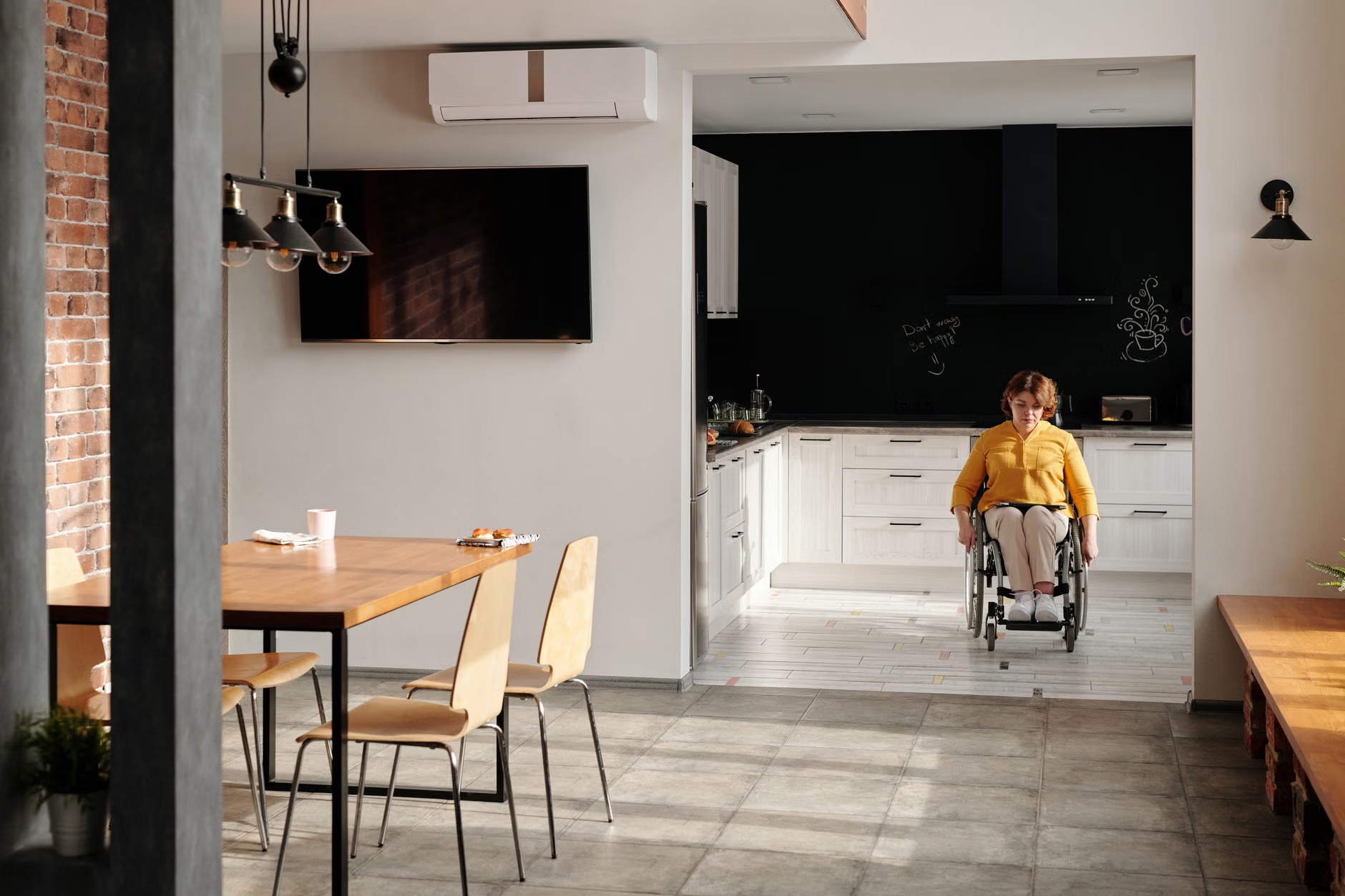
The core philosophy of 2026 models is functional independence with social proximity. Unlike traditional nursing facilities, these environments allow residents to maintain their own private living quarters—often a studio or one-bedroom apartment—while sharing common amenities like kitchens, gardens, workshops, or study areas with students, young professionals, or young families.
Why This Matters for Your Daily Life
The primary driver for the growth of these models is the mutual benefit of “resource pooling.” For an older adult, this might mean having a younger neighbor who can assist with heavy lifting, basic technology troubleshooting, or simply providing a sense of security through presence. For younger residents, it often means lower rent in exchange for a commitment to spend a certain number of hours per month “community building” or providing light assistance. This shift turns a living space into a reciprocal ecosystem.
Evaluating the Four Main Models of 2026
Not all intergenerational housing is the same. Understanding the structure of these agreements is essential before you commit to a lifestyle change.
| Model | Core Characteristic | Best For |
|---|---|---|
| The Co-Living Complex | Purpose-built apartments with shared social hubs. | Those who want privacy but desire built-in social activities. |
| Home Share Programs | Living in a room within a private family home. | Those seeking a “family-like” environment and lower costs. |
| University-Integrated Housing | Living on or near campus with student neighbors. | Those who enjoy lifelong learning and high-energy environments. |
| Co-Housing Communities | Resident-managed, democratically run housing. | Those who want to be deeply involved in neighborhood governance. |
When selecting a model, consider your stamina for social interaction. A co-housing community requires active participation in meetings and chores. If you prefer a “lock-and-leave” lifestyle where you have your own space without the responsibility of management, a professional co-living complex is a more suitable choice.
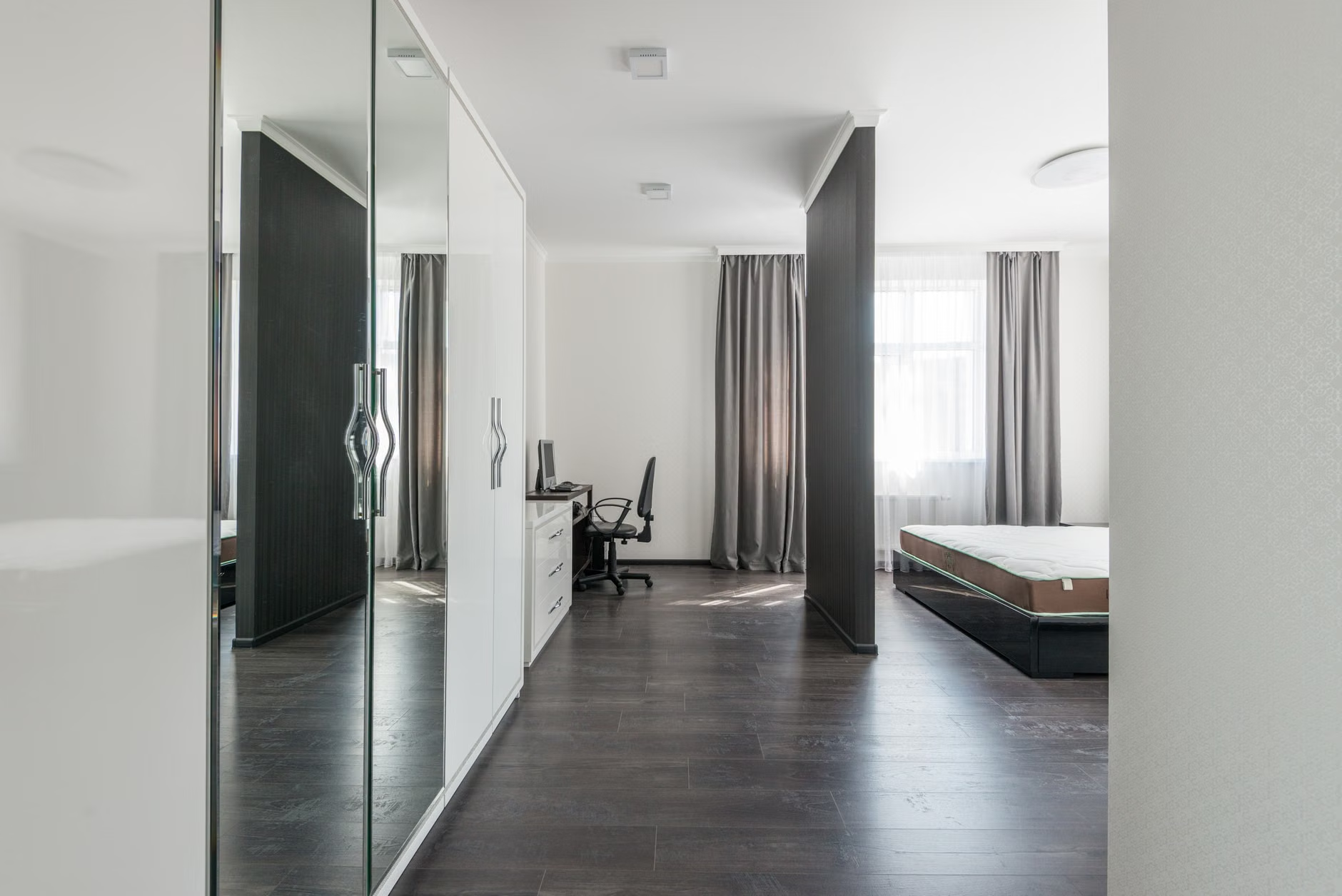
Transitioning into a shared living environment in 2026 requires more than just packing boxes; it requires a shift in mindset regarding boundaries and community expectations. If you are considering this move, follow this structured approach:
1. Define Your “Must-Haves” vs. “Nice-to-Haves”
Before touring properties, list your non-negotiables. Is a private bathroom a requirement? Is proximity to public transit essential? In 2026, many newer developments offer “smart home” features—ensure these are compatible with your existing technology or that the facility provides adequate training.
2. Assess the “Service Exchange” Agreement
Many intergenerational models include a social contract. Check the fine print: Is the “community time” voluntary, or is it contractually mandated? A contract that requires you to provide 10 hours of “mentorship” per week may feel like a burden rather than a benefit if your health or energy levels fluctuate.
3. Legal and Financial Due Diligence
Always verify the regulatory status of the housing provider. In many jurisdictions (such as the UK, Canada, and parts of the EU), these arrangements fall under “shared tenancy” laws. Ensure you understand your rights regarding notice periods, rent increases, and the process for resolving disputes with neighbors.
Hidden Challenges and How to Mitigate Them
While the benefits are significant, it is important to be realistic about the potential friction points in shared living.
- Noise and Lifestyle Differences: Younger residents may have different sleep schedules or noise tolerances. Look for buildings with high-quality soundproofing between units.
- Maintenance Expectations: In co-housing, you are often expected to contribute to building maintenance. If you are not physically able to garden or clean common areas, verify if the management covers these tasks or if you can pay a fee to opt out.
- Dependency Creep: A common mistake is assuming your younger neighbor will act as a caregiver. These arrangements are for independent living. If you require professional medical support, ensure the facility has clear policies on how outside caregivers are vetted and allowed into the building.

The Future of Age-Friendly Urban Design
By 2026, many cities are integrating “universal design” into these housing models. This means wider hallways, step-free access, and high-contrast lighting that accommodates changing vision. When evaluating a location, look for these features as indicators of the management’s commitment to long-term resident comfort.
Furthermore, digital public services are now often integrated into these housing hubs. In some regions, community centers within these complexes offer on-site telehealth pods or digital literacy training, specifically designed to help older adults navigate online banking and healthcare portals. If you are technically inclined, prioritize properties that offer these high-speed digital infrastructure perks.
Conclusion: Is Intergenerational Living Right for You?
The decision to move into an intergenerational housing model is fundamentally a decision about how you wish to spend your next decade. It is a choice to prioritize connection over isolation and adaptability over stagnation. By 2026, the options are more robust than ever, but they demand a high level of clarity regarding what you are willing to share and what you need to keep private.
Start by researching local “Home Share” non-profits or university-linked housing programs in your area. Speak to current residents if possible—most will be happy to share the reality of the day-to-day dynamic. Remember, the goal is not to find a “perfect” home, but a living environment that supports your independence while enriching your daily life through meaningful, cross-generational connection.
Frequently Asked Questions
- 1. Are these housing models more affordable than traditional senior living?
- Often, yes. Because these models prioritize communal space over private square footage, they are frequently cheaper. However, always compare the “all-in” costs, including service fees and any community contributions, rather than just the monthly rent.
- 2. What happens if I require more health support in the future?
- Most intergenerational models are designed for independent living. If your health needs change, you may need to supplement your living arrangement with external home-care services. Always ask the management company for their policy on third-party caregivers entering the building.
- 3. How do I vet the younger residents in these programs?
- Reputable intergenerational housing organizations perform background checks and interviews for all residents. When considering a program, ask them directly about their screening process and how they resolve personality or behavioral conflicts between residents.
For further reading on housing rights and senior living regulations, consult your local government’s housing authority website or regional aging-in-place resources, such as the AARP Housing resources (USA) or the Age UK housing advice (UK).