- Prioritize Contrast: By 2026, the focus has shifted from mere brightness to “contrast-rich” lighting, which helps older eyes distinguish textures and edges, significantly reducing trip-and-fall hazards.
- Circadian Regulation: Modern lighting systems now emphasize “spectral tuning,” which uses cooler light during the day to boost alertness and warmer, amber-toned light at night to support natural sleep cycles.
- Layered Safety: Effective age-inclusive lighting requires a three-layer approach: ambient, task, and accent/safety lighting, each serving a specific physiological need for comfort and navigation.
The Evolution of Age-Inclusive Lighting in 2026
As we approach 2026, the global approach to home lighting for adults aged 60 to 80 has undergone a fundamental shift. No longer viewed as a simple aesthetic choice, lighting is now recognized as a critical component of public health and independent living. Research from organizations like the Illuminating Engineering Society (IES) and global geriatric health initiatives has clarified that as our eyes age, they require more light to perceive the same level of detail, yet they are simultaneously more sensitive to glare and contrast changes.
The 2026 trend is defined by “Human-Centric Lighting” (HCL). This approach moves away from uniform, flat lighting toward dynamic environments that adapt to the time of day and the specific task at hand. For the aging population, this transition is not just about convenience; it is about autonomy. Proper lighting reduces the cognitive load required to navigate a home, minimizes the risk of falls—the leading cause of injury-related hospitalizations in this age group—and helps maintain a stable sleep-wake cycle.
In this guide, we explore how to translate these global trends into your daily living space. We will move beyond jargon to focus on practical, actionable steps that you or your family can implement to make your home safer, more comfortable, and visually intuitive.
Understanding the Physiological Needs of Aging Eyes
To understand why lighting trends are changing, we must first understand how our vision evolves. Between the ages of 60 and 80, the pupil typically becomes smaller, allowing less light to reach the retina. Furthermore, the lens inside the eye may yellow or become less transparent, which filters out blue light and makes distinguishing between similar colors—like a cream-colored rug on a light wooden floor—increasingly difficult.
The “Contrast” Imperative
The most significant trend for 2026 is the prioritization of visual contrast over raw intensity. Many older adults believe that simply installing “brighter” bulbs is the solution. However, high-intensity bulbs often create harsh glare, which can be even more debilitating than dim light. Glare on polished floors or reflective surfaces can create “phantom” obstacles, leading to missteps.
Instead, the current gold standard is to provide high-contrast, diffused light. This means illuminating the edges of steps, the transitions between rooms, and the surfaces of countertops so that the boundary of an object is clearly visible. If you are struggling to see where a step ends, it is likely not a lack of light, but a lack of contrast between the tread and the riser.
The Circadian Connection
Our internal body clock, or circadian rhythm, is heavily influenced by light exposure. In 2026, we see a widespread adoption of “tunable white” LED technology. During the morning and afternoon, exposure to cooler, bluish-white light helps suppress melatonin and maintain alertness. As the evening approaches, transitioning to warmer, amber-toned light signals to the body that it is time to wind down. For those prone to insomnia or sleep fragmentation, this simple adjustment in lighting temperature is one of the most effective non-pharmacological interventions available.
The Three-Layer Lighting Framework for Every Room
Professional interior designers and accessibility experts now recommend a “three-layer” approach to lighting. By ensuring every room in your home contains these three elements, you create a robust safety net that adapts to your needs.
| Layer | Purpose | Practical Example |
|---|---|---|
| Ambient | General, shadow-free illumination | Ceiling-mounted LED panels that spread light evenly. |
| Task | Focused light for specific activities | Adjustable desk lamps or under-cabinet strips. |
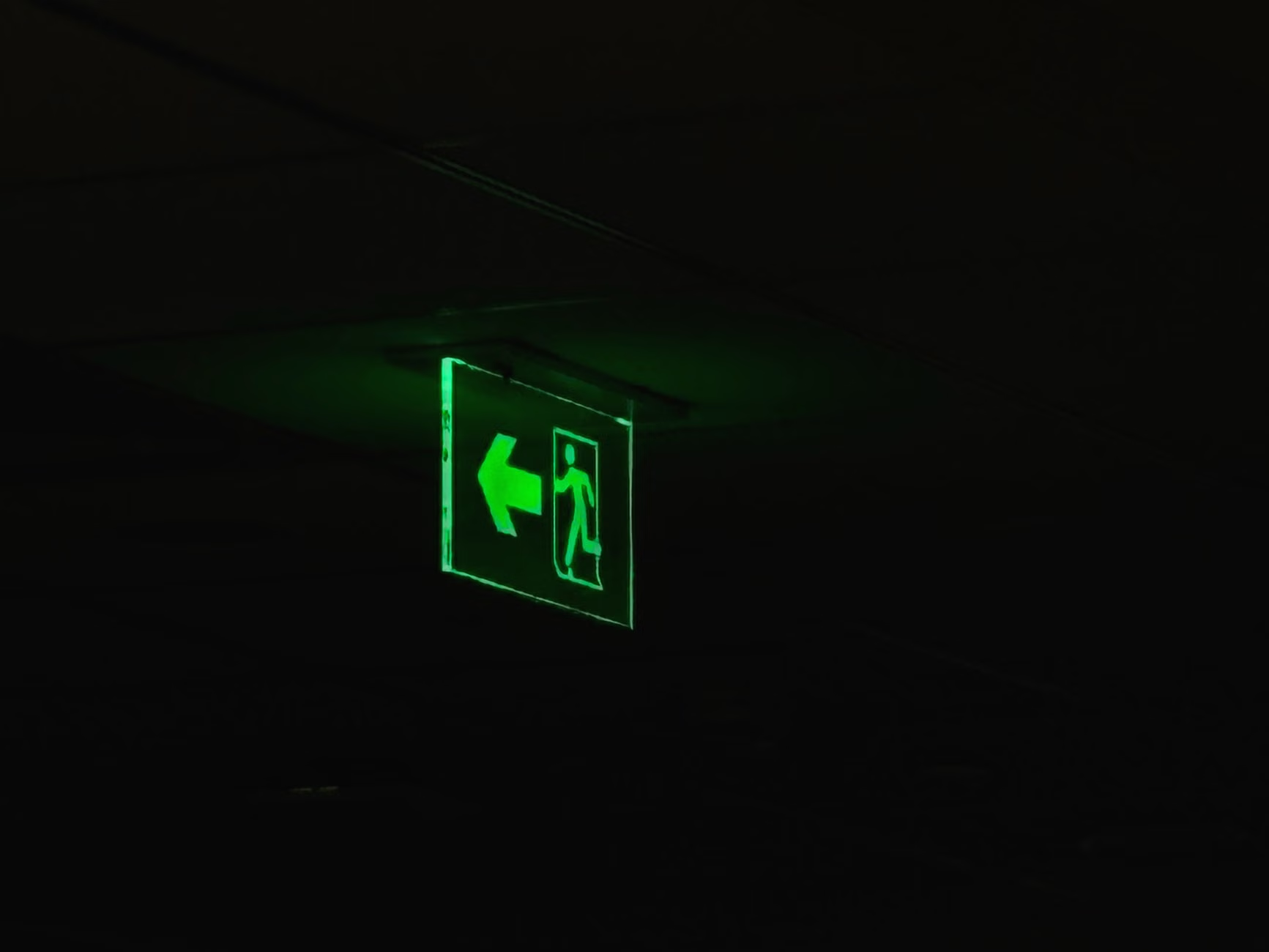
| Safety/Accent | Navigation and depth perception | Floor-level motion sensor lights in hallways. |
Implementing Ambient Lighting
Ambient lighting should be broad and diffused. Avoid “spotlight” style recessed cans that create dark circles on the floor. In 2026, the trend is toward “indirect lighting,” where light bounces off the ceiling or walls to eliminate sharp shadows. If you are renovating, look for fixtures with a high Color Rendering Index (CRI)—ideally 90 or above. A high CRI ensures that colors look natural, which is essential for identifying medications, reading labels, or simply feeling comfortable in your space.
The Importance of Task Lighting
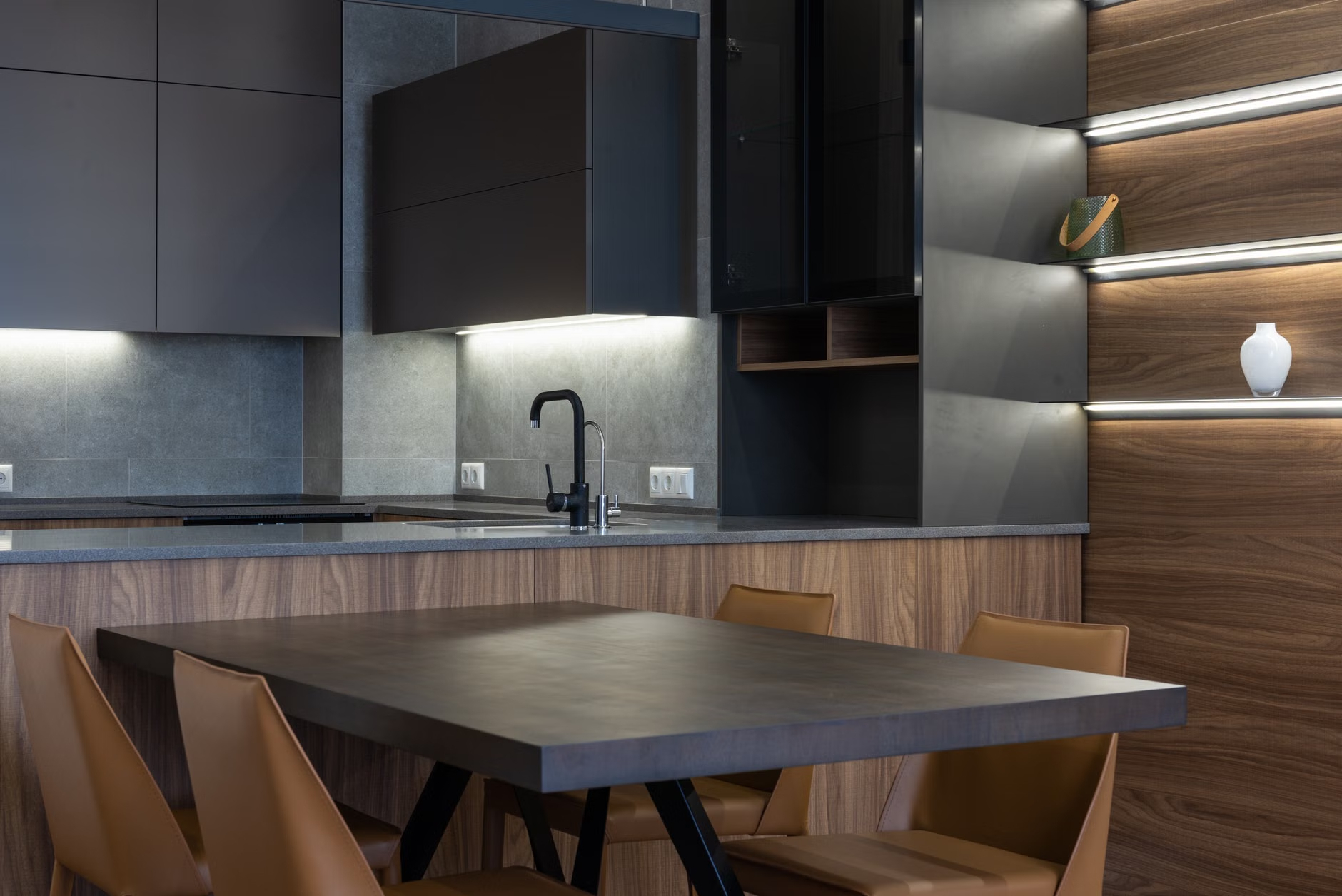
Task lighting is where you need the most control. Whether you are sewing, reading, or preparing food, you need a light source that can be moved or adjusted. The “hidden” danger in many kitchens is the overhead light located behind the person standing at the counter. This casts your own shadow over your hands and the knife or appliance you are using. The 2026 solution is simple: under-cabinet LED strips. These provide direct, shadow-free illumination exactly where you need it most.
Safety Lighting: The Nighttime Strategy
The most critical area for safety is the path from the bedroom to the bathroom. Many falls occur in the middle of the night when the eye is transitionally adjusting from total darkness to sudden, bright overhead light. This “blinding” effect can cause momentary disorientation. The trend for 2026 is the use of low-level, motion-activated floor lighting. These lights should be warm in color and placed low to the ground to illuminate the floor without casting glare into your eyes.
Practical Steps for Upgrading Your Home Lighting
You do not need to perform a full home renovation to benefit from these trends. Small, incremental changes can have a massive impact on your daily quality of life.
- Perform a “Shadow Audit”: Walk through your home at different times of the day. Note any areas where you feel you have to squint or where you feel unsure of your footing. These are your “high-risk” zones.
- Upgrade to Smart Bulbs: If you have high-speed internet, consider “smart” bulbs that allow you to change both brightness and color temperature via a smartphone app or a simple voice command. This allows you to “tune” your house to your needs without needing a ladder to change fixtures.
- Install Motion Sensors: For hallways and bathrooms, replace traditional switches with motion-sensing wall plates. These are inexpensive, require basic screwdriver skills, and ensure you are never left in the dark.
- Use Matte Finishes: If you are painting or buying new furniture, choose matte or satin finishes rather than gloss. Glossy surfaces act as mirrors, reflecting light sources directly into your eyes and causing glare.
Common Mistakes and How to Avoid Them
Even with good intentions, many people make errors that hinder rather than help their vision. Avoiding these common traps is as important as installing new hardware.
Mistake 1: Relying on a Single Light Source
A single, bright center-room light is rarely sufficient. It creates a “cave effect” where the center of the room is bright, but the corners and edges are dark. This lack of peripheral light makes it difficult for the brain to judge depth. Always layer your lighting to ensure the entire volume of the room is illuminated.
Mistake 2: Ignoring Color Temperature
Bulbs are sold with a “Kelvin” (K) rating. 2700K is a warm, candle-like yellow, while 5000K is a stark, daylight blue. Using 5000K bulbs in a bedroom can disrupt your sleep, while using 2700K in a workspace can make it difficult to focus. Use 3000K for living spaces and 4000K for kitchens and bathrooms for the best balance of comfort and utility.
Mistake 3: The “Glare Trap”
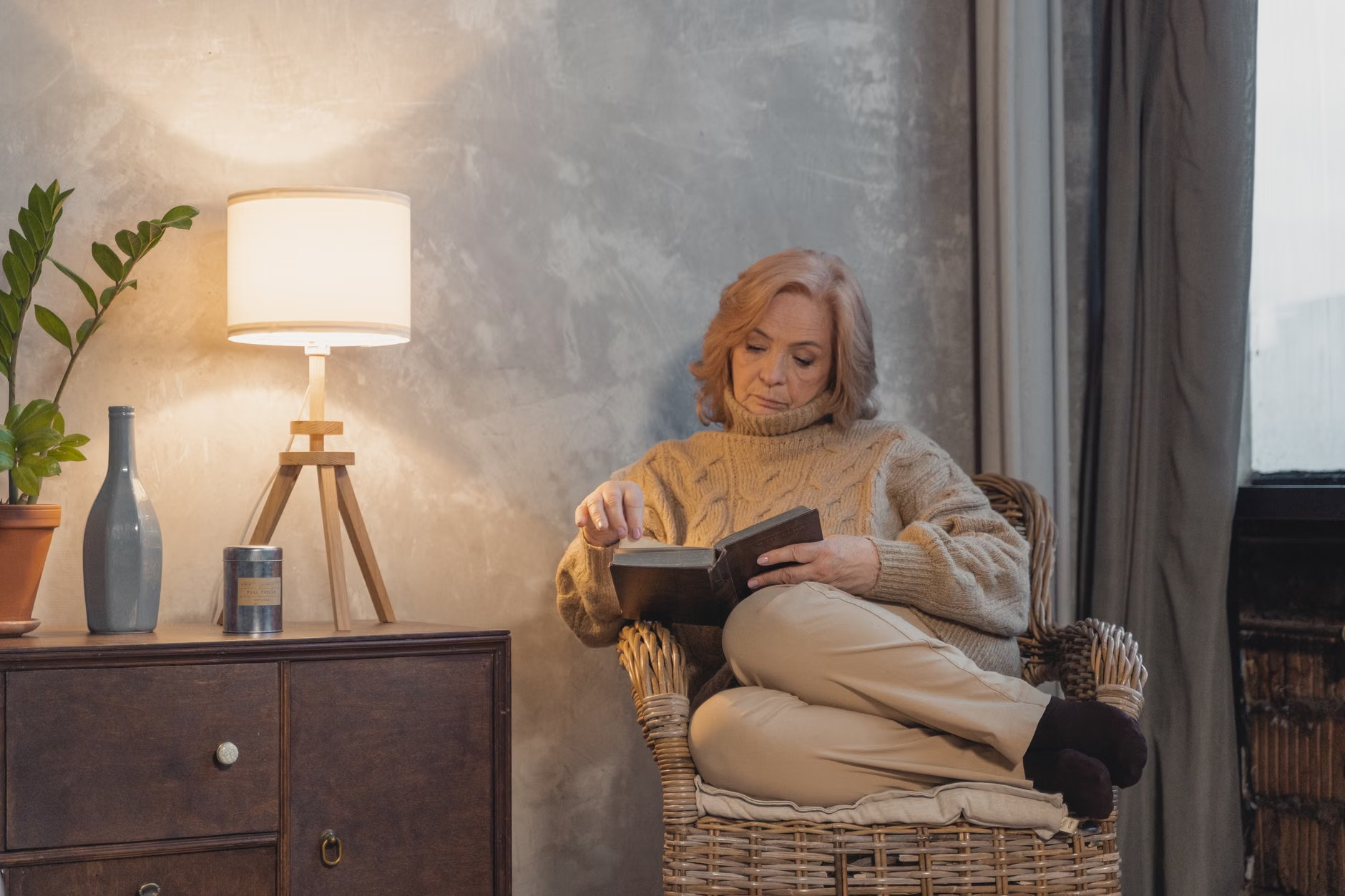
If you see a bright reflection of your lightbulb on a television screen, a polished table, or a glass-fronted cabinet, you have a glare trap. This is a primary cause of eye fatigue. Use lampshades to diffuse the light, or adjust the angle of the lamp so the light hits the task surface, not your eyes or reflective surfaces.
Professional Guidance and When to Seek Help
If you find that despite improving your lighting, you are still struggling to navigate your home, it may be time to consult with an Occupational Therapist (OT). An OT can conduct a home safety assessment, which often includes a detailed look at lighting, contrast, and trip hazards. They are trained to identify subtle issues that you might have adapted to over time—such as a rug that blends into the floor or a dark hallway corner—that could be contributing to balance issues.
Additionally, if you experience sudden changes in your vision, such as increased sensitivity to glare, halos around lights, or difficulty reading even with adequate lighting, schedule a comprehensive eye exam with an ophthalmologist. These can be early signs of conditions like cataracts or macular degeneration, which are common in the 60-80 age demographic. Early detection is vital for managing these conditions and maintaining your independence.
Conclusion: Empowering Your Daily Life
Lighting is one of the most powerful tools we have to maintain our health, safety, and independence as we age. By moving away from a “one-size-fits-all” approach and embracing the 2026 trends of high-contrast, layered, and circadian-aware lighting, you can transform your home into a space that actively supports your wellbeing.
Start small. Perhaps this week, you install a motion-sensor light in your hallway or replace a harsh, high-glare bulb with a warmer, diffused LED option. These are not merely home improvements; they are investments in your ability to move through your world with confidence and clarity. Remember, the goal of age-inclusive design is not to make your home look clinical, but to make it work harder for you, so you can spend less energy navigating your environment and more energy enjoying your day.
Frequently Asked Questions (FAQ)
Q: Are “smart” lighting systems difficult to set up for someone who isn’t tech-savvy?
A: While they can be advanced, most modern smart lighting (like plug-and-play bulbs) is designed for simplicity. You generally just screw in the bulb, download an app, and follow the on-screen instructions. If you prefer not to use an app, many systems now come with simple remote controls or can be paired with voice-activated smart speakers for hands-free operation.
Q: Does the “blue light” from modern LED bulbs actually damage the eyes?
A: There is no clinical evidence that the levels of blue light emitted by standard, consumer-grade LED bulbs cause physical damage to the human eye. However, cool-toned (blue-heavy) light can interfere with sleep if used right before bed. The recommendation to use warmer light in the evening is based on circadian rhythm support, not physical eye safety.
Q: What is the best way to handle lighting for stairs?
A: Stairs require high-contrast lighting. Ideally, you should have a light source at both the top and bottom of the staircase. The best 2026 solution is to install “step lights”—small, recessed fixtures in the wall near the floor at every second or third step. This illuminates the tread of each step without creating glare, making the depth of each step clear and easy to navigate.
For further reading on home safety and accessibility standards, you can visit the AARP Livable Communities resource page or the Illuminating Engineering Society (IES) website for technical guidance on lighting design.