- Seated knee circles promote synovial fluid circulation, which is essential for nourishing cartilage and maintaining joint lubrication.
- Safety is paramount: always use a stable, armless chair and ensure your back is supported to isolate the knee movement.
- Consistent, low-intensity movement is more effective for long-term joint health than occasional high-intensity exercise.
The health of your joints, particularly the knees, is fundamental to maintaining independence, mobility, and an active lifestyle as you age. Many adults between the ages of 60 and 80 find that joint stiffness, particularly in the morning or after periods of inactivity, becomes a common challenge. One of the most effective, low-impact ways to address this is through seated knee circles—a simple yet highly functional exercise designed to promote joint lubrication and maintain a healthy range of motion.
This guide provides a deep dive into the mechanics of the knee joint, the science behind synovial fluid, and a step-by-step approach to performing knee circles safely and effectively in your own home.
Understanding the Mechanics: Why Knees Need Lubrication
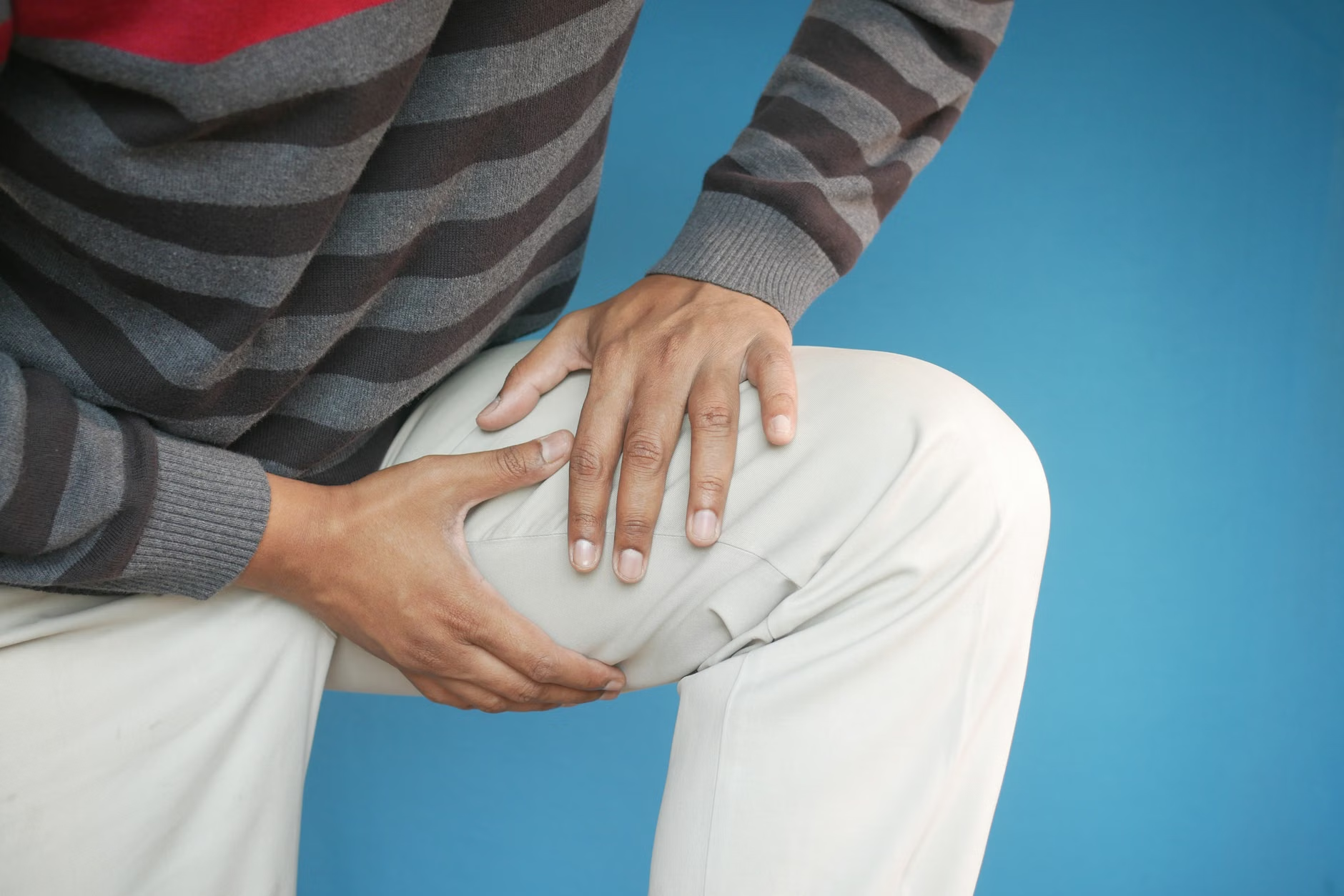
To understand why a simple movement like a knee circle is beneficial, we must look at the anatomy of the knee. The knee is a hinge joint, but it also features complex rotational elements. Between the bones—the femur (thigh bone) and the tibia (shin bone)—lies cartilage, which acts as a shock absorber. This cartilage relies on a substance called synovial fluid for its health.
What is Synovial Fluid? Synovial fluid is a viscous, egg-white-like substance found in the cavities of synovial joints. Its primary role is to reduce friction between the articular cartilage during movement. Think of it like oil in a car engine; without it, the parts would grind against each other, leading to wear and tear.
Why It Matters for Seniors: As we age, the production of synovial fluid can decrease, and the cartilage itself may become less resilient. When we remain sedentary for long periods—such as sitting in a chair for hours or sleeping—the synovial fluid can become thicker and less effective at lubricating the joint. This is often why you may feel “stiff” when you first stand up. By performing controlled, repetitive movements like knee circles, you are physically “pumping” this fluid through the joint capsule, ensuring that nutrients reach the cartilage and that the joint remains mobile.
Preparing for Your Session: Setting Up for Success
Before beginning any mobility work, preparation is essential. The goal is to perform the exercise in a way that minimizes strain on other parts of your body, such as your lower back or hips.
1. Choosing the Right Chair
Not all chairs are created equal for exercise. Avoid swivel chairs or chairs with wheels, as these can slip during movement. A sturdy, non-slip dining chair or a firm armchair is ideal. Ensure your feet can rest flat on the floor; if the chair is too high, use a small stool or a thick book under your feet.
2. Establishing Proper Alignment
Sit toward the front edge of the chair. Keep your back straight, engaging your core muscles slightly to support your spine. Your shoulders should be relaxed, and your gaze should be forward. This alignment ensures that the focus of the movement remains on the knee joint rather than compensating with your hips or ankles.
3. Assessing Your Physical Readiness
If you have recently undergone knee surgery, are experiencing acute pain, or have been advised by a physician to avoid certain types of movement, you must consult with your healthcare provider before starting this routine. This exercise is preventive and maintenance-focused; it is not a rehabilitation program for acute injuries.
Step-by-Step Execution: How to Perform Seated Knee Circles
Perform these movements slowly. The goal is not speed, but consistent, smooth motion through the available range of your joint.
| Step | Action | Key Focus |
|---|---|---|
| 1 | Lift one foot slightly off the floor. | Keep your thigh engaged but not tense. |
| 2 | Support the underside of your thigh with your hands. | Reduces strain on the hip flexor. |
| 3 | Begin small, controlled circles with your lower leg. | Initiate from the knee joint, not the ankle. |
| 4 | Perform 5-10 circles in one direction, then switch. | Maintain a slow, steady rhythm. |
If you find that your knee feels “stuck” or you hear a clicking sound (crepitus), do not be alarmed. This is often just the movement of gas bubbles or tendons shifting over bone. However, if the clicking is accompanied by sharp pain, stop immediately and reduce the size of your circles.
Common Mistakes and How to Avoid Them
Even with simple exercises, common errors can diminish the effectiveness of the movement or lead to discomfort elsewhere.
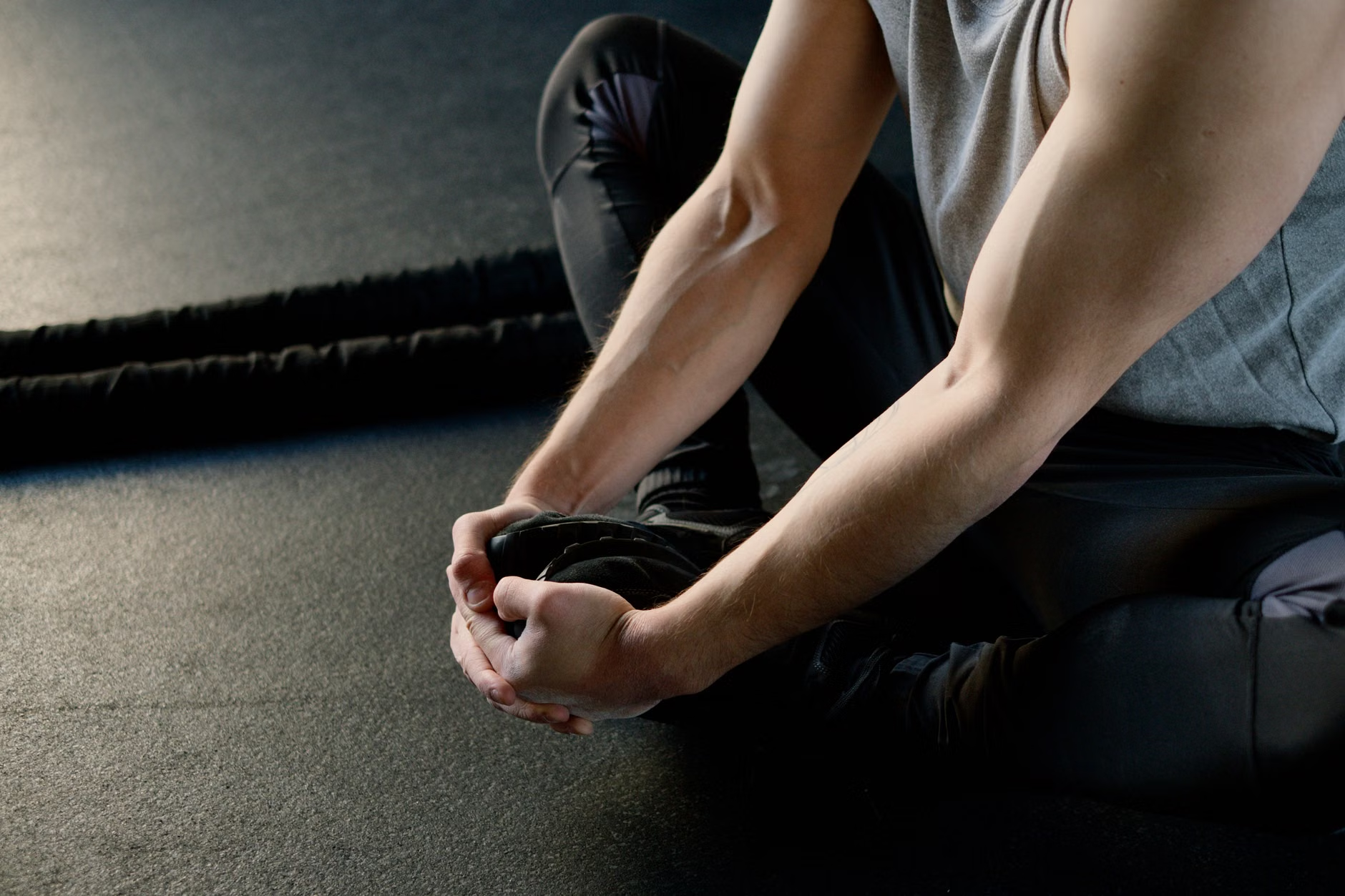
- Moving the Thigh: A common mistake is moving the entire thigh in a circle. This turns the movement into a hip exercise. Keep your thigh as still as possible; the movement must originate from the knee joint.
- Holding Your Breath: Many people unconsciously hold their breath while concentrating. Ensure you are breathing rhythmically—inhale as you extend, exhale as you contract.
- Forcing Range: There is a temptation to make the circles as large as possible. This is counterproductive. Start with small, comfortable circles. As you become more familiar with the movement, your natural range of motion will likely improve on its own.
Integrating Movement into Your Daily Routine
The effectiveness of joint lubrication is cumulative. Performing this exercise once a week will provide minimal benefit compared to performing it once or twice daily. Because this exercise is seated and requires no equipment, it is highly adaptable to a busy schedule.
Recommended Daily Schedule
Consider performing these circles during natural “sedentary breaks.” For example, if you are reading a book or watching television, set a timer for every 30 minutes. When the timer goes off, pause your activity, perform five circles on each leg, and then continue. This mimics the natural movement patterns of a more active lifestyle and prevents the “stiffness cycle” that occurs during prolonged sitting.
Insight: Many people overlook the importance of the ankle in this movement. While the focus is the knee, your ankle should remain relaxed. If your ankle is rigid, it can transfer tension up the shin bone to the knee. Keep your foot loose throughout the exercise.
When to Seek Professional Guidance
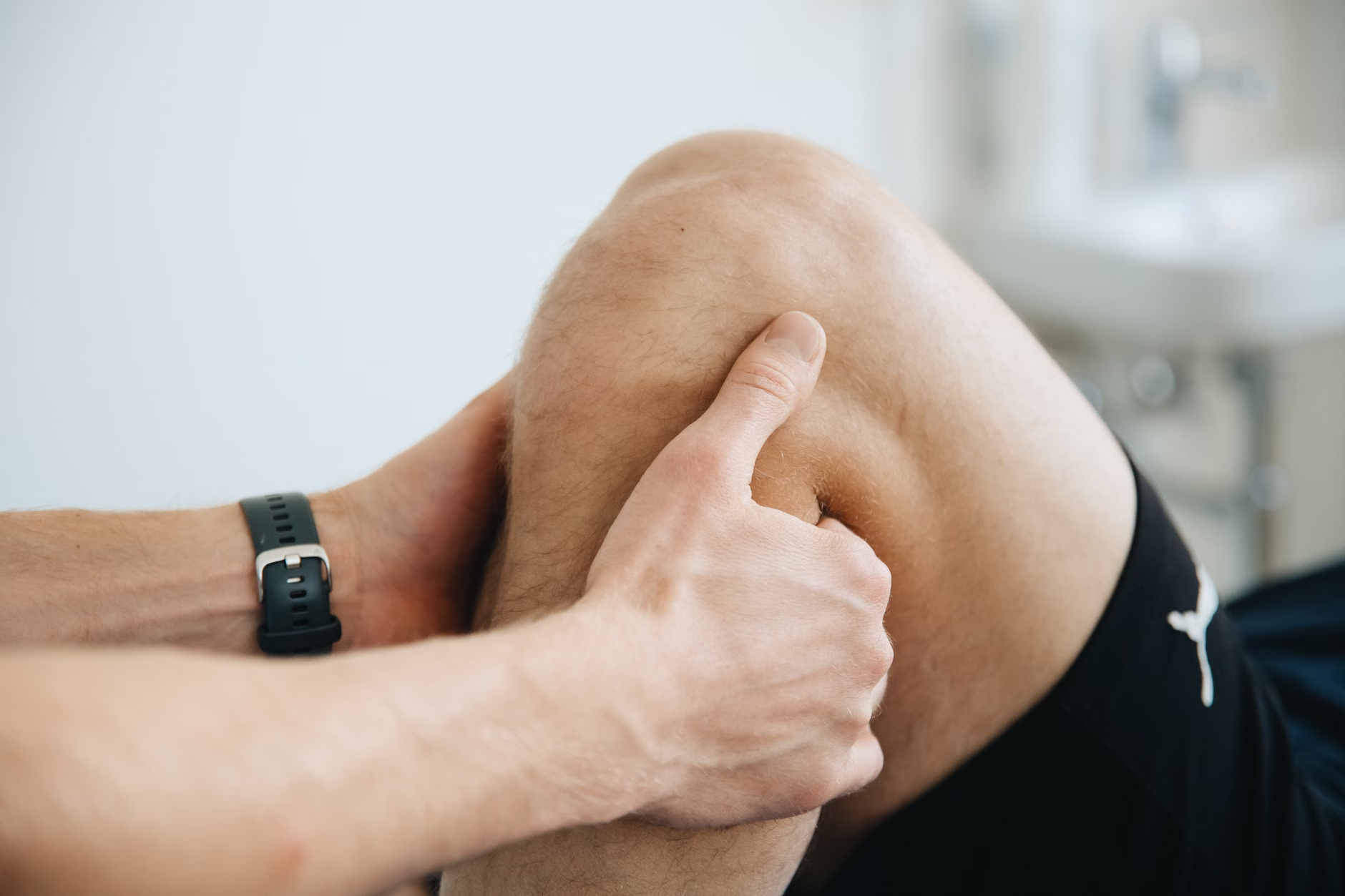
While seated knee circles are a safe preventive measure, they are not a substitute for medical intervention if you are experiencing persistent joint issues. You should consult a physiotherapist or a medical professional if you notice any of the following:
- Persistent Swelling: If your knee remains swollen for more than 24 hours, this may indicate an underlying inflammatory issue.
- Giving Way: If your knee feels unstable or feels like it is going to “collapse” when you put weight on it, this requires a professional evaluation of your ligaments and structural integrity.
- Locking: If your knee becomes physically stuck in one position and requires manual manipulation to move again, this is a mechanical issue that needs diagnostic imaging.
When preparing for a medical appointment regarding joint health, bring a written log of your symptoms. Note when the pain occurs (e.g., “only in the morning,” “after walking for 10 minutes”), what makes it better (e.g., “sitting down,” “using a heating pad”), and any activities you have recently changed.
Conclusion: The Value of Consistent, Gentle Care
Maintaining joint health as you age is not about high-intensity training; it is about the consistent, gentle maintenance of the body’s mechanical systems. By incorporating seated knee circles into your daily routine, you are taking a proactive step in preserving your synovial fluid quality and keeping your joints lubricated and functional.
Remember that the best exercise is the one you actually perform. Start small, focus on the quality of the movement, and listen to your body. Over time, these small habits build the foundation for continued mobility and independence.
Frequently Asked Questions
Q: Should I feel a stretch in my knee while doing this?
A: You should feel a gentle sense of movement within the joint, but you should not feel a “stretch” in the sense of pulling or straining. If you feel pulling, you are likely moving the joint beyond its comfortable range of motion. Reduce the size of your circles.
Q: Can I perform this exercise while standing?
A: While similar movements can be performed standing, the seated version is specifically recommended for this guide because it removes the requirement of balance. If you are unsteady on your feet, performing this while standing increases the risk of a fall. Stick to the seated version for safety.
Q: How many times a day is too much?
A: There is no strict limit, as this is a low-impact movement. However, if you feel fatigue in the muscles around the knee, take a break. The goal is to keep the joint lubricated, not to build significant muscle mass. A few times throughout the day is usually sufficient for most people.
Disclaimer: This article is for informational purposes only and does not constitute medical advice. Always consult with a healthcare professional before beginning any new exercise regimen, especially if you have existing health conditions.
Official Resources for Further Reading: