- Ergonomics First: Prioritize waist-high containers and lightweight materials to eliminate the need for excessive bending, kneeling, or lifting heavy objects.
- Success Through Simplicity: Start with hardy, low-maintenance plants like herbs or leafy greens to ensure a high success rate and build confidence.
- Consistent Routine: Gardening provides a therapeutic, low-impact physical activity that improves dexterity and mental focus when practiced in short, manageable sessions.
Container gardening is more than a way to grow food or flowers; it is a highly adaptable, therapeutic practice that brings the rhythms of nature directly to your doorstep. For adults aged 60 to 80, it offers a perfect balance of gentle physical activity, cognitive engagement, and the profound satisfaction of nurturing life. Unlike traditional in-ground gardening, container gardening removes the barriers of significant physical labor, making it an ideal leisure activity that can be scaled to any living space, from a small apartment balcony to a spacious patio.
Understanding the Physical and Mental Benefits
Engaging with plants has been shown to reduce cortisol levels and improve mood. For the older adult, the act of gardening is a form of “functional fitness.” It involves fine motor skills when handling seeds or small tools, and light, repetitive movement that keeps joints supple without the strain of high-impact exercise.
The cognitive benefits are equally significant. Planning a garden—considering sunlight, water requirements, and growth cycles—functions as a form of “executive training” for the brain. You are constantly observing, comparing, and adjusting, which keeps the mind sharp and focused on the present moment. Most importantly, it provides a sense of agency. In a world where many aspects of life may feel out of our control, the ability to successfully grow a basil plant or a vibrant marigold provides a tangible, positive outcome that reinforces a sense of accomplishment.
Designing Your Ergonomic Garden Setup
The greatest barrier to gardening for many is the physical toll of bending down or carrying heavy items. By shifting your perspective, you can design a garden that works with your body rather than against it. The goal is to bring the garden to you.
Selecting the Right Containers
Avoid heavy ceramic or clay pots, which can be dangerous to move and difficult to manage. Instead, opt for high-quality plastic, resin, or fabric grow bags. These are lightweight, durable, and often come with built-in handles. Ensure every container has adequate drainage holes; poor drainage is the leading cause of plant failure, as roots need air just as much as they need water.
Elevated Gardening and Vertical Systems
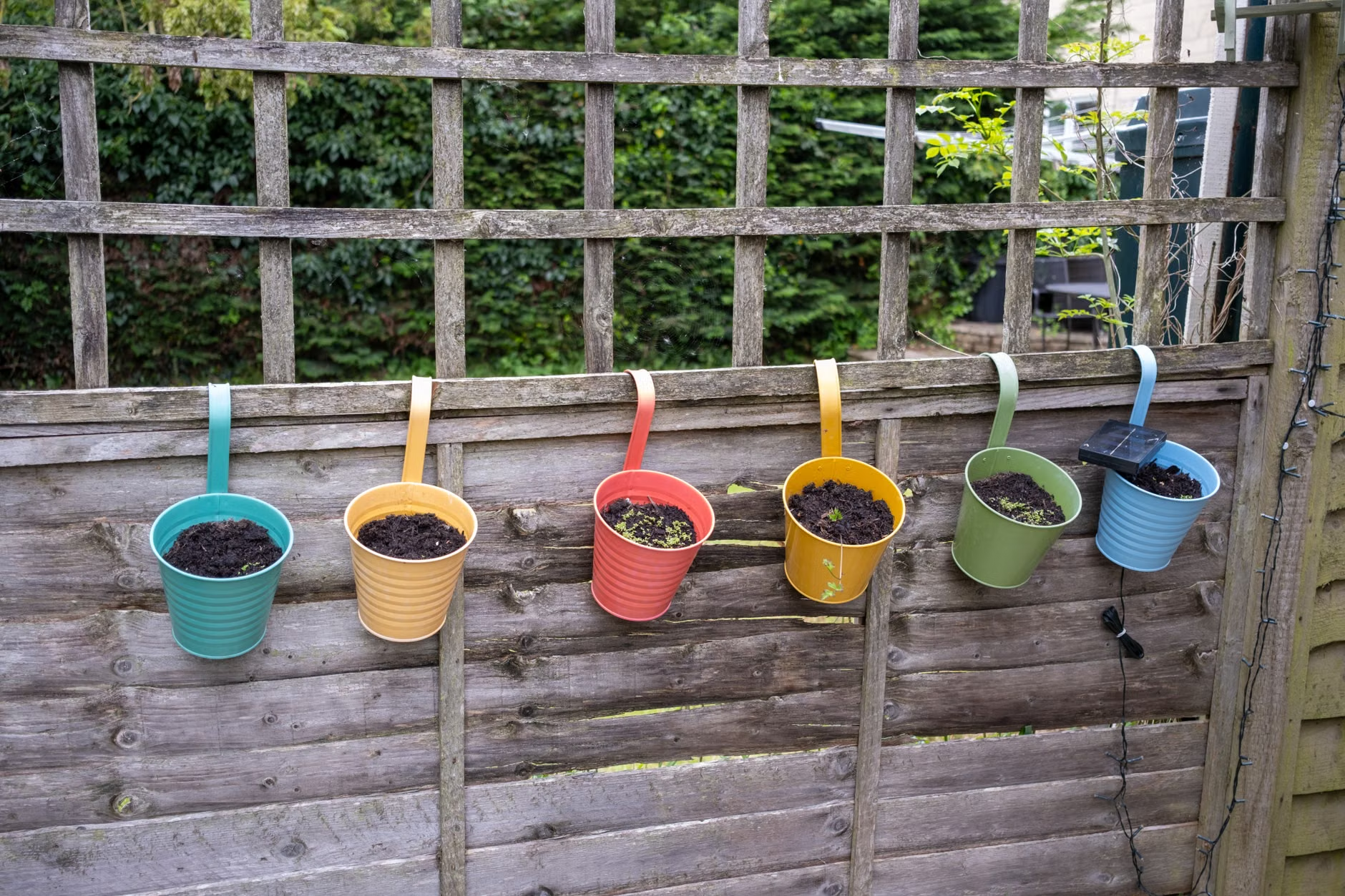
Consider using potting benches or raised stands that bring containers to waist height. This simple adjustment eliminates the need for kneeling or bending, protecting your lower back and knees. Vertical gardening, using wall-mounted planters or tiered shelving, is another excellent way to maximize space while keeping your plants at eye level.
| Container Type | Best Used For | Key Advantage |
|---|---|---|
| Fabric Grow Bags | Vegetables and herbs | Excellent drainage and very lightweight. |
| Rolling Plant Caddies | Large, heavy pots | Allows you to move plants to follow the sun without lifting. |
| Waist-High Planter Boxes | Flowers and leafy greens | Prevents bending and kneeling entirely. |
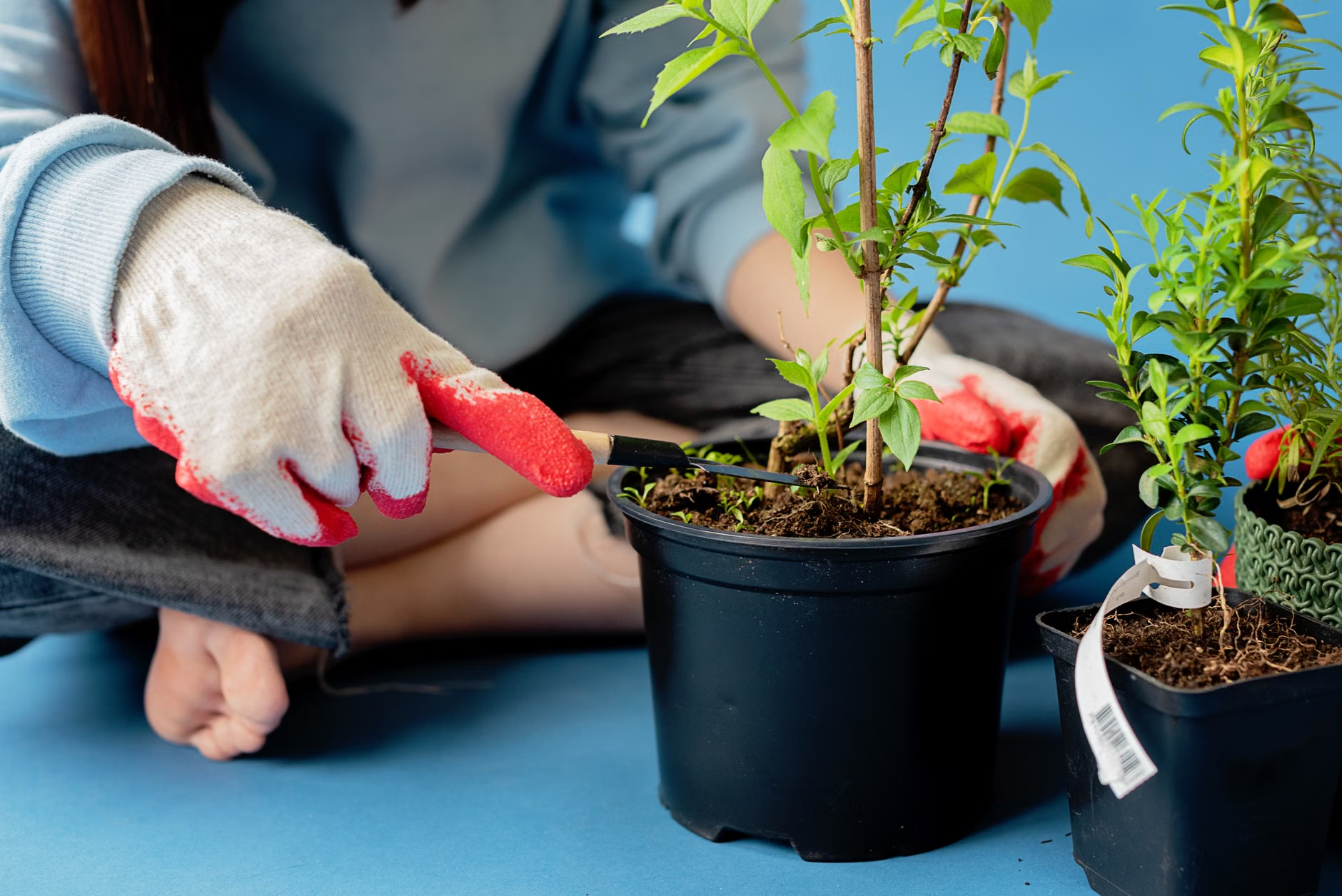
The table above illustrates that the choice of equipment should be dictated by your specific mobility needs. If you experience balance issues, avoid tall, narrow pots that might tip over, and prioritize wider, stable bases. If you have limited grip strength, look for tools with oversized, rubberized handles, which are often marketed as “ergonomic” or “easy-grip” in most hardware stores globally.
Choosing Plants for Success and Enjoyment
A common mistake for beginners is attempting to grow high-maintenance plants that require constant pruning or specific soil conditions. For your first season, focus on plants that are resilient and offer quick rewards.
Recommended Plants for Beginners
- Herbs: Basil, mint, and chives are incredibly hardy. They grow quickly and provide immediate gratification for your kitchen.
- Leafy Greens: Lettuce and spinach grow well in shallow containers and can be harvested leaf-by-leaf, allowing for a continuous supply.
- Marigolds: These are virtually indestructible, provide bright color throughout the season, and naturally deter some garden pests.
When selecting your plants, always check the “hardiness zone” or local climate compatibility. Even in a container, a tropical plant will not survive a northern winter outdoors. If you live in a region with extreme seasonal variations, consider seasonal rotations—planting cool-weather crops like kale in the autumn and heat-loving herbs in the summer.
Managing Water and Soil: The Lifeblood of Your Garden
Container plants rely entirely on you for their hydration. Unlike in-ground plants, which can draw moisture from deep in the earth, containers dry out quickly. A practical rule of thumb is the “finger test”: insert your finger into the soil up to the second knuckle. If it feels dry, it is time to water. If it feels damp, wait a day.
Use high-quality potting mix, not garden soil. Garden soil is too dense for containers and will compact over time, essentially suffocating the roots. Potting mix is formulated to be “fluffy,” allowing oxygen to reach the roots while holding onto just enough moisture. This is a critical distinction that saves many gardeners from the frustration of stunted or dying plants.
Safety and Practical Considerations
Gardening should be a source of joy, not a cause for injury. Always keep your workspace organized. A cluttered balcony or patio with hoses and tools lying on the floor is a significant trip hazard. Use a dedicated bin or wall-mounted rack to store tools immediately after use.
Sun exposure is another factor to manage. While plants love the sun, you must protect yourself. Wear a wide-brimmed hat, apply sunscreen, and ensure you are well-hydrated. If you have high blood pressure or are on certain medications, be mindful of the time of day you choose to garden. Early morning or late afternoon are not only better for the plants—as the water evaporates less quickly—but they are also safer for you to avoid the peak heat of the day.
If you have limited mobility, you might consider automated drip-irrigation kits. These are small, battery-operated systems that attach to your outdoor faucet and deliver a slow, steady stream of water to your pots. They are relatively inexpensive and can be set up in an afternoon, removing the need to carry heavy watering cans altogether.
Common Misconceptions and Troubleshooting
One common myth is that “more fertilizer means more growth.” In reality, over-fertilizing can “burn” the roots of your plants and lead to excessive, weak growth that attracts pests. Follow the instructions on the package strictly, or opt for slow-release granules that feed the plants gradually over several months. If you notice yellowing leaves, it is often a sign of over-watering rather than a lack of nutrients.
Another overlooked variable is the weight of your containers when wet. A large pot filled with moist soil can be surprisingly heavy. Before you commit to a permanent location for your pots, ensure the surface can support the weight. If you are on a balcony, check your building’s regulations regarding load-bearing limits. It is a rare concern for standard container gardening, but it is a responsible step to ensure long-term safety.
Integrating Gardening into Your Daily Routine
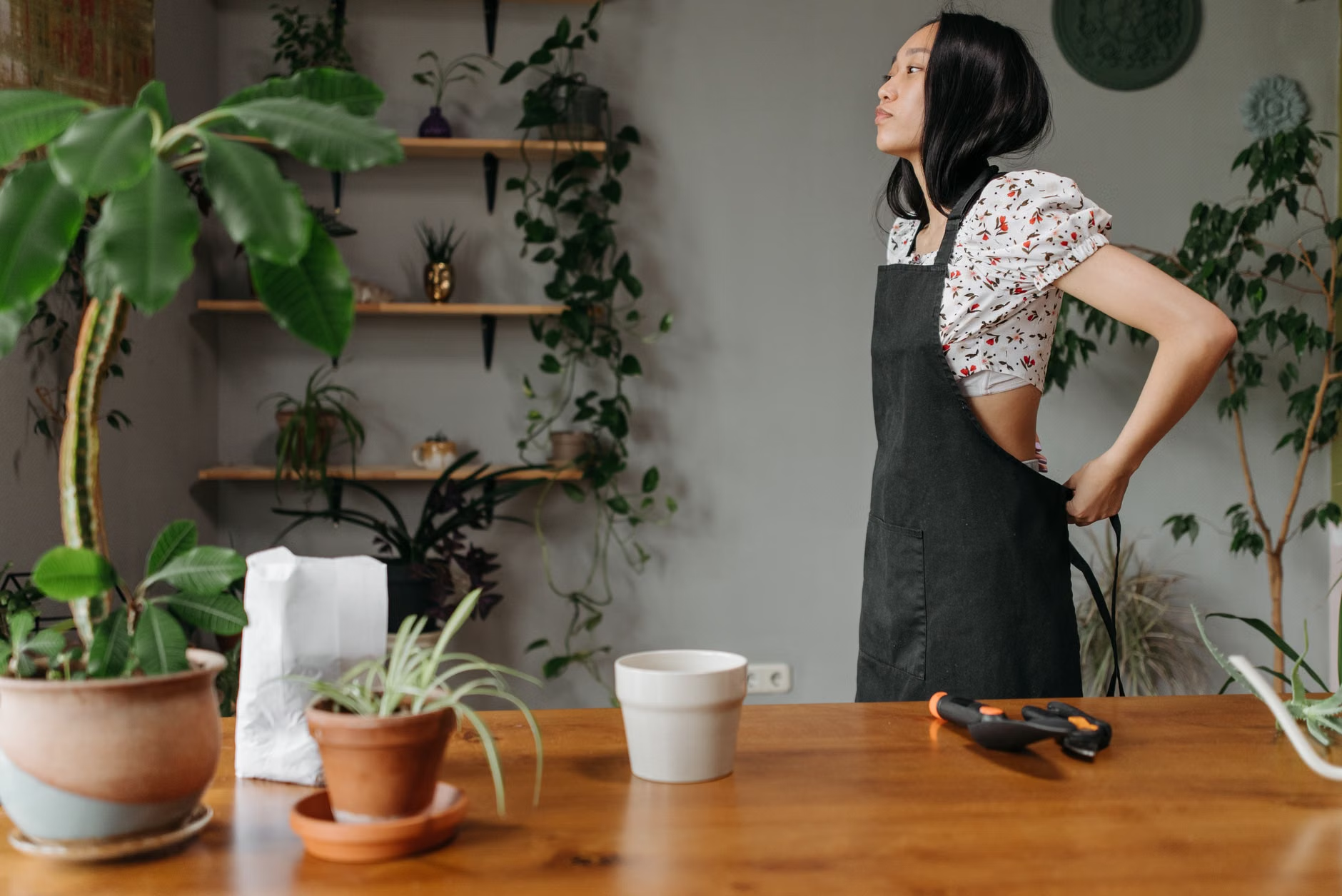
To make the most of this hobby, treat it as a scheduled appointment. Spending 20 minutes every morning checking your plants, pruning dead leaves, and watering is more effective than spending three hours once a week. This regular, short-duration activity helps maintain physical flexibility and provides a consistent mental “reset” that can improve your overall outlook for the rest of the day.
Record-keeping can also add a layer of engagement. Keep a simple notebook where you jot down what you planted and when. Over time, you will develop a personal “success log” that helps you understand what works best in your specific microclimate. This is not just a gardening tool; it is a way to track your own progress and learn from your experiences, which is a powerful way to keep the brain engaged.
Conclusion
Container gardening is an accessible, rewarding, and deeply therapeutic pursuit that respects the physical needs of older adults while offering the immense satisfaction of nurturing life. By focusing on ergonomic setups, choosing the right containers, and keeping your routine simple and consistent, you can transform your outdoor space into a sanctuary of health and beauty. Start small, stay curious, and remember that the joy of gardening is found as much in the process as it is in the harvest.
Frequently Asked Questions (FAQ)
1. How do I know if my balcony or patio gets enough sunlight for gardening?
Observe your space for one full day. “Full sun” typically means at least 6 to 8 hours of direct sunlight. If you have less, choose shade-tolerant plants like ferns, impatiens, or leafy greens like spinach, which actually prefer a bit of protection from the intense afternoon sun.
2. What should I do if I have joint pain that makes using small tools difficult?
Look for tools with “ergonomic grips,” which are wider and softer than standard metal handles. You can also purchase foam pipe insulation at a hardware store and slide it over the handles of your existing tools to create a custom, easy-to-hold grip. Additionally, consider using tools with long handles to reach pots without needing to bend over.
3. Is it expensive to start a container garden?
It can be as affordable or as expensive as you choose. You can repurpose clean plastic food containers (with holes drilled in the bottom) for free, or purchase specialized pots. The primary ongoing costs are soil and seeds. Avoid buying expensive, pre-grown plants; starting from seeds is a fraction of the cost and provides a more rewarding experience as you watch the entire life cycle of the plant.
Official guidance on gardening and physical activity can be found through your national health department or local gardening extension services, which often provide region-specific advice on plant varieties and seasonal care.