- Prioritize Proximity: Always select seats near the carriage entrance or vestibule to minimize walking distances and avoid navigating narrow aisles with luggage.
- Verify Infrastructure: High-speed rail accessibility varies by operator; check specific station maps for elevator locations and platform gaps before booking.
- Leverage Assistance Programs: Most national rail operators offer free “Passenger Assistance” services that include station navigation and boarding help if requested 24–48 hours in advance.
High-speed rail is often the most comfortable and efficient way to travel across regions, yet for seniors, the experience can be daunting if the wrong cabin or seat is selected. Selecting the right seat is not merely about comfort; it is a fundamental decision regarding your mobility, safety, and energy conservation during the journey. This guide provides a systematic approach to choosing the most accessible cabin configurations and navigating the logistics of high-speed rail travel.
Understanding the Architecture of High-Speed Rail Accessibility
Modern high-speed trains are marvels of engineering, but their layouts are designed for efficiency, which can sometimes conflict with mobility needs. When choosing a cabin, you must understand the distinction between “standard” and “accessible” configurations. Most high-speed trains are divided into classes, but within those classes, the physical layout of the carriage—the placement of the toilets, the width of the doors, and the distance to the platform—varies significantly.
The “Vestibule Proximity” Rule: The best seat for any senior traveler is almost always located in the first or last row of a carriage, immediately adjacent to the vestibule (the area near the train doors). This reduces the distance you need to walk inside the train, which is particularly important when the train is moving or when you are navigating with luggage.
Why it matters: High-speed trains often have narrow aisles and sometimes feature steps between the vestibule and the seating area. Choosing a seat in the first row ensures you avoid these potential hazards. Furthermore, being near the doors allows for quicker boarding and alighting, providing you with more time to settle in or exit without feeling rushed by other passengers.
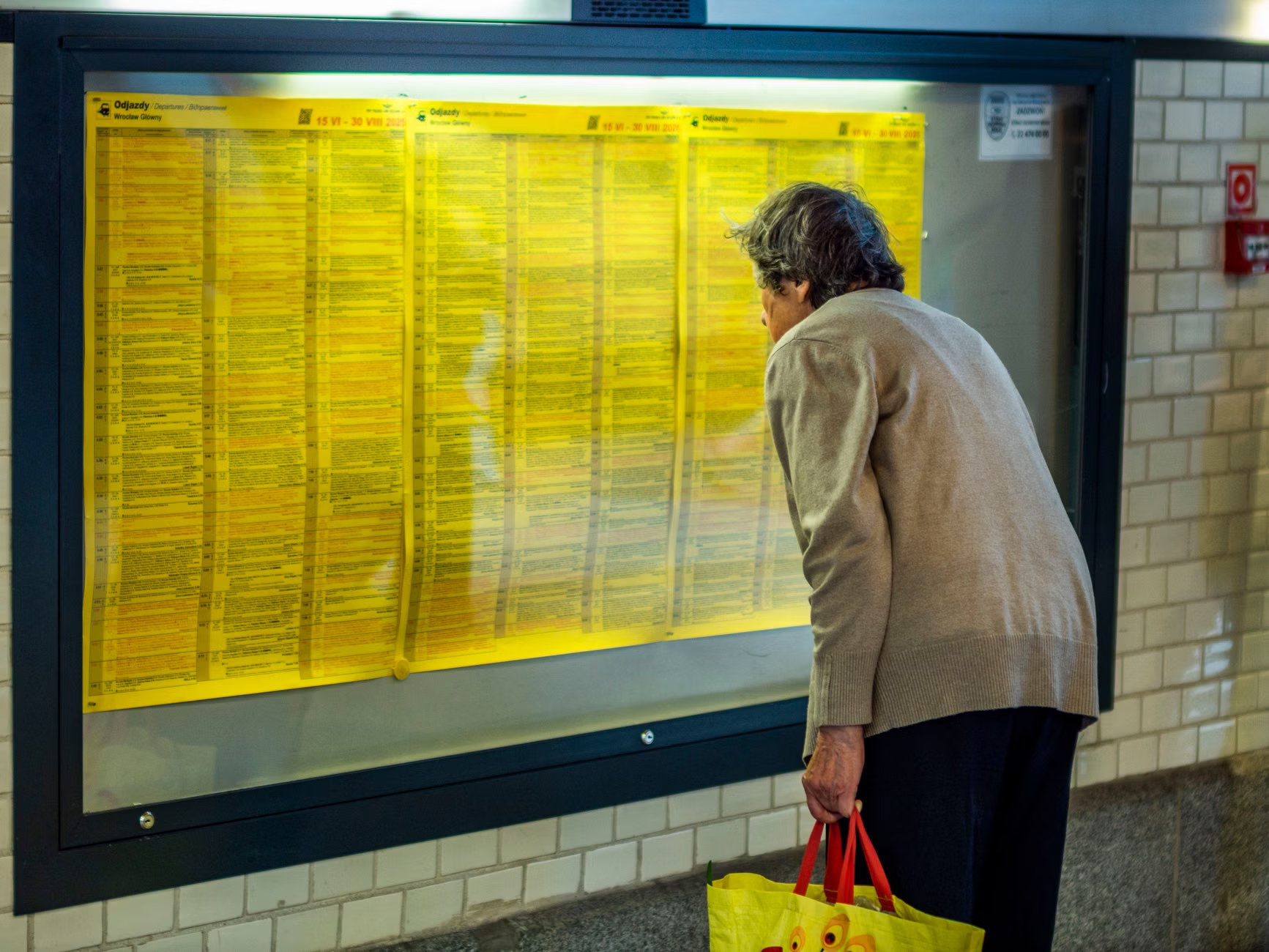
Criteria for Selecting the Ideal Cabin and Seat
When booking your ticket, look beyond the price and class. Use the following criteria to evaluate whether a specific seat will meet your physical needs.
1. Distance to Accessible Facilities
Every train has at least one carriage equipped with an accessible toilet. When selecting your seat, prioritize carriages that are adjacent to these facilities. However, be cautious: sitting directly next to the toilet can be noisy and high-traffic. Aim for the second or third row in that same carriage to balance convenience with tranquility.
2. Platform-to-Train Gap and Vertical Height
In many regions, such as the UK, Japan, or the EU, infrastructure varies. Some platforms are perfectly level with the train floor, while others require a step up or down. If you have limited mobility, check the operator’s website for “Level Boarding” information. If the station has a significant gap, request “ramp assistance” during the booking process. This ensures that staff will be waiting with a portable ramp as soon as the train arrives.
3. Luggage Storage Considerations
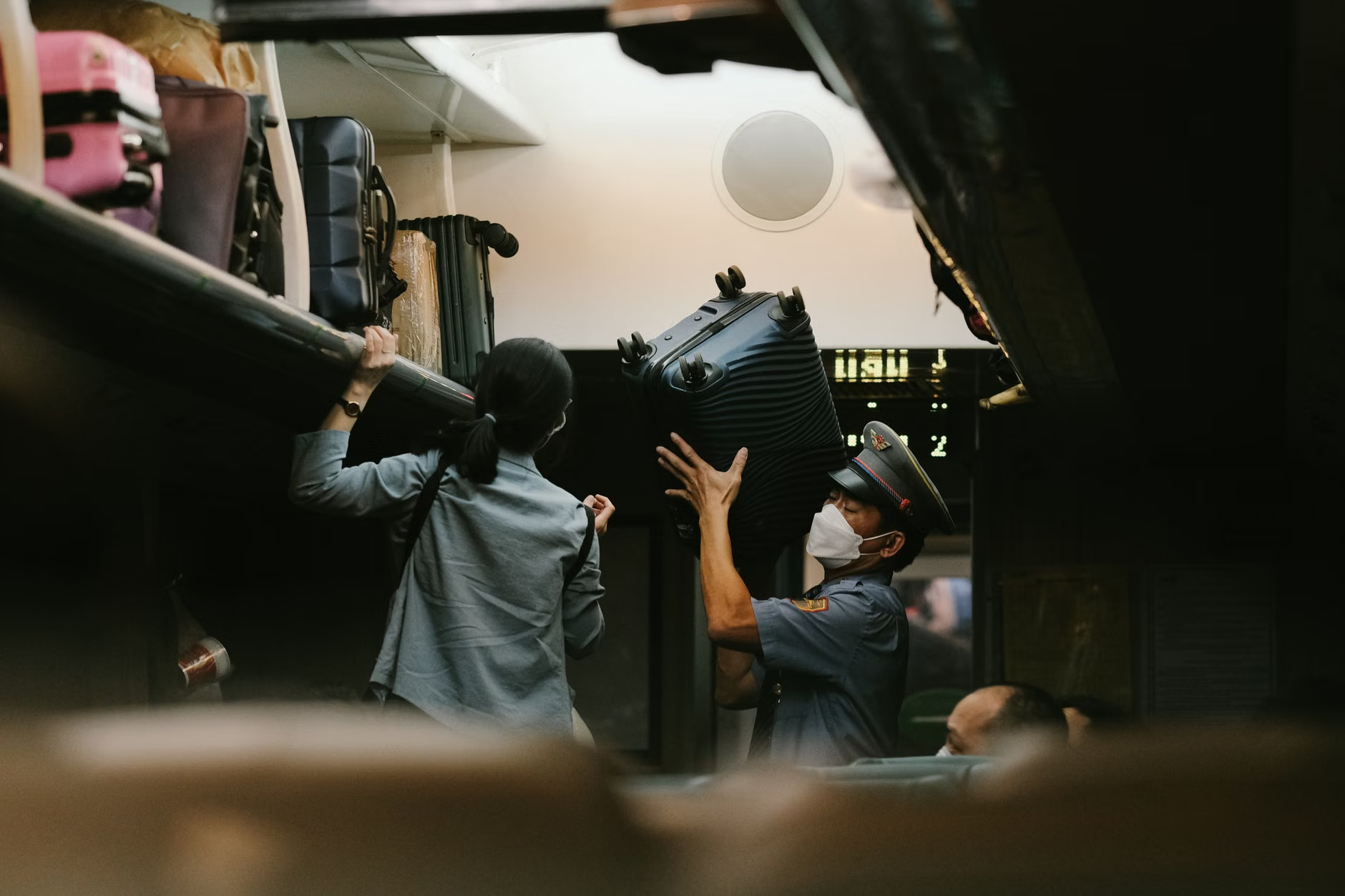
Dragging heavy luggage down a narrow train aisle is a common cause of trips and falls. Look for carriages that feature “luggage racks at the end of the carriage” rather than overhead bins. If you must use overhead storage, ensure your carry-on is lightweight. For heavier bags, many modern rail operators now offer luggage delivery services, allowing you to send your suitcase to your hotel ahead of your journey.
| Feature | What to Look For | Why it Matters |
|---|---|---|
| Seat Location | First or last row of the carriage | Minimizes walking distance; easier access to doors. |
| Aisle Width | Wide-aisle configurations | Allows for the use of walking aids if necessary. |
| Storage | Floor-level luggage racks | Prevents the need to lift heavy items overhead. |
| Proximity | Near vestibule, not next to toilets | Balances accessibility with comfort and noise control. |
Which option fits you? If you use a walker or cane, always prioritize the “first row” seats. If you are a solo traveler who values quiet, choose a seat toward the middle of the carriage but ensure you have confirmed the location of the nearest elevator on the platform map beforehand.
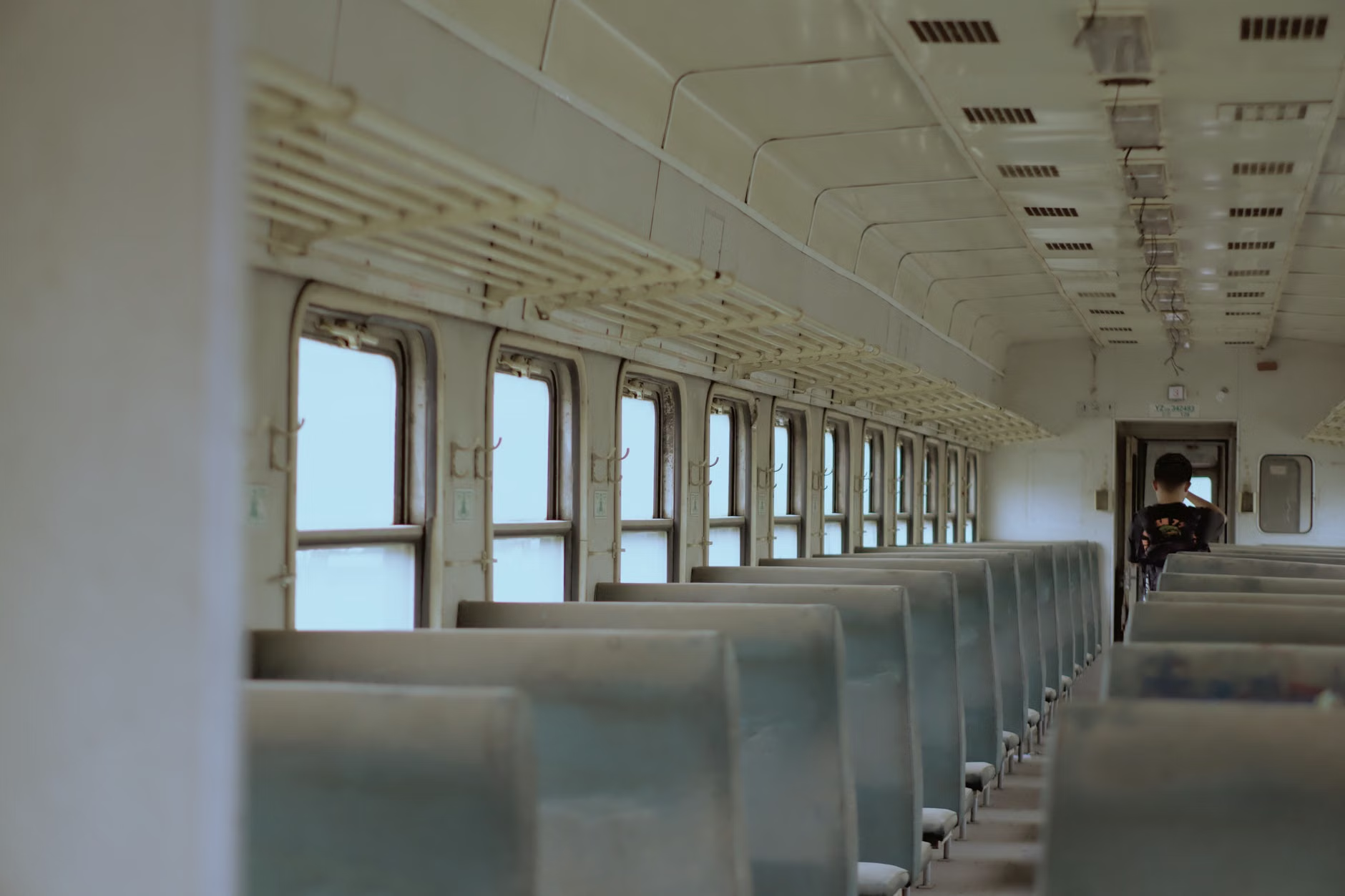
The journey begins long before you step onto the train. Navigating a large, bustling train station can be the most strenuous part of the trip. To mitigate this, you should adopt a “station-first” planning strategy.
Pre-Arrival Preparation
Visit the official website of the rail operator (e.g., National Rail for the UK, JR Pass/Japan Rail for Japan, or Amtrak for the US). Search for the “Assisted Travel” or “Accessibility” page. These pages often contain maps showing the locations of elevators, escalators, and accessible waiting rooms.
The “Passenger Assistance” Booking
Most major rail networks provide a service where you can book assistance in advance. This is not just for passengers with disabilities; it is available to any traveler who feels they need a little extra time or help. By booking this 24 to 48 hours in advance, you ensure that a staff member will meet you at the station entrance, guide you to the platform, and help you board the train. This removes the stress of navigating complex station layouts.
Common Mistakes to Avoid
- The “Tight Connection” Trap: Avoid booking transfers with less than 45 minutes between trains. Large stations can require significant walking time between platforms, even with assistance.
- Assuming All Platforms are Equal: In older stations, some platforms may only be accessible via stairs. Always verify the platform number and its accessibility status on the station’s digital app or information desk upon arrival.
- Overestimating Stamina: Do not rely on your ability to stand for long periods. If you arrive early, locate the “Priority Waiting Area” instead of wandering the station concourse.
Managing Stamina and Comfort During the Trip
High-speed travel is efficient, but the physical demands of vibration, cabin pressure changes, and prolonged sitting can impact your stamina. To maintain your wellbeing, consider these strategies:
Hydration and Nutrition
Train air can be dry. Carry a reusable water bottle and sip frequently. Avoid excessive caffeine or alcohol, which can lead to dehydration and discomfort. If your journey is longer than three hours, consider packing a light, protein-rich snack to keep your blood sugar stable without relying on potentially limited on-board dining options.
Movement Breaks
Even if you have a comfortable seat, blood circulation is improved by gentle movement. Every hour, stand up and walk to the end of the carriage and back. This simple action helps prevent stiffness and reduces the risk of deep vein thrombosis (DVT), a concern for any traveler sitting for extended periods.
Clothing Choices
Wear layers. Train temperatures can fluctuate significantly due to the climate control systems. A light cardigan or scarf allows you to adjust to these changes without needing to unpack your luggage. Furthermore, wear comfortable, slip-on shoes; you may need to remove them if you are on a long-distance overnight train, and you certainly want footwear that is easy to manage if you need to move quickly.
Advanced Planning: Technology and Digital Tools
Modern technology can act as a personal travel assistant. Download the official app of the rail operator you are using. These apps often provide real-time updates on platform changes, which are common in high-speed rail networks. Knowing a platform change in advance allows you to seek assistance before the crowd starts moving.
Additionally, use digital maps (like Google Maps or Apple Maps) to look at the “Street View” of the station entrance. This allows you to identify where the elevators are located relative to the taxi drop-off point, saving you energy and confusion upon arrival.
Insight: Many travelers overlook the “Quiet Carriage.” While these are intended for silence, they are often less crowded and have fewer people moving through them, which can provide a calmer, less chaotic environment for a senior traveler who finds busy crowds overwhelming.
Conclusion: Empowering Your Journey
Traveling by high-speed rail is a sophisticated and rewarding way to see the world, provided you approach it with a plan that prioritizes your physical comfort. By selecting seats near the vestibule, utilizing pre-booked assistance services, and managing your station transitions with care, you can transform a potentially stressful commute into a highlight of your trip. Remember, the goal is not to rush, but to move with confidence. By taking the time to research your specific route and leveraging the support systems provided by rail operators, you ensure that your travel experience remains safe, dignified, and enjoyable.
Frequently Asked Questions (FAQ)
1. Is it always necessary to book “Assistance” in advance?
While some stations can provide assistance on the spot, it is highly recommended to book it in advance (usually 24–48 hours). This guarantees that staff will be available to help you, especially during busy hours or if you require a ramp for boarding. Without a booking, you may have to wait for the next available staff member, which can cause significant delays.
2. How do I know if a specific train carriage has accessible features?
When booking online, look for an “Accessibility” or “Seat Map” icon. Most modern booking systems will highlight carriages with the wheelchair symbol, which indicates these carriages have wider aisles, accessible toilets, and designated space for mobility aids. If the online system is unclear, call the rail operator’s customer service line; they have access to the specific train configuration for your departure.
3. What should I do if I am traveling with a mobility aid like a walker?
If you use a walker, ensure it is foldable. When booking, select a seat that is near the door so you can quickly fold your aid and stow it in the designated luggage area. If you use a powered wheelchair or scooter, you must specify the exact dimensions during booking, as some older high-speed trains have limited door widths that may not accommodate specific models.