- Beyond Traditional Care: By 2026, housing models are shifting from isolation-based care to “active integration,” where seniors live alongside younger generations to foster mutual support and combat social isolation.
- Economic & Regulatory Shifts: New municipal zoning laws in many regions are making Accessory Dwelling Units (ADUs) and “granny flats” easier to permit, offering a cost-effective way to age in place while maintaining privacy.
- Evaluation is Vital: Before choosing an intergenerational model, prioritize clear legal agreements, privacy boundaries, and proximity to essential services like public transport and healthcare.
The landscape of retirement living is undergoing a fundamental transformation in 2026. As global populations age and housing costs in urban centers remain high, the traditional binary of “independent living” versus “nursing care” is being replaced by flexible, community-focused intergenerational models. This shift is not merely a social trend; it is a structural change driven by new municipal policies, technological advancements in home monitoring, and a growing recognition that social connectivity is a primary driver of long-term health.
The Evolution of Intergenerational Housing in 2026
Intergenerational housing refers to living environments where different age groups—most commonly seniors and university students or young professionals—coexist. In 2026, this has moved from experimental pilot programs to formalized housing strategies in countries like the Netherlands, Canada, and parts of the United States.
The core philosophy is simple: seniors gain access to companionship and assistance with digital tasks or heavy lifting, while younger residents benefit from subsidized rent or stable, quiet living environments. Unlike the institutional feel of traditional retirement homes, these models are designed to be integrated into existing neighborhoods.
Why the Shift Matters Now
In previous decades, the goal of senior housing was often total segregation. We are now seeing a reversal. Research consistently indicates that social isolation is a significant risk factor for cognitive decline and cardiovascular disease in adults over 65. By embedding seniors within a multi-generational ecosystem, we utilize the “natural” support network of human interaction. Furthermore, the economic pressure of 2026 has made “co-living” a necessity for many young workers, aligning their financial needs with the social needs of the aging population.

Evaluating Your Options: A Comparative Look
Not all intergenerational housing models are identical. Choosing the right one depends on your current mobility, your desired level of autonomy, and your financial goals. Below is a breakdown of the three most prominent models currently gaining traction.
| Model | Primary Benefit | Best Suited For | Key Consideration |
|---|---|---|---|
| Shared Co-living | High social engagement; cost-sharing. | Active seniors who enjoy company. | Requires clear “house rules” on noise and visitors. |
| Accessory Dwelling Units (ADUs) | Maximum independence; proximity to family. | Those wanting to age in place on family land. | Requires upfront construction/renovation costs. |
| Intergenerational Student Housing | Vibrant atmosphere; cultural exchange. | Seniors in academic or urban areas. | Periodic turnover of housemates (e.g., every 6-12 months). |
Understanding the “Housemate Agreement”
One of the most common pitfalls in intergenerational living is the lack of a formal agreement. Regardless of whether you are moving into a managed facility or renting out a portion of your home, you must treat the arrangement as a professional partnership. This includes clearly defined expectations regarding household chores, guest policies, and conflict resolution protocols. In 2026, many legal services now provide template “Intergenerational Co-living Contracts” that protect both parties’ rights.
Accessory Dwelling Units (ADUs): The 2026 Regulatory Landscape
One of the most significant changes in 2026 is the relaxation of zoning laws in many jurisdictions. Historically, “granny flats” were restricted by strict occupancy codes. Today, many local governments have updated their bylaws to encourage ADUs as a strategy to address housing shortages.
What it looks like in real life: Imagine a senior couple transforming their detached garage into a fully accessible, single-story unit. Because of updated 2026 municipal codes, they can now legally rent this space to a graduate student, providing them with a steady stream of passive income while keeping them in their own neighborhood. This arrangement allows the seniors to maintain their primary home while offloading maintenance responsibilities that may have become physically taxing.
Practical Steps for ADU Planning
- Consult Local Zoning: Start by visiting your local municipal planning office or website. Search for “ADU requirements” or “secondary dwelling unit bylaws.”
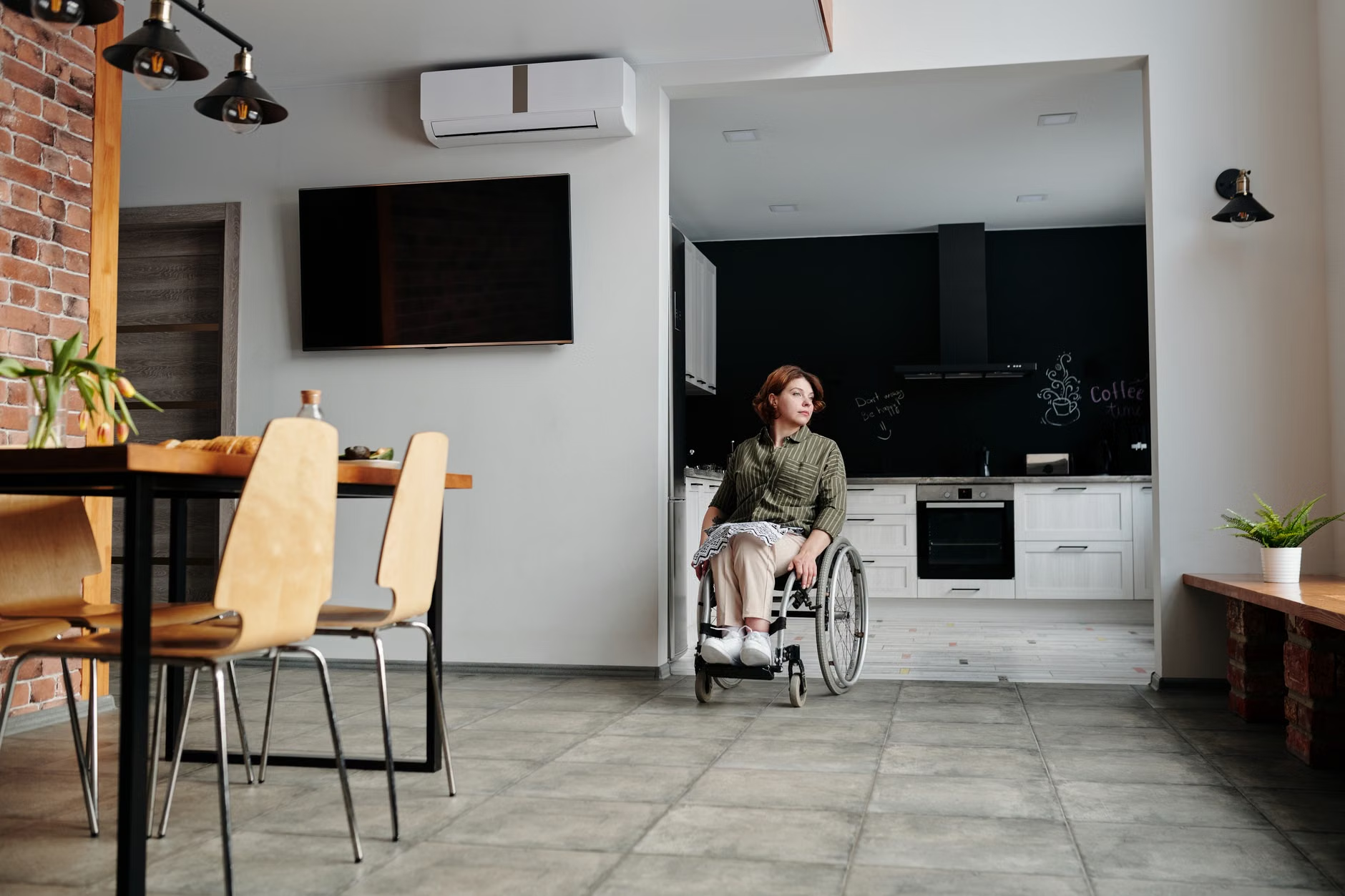
- Assess Accessibility: Before construction, prioritize “universal design” features. These include zero-step entries, 36-inch wide doorways, and grab bars in the bathroom. These features are not just for mobility issues; they are essential for long-term safety.
- Financial Projection: Calculate the return on investment. Factor in the cost of construction versus the potential rental income. In many regions, the increase in property value outweighs the initial renovation costs.
Living with someone from a different generation requires a shift in perspective. It is not about “managing” a younger person, nor is it about being “cared for” by them. The most successful arrangements in 2026 are built on mutual respect and shared interests. Before committing to any shared living space, consider the following “Compatibility Checklist.”
- Communication Style: Are you a direct communicator, or do you prefer to resolve issues indirectly? Discuss this early.
- Lifestyle Pacing: Do you value quiet mornings? Is the other person a night owl? Establish “quiet hours” that honor both schedules.
- Expectation of Assistance: Be very clear about what, if any, help you expect. If you are looking for a caregiver, a student co-living arrangement is not the right choice. These are for social companionship, not medical or personal care.
If you find that your needs are evolving toward requiring daily personal assistance, you must seek professional home health services rather than relying on a housemate. Relying on an untrained individual for health-related tasks can lead to burnout for the younger person and unsafe care for the senior.
Digital Integration and Safety in 2026
Modern housing for seniors now frequently integrates “Smart Home” technology. In 2026, this has become a standard feature in many intergenerational communities. These systems are designed to be invisible—they do not require constant interaction but provide peace of mind for both the resident and their family members.
What to look for:
- Passive Monitoring: Sensors that detect movement or changes in water usage patterns, which can alert caregivers if a routine is disrupted.
- Voice-Activated Utilities: Lighting, heating, and security systems that can be controlled by voice, reducing the need to reach or climb.
- Digital Community Portals: Apps that allow residents to coordinate communal meals, check public transport schedules, or book shared amenities.

While technology is a powerful tool, it should never replace human connection. Use these tools as a “safety net” that allows you to live more independently, rather than as a substitute for the relationships you build with your neighbors or housemates.
Long-term Sustainability: Financial and Mobility Considerations
When planning your housing for the next decade, you must account for the reality of changing mobility. A house that is perfect today may become difficult in five years. When evaluating any property, use the “Five-Year Rule”: If you cannot imagine navigating this home with a mobility aid (such as a cane or walker) in five years, look elsewhere.
The Financial Trade-off
Intergenerational housing is often more cost-effective than traditional assisted living, but it carries different financial risks. If you are entering a co-living arrangement, ensure you have a financial plan that covers your costs for at least three to five years, even if you are unable to find a housemate or rent out your unit. Do not rely on rental income as your sole source of survival capital.
Access to Services
Proximity to transit is perhaps the most overlooked variable. As driving becomes less frequent for many seniors, being within walking distance (or a short, accessible bus ride) of a pharmacy, grocery store, and healthcare provider becomes the single most important factor in maintaining your independence. In 2026, many cities have launched “15-minute neighborhood” initiatives; look for properties within these zones when considering your next move.
Conclusion: Taking the Next Step
The move toward intergenerational housing is a positive reflection of our society’s changing relationship with aging. It acknowledges that seniors are not a separate class of citizens, but active participants in their communities. Whether you choose to modify your existing home, join a co-living collective, or move into a modern intergenerational apartment complex, the key is to prioritize your autonomy and your social network.
Start by assessing your current environment. Are there changes you can make today to stay in your home longer? If not, look into the municipal policies in your area regarding ADUs. Reach out to local community organizations that facilitate intergenerational matching—many cities now have dedicated offices for this. Your goal should be a living situation that provides security, social fulfillment, and the flexibility to adapt as your needs evolve over the coming years.
Frequently Asked Questions
1. Is intergenerational living the same as assisted living?
No. Intergenerational living is a social and housing model where people of different ages share space. It does not include medical or personal care services. If you require assistance with activities of daily living (such as bathing or medication management), you should seek professional home health care or an assisted living facility.
2. How can I find legitimate intergenerational housing programs in my area?
Start by contacting your local municipal planning or housing department. Many cities now have “Home Sharing” registries. Additionally, look for university-affiliated programs, as many colleges are partnering with local seniors to provide housing for students. Always verify the reputation of any organization through local consumer protection agencies before signing a contract.
3. What happens if a housemate arrangement doesn’t work out?
This is why a written agreement is mandatory. Your contract should include a “termination clause” that outlines how much notice is required by either party to end the arrangement. This ensures that if the living situation becomes uncomfortable, both you and your housemate have a clear, pre-agreed path to move out without legal or financial uncertainty.
Disclaimer: This article provides general information regarding housing trends and should not be considered legal, financial, or medical advice. Always consult with a qualified attorney, financial planner, or healthcare professional before making significant changes to your living situation.
Sources: