- Craft-exchange groups act as “social anchors,” providing consistent, low-pressure environments that foster long-term community belonging.
- Participating in collaborative crafting stimulates cognitive function, fine motor skills, and emotional resilience through shared problem-solving.
- Success in these groups depends on finding a balance between structured skill-sharing and unstructured social interaction, tailored to your personal mobility and stamina levels.
For many adults between the ages of 60 and 80, the transition into retirement or a slower professional pace often brings a sudden shift in social networks. While family life remains central, the daily, informal interactions once provided by a workplace or active community involvement can diminish. Craft-exchange groups—where individuals meet to share skills, swap materials, and collaborate on projects—offer a unique, highly effective remedy to this social thinning. These groups are not merely about knitting, woodworking, or painting; they are functional social ecosystems that support mental acuity and emotional wellbeing.
A craft-exchange group is a community-based hobby collective where the primary goal is the circulation of knowledge and physical resources. Unlike a formal class with a strict curriculum, these groups thrive on a peer-to-peer exchange model. What makes this model particularly potent for older adults is the reduction of the “teacher-student” hierarchy. When a participant teaches a fellow member how to crochet a new stitch, or swaps leftover fabric for a piece of reclaimed wood, they are engaging in a reciprocal act that reinforces their value to the community.
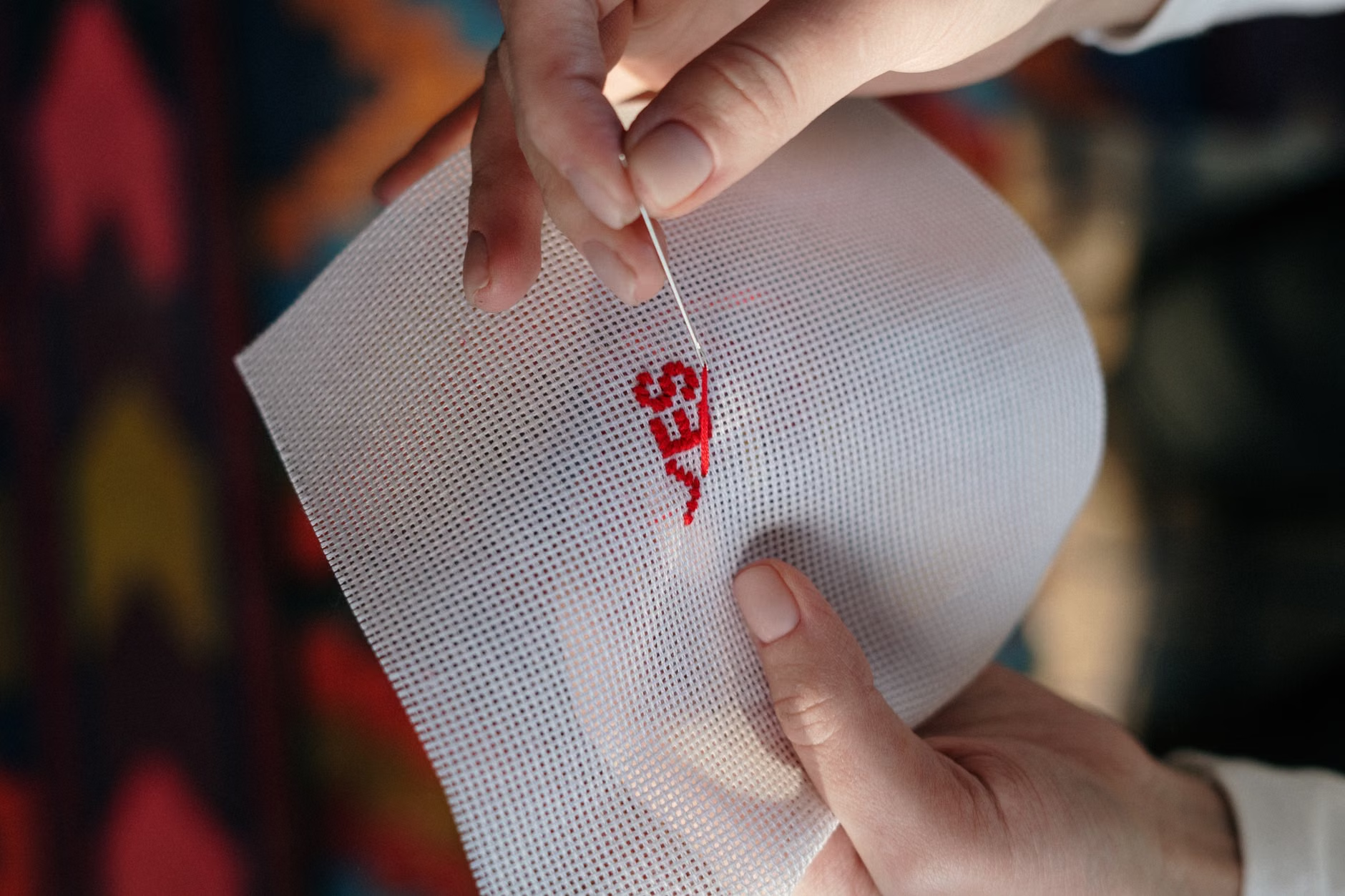
Cognitive and Physical Benefits: More Than Just a Hobby
The cognitive demands of learning a new craft or refining an old one are significant. Engaging in manual dexterity—whether it is the precise movements required for calligraphy or the spatial reasoning needed for quilting—activates multiple areas of the brain. When you add the layer of social interaction, the activity becomes a complex cognitive workout.
The Neurobiology of Social Crafting
Research suggests that social isolation is a major risk factor for cognitive decline. Craft-exchange groups mitigate this by providing a “low-stakes” environment for social engagement. In these settings, the focal point is the project, which removes the pressure of constant conversation. For those who may find large social gatherings draining, this “parallel play” or project-focused interaction is an ideal way to maintain social health without the anxiety of forced socialization.
Maintaining Motor Skills
Fine motor skills are essential for maintaining independence in daily tasks, such as handling small tools, buttoning clothing, or writing. By engaging in consistent, repetitive craft movements, members maintain the flexibility and strength in their hands and wrists. It is not about reaching professional proficiency; it is about the sustained use of these muscle groups in a creative context.
Establishing or Joining a Sustainable Group
If you are considering joining or starting a group, it is helpful to evaluate the group’s focus based on your current stamina and mobility. Not all groups are created equal; some are high-energy, project-heavy collectives, while others are essentially social circles that happen to craft.
| Group Type | Best For | Key Requirement |
|---|---|---|
| Skill-Swap Workshops | Those seeking structured learning and new challenges. | Moderate stamina; ability to focus for 1-2 hours. |
| Material-Exchange Circles | Those with existing supplies looking for community connection. | Low physical demand; high social interest. |
| Collaborative Project Groups | Those seeking long-term, shared goals and teamwork. | Reliability; commitment to a shared timeline. |
When choosing a group, prioritize accessibility. Ask about the physical space: Is there adequate lighting? Is the table height adjustable? Are there chairs with proper back support? If you have mobility concerns, ensure the meeting place is ground-level or accessible via an elevator. Accessibility is not just about physical movement; it is also about the sensory environment. A space that is too loud or poorly lit can quickly turn a hobby into a source of fatigue.
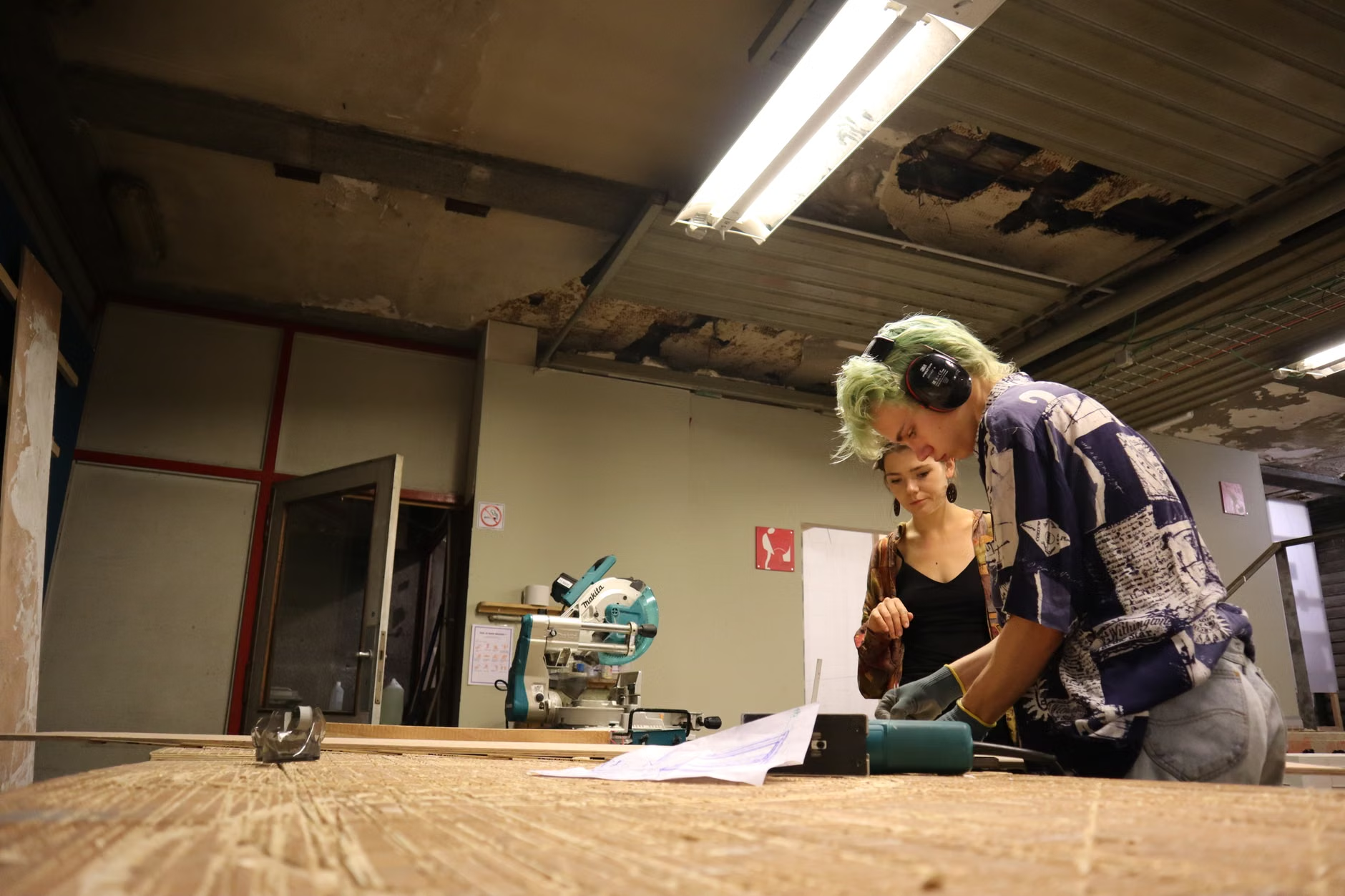
The most successful craft groups function on the principle of “radical hospitality.” This means that the group welcomes varying skill levels without judgment. A common mistake in new groups is the tendency to gravitate toward a competitive atmosphere. If a group begins to prioritize the “quality” of the craft over the “process” of the community, the social value begins to decline.
Setting Practical Boundaries
To keep the group sustainable, establish clear ground rules early. If you are part of an exchange group, clarify how the materials are handled. For example, if someone brings high-quality yarn to swap, is it a one-to-one trade, or is it a “take what you need” system? Setting these expectations prevents misunderstandings and ensures that the group remains a source of joy rather than conflict.
The Role of the Facilitator
Every group needs a “social anchor”—someone who ensures that quiet members are included and that the conversation doesn’t revolve around just one or two people. If you are starting a group, you do not need to be an expert in the craft. You simply need to be a facilitator who ensures that everyone has a chance to share their progress and ask for help.
Addressing Potential Challenges: Accessibility and Stamina
As we age, our ability to perform specific tasks may change. A craft that was easy at age 50 might present challenges at age 75. This is where the “exchange” aspect of the group becomes vital. If your eyesight has changed, making intricate needlework difficult, you might swap your fine-detail skills for someone else’s structural design skills. This is not a failure; it is an evolution of your creative practice.
Safety Note: Always ensure that your workshop or meeting space has adequate ventilation if you are working with glues, paints, or sawdust. If you are using sharp tools, keep a small first-aid kit on hand and ensure that the work area is well-organized to prevent tripping hazards. If you have any concerns about repetitive strain, alternate your activities and take frequent breaks. Listen to your body; if your hands or back feel fatigued, that is a sign to stop and engage in the social, non-physical part of the meeting.
The Long-Term Impact on Quality of Life
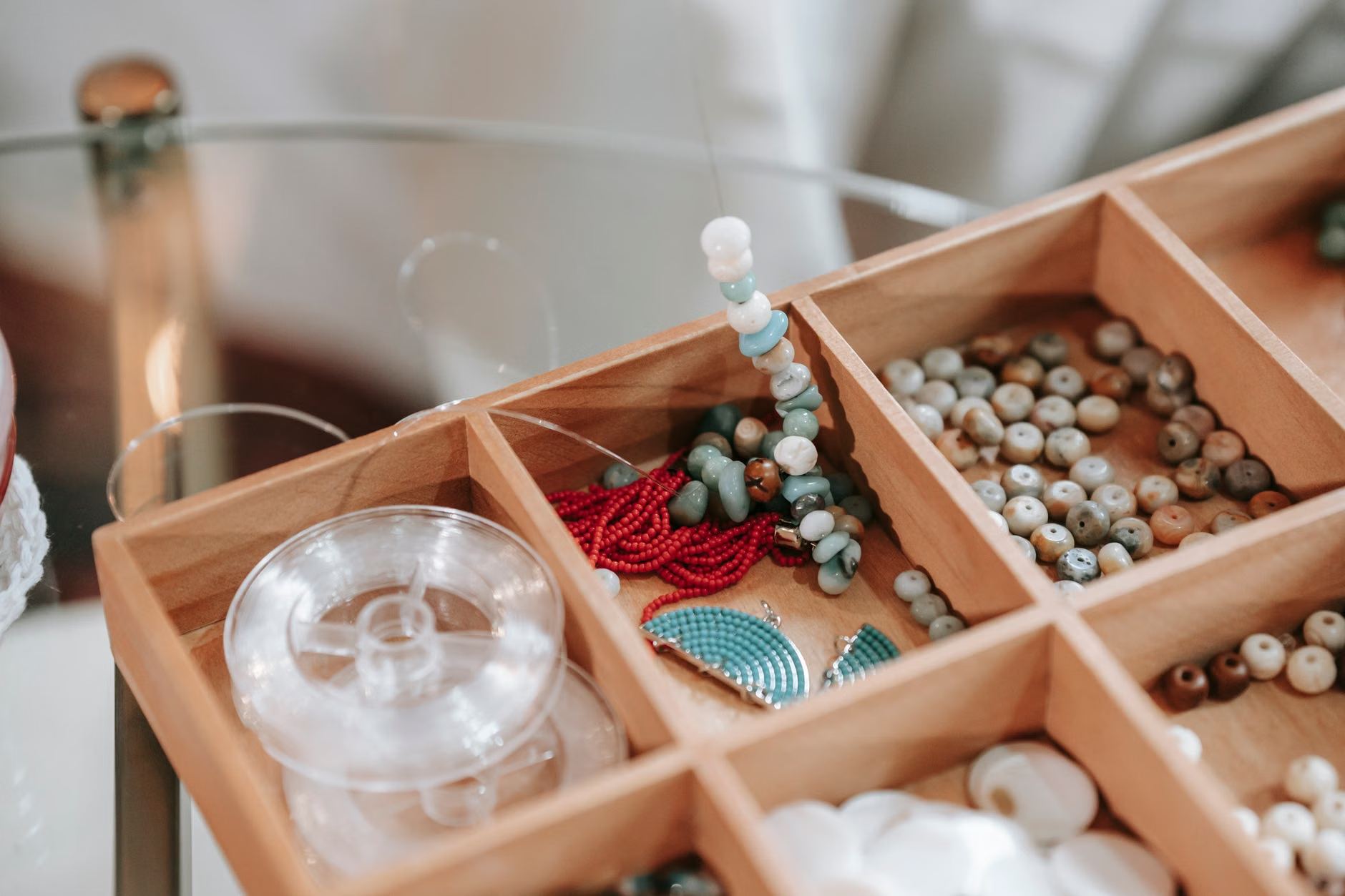
The cumulative effect of participating in a craft-exchange group is a stronger sense of local identity. When you know that you have a group of people who value your skills, and who are there to support your own learning, your resilience in the face of life’s challenges increases. This is particularly important during periods of life transition. The group becomes a constant, a place where you are known for your contributions, not just your age or your history.
Beyond the social, there is the simple joy of creating. In a world that is increasingly digital and intangible, the act of making something with your hands provides a unique sense of accomplishment. Sharing that accomplishment with peers who understand the effort involved creates a bond that is rarely found in other social settings.
Practical Next Steps for Getting Involved
If you are ready to find or start a group, follow these steps:
- Assess your interests: Don’t just pick a craft because you think you “should.” Pick one that you genuinely enjoy, even if you are a beginner.
- Search locally: Check community centers, local libraries, or senior centers. Many of these institutions have underutilized rooms that are perfect for craft groups.
- Start small: You do not need a large group. Three or four people are enough to create a meaningful exchange.
- Define the purpose: Is this a social group, a skill-learning group, or an exchange group? Being clear about the purpose attracts the right participants.
- Evaluate the space: As mentioned, prioritize lighting, comfort, and physical accessibility.
By focusing on the exchange of knowledge and resources, you create a community that is resilient and self-sustaining. The goal is not perfection in your craft; the goal is the connection you build while the work is in progress. Whether you are a lifelong woodworker or someone who has never held a knitting needle, there is a place for you in a community that values the act of creation.
Resources and Further Reading
For those looking to understand the broader impact of social hobbies, organizations such as the AARP frequently highlight the importance of social connections for seniors. Additionally, local government community health portals often provide guides on setting up community interest groups, which can be a valuable resource for finding venues and liability information. Always check your local council’s website for “community grant” opportunities if you plan to start a formal group, as many jurisdictions offer small stipends to help cover the costs of equipment or space rental.
Frequently Asked Questions
1. Do I need to be an expert in a craft to join a group?
Absolutely not. Most craft-exchange groups are built on the principle of shared learning. Being a beginner is often welcomed, as it provides an opportunity for others to share their knowledge, which is a key part of the group’s social dynamic.
2. How do I handle physical limitations in a craft group?
The best approach is transparency. If you find certain tasks difficult, share this with the group. Often, members can help adapt tools or suggest alternative methods that are easier on your joints or eyesight. The “exchange” model is specifically designed to accommodate different levels of ability.
3. What if there are no craft groups in my area?
Starting your own is easier than you might think. Start by posting a notice at your local library, community center, or neighborhood bulletin board. You only need one or two other people to begin, and these groups tend to grow organically as members invite their own friends and neighbors.