- Pre-Booking Assistance: Always request “Special Assistance” at least 48 hours before departure to ensure staff support with luggage and boarding.
- Terminal Logistics: International terminals are often vast; prioritize arriving 90 minutes early to identify elevators and accessible paths without the stress of a deadline.
- Luggage Strategy: Use four-wheeled suitcases or lightweight trolleys to minimize physical strain; never attempt to carry heavy, oversized bags through long terminal corridors.
International ferry travel offers a unique, scenic alternative to air travel, yet the terminals themselves can be overwhelming. Unlike airports, which have standardized global layouts, ferry terminals vary significantly in design, age, and accessibility features. For the mature traveler, navigating these spaces requires a shift from “rushing to the gate” to a “strategic transit” mindset.
The primary challenge in a busy terminal is the scale. Many historic ferry ports were built before the modern emphasis on accessibility, often featuring long, uneven gangways, multiple levels, and crowded security zones. By understanding the infrastructure and your rights as a passenger, you can transform a chaotic transit experience into a predictable, manageable part of your journey.

1. The Pre-Departure Audit: Planning for Mobility
Before you even arrive at the port, your success begins with an audit of the terminal’s specific facilities. Do not assume all “international” terminals are modern. Some ports in Europe or Southeast Asia may still rely on older, multi-story buildings with limited lift access.
Checking Accessibility Policies
Under international maritime regulations (such as the EU Regulation 1177/2010), ferry operators are required to provide assistance to passengers with reduced mobility. However, you must notify the carrier of your specific needs—such as the need for a wheelchair, assistance with luggage, or a preference for proximity to the boarding lift—at least 48 hours before travel.
| Action Item | Why It Matters | Deadline |
|---|---|---|
| Request PRM Assistance | Ensures staff are waiting to guide you through security and boarding. | 48 hours prior |
| Verify Terminal Map | Identifies the distance between the drop-off point and the ticket counter. | 1 week prior |
| Confirm Luggage Weight | Prevents physical strain; allows for pre-booking porter services. | 3 days prior |
The table above highlights the importance of proactive communication. If you have mobility limitations, the “PRM” (Persons with Reduced Mobility) designation is your most effective tool. It is not a sign of frailty; it is a logistical request that grants you priority access and staff support, which can significantly reduce the physical toll of navigating a terminal.
2. Managing Luggage and Physical Stamina
The most common mistake senior travelers make is overestimating their ability to maneuver heavy luggage over long distances. Terminal floors are often polished concrete or tile, and while they look smooth, they can be slippery or uneven. Furthermore, the distance from a terminal entrance to the boarding ramp can often exceed 500 meters.
Strategic Luggage Selection
Invest in a high-quality, four-wheeled “spinner” suitcase. Unlike two-wheeled bags that require you to pull weight behind you, a spinner suitcase can be pushed upright alongside you, significantly reducing pressure on your shoulders and lower back. If you are traveling with multiple bags, do not rely on your physical strength alone; instead, utilize the terminal’s luggage trolley services or pre-booked porter assistance.
The “Rest-Stop” Methodology
Treat your transit through the terminal as a series of short, manageable segments rather than a single sprint. Identify “anchor points” on the terminal map—these are usually restrooms, cafes, or information desks. If you find yourself tiring, do not feel pressured to reach the boarding gate immediately. Stop at an anchor point, hydrate, and assess your energy levels before proceeding. This pacing strategy is vital for maintaining stamina for the actual journey ahead.
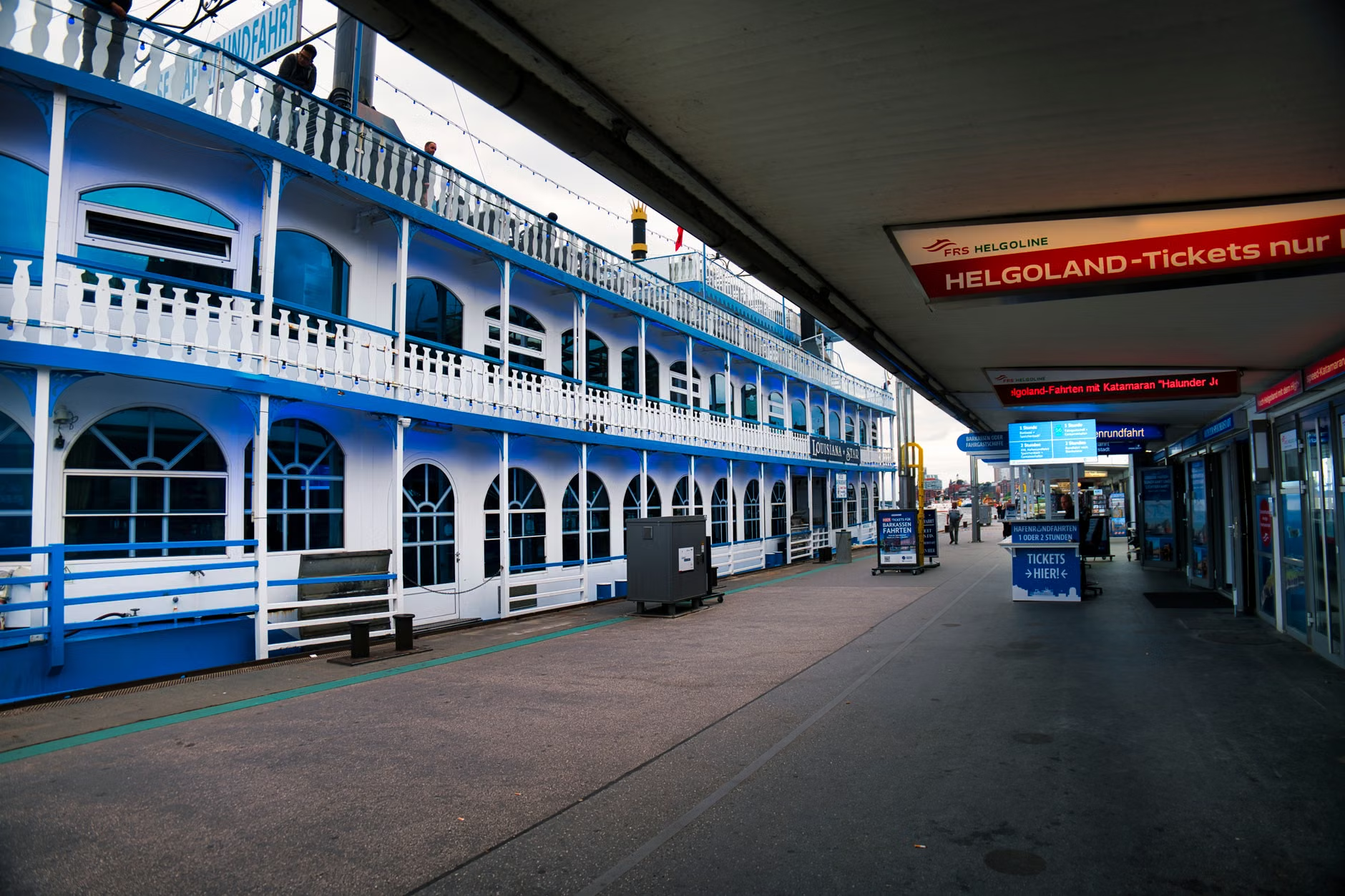
Security and passport control are the most intensive parts of the terminal experience. In many international ports, you will face two separate queues: one for security screening and one for customs/immigration. These areas are often crowded and can be loud, which may increase sensory fatigue.
Handling Security with Ease
To move through security efficiently, prepare your documents in a clear, accessible folder. Keep your passport, boarding pass, and any medical documentation in a dedicated, easy-to-reach pocket. Avoid wearing belts with large metal buckles or excessive jewelry, as these will trigger security alarms and force you to undergo secondary screening, which is time-consuming and unnecessary.
Boarding Priority
If you have requested assistance, you will likely be offered “pre-boarding.” Take this offer. Pre-boarding allows you to settle into your cabin or seat before the general crowd enters the vessel. This is particularly important for finding your bearings and ensuring your luggage is securely stowed without the pressure of a moving queue behind you.
4. Understanding Terminal Infrastructure and Amenities
Not all terminals are designed equally. Some are massive, transit-hub style facilities similar to airports, while others are small, utilitarian docks. Knowing what to expect allows you to prepare for the specific challenges of your destination.
The “Hidden” Challenges
- Slopes and Inclines: Many ferry terminals use ramps to connect different levels. These ramps can be surprisingly steep. If you have concerns about your balance, always look for the elevator, even if the queue is slightly longer.
- Noise Levels: Large, open-plan terminals often have high noise levels due to announcements and echoes. If you are sensitive to noise, carry noise-canceling headphones or earplugs to maintain your comfort while waiting.
- Temperature Control: Terminals can be drafty or overly air-conditioned. Dressing in layers is essential, as you may transition from a hot outdoor queue to a cold, climate-controlled terminal building.
Utilizing Digital Resources
Most modern ferry terminals now have websites that provide real-time updates on gate changes and delays. Before you leave for the port, check the terminal’s official website or the ferry operator’s app. If you are not comfortable with digital tools, call the operator’s customer service line 24 hours before your trip to confirm the specific terminal gate and any known accessibility issues for that day.

5. Health and Safety: Maintaining Wellbeing During Transit
Traveling requires stamina, and your health must be the priority. Dehydration, fatigue, and the stress of navigating a busy environment can impact your physical wellbeing. It is important to monitor your body’s signals throughout the transit process.
The Hydration and Nutrition Factor
Terminal food courts are often overpriced and nutritionally poor. Pack your own snacks, such as nuts, dried fruit, or crackers, and carry an empty, reusable water bottle that you can fill after passing through security. Maintaining stable blood sugar levels is essential for avoiding the fatigue that often sets in during long waits.
Medical Preparedness
Always carry a small “travel health kit” in your carry-on bag. This should include a list of your current medications, any necessary prescriptions, and a brief summary of your health history in English. If you have a condition that requires specific environmental conditions (such as the need to avoid prolonged standing), ensure this is communicated to terminal staff upon arrival. They are trained to assist, but they can only do so if you advocate for your specific needs.
Conclusion: The Art of the Slow Journey
The transition from “rushing” to “navigating” is the secret to a successful international ferry experience. By planning for mobility, managing your energy through the “rest-stop” method, and utilizing the support services available to you, you can remove the stress from your journey. Remember, the ferry terminal is simply a transition point—not a race. By giving yourself extra time and prioritizing your physical comfort, you ensure that you arrive on board refreshed and ready to enjoy your trip.
Frequently Asked Questions
1. Should I bring my own wheelchair if I have mild mobility issues?
If you can walk short distances but struggle with long corridors, you do not necessarily need to bring your own wheelchair. However, you must request “assistance” from the ferry operator in advance. They will provide a wheelchair and a staff member to push it through the terminal to your cabin. If you prefer the independence of your own mobility aid, ensure it is foldable and clearly labeled.
2. What should I do if I am traveling alone and have too much luggage?
Do not attempt to move it all yourself. Most major international ferry terminals have porter services or luggage trolleys. If you are traveling alone, contact the ferry company at least 48 hours in advance to request “luggage assistance.” Many ports also offer luggage storage lockers if you arrive several hours early and want to explore the immediate vicinity without your bags.
3. How can I identify if a terminal is truly “accessible”?
Check the official website of the port authority, not just the ferry company. Look for keywords like “PRM access,” “step-free access,” or “elevator availability.” If the website is vague, call the port’s information desk directly and ask: “Is there step-free access from the drop-off point to the boarding ramp?” This specific question will yield a much more accurate answer than a general inquiry.
For further information on passenger rights and maritime accessibility, you can refer to the European Commission’s guidance on Passenger Rights in Maritime Transport. While rules vary by region, these provide a strong baseline for what you can expect in terms of service and accessibility globally.