Key Takeaways for Senior Train Travelers
- Prioritize Pre-Trip Scouting: Use Google Street View or official station websites to check for stairs, platform gaps, and lack of elevators before booking rural routes.
- Adopt the “Light and Mobile” Rule: Use four-wheeled luggage and avoid heavy, oversized bags to maintain your center of gravity and agility on uneven historical surfaces.
- Communicate Early: Always notify the rail operator at least 48 hours in advance if you require boarding assistance or have specific mobility needs, even if the station seems small.
Traveling by train through rural landscapes offers a unique, slow-paced perspective on the world. However, historical train platforms—often built decades or even centuries ago—frequently present significant challenges for travelers aged 60 to 80. Unlike modern urban hubs, rural stations may lack step-free access, have excessive gaps between the platform and the train, or feature uneven, weathered surfaces that demand extra caution.
This guide provides a comprehensive framework for navigating these historical environments safely, ensuring that your passion for exploration remains supported by practical, informed decision-making.
Assessing Station Accessibility Before You Depart
The most effective way to avoid physical strain at a rural station is to understand the layout before you arrive. Many historical stations were designed before the implementation of universal design standards, meaning they may be inherently inaccessible to those with limited mobility.
The “Digital Scouting” Technique
Modern technology allows you to perform a virtual site visit. Use tools like Google Street View to look at the station entrance. Look for specific indicators: Are there stairs at the entrance? Is there a ramp? Is the platform gravel or paved? If the platform appears to be at a different height than the train door, anticipate a step up or down.
Official Accessibility Databases
Most national rail operators provide an “Assistance” or “Accessibility” page. For example, in the UK, the National Rail website offers a “Station Information” tool that lists specific features like step-free access, lift availability, and ramp availability. In the US, Amtrak provides specific station-by-station accessibility profiles. Always verify these details at least one week before your journey.
| Feature | What to Look For | Action if Missing |
|---|---|---|
| Step-free access | Ramps or level ground from street to platform | Call the station or operator to request a portable ramp. |
| Platform Gap | Distance between train door and platform edge | Request “boarding assistance” from staff in advance. |
| Waiting Area | Seating with armrests or back support | Bring a portable, lightweight folding stool if necessary. |
Managing Mobility and Luggage on Uneven Surfaces
Historical platforms often feature cobblestones, weathered wood, or cracked concrete. These surfaces significantly increase the risk of tripping. Your choice of luggage and footwear is the first line of defense against mobility issues.
The Four-Wheeled Advantage
For senior travelers, the traditional two-wheeled “pull-along” suitcase is often a liability. It requires you to tilt your body, shifting your center of gravity and putting unnecessary strain on your lower back. Instead, invest in a high-quality, four-wheeled (spinner) suitcase. A spinner bag allows you to keep the weight directly at your side, maintaining an upright posture and superior balance.
Footwear Strategy for Historical Platforms
Historical platforms are rarely perfectly flat. Avoid slip-on shoes or those with smooth, worn-out soles. Opt for walking shoes with high-traction, rubberized soles and adequate ankle support. If you use a walking aid, such as a cane or trekking pole, ensure it has a rubber ferrule (the tip) that provides grip on smooth stone or wet wooden surfaces.

Communicating with Rail Staff: A Proactive Approach
Many rural stations are unstaffed or have limited personnel. The assumption that “someone will be there to help” can lead to significant stress. The key is to shift from reactive to proactive communication.
The 48-Hour Rule
Most rail authorities recommend requesting assistance at least 48 hours in advance. This is not just a suggestion; it is a logistical necessity. When you book your ticket, ensure you select the “Assistance Required” option. This informs the train conductor that they may need to deploy a ramp at a specific station or provide extra time for boarding.
What to Ask When You Call
When speaking with customer service, go beyond simply asking “is it accessible?” Ask specific questions:
- “What is the height difference between the platform and the train door?”
- “Is there a staff member on the train who can assist with luggage?”
- “If the station is unstaffed, what is the procedure for requesting a ramp upon arrival?”

Stamina Management and Pacing Your Journey
Rural train travel often involves more waiting time than urban travel, as connections may be less frequent. Managing your physical stamina is essential for a positive experience.
The “Rest-First” Itinerary
When planning your trip, build in “recovery buffers.” If you have a train change, try to select a route with at least 45 minutes between connections. This allows for slow, steady movement between platforms without the anxiety of rushing. Rushing is the primary cause of falls among older adults in transit environments.
Nutrition and Hydration
Rural stations rarely have high-quality food services. Relying on station vending machines is often a mistake. Pack a “travel kit” that includes:
- Hydration: A reusable water bottle that is easy to open.
- Energy: Protein-rich snacks like nuts or dried fruit, which provide sustained energy without the blood sugar crash associated with sugary snacks.
- Comfort: A small, travel-sized cushion if you anticipate long waits on hard wooden benches.
Handling Unexpected Obstacles
Even with the best planning, you may encounter an unexpected barrier, such as an out-of-service elevator or a broken ramp. Having a contingency plan is vital.
The “Plan B” Mindset
If you arrive at a station and discover the lift is broken, do not attempt to carry heavy luggage up stairs yourself. Ask a fellow traveler for assistance, or if you are in a country with a strong rail service culture, use the emergency help point located on most platforms to call for station support. If you are traveling solo and have significant mobility limitations, consider pre-booking a taxi from the nearest major town to your final destination if the rural station proves inaccessible upon arrival.
Environmental Factors: Weather and Light
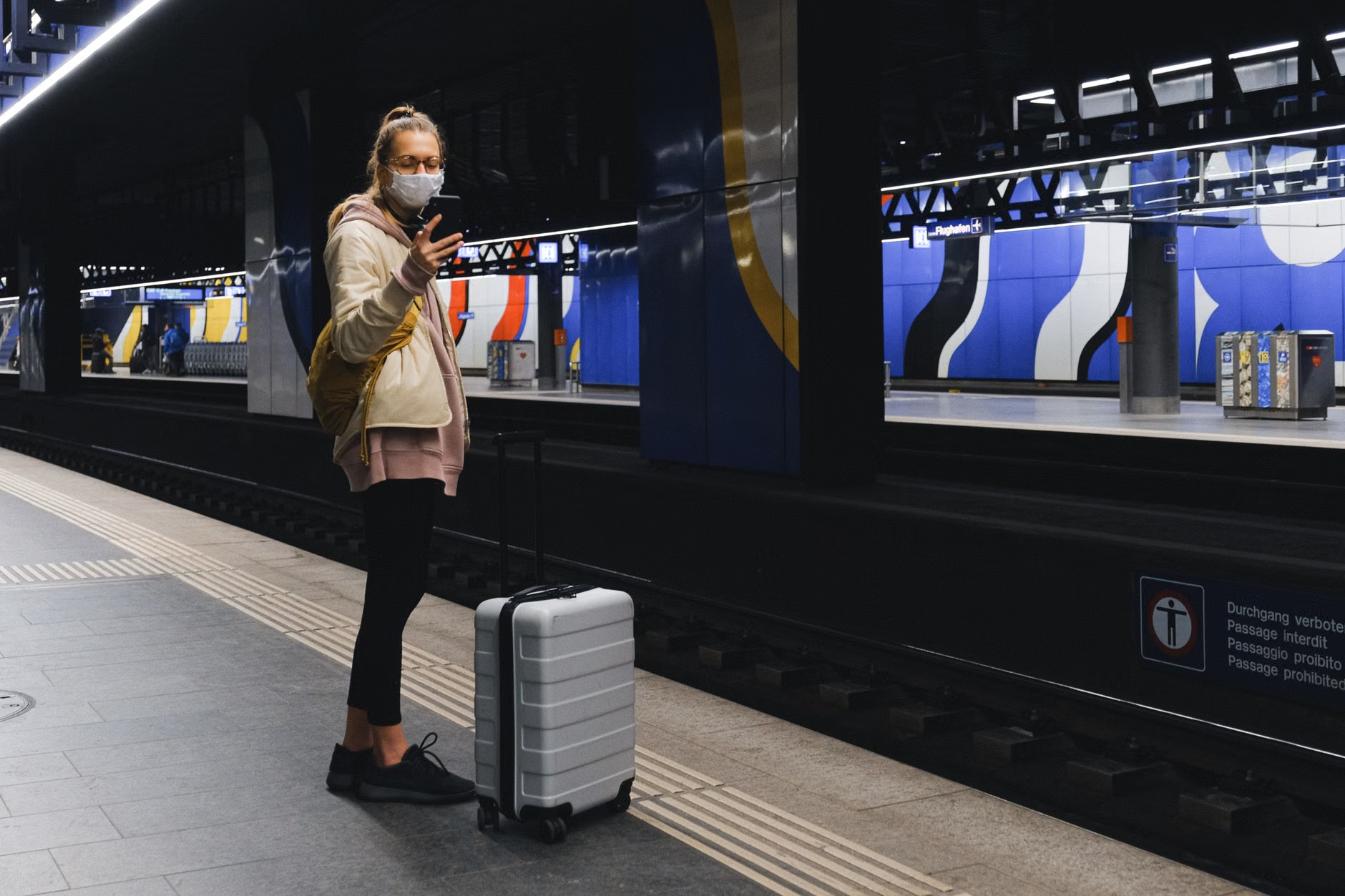
Historical platforms are often exposed to the elements. Rain makes stone platforms dangerously slippery, and wind can affect balance. Always check the long-range weather forecast for your destination station. If rain is expected, prioritize waterproof footwear with deep treads. Furthermore, be aware that many rural stations have poor lighting after sunset. If your travel schedule forces you to arrive after dark, consider wearing a small, wearable LED light or ensuring your phone’s flashlight is fully charged and easily accessible.
Practical Decision Criteria for Choosing a Route
When faced with multiple route options, use this decision framework to prioritize your safety and comfort:
| Criteria | Choose Option A (Modern/Direct) | Choose Option B (Historical/Scenic) |
|---|---|---|
| Mobility Level | If mobility is currently limited or you are recovering from an injury. | If you have full mobility and can manage small steps. |
| Luggage | If carrying more than one medium-sized bag. | If traveling with a single, lightweight carry-on. |
| Support | If traveling alone. | If traveling with a companion who can assist. |
The “Historical/Scenic” option is often tempting, but it requires a higher degree of physical readiness. Be honest with yourself about your stamina levels on the day of the trip. It is better to choose a slightly less scenic route that offers reliable accessibility than to struggle through a beautiful but physically demanding station.
Conclusion
Navigating historical train platforms as a senior traveler is entirely achievable with the right preparation. By scouting your stations digitally, investing in the right luggage, communicating your needs to rail operators in advance, and pacing your journey to account for physical stamina, you can enjoy the beauty of rural train travel without unnecessary risk. Remember that your comfort and safety are the most important components of any trip. Prioritize these, and the journey itself will become a highlight of your travel experience.
Frequently Asked Questions
1. What should I do if the station staff are not available to help me board?
If you have pre-booked assistance and no one arrives, use the station’s emergency help point, usually located on the platform or near the entrance. If you have a mobile phone, call the rail operator’s customer service number immediately. Do not attempt to board a train with a significant height gap or steep stairs without assistance if you feel unsteady.
2. Is it better to use a cane or a walker for train travel?
A cane is generally more portable and easier to manage in the confined spaces of a train carriage. If you require a walker, ensure it is a lightweight, foldable model. However, be aware that many older rural trains have narrow aisles that may not accommodate a standard-sized walker. Check the carriage dimensions with the rail operator if you plan to travel with mobility aids.
3. How can I find out if a rural station has accessible toilets?
Accessible toilets in rural stations are not guaranteed. Check the station’s profile on the national rail operator’s official website. If information is missing, call the station directly. If no accessible toilet is available, plan your journey to include a stop at a larger, modern station where amenities are more likely to be up to date.
For further reading and to verify accessibility standards in your region, please visit your national rail provider’s official website, such as National Rail (UK) or Amtrak (USA). Always check the specific “Station Information” page for each stop on your itinerary.