- Consistency over Intensity: Gentle, daily ankle stretches are more effective for long-term mobility than infrequent, high-intensity sessions.
- Stability First: Always perform these stretches on a stable, non-sliding chair to prevent unnecessary falls or balance issues during the exercise.
- Functional Integration: Ankle mobility is the foundation of gait safety; improving your range of motion directly reduces your risk of trips and stumbles in daily life.
Introduction: Why Ankle Mobility Matters for Independent Living
For adults aged 60 to 80, the health of the lower extremities is a primary determinant of independence. Many people focus on knee or hip health, yet the ankle acts as the critical interface between your body and the ground. When ankle mobility decreases—a condition often associated with stiffening tendons and reduced range of motion in the talocrural joint—your gait changes. You may find yourself shuffling more, lifting your toes less, or feeling less stable on uneven surfaces.
This article explores the specific, science-backed practice of seated calf stretching. By focusing on the gastrocnemius and soleus muscles while in a seated position, you bypass the need for standing balance, making this an ideal preventive exercise for those who may feel unsteady on their feet or who are recovering from minor lower-limb fatigue. Our goal is to provide a comprehensive framework for maintaining the flexibility required to walk confidently, climb stairs safely, and navigate the world without hesitation.
Understanding the Mechanics of the Calf Complex
To stretch correctly, you must understand what you are targeting. The “calf” is composed of two primary muscles: the gastrocnemius and the soleus. Both muscles converge into the Achilles tendon, which attaches to the heel bone (calcaneus). When these muscles become tight, they pull on the heel, effectively locking the ankle in a position that limits “dorsiflexion”—the ability to pull your toes toward your shin.
Limited dorsiflexion is a known risk factor for falls. If you cannot pull your toes up sufficiently while walking, you are more likely to catch your toe on rugs, sidewalk cracks, or thresholds. Seated calf stretches are designed to isolate these muscles safely, allowing you to gradually restore the elasticity of the tissue without putting your full body weight on a potentially unstable joint.
Preparing for Your Session: Setting the Environment
Before you begin any mobility routine, your environment must be safe. A common mistake is attempting these stretches on a rolling office chair or a chair with wheels. Always use a chair that is stationary, sturdy, and has a flat, non-slip surface.
Consider the following preparation checklist:
- Footwear: Wear flat, supportive shoes, or go barefoot if you are on a non-slip surface like a carpeted floor. Avoid socks on hardwood or tile, as they can cause you to slide unexpectedly.
- Surface: Ensure the chair is placed against a wall to prevent it from sliding backward if you shift your weight.
- Hydration: While stretching seems low-impact, muscle tissue responds significantly better to elasticity when the body is hydrated.
Step-by-Step: The Seated Towel-Assisted Calf Stretch
The towel-assisted stretch is often the most effective method for seniors because it allows you to control the depth of the stretch without over-straining the lower back or knee.
- Positioning: Sit at the edge of your chair with your back straight. Extend one leg forward, keeping the heel on the floor.
- The Tool: Loop a sturdy, non-stretchy towel or a resistance band around the ball of your foot (just below the toes, not the arch).
- The Motion: Hold the ends of the towel with both hands. Keep your knee straight but not “locked” or hyper-extended. Gently pull the towel toward your chest.
- The Hold: You should feel a gentle, dull pull in the back of your lower leg. Hold this for 30 seconds.
- Repetition: Repeat this 3 times per leg.
Warning Sign: If you feel sharp, stabbing pain in the heel or behind the knee, stop immediately. Stretching should feel like a “tightness” or a “pull,” never a sharp pain. Sharp pain may indicate micro-tears in the muscle or nerve impingement, which requires professional evaluation by a physical therapist.
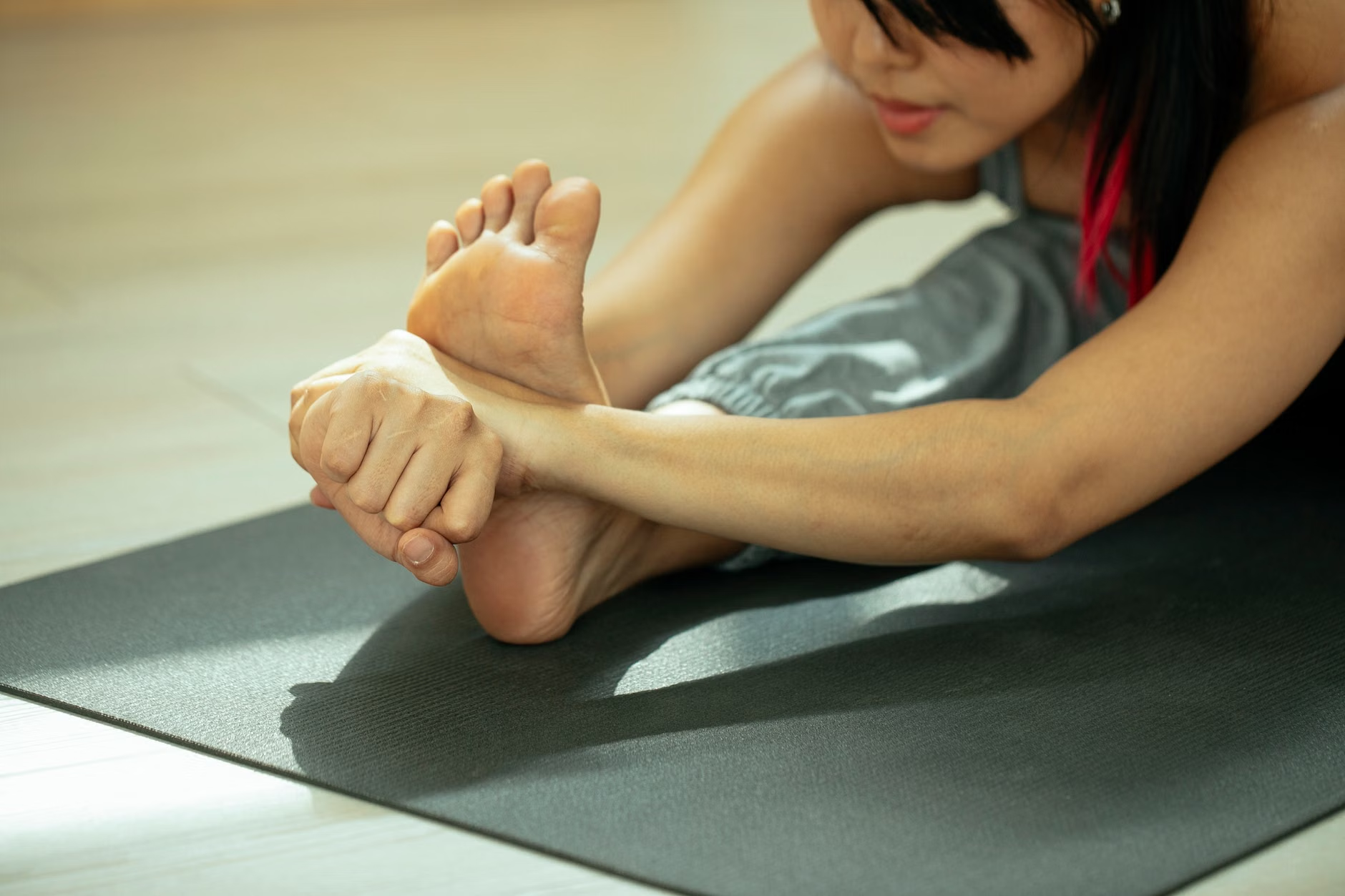
The Role of the Soleus: Why Knee Position Matters
Most people stretch only the gastrocnemius by keeping the knee straight. However, the soleus muscle lies underneath the gastrocnemius and is often the “hidden” culprit of ankle stiffness. To target the soleus, you must bend the knee slightly.
The “Bent-Knee” Variation:
- Sit as you did before, but this time, keep your knee bent at a 30-degree angle while your heel is on the floor.
- Lean forward slightly from your hips—keep your back flat, do not round your shoulders.
- You will feel the stretch lower in the calf, closer to the Achilles tendon. This is the soleus.
By alternating between the straight-leg stretch (gastrocnemius) and the bent-knee stretch (soleus), you ensure that the entire lower leg complex remains supple.
Comparative Analysis: Seated vs. Standing Stretches
The following table outlines why the seated method is often superior for those 60-80, depending on specific physical conditions.
| Feature | Seated Stretches | Standing Stretches |
|---|---|---|
| Fall Risk | Negligible | Moderate (requires balance) |
| Equipment | Chair, Towel | Wall or Support Bar |
| Accessibility | High (suitable for limited stamina) | Lower (requires standing endurance) |
| Focus | Isolation of calf muscles | Weight-bearing integration |
If you have a history of vertigo, inner-ear issues, or significant joint pain in the hips, the seated method is the medically preferred starting point. It removes the “balance tax” on your nervous system, allowing you to focus entirely on the physiological lengthening of the muscle fibers.
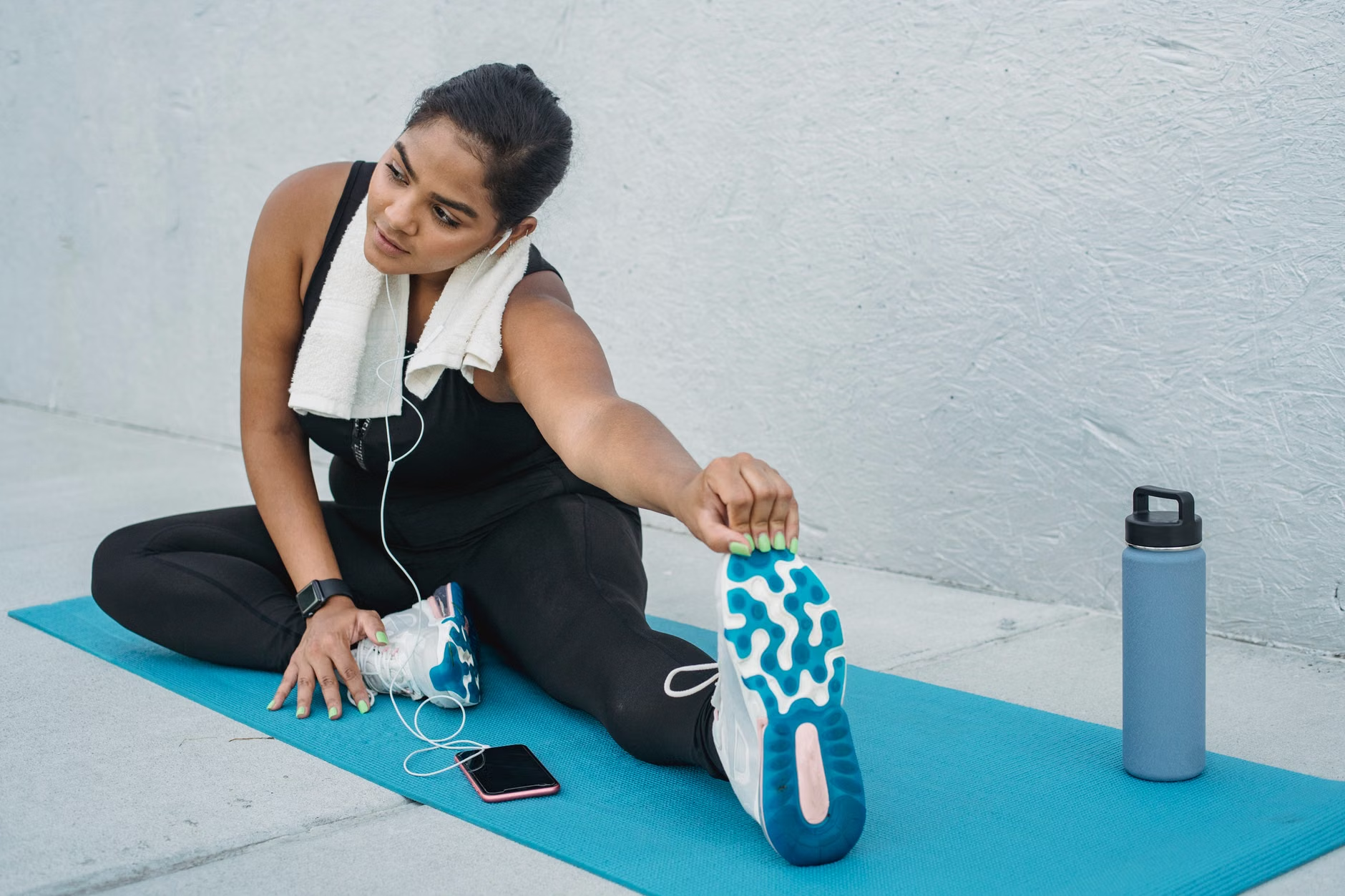
Integrating Mobility into Your Daily Routine
Consistency is more important than duration. Stretching for five minutes every day is significantly more effective than a 30-minute session once a week. Many of our readers find success by “habit stacking”—attaching the stretch to an existing daily activity.
Examples of Habit Stacking:
- The Morning Coffee Routine: While waiting for your coffee to brew, perform two sets of seated calf stretches.
- The Evening News: During a commercial break or a segment you’ve already heard, use the time to work on both legs.
- Desk/Table Work: If you spend time reading or using a computer, set a timer for every 60 minutes to perform a quick 30-second stretch for each leg.
Common Mistakes and How to Avoid Them
Even with simple movements, technique errors can reduce effectiveness or cause discomfort. Here are the three most common mistakes observed in clinical settings:
1. The “Bounce” Technique
Many people believe that “bouncing” while stretching helps reach further. This is a common misconception. Bouncing triggers the “stretch reflex,” causing the muscle to tighten up to protect itself from injury. Always use slow, static pressure.
2. Rounding the Spine
When trying to reach the foot, many people round their back. This puts unnecessary pressure on the lumbar discs. Keep your chest up and move from the hips, not the waist.
3. Neglecting the Ankle Rotation
Stretching is only half the battle. After your calf stretches, perform “ankle circles.” Rotate your foot clockwise 10 times, then counter-clockwise 10 times. This helps lubricate the joint with synovial fluid, which is essential for joint health in older adults.
When to Seek Professional Guidance
While preventative stretching is safe for most, certain symptoms indicate that you should consult a physical therapist or your primary care physician before continuing:
- Persistent Edema: If your ankles are frequently swollen, stretching alone will not resolve the issue. Persistent swelling may indicate venous insufficiency or heart-related fluid retention.
- Numbness or Tingling: If you feel “pins and needles” in your feet during the stretch, you may be experiencing nerve compression in the lower back (sciatica) or peripheral neuropathy.
- Post-Surgical Status: If you have had recent foot, ankle, or knee surgery, follow the specific rehabilitation protocol provided by your surgeon. Do not introduce new stretches without approval.
The Relationship Between Ankle Mobility and Travel
For the active senior traveler, ankle mobility is a prerequisite for enjoyment. Whether navigating cobblestone streets in Europe or moving through large, sprawling airports, your ability to dorsiflex is what allows you to walk with a natural, energy-efficient gait. When your ankles are stiff, you expend more energy with every step, leading to faster fatigue and a higher likelihood of needing to cut your sightseeing short.
If you are planning a trip, start your ankle mobility routine at least 4 to 6 weeks before departure. This “pre-habilitation” allows your muscles to adapt to the increased walking demands of travel. When traveling, continue your seated stretches in your hotel room each morning—it is a low-cost, high-reward way to ensure your trip remains focused on the experience rather than the physical toll of movement.
Scientific Context: The Evidence for Stretching
Research published in journals such as the Journal of Aging and Physical Activity consistently highlights that controlled, low-intensity stretching improves joint range of motion (ROM) in populations over 65. The biological mechanism is two-fold: it increases the plastic deformation of the muscle-tendon unit and improves the neural tolerance to stretch. Essentially, your brain becomes more comfortable allowing the muscle to reach its full length.
It is important to note that stretching will not increase bone density or reverse severe arthritis. However, by optimizing the soft tissues surrounding the joint, you minimize the “compressive force” that stiff muscles exert on arthritic joints, which can lead to a significant reduction in daily discomfort.
Conclusion: Building a Sustainable Habit
Maintaining ankle mobility is a quiet, daily victory for your long-term independence. By adopting these seated calf stretches, you are not just “exercising”—you are investing in your ability to walk, travel, and navigate your home with confidence. Start today with just one set, focus on your form, and listen to your body’s signals. Your future self will thank you for the extra mobility you build today.
Frequently Asked Questions (FAQ)
1. How long does it take to see results in ankle flexibility?
Most individuals notice an improvement in the “ease” of walking within 2 to 3 weeks of consistent daily stretching. However, significant changes in range of motion usually take 8 to 12 weeks of dedicated practice. Patience is essential.
2. Can I use these stretches if I have plantar fasciitis?
Yes, in many cases, calf tightness is a major contributor to plantar fasciitis. However, because plantar fasciitis can be painful, you should start with very gentle tension. If the pain in your heel increases after stretching, consult a physical therapist to ensure you aren’t aggravating the condition.
3. Should I stretch before or after my daily walk?
It is best to perform “dynamic” movements (like ankle circles) before your walk and “static” stretches (like the ones described in this article) after your walk. Stretching muscles that are already “warm” from activity is generally more effective and less likely to result in strain.
Sources and Further Reading:
For more information on fall prevention and senior mobility, consult the official guidance provided by the Centers for Disease Control and Prevention (CDC) – Older Adult Fall Prevention.