- Prioritize “Universal Design”: Look for gardens that explicitly state they are wheelchair-accessible or follow universal design standards, as traditional historical gardens often feature uneven stone steps and gravel paths that pose significant fall risks.
- Strategic Pacing: Limit your garden visits to one major site per day, allocating at least 30 minutes of rest for every 60 minutes of walking to manage stamina and heat exposure.
- Verify Infrastructure: Before booking, confirm the existence of “level access” routes, functional elevators in multi-level gardens, and the availability of barrier-free restroom facilities near the entrance and midpoint.
Introduction to Accessible Garden Exploration
For many travellers aged 60 to 80, the appeal of Asian gardens—from the minimalist Zen landscapes of Japan to the lush, tropical botanical displays of Singapore—is undeniable. However, the intersection of aesthetic beauty and physical accessibility is not always seamless. Historically, many traditional gardens in Asia were designed with aesthetics, philosophy, and defense in mind, often featuring steep inclines, uneven natural stone, and narrow, winding paths that can be challenging for those with mobility aids or reduced stamina.
This guide provides a comprehensive framework for selecting and navigating garden tours across Asia. We move beyond the “tourist brochure” view to focus on the practical realities of mobility, safety, and sustainable enjoyment. Whether you are travelling independently or with a group, selecting the right venue is the most significant factor in ensuring your travel remains a source of rejuvenation rather than physical strain.
Evaluating Garden Accessibility: The Three-Pillar Framework
When researching potential garden tours, it is common to see the phrase “senior-friendly.” This term is often subjective. To make an informed decision, you should evaluate potential destinations based on three specific physical pillars: Surface Integrity, Gradient Management, and Support Infrastructure.
1. Surface Integrity: Beyond Aesthetics
The ground beneath your feet is the most critical safety variable. Many traditional Asian gardens use “stamped earth,” loose gravel, or irregular river stones to maintain a “natural” look. While beautiful, these surfaces are high-risk for individuals with balance concerns or those using canes or walkers.
- High Accessibility: Paved, non-slip pathways, wide wooden boardwalks, and flat, compressed soil paths.
- Moderate Accessibility: Well-maintained stone pavers with narrow gaps (to prevent tripping) and clearly defined edges.
- Low Accessibility: Loose gravel, steep natural rock steps, moss-covered stone paths, and unpaved, uneven terrain.
2. Gradient Management and Verticality
Gardens often use elevation to create dramatic views. However, a garden that requires climbing 50 stairs to reach a pagoda may be inaccessible to many. Look for “barrier-free” maps online. Most major botanical gardens in cities like Tokyo, Singapore, or Taipei provide digital maps that color-code paths based on difficulty. If a map is not available, check the official website for “wheelchair accessible route” descriptions. If a garden advertises a “circular route,” verify if it includes a shuttle service for the incline portions.
3. Support Infrastructure: The Reality of Rest
A garden is only as accessible as its resting points. A common mistake is assuming that benches are abundant. In many historical sites, seating is limited to protect the landscape’s integrity. Look for gardens that feature “rest stations” every 200 to 300 meters. These should ideally include back-supported seating, shade, and proximity to accessible toilets.
| Feature | Requirement for Seniors | Why it Matters |
|---|---|---|
| Path Width | Minimum 1.2 meters | Allows for walking aids and passing others safely. |
| Restrooms | Universal Access/Grab Bars | Prevents falls and manages medical conditions. |
| Rest Areas | Every 200-300m | Prevents over-exertion and supports stamina. |
Choosing the Right Destination: A Regional Comparison
Different regions in Asia have different approaches to garden accessibility. Understanding these regional tendencies can help you narrow down your destination choices.
Singapore: The Gold Standard for Urban Accessibility
Singapore’s Gardens by the Bay and the Singapore Botanic Gardens are arguably the most accessible in Asia. Because these are modern, purpose-built, or heavily retrofitted, they feature wide, flat, slip-resistant paths, an abundance of elevators, and excellent signage. The climate is the only significant challenge here; humidity can impact stamina, so plan visits for early morning (8:00 AM to 10:00 AM).
Japan: The Blend of Tradition and Modernity
Japan offers a diverse range of gardens. While the famous “Zen” gardens (kare-sansui) are often viewed from a veranda—making them highly accessible—the larger strolling gardens (kaiyu-shiki) can be physically demanding. Look for gardens attached to major museums or public parks, as these have been upgraded with universal design features. Avoid smaller, private temple gardens unless you have confirmed that they offer flat viewing platforms.
Taiwan: Public Infrastructure Focus
Public parks in Taiwan, such as the Taipei Botanical Garden, are well-maintained and generally flat. The city’s investment in public infrastructure means that the transition from public transport to the garden entrance is usually smooth. This is an excellent choice for seniors who prioritize ease of access to public amenities.
Practical Preparation: A Checklist for Your Visit
Preparation is the difference between a stressful excursion and a relaxing day. Use this checklist to ensure your visit is safe and manageable.
- Verify the “First Mile”: Check the distance from the nearest public transport station to the entrance. A 500-meter walk on city sidewalks can be more exhausting than the garden tour itself. Consider using a taxi for the final leg if the station is far.
- Hydration and Medication Kit: Carry a lightweight bag with water, electrolyte packets, and a clear list of your medications. In many Asian countries, pharmacies are not located inside gardens, so be prepared.
- The “Pivot” Plan: Always have a backup plan. If you arrive and find a path is under construction or too steep, know where the nearest exit or café is. Do not feel obligated to complete the entire circuit if your energy levels dip.
- Footwear Selection: Even in “accessible” gardens, there may be small patches of uneven ground. Wear supportive, broken-in walking shoes with non-slip soles. Avoid sandals without back straps, as they do not provide the stability needed for variable terrain.
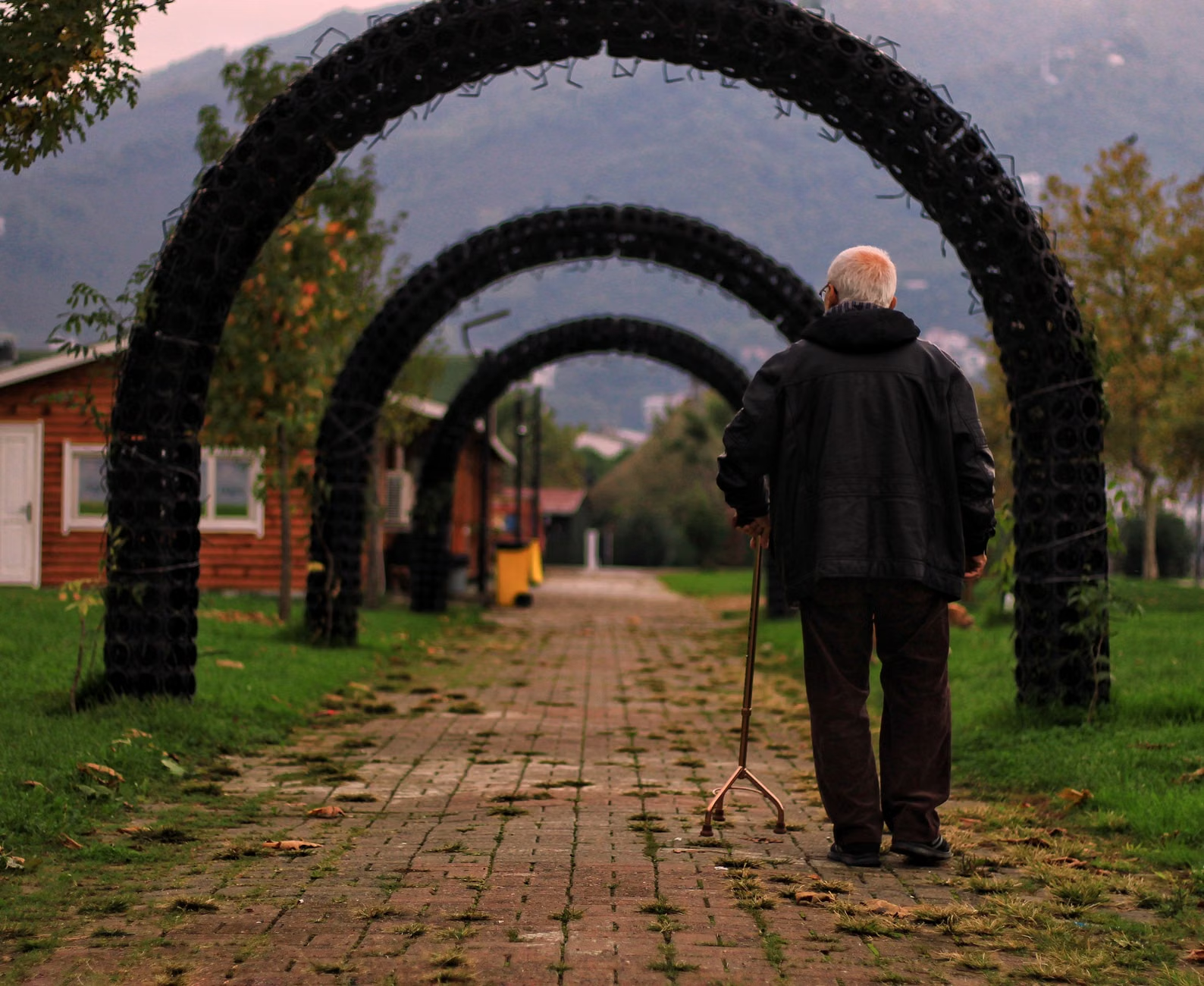
Managing Stamina and Thermal Comfort
Asia’s climate varies from temperate to tropical. For seniors, heat and humidity can significantly accelerate fatigue. Overheating is not just uncomfortable; it can lead to dehydration and dizziness, which are significant fall risks.
The “Cooling-Down” Strategy
If you are travelling in a tropical environment, such as Southeast Asia, adopt a “15-minute rule.” For every 15 minutes of walking in the sun, seek 5 minutes of shade. Many modern Asian gardens have designated indoor conservatories or climate-controlled pavilions. These are not just “attractions”—they are essential recovery zones. Plan your route to move from one indoor space to the next.
Understanding Your Own Pacing
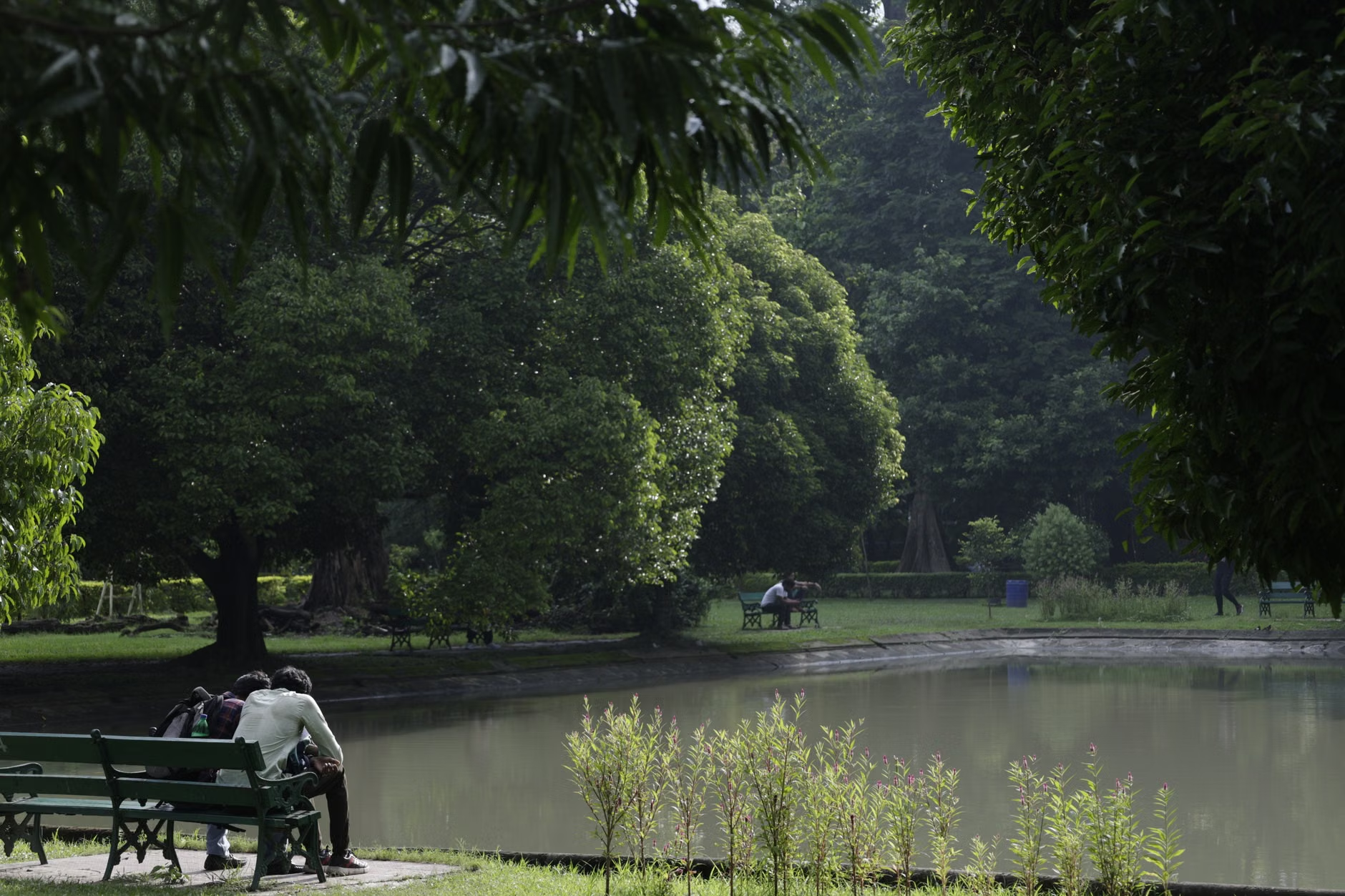
Do not compare your pace to younger travellers or your past self. A comfortable pace allows you to observe the details of the garden—the texture of the moss, the movement of the koi, the architecture of the bridges. If you find yourself holding onto railings or struggling to catch your breath, it is a clear sign to stop immediately. Find a bench, hydrate, and assess whether to proceed or return to the entrance.
Deciding whether to join a tour group or travel independently depends on your comfort with logistics and your physical stamina. Each has distinct trade-offs.
The Case for Group Tours
Group tours can be excellent if they are specifically designated as “leisure” or “accessible” tours. The advantage is the logistical support: transport is often provided from hotel to garden, and the guide manages the tickets and entry. However, be cautious: many “standard” group tours move at a pace that is too fast for many seniors. Always ask the tour operator for the “walking pace” and “stair count” of the itinerary before booking.
The Case for Independent Travel
Independent travel offers complete control. You decide when to start, when to rest, and how long to stay. This is generally better for those who need frequent, unscheduled breaks. The disadvantage is that you must handle all navigation and transport. For independent travellers, using a “ride-hailing” app (like Grab in Southeast Asia or Uber/local equivalents in Japan) can remove the stress of navigating public transport systems while tired.
Advanced Planning: Technology and Digital Tools
Modern technology has made it easier than ever to assess accessibility before you leave your home. Use Google Maps’ “Street View” to virtually walk the perimeter of a garden. This allows you to see the type of ground surface at the entrance and identify any obvious stairs. Additionally, many tourism boards now publish “Barrier-Free Tourism” guides in English. Search for these specifically using the name of the city and the term “barrier-free tourism.”

Addressing Hidden Inconveniences: What Most Guides Ignore
When planning, it is easy to focus on the “big” obstacles like stairs and forget the “small” ones. Here are three often-overlooked variables:
- Lighting Transitions: Moving from bright, outdoor sunlight into a shaded, indoor pavilion can cause temporary vision adjustment issues for older eyes. Take a moment to stand still at the entrance of a building until your eyes adjust.
- Restroom Thresholds: In some older or more rustic gardens, the “accessible” restroom may still have a small threshold or a heavy door that is difficult to open. Carry a small doorstop if you feel you might need it, or travel with a companion who can assist.
- Crowd Dynamics: Popular gardens can be crowded. If you have mobility concerns, avoid weekends and public holidays. The pressure from a moving crowd can be disorienting and increases the risk of being bumped or losing your balance.
Safety and Emergency Preparedness
While the goal is to enjoy the beauty of the gardens, safety must be a priority. Ensure you have the local emergency number saved in your phone. In many Asian countries, the emergency number differs from your home country. For example, in Japan, it is 119 for fire and ambulance, while in Singapore, it is 995. Keep a paper card in your wallet with your name, blood type, any critical medical conditions, and a local contact number written in both English and the local language.
Furthermore, if you are travelling with a companion, establish a “meeting point” at every location. If you become separated due to a crowd, knowing exactly where to meet—such as the main information desk or the entrance gate—reduces panic and ensures a quick reunion.
Conclusion: Crafting a Sustainable Travel Experience
Selecting an accessible garden tour in Asia is about matching the destination’s physical reality with your personal mobility needs. By prioritizing venues with universal design, planning your pacing to include frequent rest, and using digital tools to verify infrastructure, you can enjoy the serenity of Asia’s most beautiful spaces without compromising your safety or comfort.
Remember that the quality of your trip is measured by your ability to appreciate the experience, not by the number of sites you visit. Allow yourself the grace to take it slow, enjoy the shade, and prioritize your well-being. With the right preparation, these gardens can provide a profound sense of peace and cultural connection that is well worth the effort of planning.
Frequently Asked Questions
1. How can I confirm if a specific garden is actually wheelchair-accessible?
Do not rely solely on the term “accessible.” Visit the garden’s official website and look for a “Barrier-Free” or “Facility Map.” If you cannot find one, email the garden’s administration office directly. Ask: “Is there a continuous path without stairs or steep inclines that connects the main entrance to the center of the garden?”
2. Are there specific months that are better for seniors to visit Asian gardens?
Generally, spring (March to May) and autumn (October to November) offer the most comfortable temperatures. Avoid the summer months (June to August) if you are sensitive to heat, as the high humidity levels in many parts of Asia can cause rapid exhaustion and increase the risk of heat-related illness.
3. Should I bring my own mobility aid if I am unsure about availability?
Yes. While many large gardens offer rental wheelchairs, they are often limited in number and available on a first-come, first-served basis. If you rely on a cane, walker, or wheelchair, bringing your own ensures it is fitted to your specific needs and is available exactly when you need it. Ensure your mobility aid is collapsible for easy transport in taxis or public transit.
Sources and further reading: