Maintaining foot dexterity is a cornerstone of independent living for adults aged 60 to 80. While much of our focus on fitness centers on cardiovascular health or core strength, the feet serve as the primary interface between your body and the ground. When foot muscles weaken, our balance, gait, and confidence in movement often diminish. Seated toe-spreads are a low-impact, highly effective exercise that can be performed anywhere, helping to restore range of motion and improve the structural integrity of your feet.
- Foot dexterity directly correlates to better balance and a reduced risk of trips and falls.
- Seated toe-spreads are a safe, low-stress method to activate the intrinsic muscles of the foot without putting weight on joints.
- Consistency is more important than intensity; practicing these movements daily for 5–10 minutes yields better long-term results than occasional, strenuous workouts.
Understanding Foot Dexterity in Later Life
As we age, the connective tissues in our feet—the fascia and tendons—can become less elastic. Furthermore, the intrinsic muscles, which are the small muscles located entirely within the foot, often atrophy due to the restrictive nature of modern footwear. This loss of strength can lead to a phenomenon known as “foot stiffness,” where the toes lose their ability to spread independently or grip the ground effectively.
Why does this matter? Your feet are equipped with thousands of nerve endings that provide “proprioception”—the brain’s ability to sense your body’s position in space. When your toes are rigid or huddled together, your brain receives less sensory feedback from the ground. This contributes to a less stable base of support, which can make navigating uneven surfaces or changing directions more challenging.
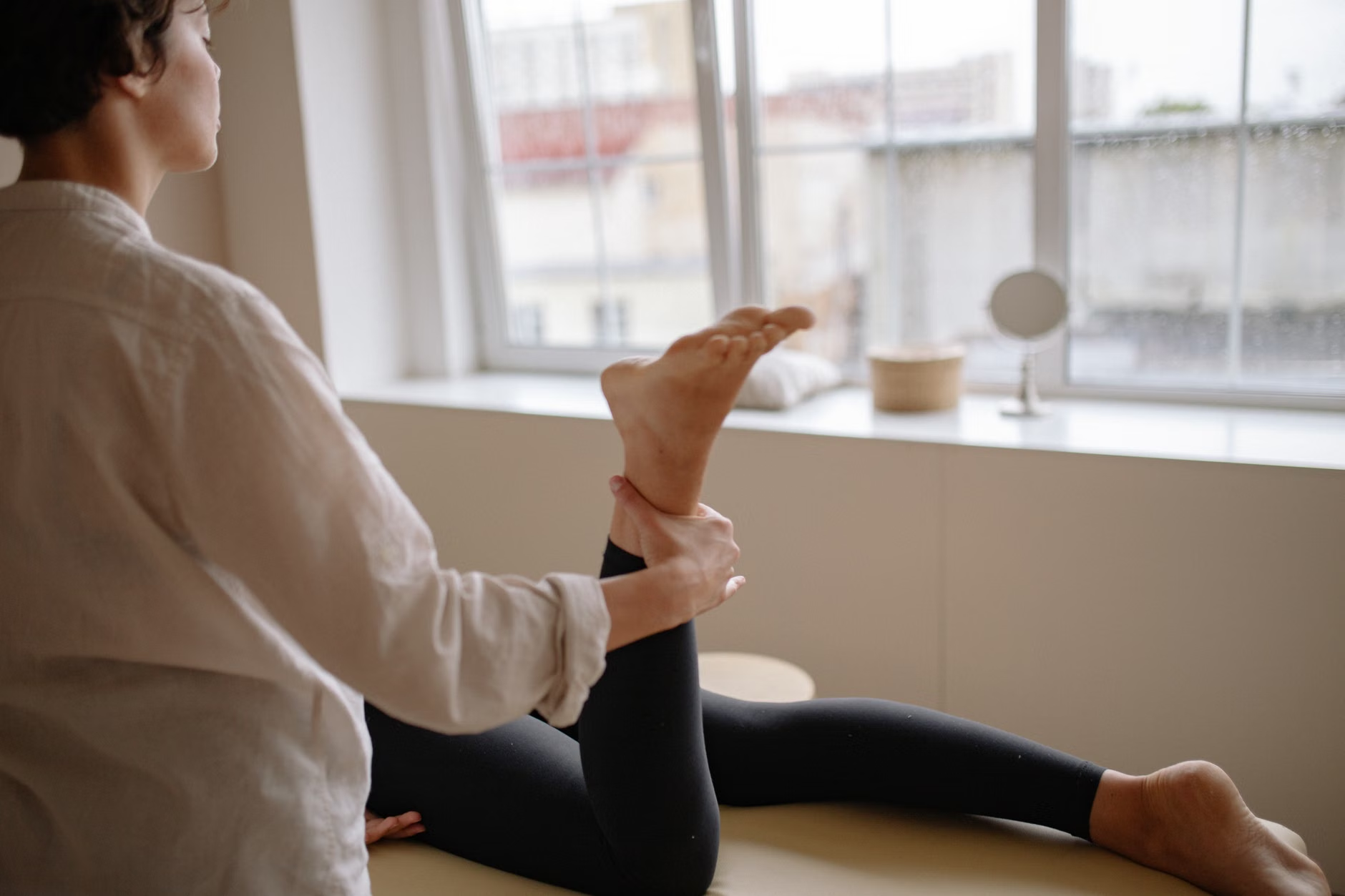
The Anatomy of the Seated Toe-Spread
The seated toe-spread is a targeted exercise designed to isolate the abductor hallucis (the muscle that moves the big toe) and the dorsal interossei (the muscles that spread the smaller toes). By performing this while seated, you eliminate the pressure of gravity and body weight, allowing you to focus entirely on the neural connection between your brain and your toes.
How to Perform the Basic Movement
- Positioning: Sit in a sturdy, upright chair with your back supported. Ensure your feet are flat on the floor, hip-width apart.
- Neutral Alignment: Relax your feet. Do not curl your toes or press them hard into the floor.
- The Spread: Focus on lifting your toes slightly off the ground and splaying them outward, as if you are trying to stretch the space between them.
- Hold and Release: Hold the spread for 3–5 seconds, then relax. Repeat this cycle 10 times.
Common Mistake: Many people attempt to force the movement by curling their toes underneath. If you notice your toes curling, stop, relax, and focus on lifting the toes rather than squeezing them. If you cannot feel the movement at first, this is normal. The goal is to re-establish the neural pathway; even if the toes do not move much initially, the intention to move them sends a signal from the brain to the muscles.
Progressive Challenges for Long-Term Maintenance
Once you become comfortable with the basic toe-spread, you may find that your foot muscles adapt and the exercise becomes easier. To continue seeing benefits, you should introduce light resistance or variation. It is important to note that these progressions should only be attempted once you have mastered the basic movement without pain or cramping.
Using Resistance
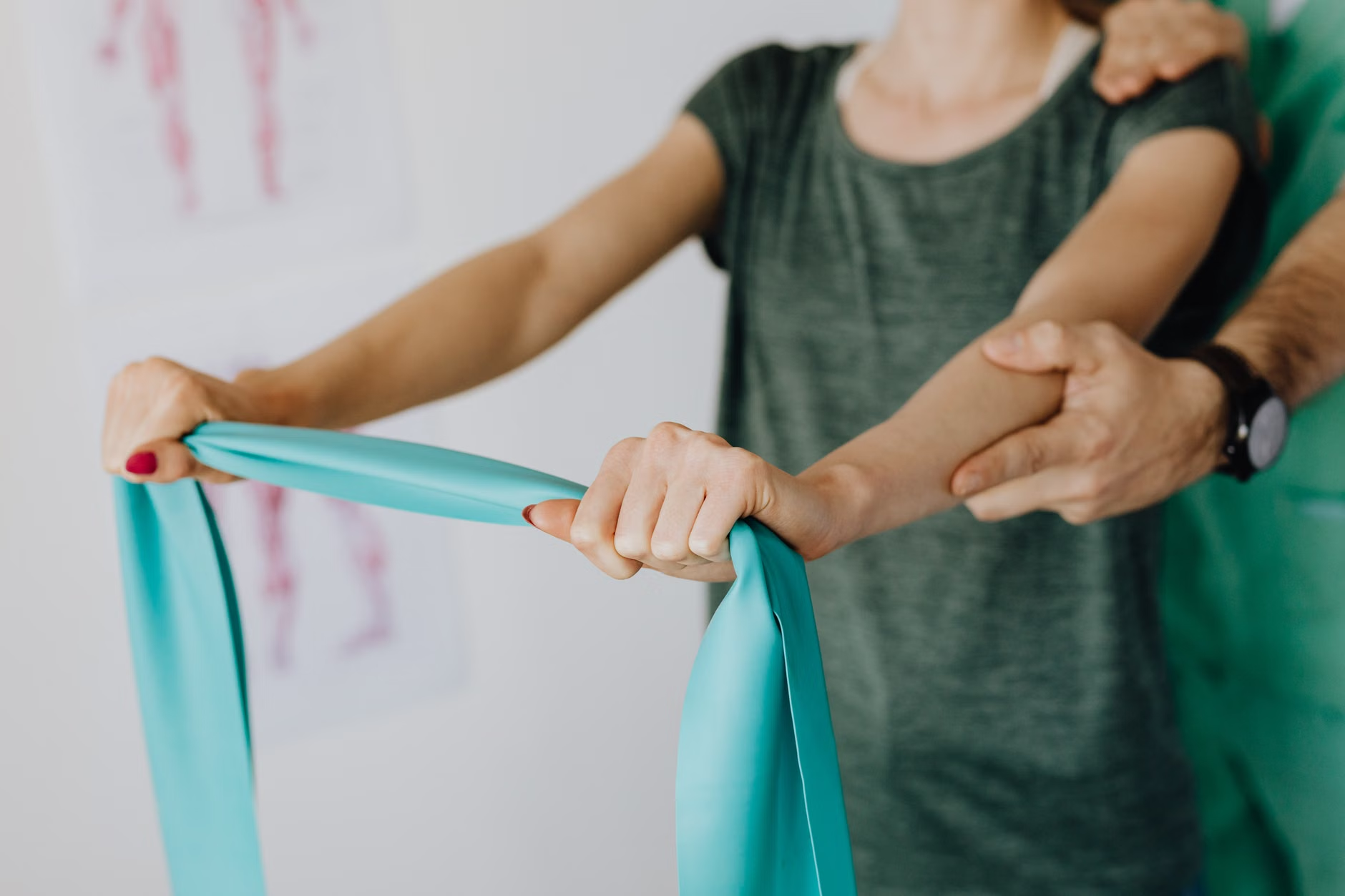
You can use a soft, circular resistance band (often called a “mini-band”) around your toes. Place the band across the base of your toes and attempt to spread them against the tension of the band. This acts as a strength-training exercise, forcing the muscles to work harder than they would against air alone.
| Level | Focus | Recommended Frequency |
|---|---|---|
| Beginner | Range of motion (no resistance) | Daily, 2 sets of 10 reps |
| Intermediate | Holding the spread for longer (5-8 seconds) | Daily, 3 sets of 10 reps |
| Advanced | Light resistance (soft band) | 3-4 times per week, 3 sets of 8 reps |
The table above serves as a guide for progression. If you feel sharp pain or persistent cramping, regress to the previous level immediately. The goal is muscle endurance, not maximal force.
Beyond the Exercise: Integrating Foot Health into Daily Life
Exercises are only one part of the equation. To maintain the gains you make with seated toe-spreads, consider the environment in which your feet spend most of their time. Footwear plays a critical role in whether your intrinsic muscles are being utilized or suppressed.
The Role of Footwear
Many shoes are designed with a tapered toe box, which forces the toes into a narrow, bunched position. Over decades, this can physically alter the shape of the foot. When choosing footwear, look for:
- Wide Toe Boxes: Ensure there is enough room for your toes to splay naturally when you are standing.
- Flexibility: The shoe should bend at the ball of the foot, not in the middle of the arch.
- Support vs. Restriction: While arch support is often necessary for those with flat feet or plantar fasciitis, ensure the support does not prevent the foot from moving naturally within the shoe.
If you have specific foot conditions, such as severe bunions, hammer toes, or neuropathy, consult a podiatrist before beginning a new exercise regimen. These conditions may require specific orthotics or modifications that standard exercises cannot address.

When should you seek professional help regarding your foot health? While daily maintenance is excellent, some warning signs require a clinical evaluation. If you notice persistent numbness, tingling, or a “pins and needles” sensation in your feet, this could be a sign of peripheral neuropathy or circulation issues, particularly in those with diabetes.
If you are planning to visit a podiatrist, arrive prepared. Bring a list of any medications you are taking, as some can affect nerve health. Be ready to describe any specific activities that cause discomfort—for example, do you feel pain while walking on hard surfaces, or is it present even when resting? Keeping a simple log of these symptoms for one week prior to your appointment can provide your healthcare provider with invaluable data.
The Psychological Aspect of Physical Maintenance
There is a significant psychological benefit to taking charge of your own physical maintenance. By dedicating time to exercises like seated toe-spreads, you are affirming your autonomy. It shifts the narrative from “aging is a process of decline” to “aging is a process of active maintenance.” This mindset is perhaps the most important tool for longevity.
Remember that progress is often non-linear. Some days your feet will feel stiff, and other days they will feel supple. This is perfectly normal. The key is to avoid the “all-or-nothing” mentality. If you miss a day, do not try to “make up” for it by doing double the exercises the next day. Simply resume your routine as usual.
Practical Tips for Sustainability
To ensure you actually stick to this routine, anchor it to an existing habit. For instance, perform your toe-spreads while you are having your morning coffee, or while watching your favorite evening news program. By pairing the exercise with a sedentary activity you already enjoy, you remove the “friction” of having to remember to do it.
Additionally, consider the surface you are sitting on. A firm chair is better than a soft sofa. If you are sitting on a sofa, your pelvis may tilt backward, which can put unnecessary strain on your lower back. If you must exercise on a sofa, place a firm cushion behind your lower back to maintain a neutral spine. This ensures that the energy you expend is focused on your feet rather than compensating for poor posture.
Conclusion: A Foundation for Independence
Foot dexterity is not just about the toes; it is about the entire kinetic chain of your body. By strengthening the small, often-forgotten muscles in your feet, you are building a more stable foundation for every step you take. Start slowly, be consistent, and listen to your body. Whether you are walking through a park, navigating a grocery store, or simply moving about your home, your feet are your most important transport system—treat them with the care and attention they deserve.
Frequently Asked Questions
- Q: Can I do these exercises if I have arthritis in my toes?
A: Generally, yes, but you must be gentle. If you have significant joint inflammation, consult with your doctor or a physical therapist. They may suggest specific modifications to ensure you are not aggravating the joint, such as limiting the range of motion during flare-ups. - Q: How long will it take to see results?
A: Neural adaptation—the brain learning to control the toe muscles again—often happens within 2 to 4 weeks of consistent daily practice. However, structural changes in muscle strength take longer, typically 8 to 12 weeks of regular, progressive training. - Q: Are toe-spreaders or toe-separators recommended?
A: Toe separators can be a useful tool to help passively stretch the soft tissues, but they should be used in conjunction with active exercises. They are not a substitute for the muscle-strengthening work that occurs when you actively spread your toes yourself. Start with 15–20 minutes of passive wear if you choose to use them.
Disclaimer: This article is for informational purposes only and does not constitute medical advice, diagnosis, or treatment. Always seek the advice of your physician or other qualified health provider with any questions you may have regarding a medical condition or physical limitation.
Official guidance on fall prevention and senior mobility can be found through the Centers for Disease Control and Prevention (CDC) – Older Adult Fall Prevention.