- Pre-Trip Verification: Never assume an elevator is functional; always check real-time station accessibility apps or official carrier websites 24 hours before your departure.
- The “Plan B” Rule: Identify the nearest step-free alternative, such as a ramp or a station staff-assisted boarding point, if an elevator is reported out of service.
- Strategic Positioning: When booking or boarding, choose carriages closest to the elevator or the station’s designated “Meeting Point” for assistance to minimize walking distances.
Understanding the Reality of Station Accessibility
For many travellers aged 60 and above, regional train travel offers a scenic, cost-effective, and comfortable way to explore the world. However, the difference between a relaxing journey and a stressful ordeal often comes down to one critical factor: the reliability and location of station elevators. Unlike major international hubs that are frequently updated, many regional stations are historic structures where elevators were added as an afterthought, leading to variations in quality, maintenance, and visibility.
Navigating these stations requires more than just physical ability; it requires a strategic mindset. By understanding how to identify potential bottlenecks and how to leverage modern support services, you can maintain your independence and comfort while travelling. This guide focuses on the practical steps you can take to ensure your journey remains smooth, regardless of the station’s age or layout.
The Importance of Pre-Departure Research
The most common mistake travellers make is assuming that because a station is listed as “accessible,” it is perfectly navigable for every individual. Accessibility can mean many things: a wheelchair-accessible platform, a ramp, or an elevator. If you rely on elevators, you must verify their specific status. Many national rail operators, such as Deutsche Bahn (Germany), SNCF (France), or Amtrak (USA), provide live status updates on their websites or mobile applications.
Actionable Step: Visit the official website of the rail provider for your destination. Look for the “Accessibility” or “Assistance” section. Search for your specific station to see if there are any current maintenance alerts. If an elevator is marked as “Out of Service,” it is not a minor inconvenience—it is a signal to re-evaluate your route or request station staff assistance in advance.
Mapping the Station Layout
Large regional stations often have multiple platforms and complex underground or overground walkways. Elevators are not always centrally located. In some older stations, the elevator might be tucked away at the far end of the platform, requiring a significant walk. Before you arrive, take a moment to look at the station map on the operator’s website. Identify the elevator’s location relative to the main entrance and the platform you expect to use.
| Station Feature | What to Look For | Why It Matters |
|---|---|---|
| Elevator Status | Live maintenance feed | Avoids getting stranded on the wrong platform. |
| Platform Access | Distance from entrance | Helps you gauge required walking time and stamina. |
| Staff Presence | “Meeting Point” signage | Critical for physical assistance or guidance. |
The table above highlights that understanding your environment is a form of risk mitigation. If you know the elevator is a 300-meter walk from the main entrance, you can plan to arrive at the station 10 minutes earlier than you otherwise would, preventing the need to rush.

Once you are at the station, your primary goal is to minimize unnecessary exertion. Even in stations with elevators, the path to them can be cluttered or poorly marked. Tactile paving—the raised yellow or grey bumps on the floor—is usually your best guide. These paths are designed to lead visually impaired travellers to elevators and platforms, and they are almost always the most direct, obstacle-free route for any traveller.
Locating Elevators in Historic Stations
In many older European or North American towns, train stations are heritage sites. This means elevators might be located in separate, modern glass towers connected to the platforms via footbridges. If you do not see an elevator immediately upon entering the main hall, look for the “International Accessibility Symbol” (the blue square with a white figure in a wheelchair). Do not rely on following other passengers; they may be heading for the stairs or the shortest route to a platform, which might not be the most accessible one for you.
The Role of Station Staff and Assistance Services
Most national railway operators offer “Assistance Services” that you can book 24 to 48 hours in advance. This is not just for passengers with mobility devices; it is for anyone who may struggle with stairs, heavy luggage, or navigating complex transfers. When you book assistance, a staff member will meet you at a designated point, guide you to the elevator, and ensure you are safely boarded.
Pro Tip: If you haven’t booked in advance, look for the “Service Point” or “Information Desk.” Even if you have limited mobility, walking directly to the information desk is often safer than wandering the platform looking for the elevator. Staff members are trained to provide the most efficient, level-access route to your train.

Managing Stamina and Comfort During Transfers
The transition between trains is often where accessibility challenges peak. If your journey involves a change of trains, you need to factor in “transfer time” that accounts for elevator usage. Elevators are frequently slow, and during peak hours, you may have to wait for two or three cycles before you can board one. This is a common variable that causes travellers to miss connections.
Calculating Realistic Transfer Times
When planning your itinerary, do not just look at the minutes between trains. If you have a transfer, add at least 15 to 20 minutes to the advertised connection time if you are using elevators. This buffer accounts for potential delays in elevator movement, the time taken to navigate from the platform to the transfer walkway, and the need to catch your breath. If you are travelling with heavy luggage, this buffer is even more essential.
Luggage Management and Mobility
Your choice of luggage significantly impacts your ability to navigate elevators. Four-wheeled “spinner” suitcases are generally easier to handle in confined elevator spaces than two-wheeled models, as they can be rotated in place without needing extra clearance. If your stamina is limited, consider a lighter carry-on or using luggage forwarding services (available in many countries like Japan, Germany, and parts of the UK) to send your heavy bags to your final destination, allowing you to travel with only a small daypack.
Advanced Planning: Technology as a Mobility Tool
Technology has transformed the way older adults can navigate transit systems. Beyond simple map apps, there are specialized tools designed to provide real-time accessibility data. For instance, apps like Wheelmap or specific national transit apps (such as the DB Navigator in Germany or Citymapper in various global cities) often include information on whether elevators are operational at specific stations.
Using Digital Tools Effectively
Before you leave, download the official app of the rail operator in your destination country. Ensure you have the app set to “Accessibility Mode” if it is available. This often filters out routes that require stairs or long, non-accessible transfers. If you are not comfortable with complex apps, a simple “Google Maps” search for the station followed by a check of the operator’s official website status page is usually sufficient.
Common Mistakes and How to Avoid Them
Even the most experienced travellers can fall into traps when navigating regional stations. Below are the most frequent errors and how to preempt them.
- The “End-of-Platform” Trap: Often, the elevator is located at the very end of the platform. If you board the train in the middle or front, you may have to walk the entire length of the platform to reach the elevator upon arrival. Check the platform map to see where the elevator is located and try to board the train in the carriage closest to that point.
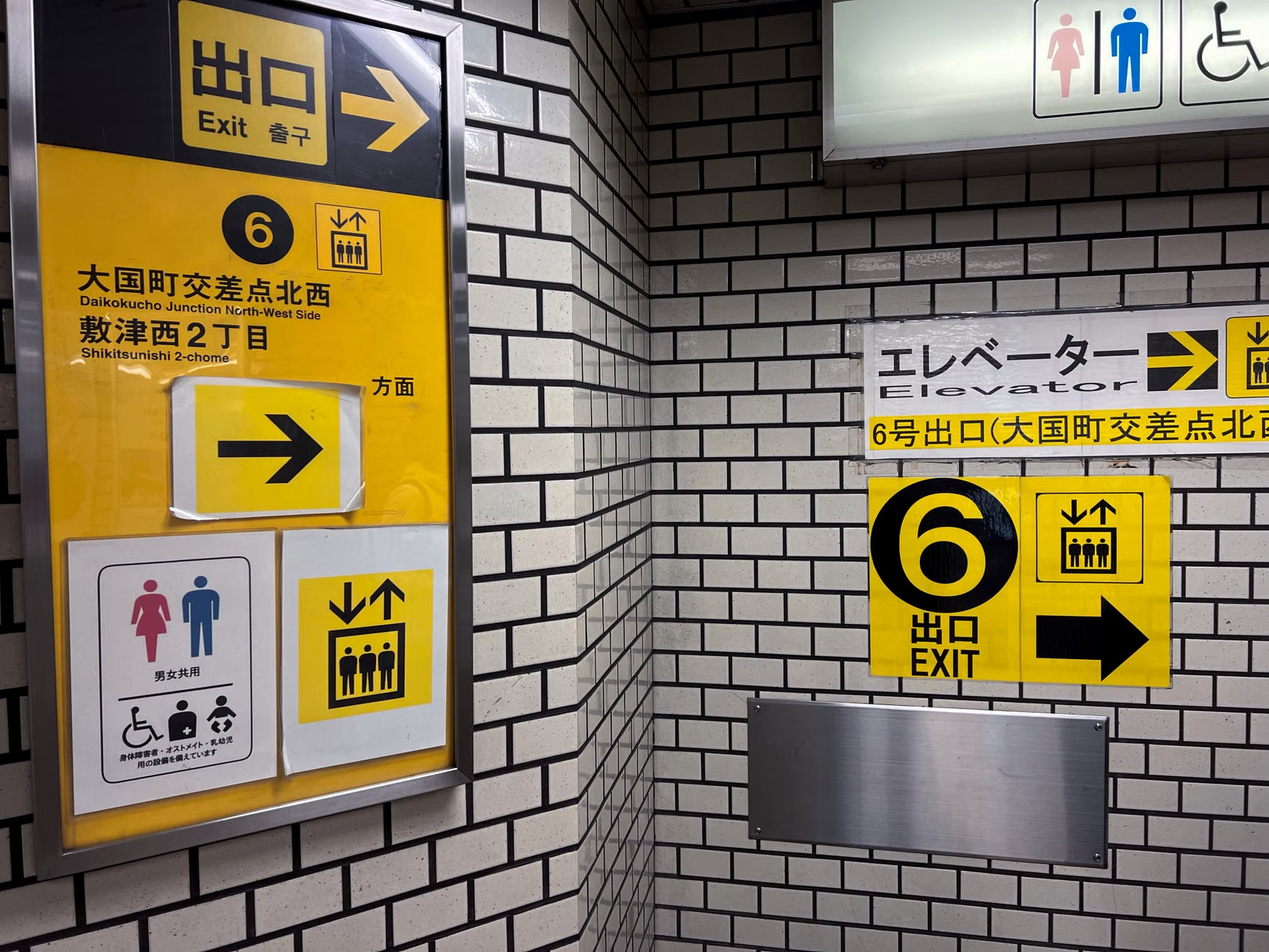
- Ignoring Local Signage: Sometimes, temporary signs are placed in stations to redirect foot traffic due to construction. These signs might point to a lift that is further away than the one you are used to. Always scan the environment for temporary yellow or orange signage rather than relying on your memory of a previous trip.
- Overestimating Time: Many people assume they can navigate a station in the same time they could 10 or 20 years ago. While you may be just as capable, the physical environment of a station can be unpredictable. Always aim for a “low-stress” pace. If you find yourself rushing, you are more likely to miss a sign or trip.
The “Plan B” Mindset
Always have a secondary plan. If you arrive at an elevator and find it broken, do not panic. First, look for a “Help” button or an intercom near the elevator. Most stations have an emergency line that connects you directly to the station control room. They can often dispatch staff to help you navigate to an alternative lift or provide an alternative route. If no staff is available, look for signage indicating an “Accessible Route” which might involve a ramp or a different station entrance.
Conclusion: Empowering Your Journey
Navigating regional train stations does not have to be a source of anxiety. By treating accessibility as a core part of your travel planning—just as you would your hotel booking or your itinerary—you can maintain your autonomy and enjoy the journey. Remember that your primary tools are preparation, patience, and the willingness to ask for assistance when needed.
Start by researching your route, checking the status of elevators, and allowing yourself extra time at the station. When you arrive, prioritize using designated accessible paths, and don’t hesitate to use station assistance services. These systems are in place specifically to support you, and utilizing them is a sign of a smart, experienced traveller. With these strategies in your toolkit, you can focus on the destination rather than the logistics, ensuring your next trip is as comfortable as it is memorable.
Frequently Asked Questions (FAQ)
1. What should I do if I arrive at a station and the elevator is out of order?
First, look for an intercom or “Help” button near the elevator. If none is available, locate the station information desk or a staff member. They are obligated to provide an alternative route or assistance, such as manual lifting services or shuttle transport to the next accessible station, depending on the operator’s policy.
2. Can I request assistance at the station without booking in advance?
While pre-booking is highly recommended to guarantee staff availability, many major railway operators still provide “on-the-spot” assistance if you approach the information desk. However, be prepared for a potential wait while they coordinate with other staff members. Always check the specific carrier’s policy on their website before relying on walk-up assistance.
3. How can I find out the exact location of the elevator on a station platform?
Most modern rail operator websites feature “Station Maps” or “Station Plans” (often found under the ‘Station Information’ section). These maps typically mark elevators, toilets, and meeting points. If the digital map is unclear, searching for the station name on the operator’s website usually provides a list of available facilities, including the location of lifts relative to the main concourse.
For further information on rail accessibility standards, you may visit the European Commission’s Passenger Rights in Rail Travel page or the U.S. Department of Transportation’s Accessibility resources.