Key Takeaways for Cognitive Resilience
- Choline is a critical precursor to acetylcholine, a neurotransmitter essential for memory, mood regulation, and muscle control, making it a cornerstone of brain health in aging adults.
- Dietary intake is the primary source of choline, as the body’s endogenous production is insufficient to meet physiological needs, especially as metabolic efficiency changes with age.
- Strategic food selection, such as prioritizing eggs, lean meats, and cruciferous vegetables, provides a sustainable, cost-effective way to meet the recommended daily intake of 425–550 mg without relying on excessive supplementation.
Cognitive resilience—the brain’s ability to adapt and maintain function despite the challenges of aging—is a primary concern for adults aged 60 to 80. While much attention is given to physical exercise and social engagement, the role of specific micronutrients is often overlooked. Choline, an essential nutrient often grouped with the B-complex vitamins, plays a fundamental role in maintaining the structural integrity of cell membranes and facilitating neurological signaling. For older adults, ensuring adequate choline intake is not merely about preventing deficiency; it is about optimizing the biochemical environment that supports cognitive performance and long-term brain health.
What is Choline and Why Does It Matter for the Aging Brain?
Choline is an essential nutrient, meaning the human body cannot synthesize enough to meet its physiological requirements. It serves three primary functions in the body: it is a component of phospholipids (like phosphatidylcholine) that make up cell membranes, it is a precursor for the neurotransmitter acetylcholine, and it acts as a methyl donor in the SAMe (S-adenosylmethionine) cycle, which is vital for DNA methylation and gene expression.
In the context of the aging brain, the production of acetylcholine is particularly significant. Acetylcholine is the chemical messenger that allows neurons to communicate, playing a central role in attention, memory, and learning. As we reach our 60s, 70s, and 80s, the efficiency of these neural pathways can become compromised. By maintaining adequate choline levels, you provide your brain with the raw materials necessary to sustain these critical communication lines. Furthermore, because choline supports the structural health of neurons, it acts as a silent guardian of cognitive resilience, helping to maintain the integrity of white matter—the “wiring” that connects different regions of the brain.
The Reality of Choline Intake: Assessing Your Needs
The National Academies of Sciences, Engineering, and Medicine (NASEM) established Adequate Intake (AI) levels for choline. For most men, the recommendation is 550 mg per day, and for women, it is 425 mg per day. However, these figures are often treated as “minimums” rather than “optimal” levels for cognitive protection.
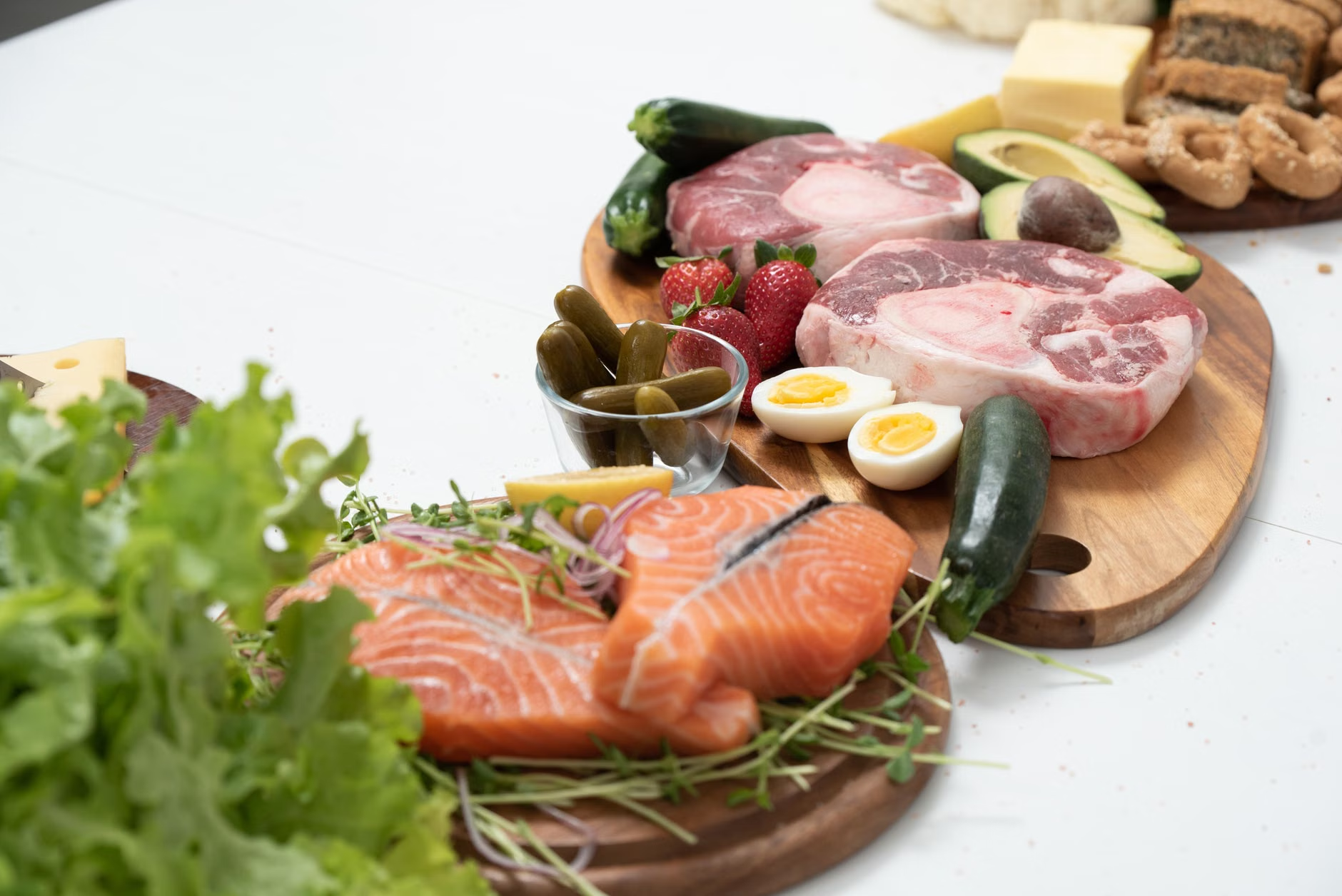
It is important to recognize that as we age, our digestive efficiency and metabolic absorption may decline. If you have been following a restrictive diet—such as a strictly plant-based diet without careful planning, or a low-fat diet—you may be at a higher risk of failing to meet these daily targets. Unlike many other nutrients, choline is not found in high concentrations in most fruits or grains; it is concentrated in animal products and a select few vegetables, making your dietary choices the most significant factor in your intake.
Common Misconceptions About Choline Sources
Many older adults mistakenly believe that they can obtain sufficient choline through a multivitamin. In reality, most standard multivitamins contain only a negligible amount of choline (often less than 50 mg), because choline is a bulky molecule that is difficult to pack into a single tablet alongside other nutrients. You cannot rely on a standard daily multivitamin to meet your choline requirements. It must come from your daily meals.
| Food Source | Approximate Choline Content | Practical Tip for Seniors |
|---|---|---|
| Egg (1 large, hard-boiled) | 147 mg | One of the most bioavailable sources; keep in the fridge for quick snacks. |
| Beef Liver (3 oz) | 356 mg | Extremely dense; consume in moderation due to Vitamin A content. |
| Salmon (3 oz, cooked) | 73 mg | Provides Omega-3s alongside choline; great for heart and brain synergy. |
| Broccoli (1 cup, cooked) | 63 mg | Excellent plant-based source; high fiber aids digestion. |
| Chicken Breast (3 oz) | 72 mg | Versatile, lean protein that supports muscle mass maintenance. |
The table above illustrates the concentration of choline in common staples. For an older adult, aiming for a “choline-conscious” plate means ensuring that at least one of these sources is included in two of your three daily meals. For example, incorporating an egg at breakfast and a portion of salmon or broccoli at dinner can easily push your intake toward the 400–500 mg range.
Real-Life Implementation: Integrating Choline into Your Daily Routine
Transitioning to a diet that supports cognitive resilience does not require drastic lifestyle changes or expensive superfoods. Instead, it requires a shift in how you view your grocery shopping and meal preparation. Consider the following scenarios that reflect the daily lives of active seniors.
Scenario 1: The “Busy Morning” Strategy
If you are someone who prefers a quick breakfast, consider keeping hard-boiled eggs in the refrigerator. A single egg provides nearly a third of your daily requirement. Pairing this with a bowl of oatmeal or a piece of whole-grain toast ensures you start your day with both sustained energy and the building blocks for neurological health.
Scenario 2: The “Plant-Forward” Approach
If you prefer a vegetarian lifestyle, you must be more intentional. While eggs and dairy are excellent sources, if you exclude them, you must rely on cruciferous vegetables like broccoli, Brussels sprouts, and cauliflower, along with legumes like soybeans (edamame). A cup of cooked edamame contains roughly 50-70 mg of choline. Mixing these into stir-fries or salads is an effective way to boost your intake without increasing your intake of animal fats.

The Interplay Between Choline, Lifestyle, and Cognitive Health
Nutrition never works in a vacuum. The effectiveness of dietary choline is influenced by your overall lifestyle, including physical activity, sleep quality, and the presence of chronic inflammation. Think of choline as the fuel for your brain’s engine, but physical exercise as the maintenance that keeps the engine running smoothly. Research suggests that the combination of high choline intake and regular aerobic activity—such as walking, swimming, or cycling—has a synergistic effect on preserving brain volume and cognitive speed.
Overlooked Variables: The Role of Gut Health
An often-overlooked factor is the gut microbiome. Certain gut bacteria can convert dietary choline into a compound called Trimethylamine (TMA), which is then converted in the liver to TMAO (Trimethylamine N-oxide). High levels of circulating TMAO have been associated with cardiovascular risks. However, this does not mean you should avoid choline-rich foods. Instead, it emphasizes the importance of a high-fiber diet, which promotes a healthy gut environment that minimizes the production of TMAO. By pairing your choline-rich eggs or meat with high-fiber vegetables, you are essentially “protecting” the nutrient’s positive impact on your brain while mitigating potential cardiovascular downsides.
Should you consider a choline supplement? For most healthy adults between 60 and 80, the answer is usually no. Supplements should only be considered if a healthcare provider has identified a specific deficiency or if you have severe dietary restrictions that make it impossible to reach your goals through whole foods. Excessive intake of choline—typically through high-dose supplements—can lead to side effects such as a “fishy” body odor, sweating, and gastrointestinal distress.
How to Discuss Nutrition with Your Doctor
When you visit your physician for your annual check-up, you may want to bring up the topic of cognitive nutrition. Do not simply ask, “Should I take supplements?” Instead, be specific. Use a record of your typical weekly diet to frame the conversation. “I am interested in ensuring my diet supports my long-term cognitive health. I’ve read about the importance of choline. Based on my current eating habits, do you think I am meeting these needs, or should I focus on specific food groups?” This approach shows that you are taking a proactive, informed stance on your health.
Warning Signs: If you notice sudden, significant changes in memory, word-finding ability, or executive function, do not attribute this solely to “getting older” or a potential nutritional gap. While nutrition is a powerful preventive tool, it cannot substitute for a medical evaluation if you are experiencing cognitive decline. Always seek professional advice if you notice persistent confusion, difficulty with daily tasks, or significant mood shifts.
Steps to Build Your Choline-Rich Daily Plan
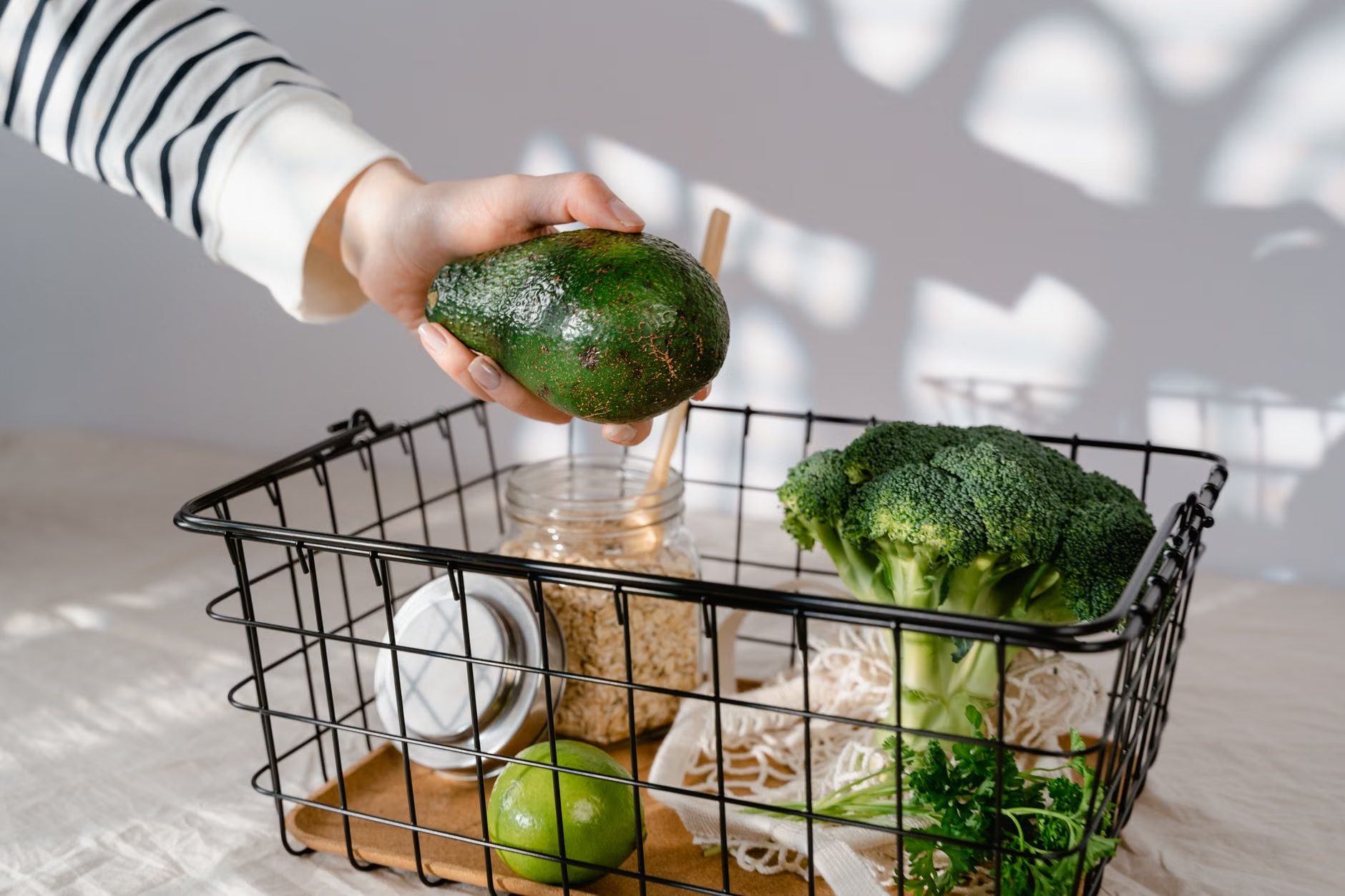
To turn this information into action, follow this simple, step-by-step framework to audit and improve your intake:
- Audit Your Week: For three days, keep a simple log of what you eat. Use a free online nutrition tracker to estimate your daily choline intake. Most databases will provide this information.
- Identify Your “Choline Gap”: If your average intake is below 350 mg, identify one or two “choline boosters” you enjoy. Do you like eggs? Can you add a side of steamed broccoli to your dinner?
- Prioritize Bioavailability: Focus on whole foods. The body absorbs choline from animal sources (like eggs and fish) and soy products very efficiently.
- Pair for Success: Combine your choline sources with high-fiber foods to support gut health and overall digestion.
- Review and Adjust: Re-check your intake after one month. If you feel more energetic or mentally sharp, you are on the right track. If you feel no change, ensure you are not balancing your diet with too many processed foods that may interfere with nutrient absorption.
The Long-Term Perspective
Preventive health is a marathon, not a sprint. The choices you make in your 60s and 70s regarding nutrition, including the consistent intake of choline, create the foundation for your 80s and beyond. By focusing on whole, nutrient-dense foods, you are not just “eating for today”; you are investing in your ability to remain independent, sharp, and engaged with the world around you. Cognitive resilience is built through these small, daily, evidence-based habits.
Remember that the goal is not perfection. Occasional deviations from a “perfect” diet are natural and expected. The key is consistency over time. By keeping your choline intake in the optimal range, you are giving your brain the best possible chance to maintain its vitality. Stay curious, stay informed, and continue to prioritize the nutrients that serve your long-term well-being.
Frequently Asked Questions
Q: Can I get enough choline if I am a vegan?
A: It is possible, but it requires careful planning. While plant sources are generally lower in choline than animal sources, you can reach your targets by regularly consuming soybeans (edamame), tofu, quinoa, broccoli, and cruciferous vegetables like Brussels sprouts. If you are strictly vegan, you may need to track your intake more closely to ensure you are meeting the 425–550 mg daily goal.
Q: Is there a specific time of day that is best to eat choline-rich foods?
A: There is no specific “best” time to consume choline. The most important factor is consistency throughout the day. Spreading your intake across your meals—for example, incorporating a source at breakfast and another at dinner—is more effective for maintaining stable levels than consuming a massive amount of choline in a single sitting.
Q: Does cooking reduce the amount of choline in food?
A: Choline is relatively heat-stable, meaning you do not lose significant amounts through standard cooking methods like boiling, steaming, or baking. However, some choline can leach into the cooking water if you boil vegetables for a long time. Steaming or roasting vegetables is a great way to retain both the choline content and the other vital phytonutrients found in these foods.
Disclaimer: This article is for informational purposes only and does not constitute medical advice, diagnosis, or treatment. Always seek the advice of your physician or other qualified health provider with any questions you may have regarding a medical condition or dietary changes.
Official guidance on nutrient intake can be found at the National Institutes of Health (NIH) Office of Dietary Supplements.