- Seated foot-pedaling acts as a “second heart” for your lower body, using calf muscle contractions to push venous blood back toward the heart.
- Consistent, low-intensity movement is more effective for long-term venous health than sporadic, high-intensity exercise.
- Always prioritize equipment stability and proper chair height to prevent slips or strain during your routine.
For many adults aged 60 to 80, maintaining healthy blood flow in the lower limbs is a cornerstone of mobility and daily comfort. Venous circulation—the process by which blood returns from your legs and feet back to your heart—relies heavily on the “calf muscle pump.” When we sit for extended periods, this natural pump becomes inactive, often leading to swelling, a feeling of heaviness, or discomfort in the lower legs.
Seated foot-pedaling is a low-impact, accessible way to keep this mechanism functioning efficiently without requiring a trip to the gym or complex equipment. This guide explores the mechanics of venous return, how to implement a safe pedaling routine, and how to integrate these habits into your daily life to support long-term vascular health.
Understanding the Mechanics of Venous Return
To understand why seated movement matters, we must first look at the unique challenge of venous circulation. Unlike arteries, which benefit from the direct pumping pressure of the heart, veins in the legs must work against gravity to return blood upward. They rely on a series of one-way valves and the rhythmic contraction of surrounding muscles to move blood forward.
When you stand or walk, your calf muscles contract and squeeze the deep veins, effectively “milking” the blood upward. However, when you sit for hours—whether reading, watching television, or working at a desk—this muscle activity ceases. This creates a state of venous stasis, where blood pools in the lower extremities. Over time, this can lead to edema (swelling), aching, or a sensation of fatigue. Seated pedaling mimics the rhythmic contraction of the calf muscles, providing the stimulation necessary to maintain consistent circulation.
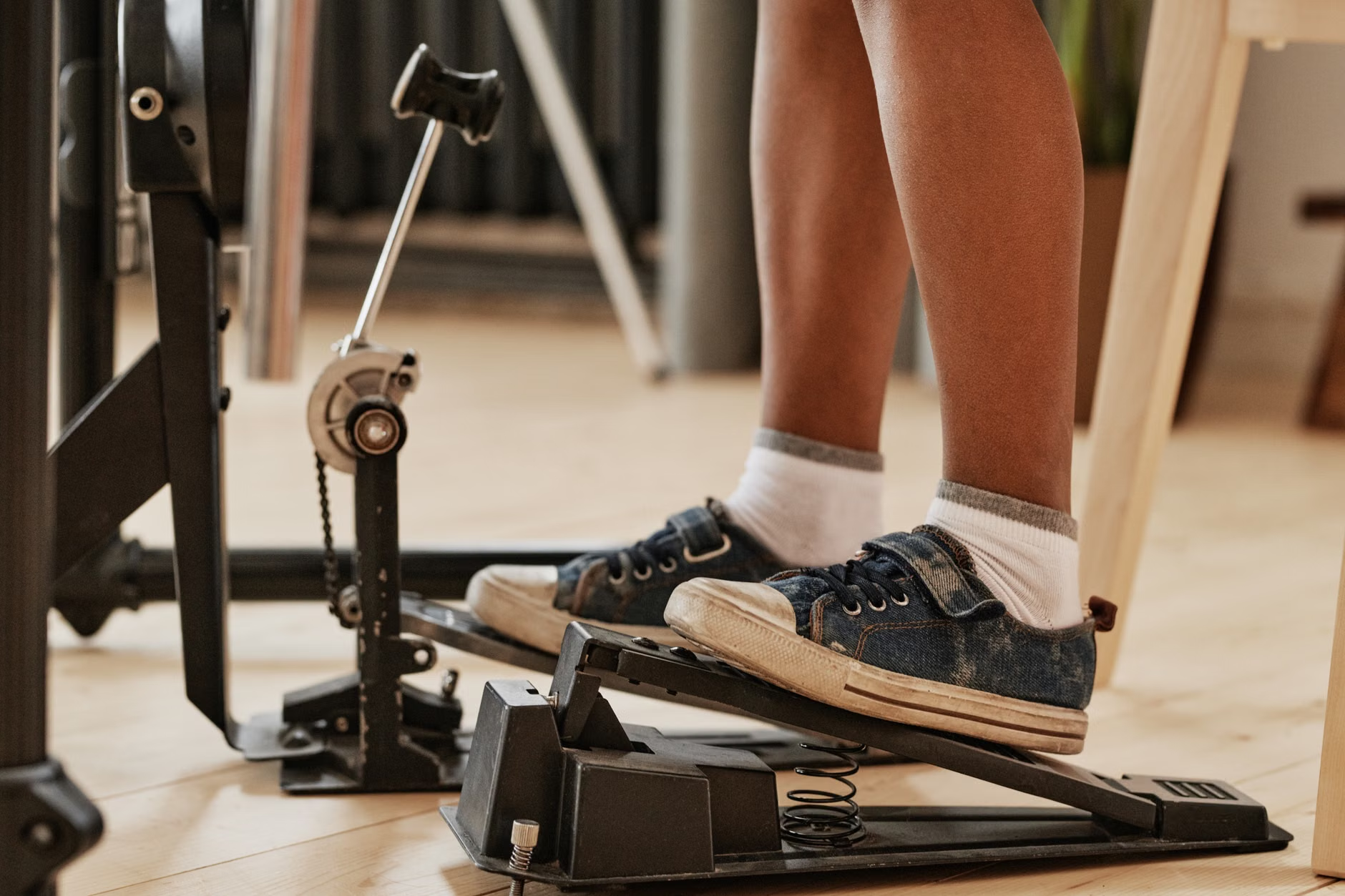
Why Low-Intensity Movement is Superior for Longevity
A common misconception is that circulation exercises need to be strenuous to be effective. For the cardiovascular system, especially in the 60-80 age range, consistency and duration often outweigh intensity. High-intensity exercise can sometimes lead to muscle fatigue or joint strain, which may discourage long-term adherence.
Low-intensity movement, such as gentle pedaling, is highly effective because it can be sustained for longer periods. By keeping the calf muscles engaged for 15 to 20 minutes at a time, you facilitate a steady, rhythmic return of blood. Furthermore, this type of exercise is “joint-friendly.” Because your weight is supported by a chair, there is minimal impact on the knees, hips, and ankles, making it an ideal choice for those managing arthritis or general joint sensitivity.
Practical Steps to Begin a Seated Pedaling Routine
Starting a new routine requires more than just the equipment; it requires a setup that prioritizes safety and proper body alignment. Before you begin, evaluate your environment.
1. Choosing the Right Equipment
There are generally two ways to practice seated pedaling: using a dedicated under-desk pedal exerciser or simply performing air-pedaling movements. If you choose a device, look for one with:
- Non-slip base: Essential for preventing the device from sliding away on hardwood or tile floors.
- Adjustable resistance: Start at the lowest setting to ensure you can maintain a smooth, fluid motion without straining.
- Digital display: A simple way to track your duration, which helps in building a consistent habit.
2. Setting Up Your Space
The chair you use is just as important as the device. Ensure you are sitting in a sturdy, non-rolling chair. A rolling office chair can be dangerous as it may slide backward while you pedal. If you must use a rolling chair, place the back of the chair against a wall or lock the wheels if possible. Your hips should be at or slightly above the level of your knees to prevent excessive pressure on the back of your thighs, which could hinder circulation.
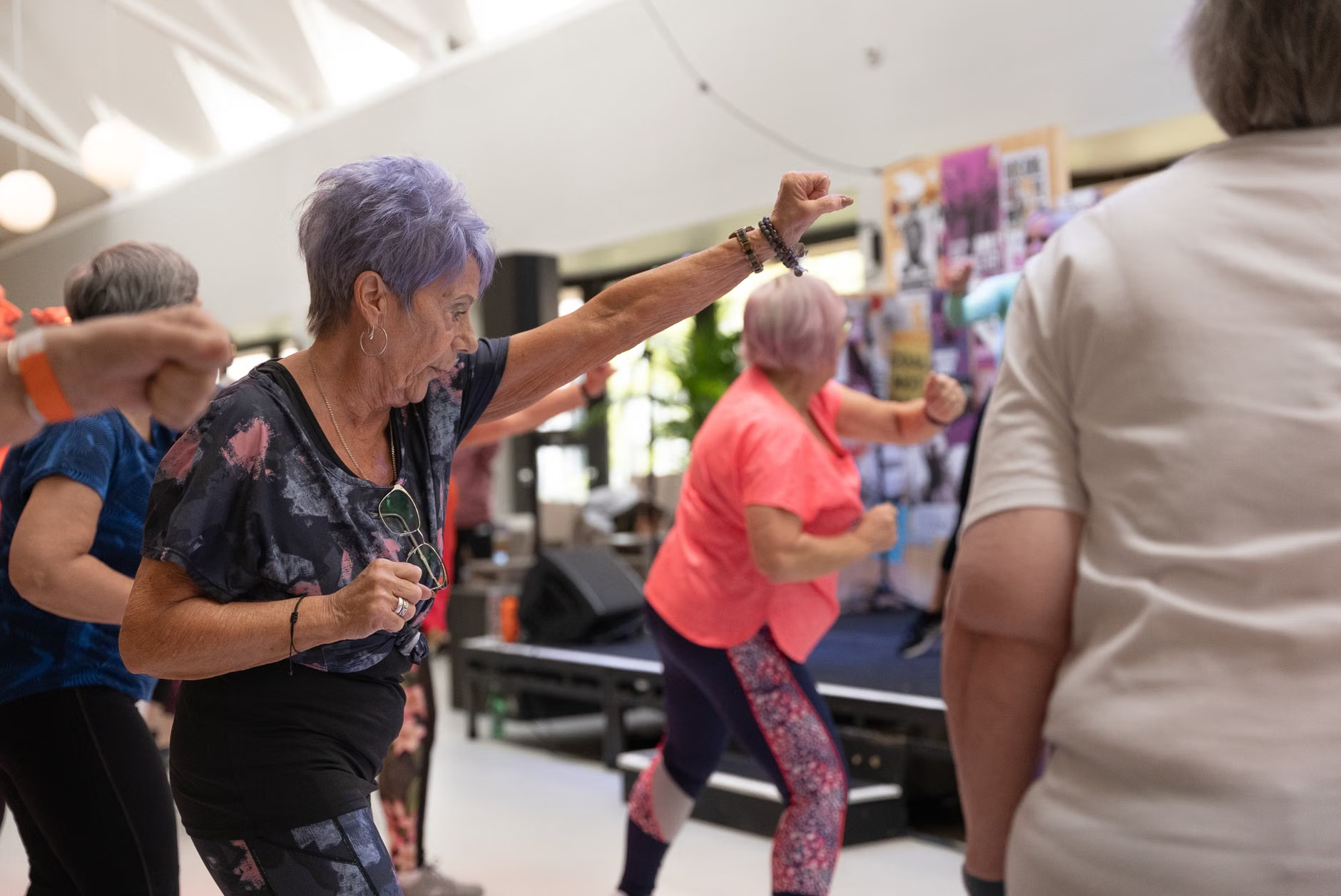
3. A Step-by-Step Exercise Protocol
If you are using a pedal device or simply moving your feet while seated, follow this routine:
- Warm-up (2 minutes): Start by slowly rotating your ankles in clockwise and counter-clockwise circles. This prepares the joints for the pedaling motion.
- The Pedaling Phase (10-15 minutes): Maintain a steady, moderate pace. Focus on the sensation of the calf muscles tightening and relaxing. If you feel any sharp pain or sudden fatigue, stop immediately.
- The Cool-down (2 minutes): Gradually slow your pace until you come to a full stop. If comfortable, elevate your legs on a footstool for a few minutes to allow gravity to assist in reducing any residual fluid.
Comparing Methods for Venous Health
Not all movement is created equal. The table below compares different methods of stimulating venous return for adults, focusing on safety, accessibility, and efficacy.
| Method | Accessibility | Risk Level | Best For |
|---|---|---|---|
| Seated Pedaling | High | Low | Daily maintenance, sedentary periods |
| Walking/Strolling | Medium | Low-Medium | General fitness, social activity |
| Ankle Pumps | Very High | Very Low | Immediate relief, travel, limited space |
Note: Ankle pumps involve sitting with your feet flat on the floor and rhythmically lifting your toes toward your shins, then pressing your heels down. This can be done anywhere, including on long flights or during meetings.
Recognizing When to Seek Professional Advice
While seated pedaling is an excellent preventive habit, it is not a cure for underlying vascular conditions. It is important to know the signs that suggest you should consult a healthcare provider, such as a primary care physician, a vascular specialist, or a physical therapist.
Warning Signs:
- Asymmetrical swelling: If one leg is significantly more swollen than the other, this may indicate a localized issue that requires medical evaluation.
- Skin color changes: Any persistent redness, darkening, or brownish discoloration around the ankles.
- Pain or warmth: If you experience localized heat, tenderness, or sharp pain in the calf area, do not attempt to “exercise through it.” These can be signs of conditions like deep vein thrombosis (DVT) or phlebitis, which require immediate professional attention.
- Non-healing sores: Any ulcers or wounds on the lower legs that do not heal within a reasonable timeframe.
When you visit a medical professional, bring a list of your daily activities, including your pedaling routine. Be prepared to describe how long you sit, any specific times of day you notice swelling, and whether the swelling improves with elevation. This context helps the clinician determine if your symptoms are a simple result of inactivity or a condition requiring targeted treatment, such as compression therapy or medication.
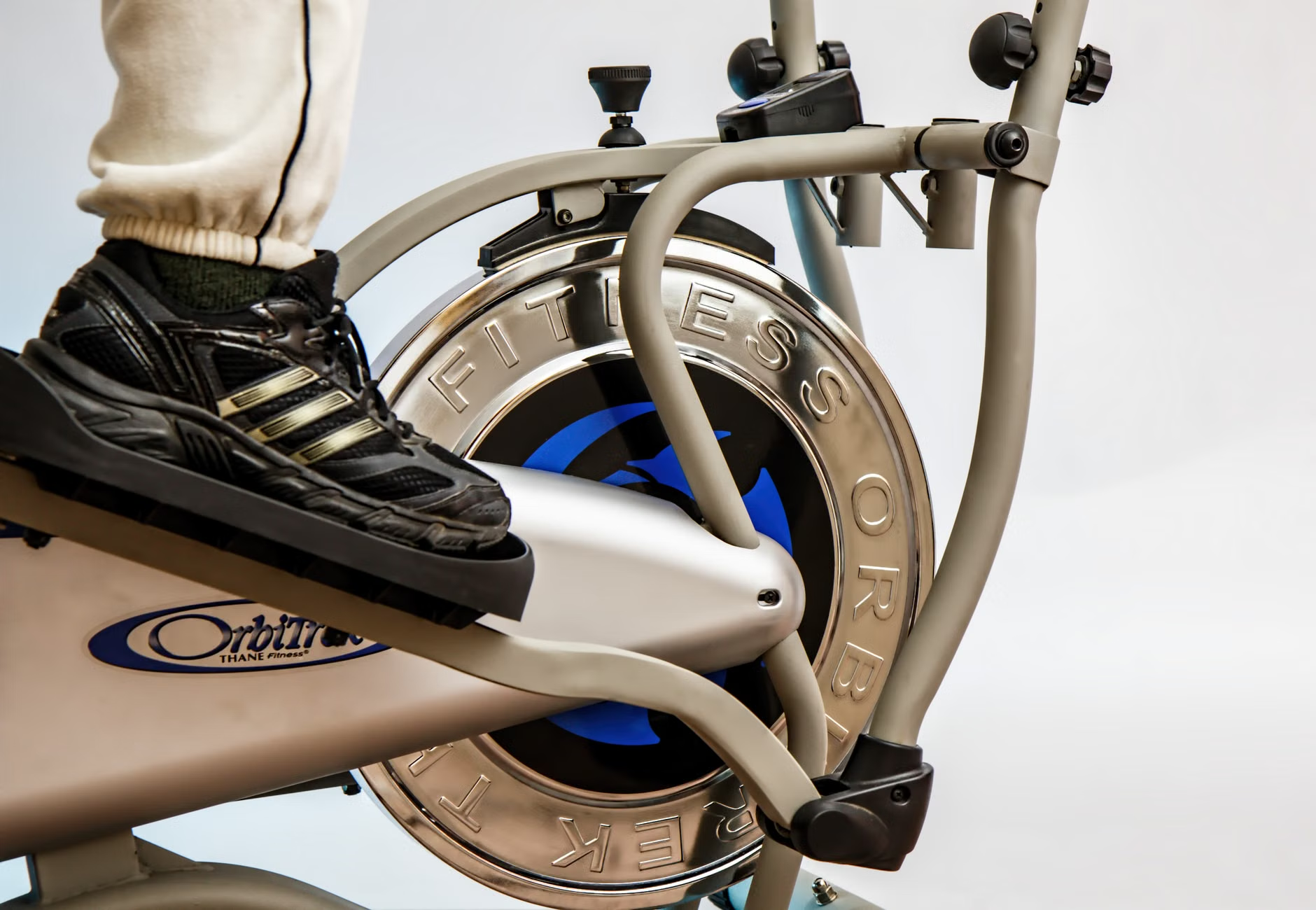
Hidden Nuances of Venous Health
Beyond the exercise itself, there are several “invisible” factors that significantly impact venous health. One often-overlooked variable is hydration. Blood volume and viscosity are affected by how much water you drink. Dehydration can make blood “thicker” and harder for the veins to circulate, effectively counteracting your exercise efforts. Aim to maintain steady hydration throughout the day, rather than drinking large amounts of fluid all at once.
Another factor is the role of clothing. Tight socks, especially those with constrictive elastic bands at the top, can act as a tourniquet, trapping fluid in the lower legs and defeating the purpose of your calf muscle pump. Opt for loose-fitting socks or, if recommended by a professional, graduated compression stockings that provide firm support at the ankle and gradually decrease pressure as they move up the leg.
Finally, consider the timing of your activity. If you know you will be sitting for a long period—for example, during a long flight, a train journey, or an extended family gathering—try to implement a “movement trigger.” For every 60 minutes of sitting, set a timer on your phone or watch to perform 5 minutes of pedaling or ankle pumps. This proactive approach turns “sitting time” into “health time.”
Common Mistakes to Avoid
Even with good intentions, it is easy to fall into habits that reduce the effectiveness of your routine. One common mistake is “over-pedaling.” If you pedal too fast, you may inadvertently cause muscle fatigue, which leads to cramping rather than circulation. The goal is a steady, rhythmic, and sustainable pace. If you find yourself out of breath, you are likely pedaling too hard.
Another error is neglecting the full range of motion. When pedaling, ensure you are fully extending and flexing your ankles. If you only move your feet in a small, shallow range, you are only using a fraction of your calf muscle capacity. Visualize the muscle contracting fully with every rotation. If you are using a device, adjust the height of the pedals so your feet can complete a full, circular motion without your knees hitting the underside of your desk or table.
Building a Sustainable Routine
The most effective exercise is the one you actually perform. To make seated pedaling a part of your life, link it to an existing habit. For example, if you watch the evening news every day at 6:00 PM, place your pedal exerciser in front of your favorite chair so it is ready for you when you sit down. By removing the “friction” of setting up the equipment, you make it significantly more likely that you will follow through.
Track your progress not by intensity, but by consistency. Use a simple calendar to mark the days you completed your 15-minute session. Over time, you may find that the “heavy leg” feeling that often accompanies long periods of sitting begins to dissipate. This positive feedback loop is the best motivation to continue.
Remember that your venous health is a reflection of many small, daily choices. Seated pedaling is a powerful tool, but it works best when combined with adequate hydration, comfortable clothing, and regular breaks from prolonged sitting. By staying aware of your body’s signals and maintaining a consistent, gentle routine, you can support your circulatory health and maintain your independence for years to come.
Frequently Asked Questions
1. Is it okay to use a pedal exerciser if I have varicose veins?
Generally, low-intensity movement is beneficial for those with varicose veins as it helps blood return to the heart. However, because varicose veins involve damaged valves, it is essential to consult your physician before starting a new exercise routine. They can advise if compression garments should be worn during your pedaling sessions to provide extra support.
2. How long should I pedal each day to see benefits?
For most adults, 15 to 20 minutes of continuous, gentle pedaling, once or twice a day, is sufficient to help manage fluid retention and improve circulation. The key is consistency rather than duration. It is better to pedal for 10 minutes every day than to pedal for an hour once a week.
3. Can I use a pedal exerciser after knee or hip surgery?
You must wait for clearance from your surgeon or physical therapist. After surgery, your movement needs are specific to your recovery stage. They will provide a personalized plan that may include specific ranges of motion or resistance levels that are safe for your healing joints. Never start an exercise program following a major surgery without explicit professional guidance.
For further information on vascular health and exercise guidelines, you may refer to the American Heart Association or your local national health service website for evidence-based recommendations on maintaining circulation in older adults.