Hello everyone, this is Cooldy from your favorite health and wellness blog!
Do you often feel sluggish, chronically fatigued, or experience frequent digestive discomfort? While we might dismiss these as minor annoyances, they could actually be distress signals coming from the “miniature universe” inside your body—your gut.
Did you know that your intestines are home to over 100 trillion microorganisms? These microbes, composed of beneficial bacteria, harmful bacteria, and neutral ones, are constantly fighting for dominance. When this microbial balance is disrupted, it can lead to more than just indigestion; it impacts immunity, skin health, and even your mood. That’s why scientists and health experts worldwide are emphasizing that the balance of the ‘Gut Microbiome’ is the very core of holistic health.
Today, I’m going to share 5 incredibly easy and practical strategies to enlist these vital microbial friends on your side, strengthen your gut environment, and ultimately boost your overall vitality. As a curious blogger who loves researching health topics, I’ll walk you through the methods I personally follow.
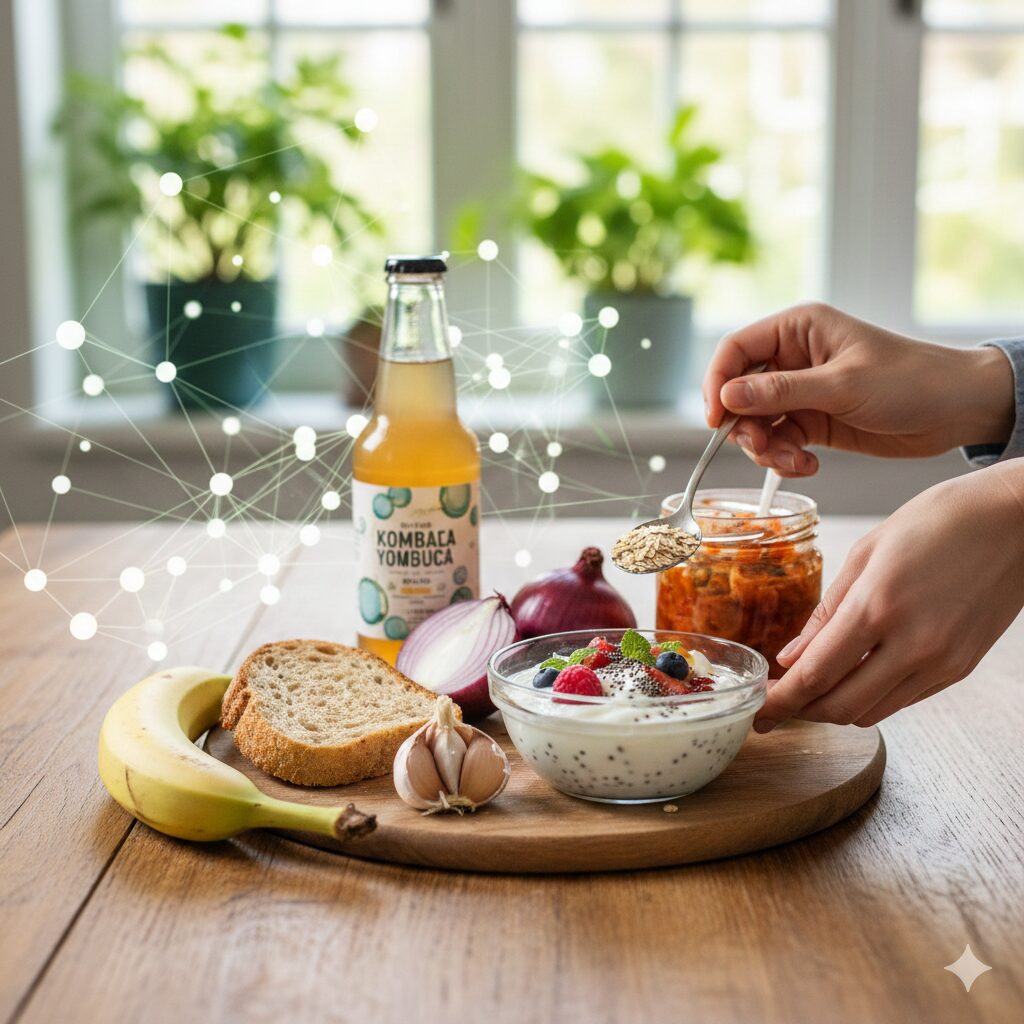
1. Feed Your Beneficial Bacteria with ‘Prebiotics’ Daily
You’ve likely heard of Probiotics (beneficial live bacteria, like those in yogurt). But perhaps even more crucial for gut health are Prebiotics.
- Quick Clarification:
- Probiotics: The ‘good guys’ themselves—the live, helpful bacteria we introduce into our gut.
- Prebiotics: The favorite food sources for the beneficial bacteria. They are often non-digestible fibers that allow the good bacteria to thrive and keep the harmful ones in check.
It doesn’t matter how many good bacteria you introduce (Probiotics); if they don’t have food (Prebiotics), they will quickly starve and die off. Therefore, consistently supplying Prebiotics is key to maintaining a strong, balanced colony.
Cody’s Top 3 Prebiotic Power Foods
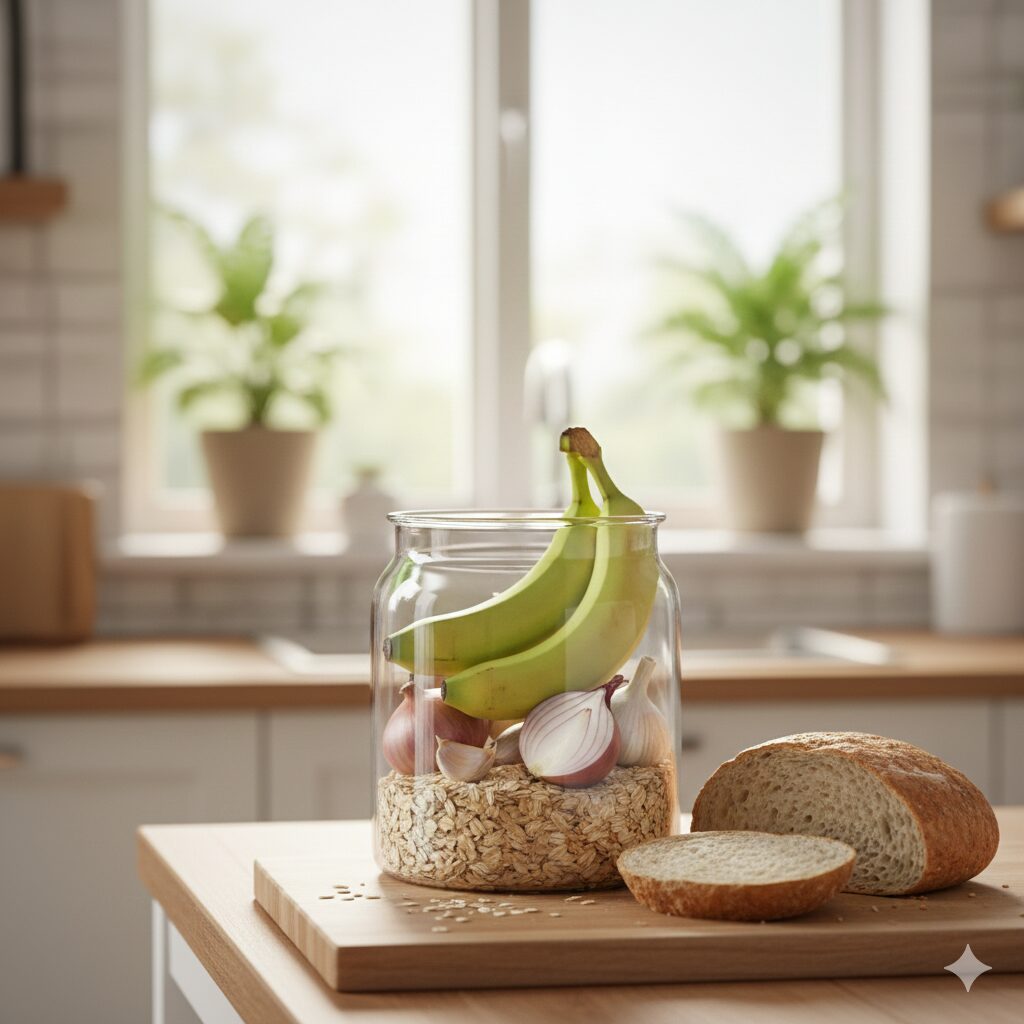
- Onions and Garlic: They are rich in a prebiotic fiber called ‘Inulin’. Consuming them raw (in salads or dips) provides the most benefits.
- Slightly Green Bananas: Before a banana fully ripens, it contains a high amount of ‘Resistant Starch’. This starch resists digestion in the small intestine, making it a perfect meal for your beneficial gut flora in the large intestine.
- Legumes and Whole Grains: Foods like brown rice, oats, and barley contain soluble fiber that acts as a natural cleanser for the gut and supports the growth of healthy microbes.
2. Embrace Fermented Foods and Diversify Your Diet
While probiotic supplements are helpful, the easiest and most delicious way to consume beneficial bacteria is through fermented foods.
Global staples like Yogurt (low-sugar, plain), Kefir, Sauerkraut, Kimchi, and even fermented tea like Kombucha are excellent natural sources. When choosing yogurt, always opt for versions with minimal sugar or additives. Remember this golden rule: harmful bacteria love sugar, while beneficial bacteria love fiber!
Another critical factor is Dietary Diversity. A healthy gut is one with a wide variety of microbial species. Instead of eating the same few foods every day, consciously increase the types of vegetables (rich in phytochemicals), whole grains, and sea vegetables you consume. Offer your microbial friends a broad menu of nutrients to ensure a robust and adaptable gut ecosystem.
3. Minimize the ‘Big Gut Disruptors’
All the effort to introduce good bacteria will be wasted if you continue feeding the harmful ones. What do the bad microbes love the most? Sugar, refined carbohydrates, and processed foods.
- Cut Down on Processed Foods: Preservatives and additives found in packaged foods, deli meats, and instant meals can often irritate the gut lining or actively kill beneficial bacteria.
- Eliminate Sugary Drinks and Refined Sweets: The sugar (especially high fructose corn syrup) found in soda, juice, pastries, and candy is the ultimate fuel for the explosive growth of harmful, inflammatory bacteria.
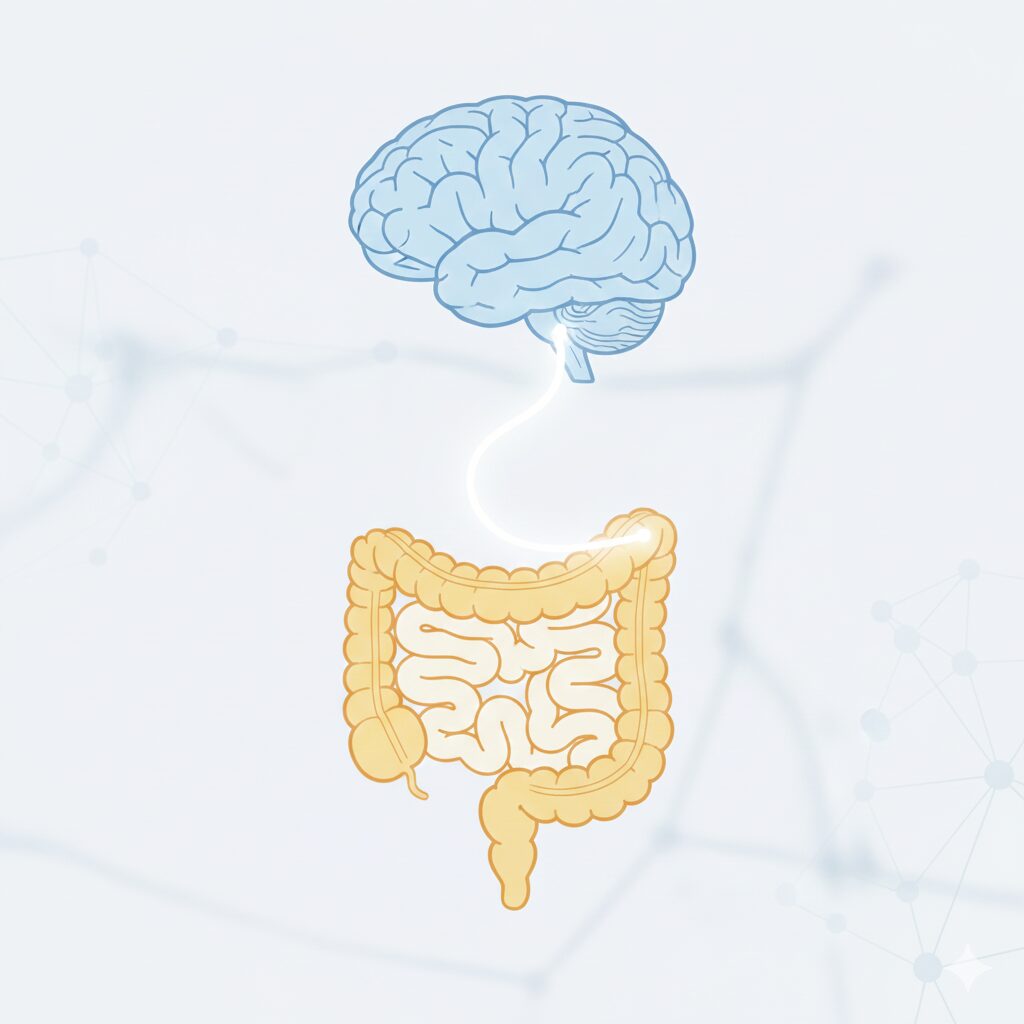
- Manage Chronic Stress: Our brain and gut are intimately linked through a pathway called the ‘Gut-Brain Axis.’ Stress hormones (like cortisol) can slow down gut motility (movement) and create an environment where harmful bacteria dominate. Effective stress management is fundamental to gut health.
4. Regular Exercise: A ‘Super Massage’ for Your Intestines
Gut health is directly related to the ‘movement’ of your intestines. Even the best food can cause issues if your gut is sluggish, allowing waste to linger and creating a breeding ground for bad bacteria.
The best way to encourage intestinal movement is regular physical activity. It doesn’t have to be intense!
Cody’s Easy Gut Activation Routine
- Brisk Walking: A brisk 30-minute walk daily stimulates intestinal contractions (peristalsis). Try walking lightly after lunch.
- Abdominal Massage: Before bed, gently massage your belly button area in a clockwise circle. This motion aligns with the natural movement of your large intestine, aiding in waste removal and gas relief.
- Light Stretching or Yoga: Twisting and relaxing postures can gently stimulate the muscles around the gut, promoting relaxation and motility.
5. Prioritize Sleep and Practice ‘Gut Fasting’
Sleep quality and gut health are deeply intertwined. Lack of sleep increases stress hormones, which, as mentioned, are a major disruptor of the microbial balance. Your gut lining and microbes use the deep sleep hours (typically before midnight) for crucial regeneration and repair. Aim to be in bed by midnight, if possible.
Another vital habit is ensuring your gut gets enough rest time, sometimes called ‘gut fasting’ or time-restricted eating.
- Secure Resting Time: Your gut needs to rest while you sleep. Try to leave at least a 3- to 4-hour gap between your last meal and bedtime. Late-night snacking puts a constant burden on your digestive system, which benefits the bad bacteria.
- The 12-Hour Fast: If you finish dinner at 7 PM and eat breakfast at 7 AM, you achieve a simple 12-hour fasting window. This gives the gut lining ample time to recover and helps suppress the growth of harmful bacteria. Start small and give your gut a well-deserved break!

In Conclusion…
The community of microbes in your gut is astonishingly important. It truly acts like a ‘second brain,’ influencing digestion, immunity, and even your emotional well-being. The phrase ‘Your gut controls your health’ is not an exaggeration.
The 5 strategies I’ve shared today (Prebiotics, Fermented Foods, Reducing Disruptors, Exercise, and Rest) are all small changes you can easily incorporate into your daily life. These little habits will accumulate to transform your gut environment, resulting in renewed vitality and energy throughout your body.
Remember, gut health is a journey, not a destination. Don’t aim for perfection right away. Just pick one small habit—maybe ‘eating yogurt every morning’ or ‘a 10-minute walk after lunch’—and start there.
I’m always cheering you on in your journey to a healthier gut! Keep up the great work!