- Verify the terrain: Do not rely on generic “easy” labels; ask specifically about incline percentages, staircase counts, and the prevalence of uneven cobblestones.
- Prioritize pacing: Seek tours that explicitly include “rest intervals” or “photo stops” every 20–30 minutes to manage stamina and hydration.
- Assess support infrastructure: Confirm the availability of accessible toilets along the route and the proximity of “exit points” where you can transition to a taxi or public transit if you tire early.
For many travelers aged 60 to 80, a guided walking tour is the quintessential way to experience a new city. It provides local context, navigation, and social interaction that a guidebook simply cannot replicate. However, the difference between a memorable excursion and an exhausting ordeal often lies in the pre-booking assessment. By shifting your approach from “What will I see?” to “How will I move through this space?”, you can ensure your travel remains sustainable and enjoyable.
Understanding the Reality of Physical Demands in Guided Tours
The term “leisurely pace” is notoriously subjective in the tourism industry. A tour operator’s definition of a leisurely walk may be based on the stamina of a 25-year-old guide, not the practical needs of an older adult. To make an informed decision, you must strip away the marketing language and look at the physical mechanics of the tour.
Terrain and Surface Friction
The surface beneath your feet dictates more than just comfort; it dictates your risk of fatigue and injury. Cobblestones, while aesthetically pleasing, present a significant challenge for balance and joint impact. When inquiring about a tour, ask specifically: “Is the route paved with flat stone, asphalt, or historical cobblestones?”
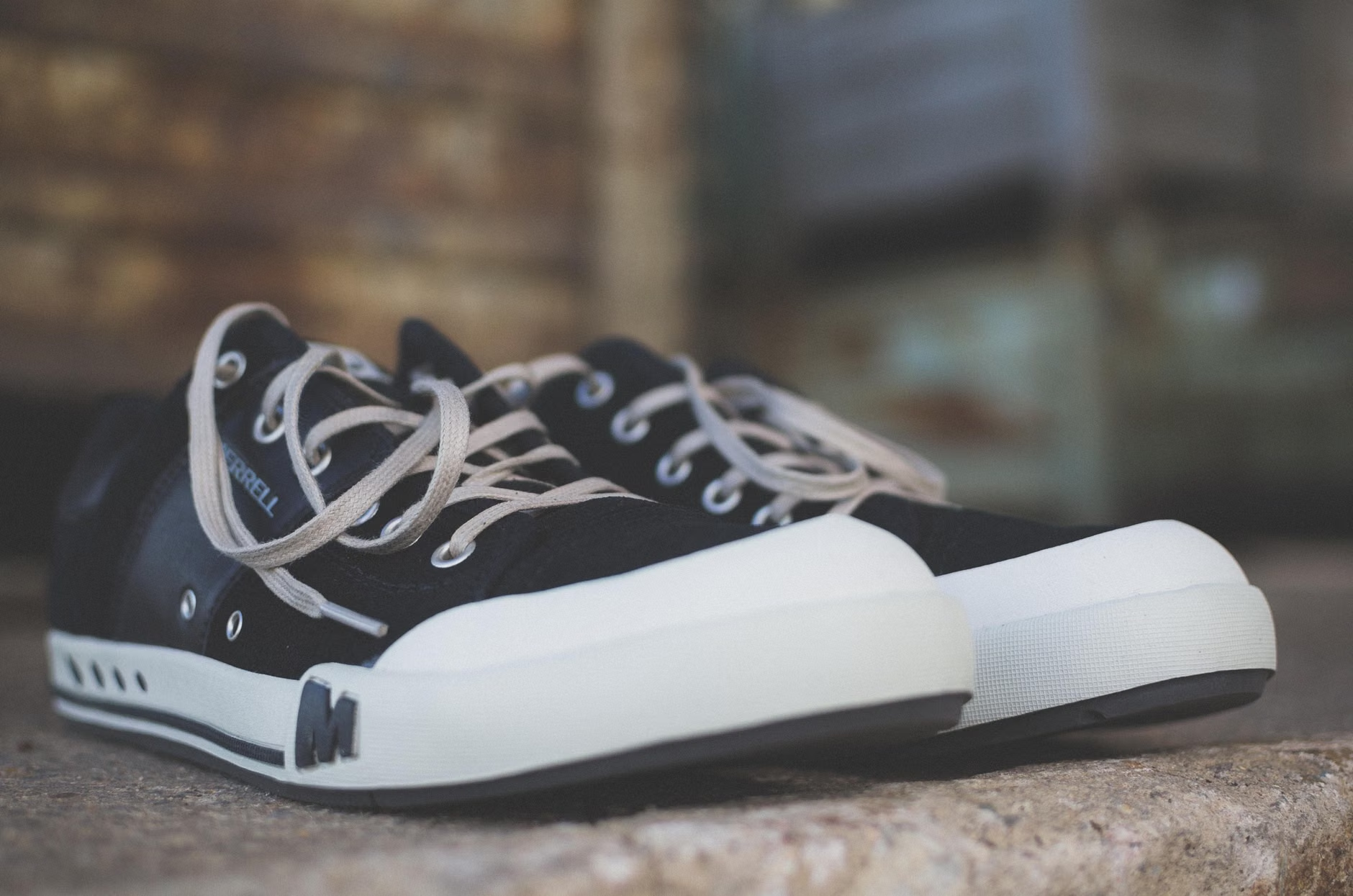
If a tour involves historical centers, it almost certainly involves uneven surfaces. In such cases, look for tours that utilize “accessible lanes” or suggest specific footwear. If you have any history of foot or ankle sensitivity, your choice of footwear—specifically shoes with a wide base and high shock absorption—is your primary tool for managing this surface friction.
The Cumulative Impact of Inclines
A 5% incline over 100 meters might seem negligible on a map, but it acts as a force multiplier for fatigue. When evaluating a tour, do not just look at the total distance in kilometers or miles. Instead, ask for the “elevation profile.” A tour that covers three kilometers on flat ground is significantly more accessible than a one-kilometer tour that involves climbing a steep hill to reach a viewpoint.
Table 1: Evaluating Tour Accessibility
| Feature | What to Ask the Guide | Why It Matters |
|---|---|---|
| Elevation | Are there stairs or steep hills? | Stamina management and knee health. |
| Rest Stops | How often do we stop to sit? | Prevents lactic acid buildup and exhaustion. |
| Exit Points | Are there mid-tour transit links? | Safety net if you decide to end early. |
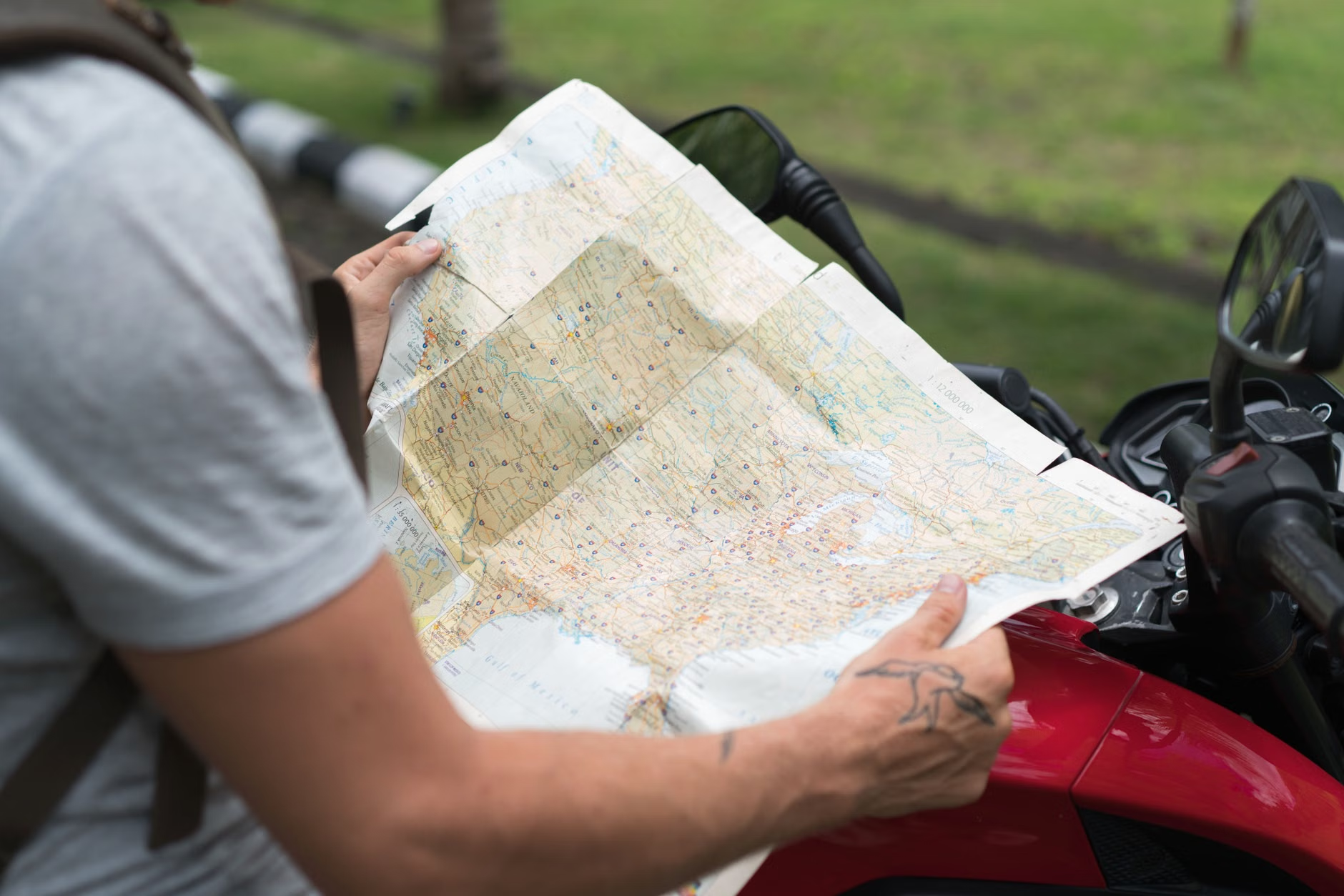
Strategic Selection: Choosing the Right Tour for Your Capacity
Not all walking tours are created equal. To select the best option, you must categorize them based on your current physical comfort zone. Most tour platforms now offer filters for “moderate” or “leisurely,” but these are rarely granular enough.
The “Slow-Walk” vs. “History-Deep” Distinction
There is a fundamental trade-off in guided tours: you can either cover a large geographic area or you can go deep into one specific location. For those concerned about mobility, the “History-Deep” tour is almost always the superior choice. These tours focus on a single museum, a palace, or a small district, minimizing the time spent in transit and maximizing the time spent stationary, listening, and observing.
Identifying the “Exit Strategy”
A common mistake is booking a tour that starts at Point A and ends at Point Z, five kilometers away, without checking the transit connectivity at Point Z. A smart traveler identifies tours that form a loop or end in a high-traffic area where taxis, subways, or buses are readily available. Always ask the organizer: “If I find myself unable to complete the walk, what is the best way to exit the tour route?” A reputable operator will have a clear, pre-planned answer for this.
Preparation: Preparing Your Body and Gear
Even the most accessible tour requires preparation. Your goal is to minimize the “load” on your body, both physically and cognitively.
Footwear and Supportive Gear
Do not break in new shoes on a tour. Use footwear that you have worn for at least 20 to 30 hours of regular daily activity. If you use trekking poles, check with the tour operator if they are permitted. While they are invaluable for balance on uneven terrain, some indoor museum tours may prohibit them. If you use a folding cane, ensure it is lightweight and has a rubber ferrule (the tip) that provides good grip on slick marble or polished wood floors.
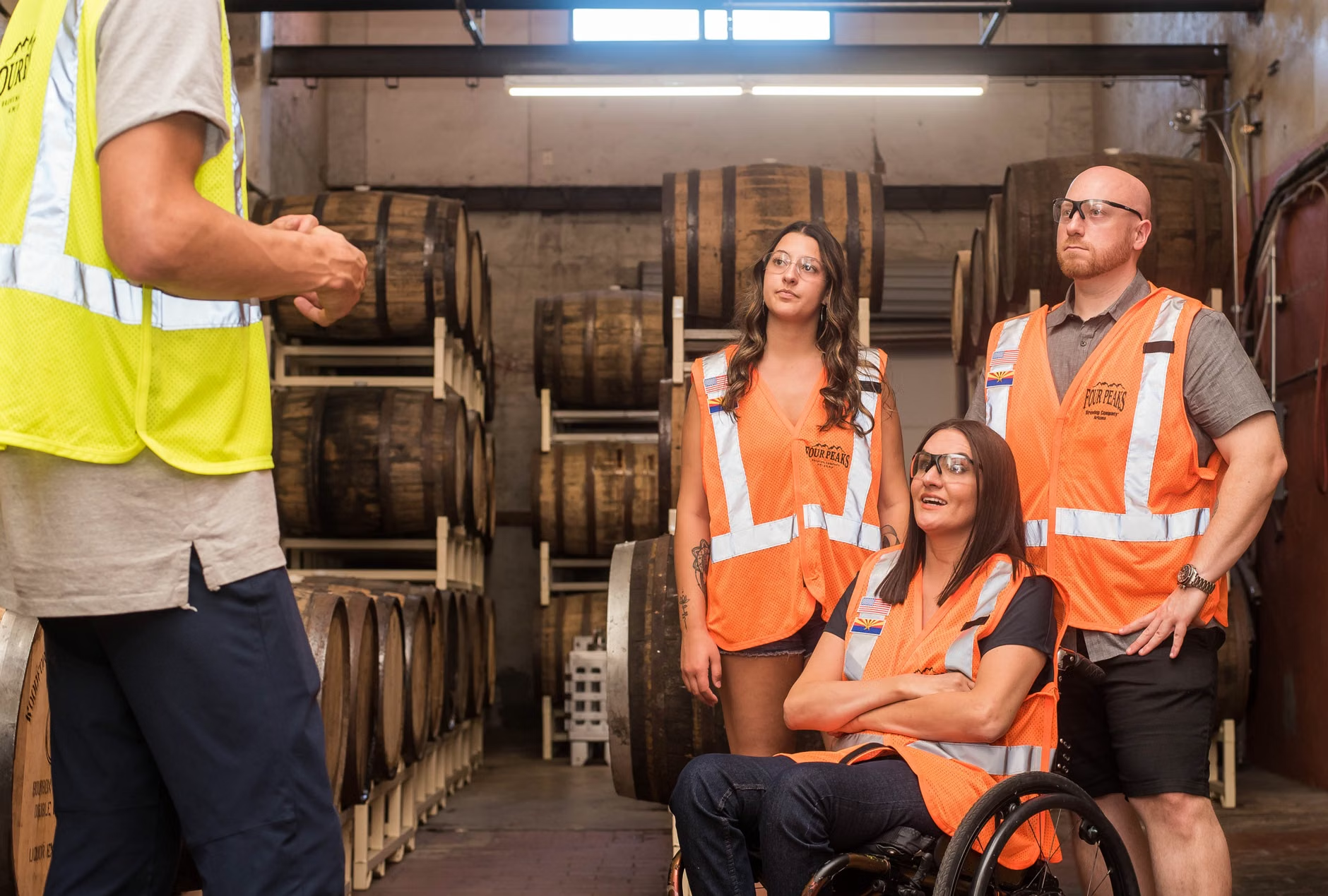
Managing Hydration and Energy
Dehydration is a hidden factor in travel fatigue. Older adults often have a diminished thirst response. Do not wait until you are thirsty to drink water. Bring a lightweight, insulated bottle. Additionally, carry a small, high-protein snack. Blood sugar fluctuations can manifest as dizziness or sudden weakness, which can be easily mitigated by a small, planned intake of food during the tour’s designated break times.
Communication: Asking the Right Questions Before You Book
Direct communication is your best defense against a disappointing experience. When contacting a tour company, use a specific checklist of questions. Do not settle for vague responses like “We are very senior-friendly.” Ask for data.
- “What is the average walking speed in kilometers per hour?” (A comfortable pace for many is 3–4 km/h).
- “How many stairs are involved in the entire route?” (A total count is better than an estimate).
- “Is the audio equipment provided?” (This is crucial. If the guide uses a voice amplifier, you won’t need to stay within one meter of them to hear, allowing you to walk at your own comfortable pace slightly behind the group).
Even with the best planning, life happens. You might encounter an unexpected flight of stairs that wasn’t mentioned, or a sudden change in weather. The key is to have a “Plan B” mindset.
If you feel your heart rate elevating or your breath becoming short, do not feel pressured to keep pace with the group. A common error is “social pressure”—the feeling that you must keep up to avoid being a burden. Remember: you are the customer. You have the right to pause. If you find yourself in a group where the pace is too fast, inform the guide privately. A professional guide will appreciate your honesty and may suggest a more relaxed alternative or offer to help you find a seat while the group continues briefly.
The Value of Private Tours
If your budget allows, consider the “private tour” option. While they are more expensive, they are significantly more flexible. A private guide can adjust the itinerary in real-time. If you find a specific street too crowded or a hill too steep, they can reroute. This level of customization is often the difference between a tour that is “tolerated” and a tour that is “enjoyed.”
Deep Dive: Analyzing Accessibility Infrastructure Globally
Accessibility standards vary wildly by region. In the European Union, the European Accessibility Act aims to harmonize these standards, but implementation remains inconsistent between, for example, a historic city in Italy and a modern metropolis in Germany. In North America, the Americans with Disabilities Act (ADA) provides strict guidelines for public spaces, but historic buildings are often granted exemptions. Knowing which jurisdiction you are in helps you set realistic expectations.
If you are traveling to a region with less rigorous accessibility laws, assume that “accessible” means “limited to ground level.” Plan your itinerary accordingly. Research the “accessibility rating” of the city itself before you look for tours. Cities with high indices for public transit accessibility usually have better walking tour infrastructure.
The Psychological Aspect of Pacing
Travel is as much about mental energy as it is about physical stamina. The “information overload” that comes with a high-intensity guided tour can lead to cognitive fatigue, which often manifests as physical exhaustion. If you are planning a multiple-day trip, schedule your walking tours for the morning hours when your cognitive and physical energy levels are at their peak. Leave your afternoons for low-intensity activities like sitting in a park or enjoying a long, seated lunch.
Practical Checklist for Your Tour Day
Before you leave your accommodation, perform a quick “Tour Safety Check”:
- Check the weather: Adjust your layers. Overheating is just as dangerous as cold.
- Verify the meeting point: Ensure you know exactly where it is on a map and how to get there without rushing.
- Carry identification and emergency contacts: Keep them in a physical, waterproof pouch.
- Check your medication schedule: Ensure you have your necessary doses for the duration of the tour.
- Confirm your exit plan: Know the location of the nearest taxi stand or transport hub relative to the tour finish point.
Conclusion: Empowerment Through Planning
Selecting an accessible walking tour is an exercise in agency. By asking the right questions, assessing the terrain, and prioritizing your own physical comfort, you can transform a potential source of stress into the highlight of your travel experience. Remember, the goal of a tour is to enrich your understanding of a place, not to test your endurance. Give yourself permission to choose the path that fits your current capacity, and you will find that travel remains a rewarding, life-long pursuit.
Frequently Asked Questions
1. Should I inform the tour guide about my mobility limitations in advance?
Yes, absolutely. Providing this information 48 hours before the tour allows the guide to adjust the route, identify potential shortcuts, and ensure that they are prepared to provide extra support. It is not about “asking for help,” but about ensuring the guide can provide the best possible experience for all participants.
2. Are “hop-on, hop-off” bus tours a better alternative to walking tours?
They serve different purposes. A bus tour provides a great overview of a city with minimal physical strain, but it lacks the intimacy and detail of a guided walk. For many, the best strategy is to take a bus tour on the first day to get an overview, and then select one or two specific, short, and accessible walking tours for the following days.
3. How do I evaluate if a tour operator is reputable regarding accessibility?
Look for companies that explicitly mention accessibility on their website, including details like “step-free routes” or “accessible restrooms.” If a company’s website is vague or uses only generic marketing language, contact their customer service. A company that is truly experienced in accessibility will be able to answer your specific questions about terrain, distance, and support infrastructure without hesitation.
For further information on global accessibility standards, you may refer to the United Nations Convention on the Rights of Persons with Disabilities, which outlines the principles of inclusive tourism and accessibility in public spaces.