Key Takeaways:
- Manganese is a vital trace mineral that serves as a cofactor for enzymes involved in the synthesis of proteoglycans, which are essential building blocks of healthy cartilage.
- While manganese is crucial, it is best obtained through a balanced diet of whole grains, nuts, legumes, and specific fruits rather than high-dose supplements, which may lead to toxicity.
- Maintaining joint health requires a synergistic approach; manganese works best alongside other nutrients like vitamin C, zinc, and copper within a varied, anti-inflammatory diet.
Understanding the Role of Manganese in Cartilage Maintenance
For adults between the ages of 60 and 80, maintaining joint mobility is a cornerstone of independence and quality of life. While many focus on calcium for bones or omega-3 fatty acids for inflammation, the role of manganese—a lesser-known trace mineral—is often overlooked. Manganese is not merely a bystander in our metabolic processes; it is a critical component in the maintenance of cartilage, the resilient, rubbery tissue that cushions our joints.
Cartilage is primarily composed of collagen and proteoglycans. Proteoglycans are complex molecules that trap water, allowing cartilage to withstand pressure and provide smooth movement at the joint surface. Manganese acts as a vital cofactor for glycosyltransferase enzymes. Simply put, without sufficient manganese, the body struggles to assemble these proteoglycans correctly, which can lead to weakened cartilage structure over time. For the aging adult, ensuring an adequate intake of this mineral is a proactive, low-cost strategy to support long-term structural integrity in knees, hips, and hands.

How Manganese Functions Within the Joint Environment
To appreciate why manganese matters, it is helpful to look at the “what it is → why it matters” pipeline. Manganese is a trace element, meaning the body needs only small amounts, but those amounts are essential. Its primary responsibility in joint health involves the activation of enzymes in the Golgi apparatus of chondrocytes—the specialized cells found in healthy cartilage.
When these enzymes are activated by manganese, they facilitate the synthesis of glycosaminoglycans (GAGs). GAGs are the structural glue that binds the cartilage matrix together. If you imagine cartilage as a sponge, the collagen provides the structure, and the proteoglycans (built with the help of GAGs) provide the ability to hold water. As we age, the rate of cartilage repair naturally slows. Providing the body with the necessary catalytic minerals like manganese helps ensure that the raw materials for repair are effectively utilized.
The Difference Between Deficiency and Excess
It is a common misconception that “more is better” when it comes to trace minerals. Manganese presents a specific challenge: while deficiency can impair cartilage synthesis, excessive manganese intake—particularly through supplements—can be toxic. Unlike water-soluble vitamins that the body easily excretes, excess manganese can accumulate in the brain and liver, potentially leading to neurological symptoms, such as tremors or balance issues, which are particularly concerning for the 60-80 age demographic.
Therefore, the goal is not to “load up” on manganese, but to meet the recommended daily intake through food. For most adults, this is easily achievable without the need for concentrated pills.
Strategic Dietary Sources: Making Manganese Work for You
Incorporating manganese into your daily routine does not require a complex medical regimen. It is found in abundance in many common, heart-healthy foods. By choosing these items, you are not only supporting your joints but also benefiting from fiber, healthy fats, and antioxidants.
The following table outlines high-manganese food groups and how to integrate them into a standard daily menu:
| Food Category | Examples | Practical Serving Suggestion |
|---|---|---|
| Whole Grains | Brown rice, oats, quinoa, buckwheat | Swap white bread or rice for quinoa or steel-cut oats in your morning bowl. |
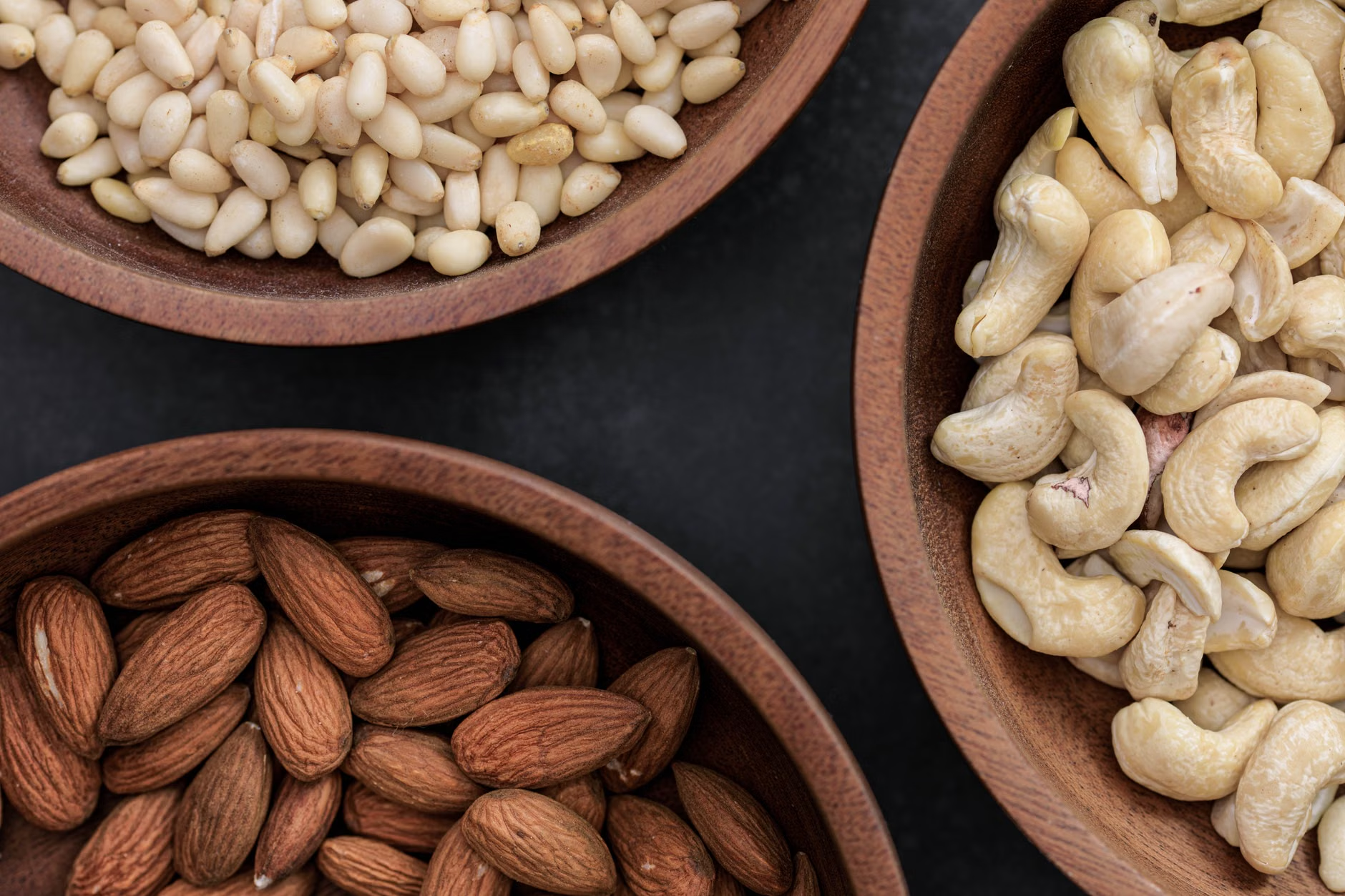
| Nuts & Seeds | Almonds, pecans, pumpkin seeds | A small handful (approx. 30g) as an afternoon snack provides a significant portion of daily needs. |
| Legumes | Chickpeas, lentils, soybeans | Add half a cup of cooked lentils to soups or stews for texture and nutrient density. |
| Fruits | Pineapple, raspberries, blackberries | Use pineapple as a natural digestive aid and manganese source in fruit salads. |
Note: These are estimates based on standard nutritional profiles. Always check for personal allergies or interactions with existing dietary restrictions.
Synergy: Why Manganese Doesn’t Work Alone
One of the most important insights for the 60-80 age group is that nutrients rarely act in isolation. Manganese works in tandem with other substances to maintain healthy joints. For instance, Vitamin C is essential for collagen synthesis. If you consume plenty of manganese but lack sufficient Vitamin C, your cartilage structure will still be compromised because the collagen framework is weak.
Furthermore, minerals like copper and zinc often compete for absorption in the gut. If you take a high-dose supplement containing only one of these, you may inadvertently create a deficiency in the others. This is why a “food-first” approach is superior to supplementation. When you eat a bowl of quinoa with seeds and berries, you are consuming a complex matrix of nutrients that the body is evolved to process efficiently and safely.
Practical Daily Habits for Joint Preservation
Beyond nutrition, your daily movement habits determine how well your cartilage utilizes these nutrients. Cartilage is avascular, meaning it has no direct blood supply. It receives nutrients through a process called “imbibition,” which is essentially a pumping mechanism. When you move your joints, the pressure causes fluid to flow in and out of the cartilage, bringing nutrients in and carrying waste products out.
If you are sedentary for long periods, your cartilage essentially “starves,” regardless of how much manganese you have in your diet. To keep your joints healthy, incorporate these habits:
- Low-Impact Movement: Engage in activities like swimming, cycling, or walking on soft surfaces. These provide the rhythmic loading necessary for nutrient circulation without the high-impact stress of running on concrete.
- Consistent Hydration: Since cartilage is largely water, maintaining adequate hydration ensures that the proteoglycans can do their job of keeping the joint cushioned.
- Weight Management: Reducing unnecessary load on weight-bearing joints (knees and hips) directly reduces the mechanical wear on the cartilage, allowing your body’s repair processes to keep pace with daily demands.

While nutrition is a pillar of prevention, it is not a cure for advanced joint degradation. If you are experiencing persistent joint pain, swelling, or a “locking” sensation, it is time to consult a medical professional. When preparing for an appointment, being organized helps you get the most out of your visit.
Preparation Checklist for Your Doctor’s Visit:
- Symptom Journal: For one week, note when the pain occurs (e.g., in the morning, after walking, at rest), how long it lasts, and what activities seem to trigger it.
- Medication List: Bring a list of all current medications, including over-the-counter supplements. Manganese levels in certain multivitamins can be high, and your doctor needs to know your total intake.
- Specific Questions:
- “Is my current level of joint stiffness within the normal range for my age?”
- “Are there specific exercises that would be safer for my joint structure?”
- “Do my blood tests indicate any deficiencies that might be affecting my joint health?”
It is important to remember that joint pain is not an inevitable “fact of life” that must be ignored. It is a signal from the body that requires assessment. Early intervention, whether through physical therapy, targeted exercise, or medical management, is far more effective than attempting to self-treat once damage has become severe.
The Long-Term Perspective on Joint Health
As we navigate the years between 60 and 80, the focus of health shifts from “performance” to “sustainability.” Manganese, as a structural support mineral, fits perfectly into this philosophy. By providing the body with the right nutritional building blocks through whole foods and maintaining a lifestyle that encourages joint lubrication through movement, you are building a foundation for continued mobility.
Avoid the trap of looking for a “quick fix” supplement that promises to rebuild cartilage overnight. Such claims are unsupported by clinical consensus and often ignore the systemic nature of human physiology. Instead, lean into the slow, steady habits that characterize long-term health: eating a varied diet, staying hydrated, keeping your joints in motion, and seeking professional guidance when your body sends you clear signals of distress.
By viewing manganese not as a miracle cure, but as a silent partner in your daily health, you can make informed decisions that support your independence and keep you active for years to come.
Frequently Asked Questions
- Can I get too much manganese from food?
It is extremely rare to reach toxic levels of manganese through diet alone. The body has efficient homeostatic mechanisms to regulate the absorption and excretion of manganese derived from whole foods. Toxicity is almost exclusively associated with industrial exposure or excessive, long-term use of high-dose supplements. - Does taking manganese supplements help with arthritis?
While manganese is necessary for cartilage health, there is no robust clinical evidence that taking manganese supplements will reverse or “cure” arthritis. Most studies emphasize that adequate dietary intake is sufficient for healthy individuals, and supplemental manganese should only be used under medical supervision if a specific deficiency is identified via blood tests. - Are there any medications that interact with manganese?
Yes. Certain medications, including some antacids and high-dose iron supplements, can interfere with the absorption of various trace minerals. Always provide your doctor with a complete list of all supplements and medications you are taking to ensure there are no absorption conflicts or health risks.
Disclaimer: This article is for informational purposes only and does not constitute medical advice. Always consult with a healthcare professional regarding your specific health needs or before starting any new dietary supplement regimen.
Official Resources for Further Reading: