- The “calf muscle pump” is your body’s natural mechanism to push blood from your lower legs back to your heart.
- Consistent, daily ankle-pumps are a low-impact, high-reward habit for reducing edema (swelling) and maintaining vascular health.
- Proper form—focusing on the full range of motion—is more important than the speed or number of repetitions.
For many adults aged 60 to 80, maintaining healthy circulation in the lower extremities is a cornerstone of mobility and comfort. As we age, the efficiency of the venous system—the network responsible for carrying blood back to the heart—can naturally decrease. One of the most effective, accessible, and evidence-based ways to support this system is the seated ankle-pump exercise.
Understanding the Calf Muscle Pump: Why Circulation Matters
To understand why ankle-pumps are effective, we must first look at the anatomy of the lower leg. Unlike the heart, which uses a powerful muscle to pump blood throughout the body, the veins in your legs rely on a different system. When you walk or move, your calf muscles contract and squeeze the deep veins, acting as a secondary heart. This is known as the calf muscle pump.
In a sedentary state—such as sitting for long periods while reading, watching television, or traveling—this pump becomes inactive. When the pump is idle, blood can pool in the lower legs due to gravity. This pooling often results in peripheral edema, or swelling, which can cause discomfort, skin changes, and a feeling of heaviness in the legs. By performing ankle-pumps, you are manually activating these muscles, encouraging venous return even while you remain seated.
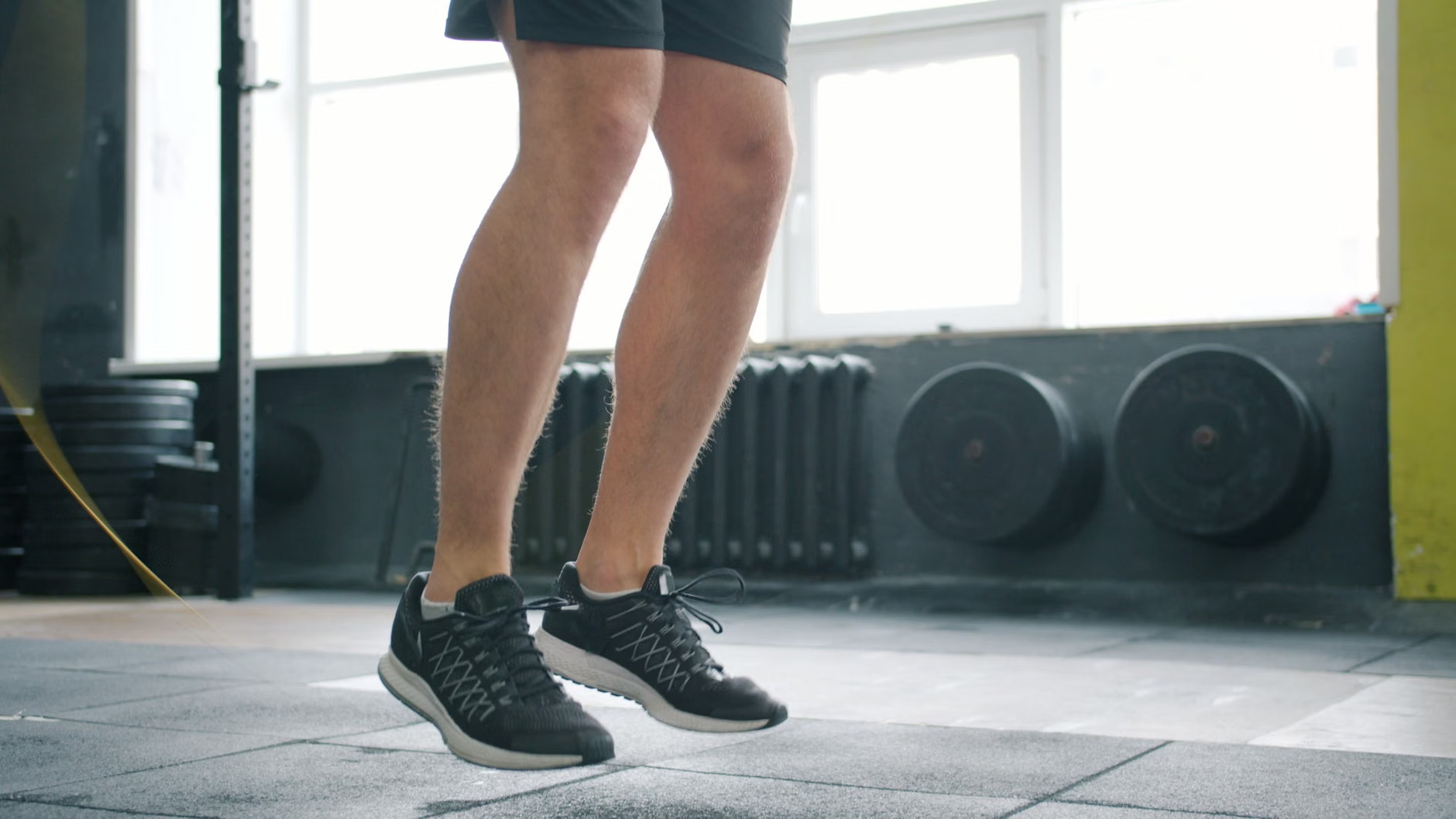
How to Perform Seated Ankle-Pumps Correctly
The beauty of the ankle-pump is its simplicity. It requires no equipment, no special clothing, and can be performed almost anywhere. However, technique is vital to ensure you are engaging the correct muscle groups.
Step-by-Step Execution
- Positioning: Sit in a sturdy chair with your feet flat on the floor. Ensure your knees are bent at approximately a 90-degree angle. Your back should be supported by the chair to maintain a neutral spine.
- The Upward Motion (Dorsiflexion): Lift the front of your foot toward your shin as high as possible. You should feel a stretch in the back of your lower leg (the calf). Hold this for one second.
- The Downward Motion (Plantarflexion): Point your toes downward toward the floor, as if you are pressing a gas pedal. Hold this for one second.
- Repetition: Repeat this cycle for 10 to 20 pumps per foot.
Common Mistake: Many people perform “fluttering” motions where the movement is too shallow. To be effective, the movement must reach the end of your natural range of motion in both directions. If you feel pain, reduce the intensity; if you feel a gentle stretch, you are likely hitting the correct range.
The Role of Ankle-Pumps in Daily Preventive Care
Incorporating this exercise into your routine is not about “curing” conditions but about managing the physiological realities of aging. For many, this practice serves as a vital bridge between periods of inactivity and movement.
When to Prioritize Ankle-Pumps
- Long-Distance Travel: Whether on a plane, train, or in a car, extended periods of sitting increase the risk of venous stasis. Performing ankle-pumps every 30 to 60 minutes can significantly improve blood flow during these journeys.
- Post-Activity Recovery: After a long walk or a day of being on your feet, the calf muscles may be fatigued. Ankle-pumps help flush out metabolic waste products that accumulate in the lower limbs.
- Daily Sedentary Habits: If you spend significant time at a desk or in a favorite armchair, consider “anchoring” this exercise to another habit, such as every time you take a sip of tea or every time a commercial break begins.
Evaluating the Impact: Signs of Success and When to Seek Advice
How do you know if your routine is working? While you cannot see the blood moving, you can monitor the physical symptoms in your legs. Consistent practitioners often report a reduction in the “tight” feeling associated with swelling by the end of the day. However, it is essential to distinguish between normal physiological changes and signals that require professional medical evaluation.
When to Consult a Healthcare Professional
If you notice any of the following, do not rely on exercise alone. These symptoms could indicate an underlying vascular issue that requires clinical assessment:
| Symptom | What it may indicate |
|---|---|
| Asymmetrical swelling (one leg is significantly larger than the other) | Potential DVT (Deep Vein Thrombosis) or lymphatic obstruction |
| Skin discoloration (dark, brownish patches) | Chronic venous insufficiency |
| Pain, heat, or redness in the calf | Inflammation or potential clotting issues |
When preparing for a medical appointment regarding leg health, bring a record of your daily habits. Note how many hours you spend sitting versus moving, and describe the timing of your swelling—does it appear in the morning or only after a long day? Providing this context helps your physician determine whether your symptoms are related to lifestyle factors or a specific vascular condition.
Integrating Movement into a Senior Lifestyle
The effectiveness of any preventive habit lies in its sustainability. If you find the exercise boring, consider using audiobooks or music to pass the time while you perform your sets. Furthermore, consider the environment. If you are at home, ensure your seating provides adequate support. If you are in a travel setting, prioritize aisles or areas where you have extra space to extend your legs fully.
One overlooked variable is the role of footwear. While ankle-pumps can be done barefoot, performing them in supportive, comfortable shoes can help maintain proper alignment and prevent foot cramping. Avoid wearing restrictive socks or tight bands around your ankles, as these can counteract the benefits of the exercise by creating a physical barrier to blood flow.
For those interested in further reading on vascular health and preventive exercise, the Society for Vascular Surgery provides resources on managing venous disease and the importance of movement. You can find more information at vascular.org.
Comprehensive Analysis: Addressing Common Misconceptions
There is a prevalent myth that if you exercise, you don’t need to worry about circulation. However, high-intensity exercise and low-intensity, repetitive movements like ankle-pumps serve different purposes. While cardiovascular exercise strengthens the heart and lungs, ankle-pumps are a targeted intervention for the venous system in the legs. They are not a replacement for walking or other weight-bearing activities, but rather a vital supplement for those who spend significant time sitting.
Another misconception is that the “pump” only happens when you are standing. While standing and walking are the most effective ways to engage the calf muscle, the seated ankle-pump is designed specifically to mimic that action in a non-weight-bearing position. This makes it a crucial tool for those with balance issues or reduced mobility who may not be able to walk for long durations.
Ultimately, the goal is to keep the blood moving. Whether you are 65 or 80, the principles of fluid dynamics within the body remain consistent. By taking five minutes a day to perform these movements, you are actively supporting your vascular system and reducing the strain on your heart, allowing for greater comfort and independence in your daily life.
Conclusion: Your Daily Action Plan
Start today by setting a simple goal: perform three sets of 15 ankle-pumps throughout your day. By anchoring this to a specific time—such as during breakfast, lunch, and dinner—you can easily turn a simple movement into a lifelong habit. Remember, the goal is not to perform a high-intensity workout, but to maintain consistent, gentle movement that keeps your legs feeling light and healthy. If you experience persistent pain or sudden changes in your legs, reach out to your primary care provider to ensure your circulation is being managed within the context of your overall health profile.
Frequently Asked Questions (FAQ)
1. How many ankle-pumps should I do in one day?
There is no strict limit, but a good starting point is 10 to 20 repetitions per foot, performed 3 to 4 times throughout the day. Listen to your body; if you feel muscle fatigue, take a break.
2. Can I do these exercises if I have varicose veins?
Yes, in most cases, gentle movement like ankle-pumps is encouraged to help blood flow. However, if you have severe varicose veins or a history of blood clots, consult your doctor to ensure that exercise is appropriate for your specific condition.
3. Do I need to be barefoot to get the best results?
Not necessarily. While being barefoot allows for the greatest range of motion, performing the exercise in comfortable, non-restrictive shoes is perfectly acceptable. The most important factor is the full flexion and extension of the ankle joint, regardless of footwear.
Disclaimer: This content is for informational purposes only and does not constitute medical advice, diagnosis, or treatment. Always seek the advice of your physician or other qualified health provider with any questions you may have regarding a medical condition.