- Prioritize Infrastructure: Always verify the availability of level-ground access, paved walkways, and proximity of restrooms to the tasting area before booking.
- Pacing is Essential: Select tours that limit movement to one or two locations per day to avoid overexertion and ensure sufficient recovery time.
- Communication is Key: Directly contact the vineyard or tour operator to confirm specific accessibility needs, as “accessible” can vary significantly by region and facility age.
For many travellers, a visit to a vineyard represents the pinnacle of a relaxing holiday. However, for those aged 60 to 80, the experience can quickly shift from leisurely to exhausting if the logistical realities of the location are not carefully considered. Selecting an accessible winery tour requires moving beyond attractive brochures and focusing on the physical mechanics of the visit: terrain, distance, transport, and the availability of amenities.
Understanding the Physical Demands of Vineyard Landscapes
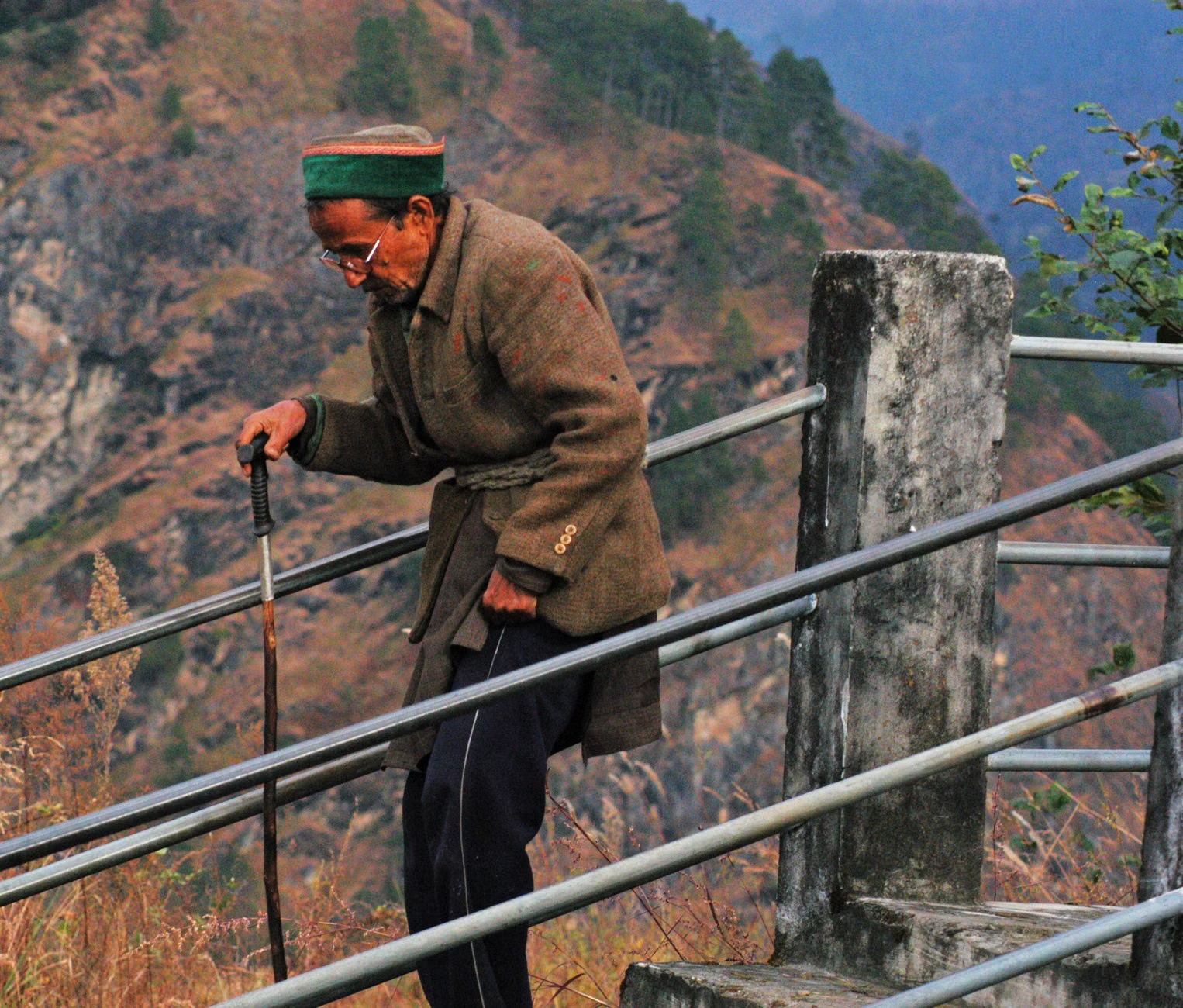
Vineyards are often situated on hillsides to optimize sun exposure and drainage. While these slopes provide beautiful vistas, they present significant mobility challenges. When evaluating a potential tour, the first step is to assess the “traversability” of the site.
The Difference Between “Rural” and “Accessible”
Many historic wineries are located in centuries-old buildings that may feature cobblestone courtyards, narrow doorways, and steep staircases. While these locations are charming, they are often fundamentally incompatible with limited mobility. When researching, do not assume that a “top-rated” winery is accessible. Instead, look for properties that have undergone modern renovations specifically designed for ADA (Americans with Disabilities Act) or similar international accessibility standards.
Practical Checklist for Terrain Assessment:
- Surface Type: Is the path from the parking lot to the tasting room paved or gravel? Gravel is notoriously difficult for those with mobility aids or balance concerns.
- Gradient: Does the winery provide a shuttle or golf cart service from the entrance to the main facility?
- Entry Points: Are there ramps at all main entrances, or is the primary access via steps?
Strategic Planning for Stamina and Pacing
A common mistake in planning winery tours is over-scheduling. It is tempting to book three or four tastings in a single day, but the cumulative effect of travel, walking, and standing can lead to significant fatigue. For older adults, the key is to prioritize quality of engagement over the quantity of locations visited.
The “One-Location” Rule
Limit your itinerary to a maximum of two wineries per day. This allows for a relaxed pace, ensuring that you have time for rest periods. If a winery tour involves a guided walk through the production facility, ask about the duration of the standing portion. Many tours involve 30 to 45 minutes of standing while a guide explains the fermentation process. If this exceeds your comfort level, ask if the tour can be modified to include more seated explanation time.
| Tour Type | Physical Demand | Best For |
|---|---|---|
| Walking Vineyard Tour | High (Uneven ground, standing) | Those with high stamina and sure footing |
| Seated Tasting/Seminar | Low (Mostly seated) | Those prioritizing comfort and conversation |
| Shuttle-Assisted Tour | Moderate (Short walks, transit) | Those who want to see the grounds without the hike |
The “Seated Tasting” is generally the most sustainable option for long-term enjoyment. It removes the stress of navigating uneven terrain while allowing for a more immersive sensory experience, as you can focus entirely on the wine rather than the physical exertion of moving between tanks and barrels.
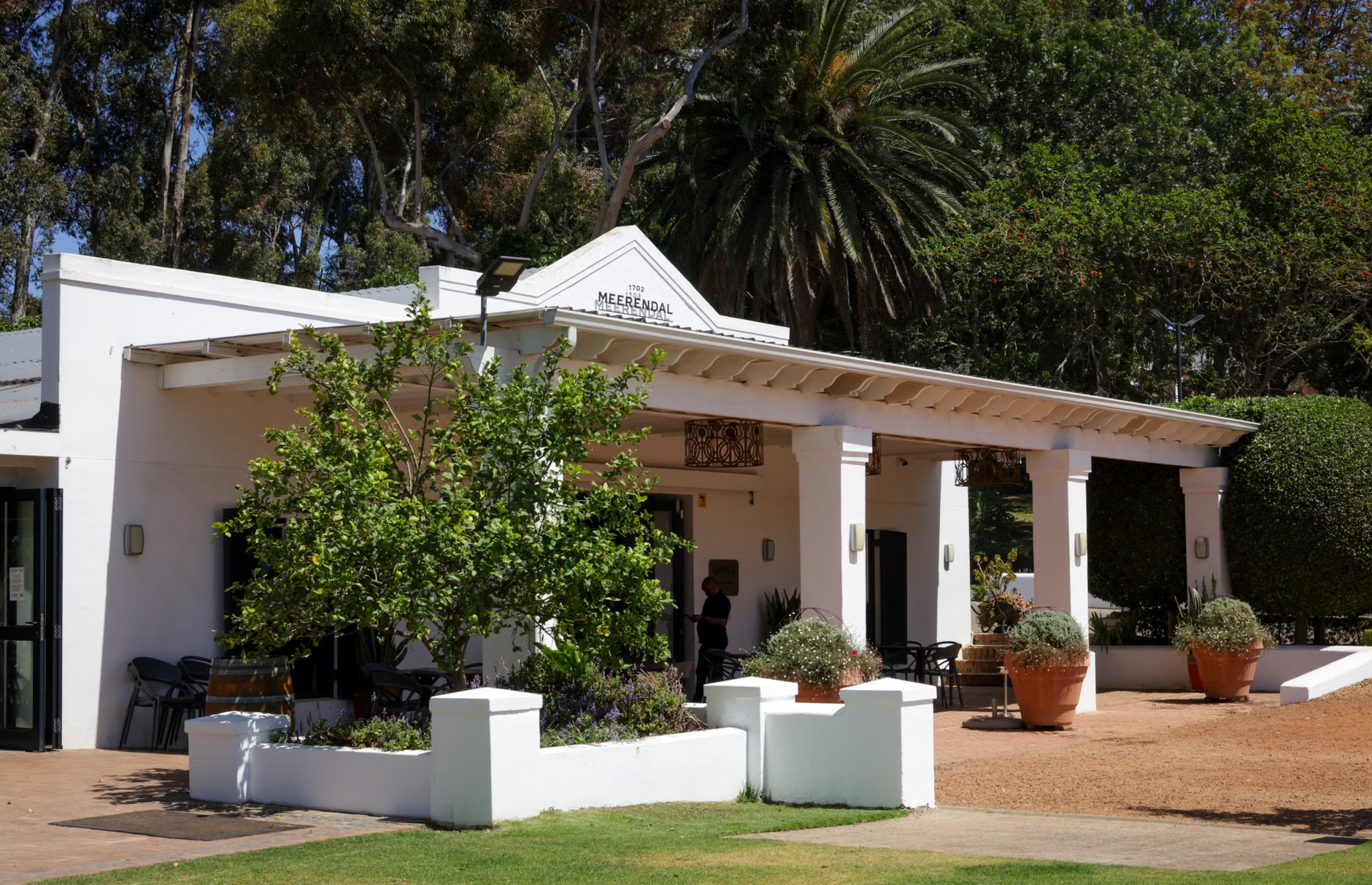
How you arrive at the winery is as important as the visit itself. Driving yourself can be stressful, especially if you intend to participate in tastings. Furthermore, parking lots at many rural wineries are not always adjacent to the tasting room, necessitating a long walk from the car.
Private vs. Group Transport
For those aged 60-80, private car services or specialized small-group tour operators are often superior to large-scale bus tours. Large groups tend to move at a pace dictated by the fastest member, which can create pressure to rush. A private driver or a small, senior-focused tour operator offers the flexibility to request extra stops for rest or to adjust the itinerary in real-time based on your energy levels.
Key Questions to Ask Before Booking Transport:
- Does the vehicle provide easy entry and exit (e.g., a low step-up height)?
- Is there sufficient storage space for mobility aids like walkers or folding wheelchairs?
- Can the driver drop passengers directly at the door of the tasting room?
Evaluating Amenities and Infrastructure
The “hidden” aspect of a successful winery tour is the availability of infrastructure that supports health and comfort. This includes not only restrooms but also seating, shade, and temperature control.
The Restroom Factor
In many rural settings, restrooms may be located in a separate building or down a flight of stairs. For an older traveller, the proximity and accessibility of restrooms are not minor inconveniences; they are critical components of a safe and dignified travel experience. Always call ahead and ask, “Are the restrooms located on the same level as the tasting room, and are they equipped with grab bars?”

Climate and Environmental Control
Wine cellars are traditionally cool and damp, which can be difficult for those with arthritis or respiratory sensitivities. Conversely, outdoor patios in summer can be dangerously hot. Always check if the tasting room offers climate-controlled indoor seating. If you are sensitive to temperature changes, bring a light layer even in summer, as the transition between a hot vineyard and a cool, underground cellar can be jarring.
Insights for a Seamless Experience
Beyond the logistical checklists, consider the “social environment” of the winery. During peak tourist seasons, wineries can become crowded and noisy. High noise levels can make it difficult for those with hearing aids to follow a guide’s presentation or engage in conversation. If possible, book your visit for mid-week or during off-peak hours (usually mid-morning). This not only ensures a quieter environment but also guarantees that staff have more time to provide personalized assistance.
The “Hidden” Variable: Many modern wineries now offer digital accessibility guides on their websites. Before booking, search for terms like “accessibility statement” or “virtual tour” on their official page. A virtual tour can provide a clear view of the layout, allowing you to identify potential bottlenecks or areas of concern before you ever leave home.
Conclusion: Taking the Next Step
Planning an accessible winery tour is an exercise in proactive communication. By identifying your specific needs—whether that be level-ground access, seated tours, or proximity to facilities—and verifying them directly with the venue, you transform a potentially stressful outing into a delightful leisure experience. Remember that your comfort is the priority; never hesitate to ask for modifications or to decline a part of a tour that feels beyond your current stamina. The goal is to savor the experience, not to endure the logistics.
Frequently Asked Questions
1. Should I disclose my mobility needs when booking a tour?
Yes. Being transparent allows the tour operator to prepare. They may be able to reserve a table closer to the entrance, ensure a shuttle is available, or adjust the pace of the tour to accommodate your needs.
2. Are all “ADA-compliant” wineries the same?
No. While ADA compliance provides a baseline of legal requirements in the United States, the practical application varies. Older historic buildings may have “grandfathered” layouts that are technically compliant but still difficult to navigate. Always ask for specific details about the path of travel, such as the presence of gravel or steep inclines.
3. What should I do if I feel overwhelmed during a tour?
It is perfectly acceptable to step away. If you are on a group tour, ensure you have the tour leader’s contact information. If you are on a private visit, identify a quiet, comfortable area—such as a shaded patio or a comfortable lounge—where you can wait while your companions continue the tour. Prioritizing your rest ensures you remain refreshed for the rest of your trip.
For further information on travel accessibility standards, you can consult resources such as ADA.gov for US-based travel or check the specific tourism authority website for your destination country to understand their local accessibility regulations.