Hello everyone! It’s your friendly health-conscious neighbor, Cooldy! 😊
With the pace of life getting faster and our stress levels rising, many of us find ourselves checking that little blood pressure monitor more often than we’d like. High blood pressure is often called the “silent killer” because it doesn’t always show symptoms, but it’s constantly whispering to us through our bodies. Have you ever felt a bit of unexplained fatigue or a slight tension in your neck and wondered if your numbers were creeping up?
I know how overwhelming it can be. You go to the doctor, and they tell you “eat less salt” and “exercise more.” But what does that actually look like on your dinner plate? To find the real answers, I spent hours digging through the latest medical journals, research from Harvard, and the American Heart Association (AHA) to bring you a comprehensive guide. Today, I want to share a “food prescription” that isn’t just hearsay—it’s backed by science. Let’s explore how we can turn our kitchen into our very own wellness center!
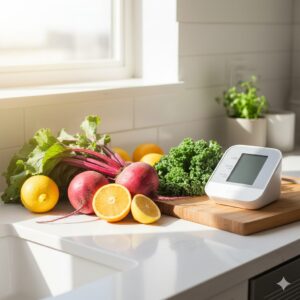
Why Food is Your First Line of Defense
Before we dive into the “what,” let’s talk about the “why.” When your blood pressure is high, it means the force of blood against your artery walls is too strong. Over time, this pressure can damage the delicate lining of your arteries, making them stiff—a condition doctors call ‘atherosclerosis.’
The good news? Your body is incredibly resilient. Research published in the journal Hypertension suggests that specific dietary changes can be as effective as some medications for those with mild hypertension. This isn’t about “dieting” in a restrictive sense; it’s about choosing foods that act as natural vasodilators—compounds that help your blood vessels relax and widen. Think of it as widening a narrow road to let traffic flow smoothly.
The Science-Backed Superstars of Blood Pressure Control
1. The Power of Red: Beets and Nitrates
If there’s one vegetable that deserves a trophy for heart health, it’s the humble beet. A landmark study from Queen Mary University of London found that drinking a glass of beetroot juice (about 250ml) could lead to a significant drop in blood pressure within just 24 hours.
- The Secret Ingredient: Beets are packed with ‘dietary nitrates.’ When you eat them, your body converts these nitrates into ‘nitric oxide.’
- What is Nitric Oxide? (Note: Think of this as a “relaxing gas” for your veins.) It signals the smooth muscles in your blood vessels to relax, which lowers the pressure.
- Cooldy’s Tip: If you find the earthy taste of beets too strong, try roasting them to bring out their natural sweetness, or blend them into a smoothie with a bit of apple and ginger!
2. Leafy Greens: Your Potassium Powerhouse
We’ve all heard that we need to eat more greens like spinach, kale, and swiss chard. But did you know why they are specifically good for your blood pressure? It’s all about the balance between sodium and potassium.
- The Sodium-Potassium Pump: Sodium (salt) makes your body hold onto water, which increases blood volume and pressure. Potassium does the opposite; it helps your kidneys flush out extra sodium through your urine.
- Science Check: The DASH (Dietary Approaches to Stop Hypertension) diet, which is heavily based on high-potassium greens, has been proven in numerous clinical trials to lower blood pressure significantly in as little as two weeks.
- Cautionary Note: (Note: If you have kidney concerns, please check with your doctor before significantly increasing your potassium intake, as your kidneys might struggle to process the excess.)
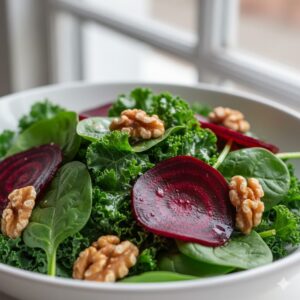
3. Berries: Nature’s Vascular Shield
Strawberries and blueberries aren’t just delicious treats; they are loaded with ‘anthocyanins.’ These are the natural pigments that give berries their vibrant colors.
- The Research: A massive study involving over 34,000 people found that those with the highest intake of anthocyanins—primarily from blueberries and strawberries—had an 8% reduction in the risk of high blood pressure compared to those who ate few berries.
- Why it works: These compounds help the cells that line the inside of your blood vessels (the endothelium) function better, keeping your “pipes” flexible.
4. Pistachios: The Unexpected Hero
While all nuts provide healthy fats, pistachios seem to have a unique edge when it comes to lowering blood pressure.
- The L-Arginine Factor: Pistachios are a great source of ‘L-arginine,’ an amino acid that the body uses to produce—you guessed it—nitric oxide.
- Weight Friendly: Among nuts, pistachios are lower in calories and higher in fiber, helping you maintain a healthy weight, which is another crucial factor for blood pressure management.
- Buying Tip: Always look for the “unsalted” or “raw” versions. Salted nuts will negate the benefits by adding unnecessary sodium!
Hidden Traps: Foods That Mimic Health but Raise Pressure
Sometimes we think we’re being healthy, but the food industry hides salt in places you’d never expect.
- Store-Bought Tomato Sauce: Tomatoes are great (rich in lycopene!), but canned sauces are often loaded with sodium to preserve flavor. One cup can contain nearly half of your daily recommended salt intake! Look for “No Salt Added” versions.
- Processed “Healthy” Meats: Pre-packaged turkey or chicken breast might seem lean and good, but they are often injected with a sodium solution to keep them moist. Freshly cooked poultry is always a better choice.
- Bread and Rolls: You might not taste the salt, but bread is one of the top contributors to sodium intake in the modern diet because we eat it so frequently.
Lifestyle “Ingredients” for a Healthier Heart
Beyond what we put in our mouths, how we treat our bodies throughout the day matters immensely.
The Magic of Sunlight
Did you know that sunlight can actually lower your blood pressure? Research from the University of Edinburgh suggests that when sunlight touches our skin, a compound called nitric oxide is released into our blood vessels. A gentle 20-minute walk in the morning sun does wonders—not just for your Vitamin D, but for your vascular health too!
The 4-7-8 Breathing Technique
Stress causes our body to release ‘cortisol’ and ‘adrenaline,’ which tighten blood vessels. To counteract this, try “Box Breathing” or the 4-7-8 method:
- Inhale through your nose for 4 seconds.
- Hold your breath for 7 seconds.
- Exhale completely through your mouth for 8 seconds.This simple practice flips the switch from your “fight or flight” system to your “rest and digest” system, naturally easing the pressure on your heart.

A Sample “Blood Pressure Rescue” One-Day Menu
To make things easy, here is a delicious, heart-healthy day of eating designed by Cooldy:
- Breakfast: Steel-cut oatmeal topped with fresh blueberries and a sprinkle of ground flaxseeds.
- Lunch: A large spinach salad with grilled salmon (rich in Omega-3s!), roasted beets, and a lemon-olive oil dressing.
- Snack: A small handful of unsalted pistachios and a crisp apple.
- Dinner: Stir-fried tofu or lean chicken with broccoli, bell peppers, and garlic, served over a small portion of brown rice.
- Evening Treat: A square of dark chocolate (at least 70% cocoa—it contains ‘flavanols’ that help relax blood vessels!).
Managing your blood pressure doesn’t mean you have to stop enjoying food. It’s about discovering new flavors and realizing that every bite is an opportunity to nourish your heart. Start small—maybe just add a side of spinach to your dinner tonight or swap your salted crackers for unsalted nuts.
Remember, you don’t have to be perfect. Consistency is much more important than intensity. I’m rooting for you every step of the way! Let’s keep our hearts happy and our spirits high. If you found this helpful, please share it with a friend who might need a little heart-healthy inspiration!
Stay healthy and stay “Cool,” everyone!
Reliable Sources for Further Reading
- American Heart Association (AHA): https://www.heart.org
- Harvard Health Publishing – Managing Blood Pressure: https://www.health.harvard.edu
- Mayo Clinic – DASH Diet Guide: https://www.mayoclinic.org
Would you like to proceed to the next step, 7) Image Generation Prompt Summary?