Hello everyone! I’m Cooldy, your friendly information hunter, back with another essential guide for your vibrant life! 😊
Have you noticed yourself lately asking people to repeat what they said? Or perhaps you’ve found yourself turning up the TV volume just a notch or two higher than usual? Often, we treat our eyes to new glasses the moment things get blurry, but when it comes to our ears, we tend to say, “Oh, I’m just getting older.”
But here’s the thing: hearing is a precious sense that, once significantly damaged, is incredibly hard to fully restore. It’s not just about missing out on a few words; it’s about staying connected to the people we love and keeping our brains sharp and active! Today, I’ve done some deep diving into the world of hearing health to help you figure out exactly when it’s time for a hearing aid and how to pick the one that fits your life perfectly. Let’s jump right in! 👂✨
Is It Time? Catching the ‘Golden Window’ for Your Ears

The most important thing I learned is that there is a “Golden Window” for hearing health. If we wait too long after hearing loss starts, our brain actually begins to forget how to process certain sounds. This makes it much harder to adjust to hearing aids later on. Here are the signs your ears are sending you an SOS:
1. “What did you say?” becomes your catchphrase
Are you struggling to follow conversations in noisy places like busy cafes or restaurants? Specifically, if high-pitched sounds like ‘s’, ‘f’, or ‘th’ start sounding the same, your ears might be struggling to catch those fine details.
2. The TV volume is a point of contention
If your family members are constantly complaining that the TV is too loud, but it sounds “just right” to you, it’s a clear sign that your hearing threshold has shifted.
3. Phone calls feel like a chore
Since you can’t see the person’s lips on a phone call, you rely 100% on the sound. If voices sound muffled or like they are coming from underwater, it’s time to pay attention.
4. That persistent ringing (Tinnitus)
Do you hear a faint buzzing or whistling even when it’s dead quiet? This is called Tinnitus, and it often goes hand-in-hand with hearing changes.
※ Cooldy’s Tech Corner: What is a Decibel (dB)?
It’s simply the unit we use to measure how loud a sound is. A normal conversation is about 60dB. If you start having trouble hearing sounds below 40dB, experts usually suggest it’s time to explore some hearing support!
Price Tag vs. Performance: How to Choose Your Perfect Match
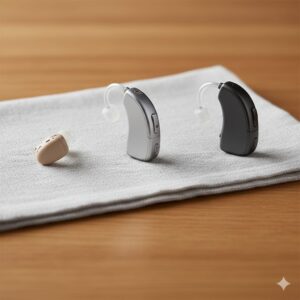
Walking into a hearing center can feel overwhelming. There are so many tiny gadgets! But don’t worry, I’ve broken down what you actually need to know. 💡
1. Find the Right Fit for Your Lifestyle
- In-the-Canal (IIC/CIC): These are nearly invisible! Great for those who want discretion, but they use very tiny batteries that can be tricky to change if your hands aren’t as steady as they used to be.
- Receiver-in-Canal (RIC): The most popular choice today. They sit discreetly behind the ear with a tiny wire. They feel very natural and usually come with rechargeable batteries.
- Behind-the-Ear (BTE): These are the powerhouses. If your hearing needs a significant boost, these are durable and very reliable.
2. Must-Have Smart Features
Modern hearing aids are like tiny supercomputers for your ears! Look for these:
- Noise Reduction: This is a lifesaver in noisy environments. It helps focus on the voice in front of you while dampening the background clatter.
- Bluetooth Connectivity: You can stream phone calls or TV audio directly into your ears. It’s like having high-end wireless headphones that also help you hear!
- Rechargeability: No more fumbling with tiny silver batteries. Just pop them in their case at night, and you’re good to go the next day.
3. The “After-Sales” Secret
A hearing aid isn’t a “buy it and forget it” item. Your brain needs time to adjust to new sounds. This process is called Habituation. You’ll need a few follow-up appointments with a specialist (an Audiologist) to fine-tune the settings. Choose a clinic that is close to home and offers great support! 🌟
Daily Rituals for “Happy Ears”
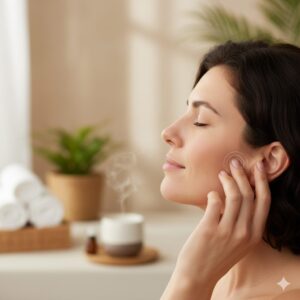
Even if you start using a hearing aid, protecting your remaining hearing is vital. Here are some simple habits I’ve started incorporating into my own routine:
1. The 60/60 Rule for Earbuds
If you love listening to music or podcasts, try the 60/60 rule: Listen at no more than 60% volume for no more than 60 minutes at a time. Your ears need breaks too! 🎧
2. Stop the “Q-Tip” Habit
Did you know earwax is actually a protective barrier? Shoving a cotton swab deep into your ear can push wax against the eardrum or even cause tiny tears. If you feel a blockage, it’s much safer to have a professional look at it.
3. The Gentle Ear Massage
Stimulating blood flow around the ears can be very beneficial. Gently rub the lobes and the cartilage in a circular motion for a minute every morning. It feels great and keeps the circulation going!
Eat Your Way to Better Hearing

Believe it or not, what’s on your plate affects how well you hear! Certain nutrients support the delicate nerves and blood vessels in your inner ear. 🥗
- Zinc (Nuts & Seeds): Found in almonds and cashews, zinc helps with the immune system and can even help with tinnitus.
- Folate (Leafy Greens): Spinach and broccoli are rich in folate, which can help slow down age-related hearing changes.
- Magnesium (Bananas & Dark Chocolate): This helps protect the ears against loud noise damage. (Yes, an excuse for a little dark chocolate!)
- Vitamin B12 (Fish & Eggs): Essential for nerve health. Make sure you’re getting enough protein in your diet.
The Bottom Line: Stay Connected
Hearing isn’t just a physical function; it’s a social one. When we can’t hear, we tend to withdraw from conversations, which can lead to feeling lonely or isolated. Taking the step to check your hearing is an act of self-care that keeps your world big and bright.
Don’t wait until the silence becomes too loud. If you’re noticing changes, why not book a simple hearing test this week? It’s much easier than you think, and the technology available today is truly life-changing.
Your ears have been listening to the world for you all these years—it’s time to give them a little love back! 💖 If you have any questions about specific brands or my personal research, leave a comment below. I’m always here to help!
Stay healthy and keep listening to the beautiful sounds of life!
Reliable Resources for Further Reading
- World Health Organization (WHO) – Deafness and Hearing Loss
- Mayo Clinic – Hearing Loss: Symptoms and Causes
- American Speech-Language-Hearing Association (ASHA)
👉 Related Posts
Woke Up with Blurry Vision? How to Spot a “Eye Stroke” (Retinal Vein Occlusion) and Save Your Sight
Stop Eye Aging! 3 Surprising Habits to Prevent Cataracts (Better Than Surgery)