- Prioritize Breathability: Choose natural, moisture-wicking fabrics like linen or bamboo to manage humidity and prevent skin irritation.
- Active Heat Management: Schedule outdoor activities for early morning or late afternoon to avoid peak UV exposure and heat exhaustion.
- Hydration and Salt Balance: In humid climates, you lose electrolytes rapidly; prioritize fluid intake that includes essential minerals, not just plain water.
The Reality of Tropical Travel for Seniors
Traveling to tropical destinations—defined by high heat and high humidity—requires a shift in perspective compared to visiting temperate regions. For travelers between the ages of 60 and 80, the primary challenge is not just the temperature, but how humidity affects the body’s ability to cool itself through sweat evaporation. When the air is saturated with moisture, sweat does not evaporate efficiently, which can lead to a faster rise in core body temperature and increased fatigue.
However, with proper preparation, these destinations offer immense rewards, from vibrant biodiversity to cultural richness. The key is to view your packing list and daily itinerary as essential tools for maintaining your stamina and comfort. This guide focuses on actionable, evidence-based strategies to ensure your tropical journey is safe, enjoyable, and physically manageable.
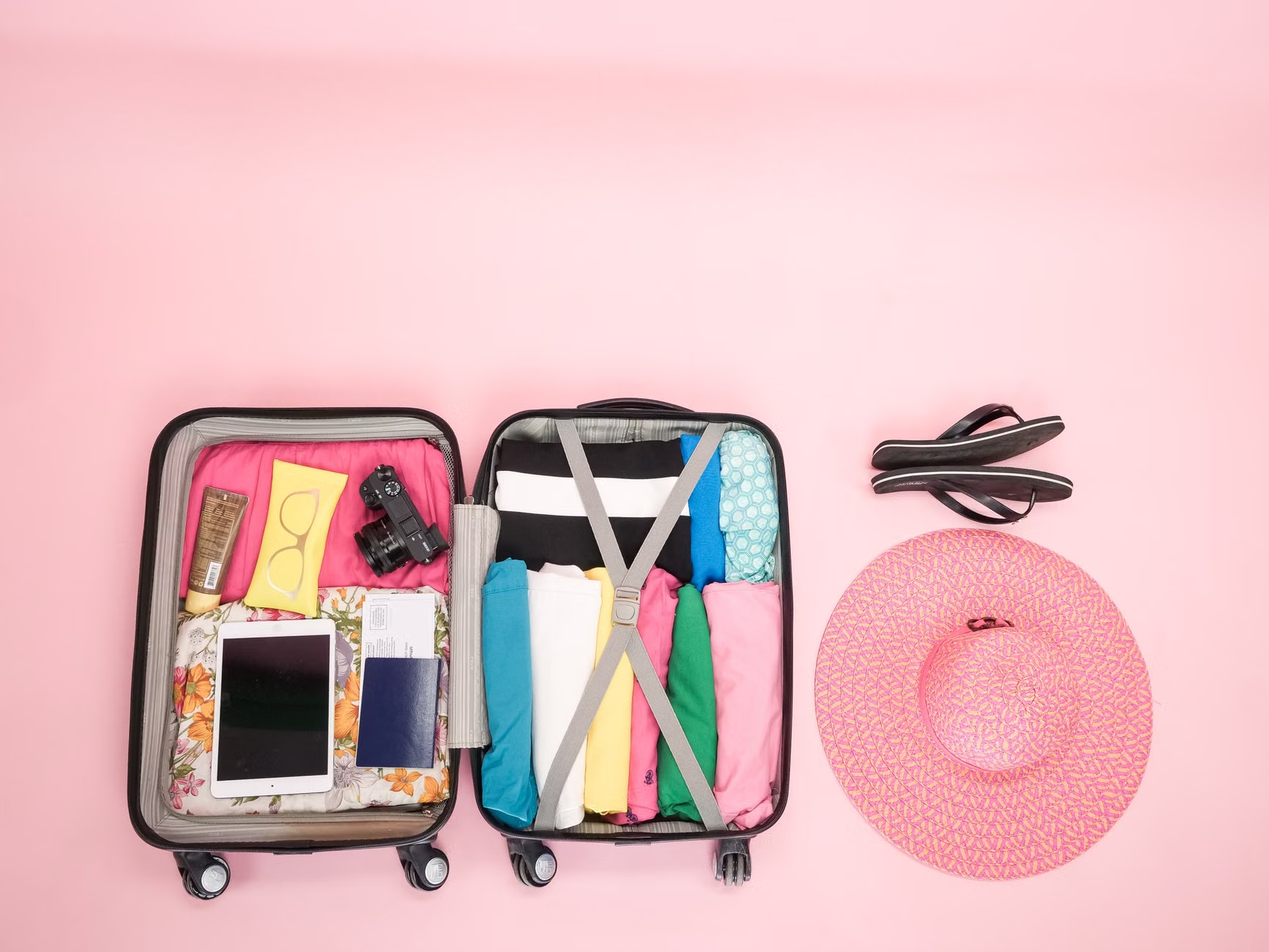
1. Strategic Packing: Fabrics and Footwear for Humid Conditions
In a tropical climate, your clothing acts as your first line of defense against both the heat and the environment. The “three-layer rule” often used for cold climates is irrelevant here; instead, focus on “single-layer efficiency.”
Selecting the Right Fabrics
Avoid synthetic fabrics that trap heat. While some modern “moisture-wicking” athletic wear is effective, many retain odors quickly in high humidity. Linen, hemp, and high-quality bamboo blends are superior for tropical travel. These fabrics allow for maximum airflow and dry quickly if you are caught in a sudden tropical rain shower.
Footwear Considerations
Humidity often leads to foot swelling, a common condition for older travelers. Your walking shoes should be:
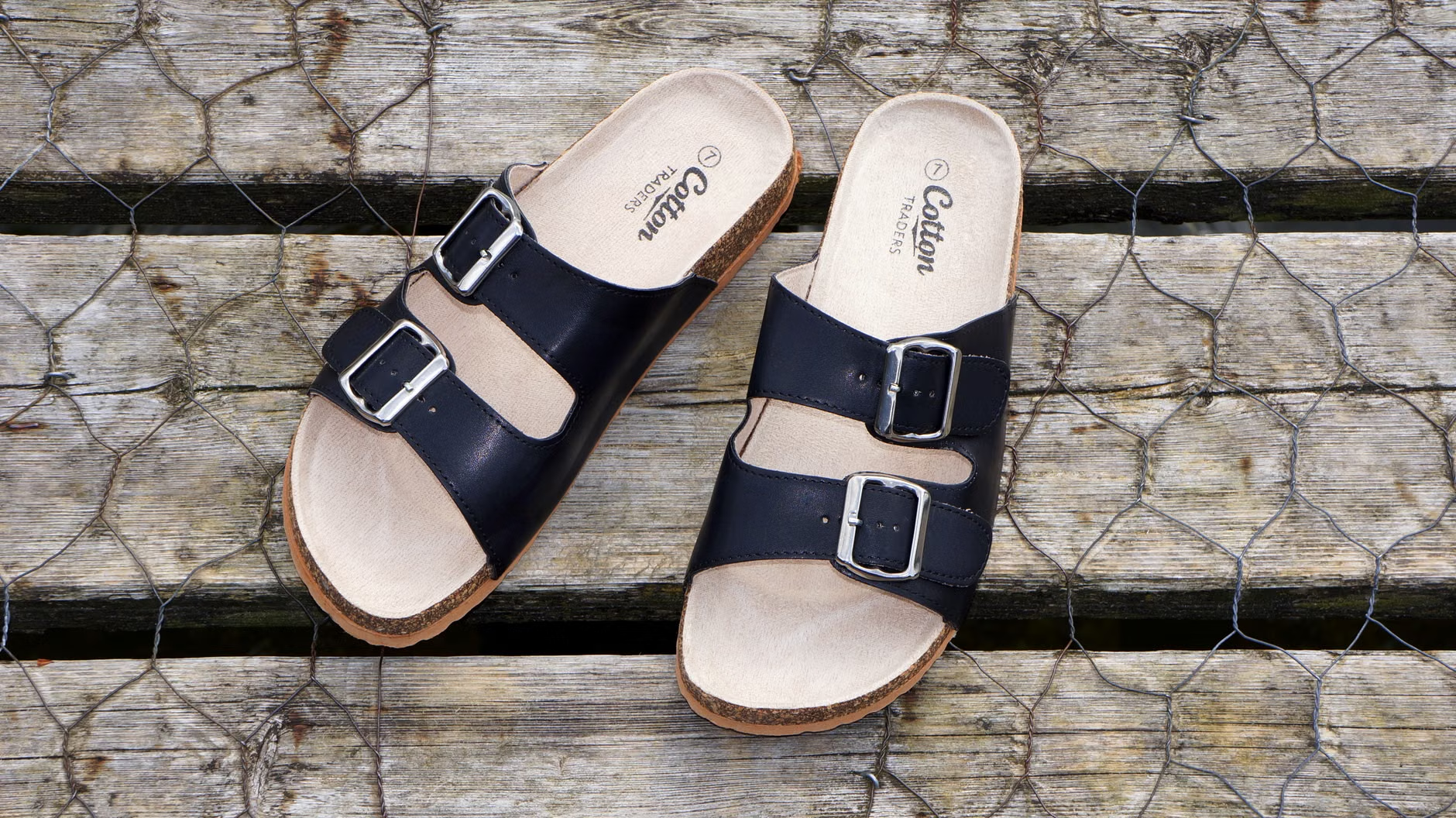
- Adjustable: Choose sandals or walking shoes with Velcro or buckle straps to accommodate foot size fluctuations throughout the day.
- Non-slip: Tropical surfaces—whether tile, stone, or boardwalks—become notoriously slippery when wet. Ensure your footwear has a high-traction rubber sole.
- Breathable: Avoid closed-toe leather shoes, which can trap moisture and increase the risk of fungal infections or blisters.
The “Essential Tropical Kit” Checklist
| Item | Why it Matters | Senior-Friendly Tip |
|---|---|---|
| Wide-brimmed Hat | UV protection for face and neck | Ensure it has a chin strap for windy coastal areas. |
| Personal Mini-fan | Immediate relief from stagnant air | Choose a rechargeable model that doubles as a power bank. |
| Moisture-wicking Socks | Prevents friction and blisters | Pack extra pairs to change mid-day if feet get sweaty. |
| UV-Protective Umbrella | Creates your own mobile shade | Look for a lightweight, compact version with a sturdy handle. |
2. Managing Stamina and Mobility in Tropical Heat
The most common mistake older travelers make in the tropics is maintaining their “home pace.” In a humid environment, your body works harder to maintain a stable core temperature. This consumes energy that you would otherwise use for sightseeing.
The “10-2-10 Rule” for Itinerary Planning
To preserve your stamina, adopt the 10-2-10 framework:
- 10:00 AM: Complete your most demanding activity (e.g., a guided tour, a walk through a historical site).
- 2:00 PM: Mandatory “Siesta” or indoor downtime. This is the peak heat period. Find a cool, air-conditioned environment, such as a museum, a library, or your hotel room.
- 10:00 PM: Aim for a consistent sleep schedule to allow your body to recover from the cumulative stress of the heat.
Understanding Humidity and Fatigue
High humidity increases the sensation of heat (the heat index). If the temperature is 30°C (86°F) with 80% humidity, it feels significantly hotter to your body. Watch for signs of early heat exhaustion, which in seniors can be subtle: unexplained irritability, a headache, or a sudden feeling of being “out of breath” while sitting still. If you experience these, move to a cool area immediately and consume a beverage with electrolytes, not just plain water.

3. Health Maintenance and Medication Storage
Tropical climates present unique challenges for health management, particularly for those on chronic medications. Humidity and heat can degrade certain pharmaceutical compounds if they are not stored correctly.
Medication Safety in the Tropics
Many medications, especially those for blood pressure or thyroid conditions, are heat-sensitive.
- Use a Thermal Pouch: Do not leave your medication in a hotel room that might get warm while you are out. Use a dedicated, insulated travel pouch.
- Keep a Digital Record: Have a copy of your prescriptions and a list of your medical conditions stored on your phone. If you need to visit a local clinic, the language barrier can be bridged by showing these documents.
- Hydration Logistics: Dehydration is the primary trigger for health issues in the tropics. Carry a reusable bottle with an integrated filter if local tap water is not potable. This reduces the need to carry heavy plastic bottles.
Accessibility in tropical regions varies drastically. In many popular destinations, infrastructure may not meet the standards you are accustomed to in Europe or North America.
Assessing Local Infrastructure
Before booking, use Google Maps “Street View” to inspect the sidewalks in the immediate vicinity of your accommodation. Look for:
- Curb cuts: Are the sidewalks level with the road?
- Surface material: Is it uneven cobblestone (difficult for mobility aids) or smooth concrete?
- Shade coverage: Are there trees or awnings along your primary walking routes?
If you have mobility limitations, prioritize hotels that offer “all-inclusive” features or those located near reliable, air-conditioned public transport hubs. Relying on taxis is a valid and often cost-effective strategy in many tropical regions, but ensure you agree on a price or use a ride-hailing app to avoid confusion.
5. The Hidden Variable: The Tropical Rain Factor
Tropical regions often experience sudden, intense rain. This is not just a nuisance; it changes the safety dynamics of your trip.
- Slip Hazards: Stone paths and marble floors become treacherous when wet.
- Humidity Spikes: After a rain shower, the humidity levels often spike, making the air feel heavier.
- Decision Rule: If it begins to rain, do not attempt to “power through” to reach your destination. Find shelter, wait for the downpour to subside, and use that time to rest. The rain rarely lasts all day.
Conclusion: Pacing for Longevity
Your goal in traveling to a tropical destination should be to experience the environment without compromising your wellbeing. By packing breathable fabrics, respecting the heat index, and planning your daily schedule around the “10-2-10” rule, you can navigate the tropics with confidence. Remember, the most successful senior travelers are those who prioritize recovery time as much as their itinerary. When in doubt, choose the path of least resistance—a slow, observant pace will always yield a more rewarding travel experience than a rushed one.
Frequently Asked Questions
Q: How do I know if my medication needs special cooling in tropical heat?
A: Most medications are stable up to 25°C (77°F). If your travel destination consistently exceeds this, or if you are keeping medication in a non-air-conditioned room, use an insulated cooling pouch. Always check the patient information leaflet for specific temperature storage requirements.
Q: Is it safe to drink local tap water in tropical regions?
A: This varies by country and even by city. Always check the official government travel advisory for your destination (e.g., the CDC for US travelers or the NHS Fit for Travel for UK travelers). When in doubt, rely on bottled or filtered water, and avoid ice in drinks unless you are in a reputable establishment that uses purified water.
Q: What is the best way to handle foot swelling in the heat?
A: Elevate your feet whenever you are sitting, stay hydrated with electrolyte-balanced fluids to prevent water retention, and avoid standing in one place for long periods. If you notice swelling that does not subside after a night’s rest, or if it is accompanied by redness or pain, consult a local pharmacist or healthcare provider.
Official resources for further travel health planning: