Hello there! It’s Cooldy. Today, I want to chat about something we encounter every single day at the dining table—a topic that often leaves us feeling a bit conflicted. I’m talking about salt.
We’ve all heard it before: “Cut down on salt!” or “A low-sodium diet is the secret to a long life.” But have you ever stopped to wonder if it’s really that simple? Is salt truly the villain it’s made out to be, or have we been missing out on some essential truths? Today, I’m going to share some eye-opening facts about salt that might just change how you look at your salt shaker. Let’s dive into the salty truth!
Is Salt Really the Enemy? The Vital Role of Sodium
For decades, salt has been branded as a major health risk, primarily linked to high blood pressure. While it’s true that excessive intake can be problematic, salt—specifically sodium—is actually an essential mineral that our bodies literally cannot survive without.
Think of sodium as the “electricity” for your body. It helps carry signals through your nervous system, allows your muscles to contract and relax, and maintains the delicate balance of fluids in and out of your cells. Without enough salt, your internal machinery starts to glitch.
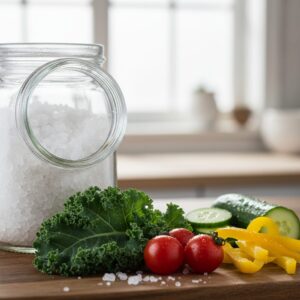
The Paradox of Low-Salt: When ‘Healthy’ Becomes Risky
In our quest to be healthy, many of us try to eliminate salt almost entirely. However, medical experts are increasingly warning about the “paradox of low salt.” Extreme salt restriction can lead to a condition called Hyponatremia.
※ What is Hyponatremia?
This is a fancy word for when the sodium levels in your blood become too low. Since sodium helps balance water, a lack of it causes your cells to swell with too much water. This can lead to headaches, confusion, fatigue, and in severe cases, it can be quite dangerous.
If you’ve been feeling unusually lethargic, dizzy, or “foggy” lately while sticking to a strict low-salt diet, your body might actually be crying out for a bit more seasoning. Balance, not avoidance, is the real key to longevity.
Not All Salt Is Created Equal: Refined vs. Natural
When we talk about the dangers of salt, we often lump everything into one category. But there is a massive difference between the salt you find in a bag of potato chips and the salt you use to season a home-cooked meal.
Refined Salt (often called table salt) is highly processed. It’s stripped of all its natural minerals, leaving only sodium chloride. On the other hand, Natural Sea Salt, Himalayan Pink Salt, or Bamboo Salt contains a wealth of trace minerals like magnesium, potassium, and calcium. These minerals help your body process the sodium more effectively.
The real culprit in our modern diet isn’t the salt shaker; it’s the hidden sodium in processed foods—canned soups, deli meats, and frozen dinners. These items use massive amounts of refined salt to preserve flavor and shelf life.
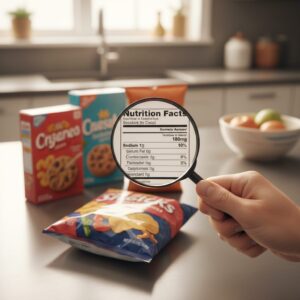
The Secret Weapon: The Potassium-Sodium Balance
Did you know that your body has a built-in “pump” to manage salt? It’s called the Sodium-Potassium Pump. To keep your blood pressure stable and your heart healthy, you don’t necessarily need to eat less salt—you might just need to eat more potassium.
Potassium acts as a natural antagonist to sodium. It helps your kidneys flush out excess salt through your urine and relaxes the walls of your blood vessels.
Cooldy’s Favorite Potassium-Rich Foods:
- Bananas: The classic go-to for a quick potassium boost.
- Avocados: Loaded with healthy fats and even more potassium than bananas.
- Spinach: A powerhouse of minerals that supports heart health.
- Potatoes (with the skin!): A comforting way to balance your minerals.
- Coconut Water: Nature’s electrolyte drink, perfect after a walk or light exercise.
Cooldy’s Practical Tips for a Balanced Salt Life
I’ve spent a lot of time researching how to enjoy food without compromising my health. Here are a few “pro-tips” I’ve integrated into my own life that you might find helpful:
1. Season at the Very End
If you add salt while a soup is boiling, the heat can mask the flavor, leading you to add more and more. Try seasoning your food right before it hits the table. This way, the salt sits on the surface of the food, giving you a stronger taste with much less actual sodium.
2. Embrace the ‘Dry’ Meal
In many cultures, soups and stews are staples. However, most of the sodium is hidden in the broth. Try eating more “dry” meals or focus on eating the solid ingredients (the “good stuff”) while leaving some of the broth behind.
3. Use Herbs and Citruses
Sometimes our tongues crave flavor, not necessarily salt. Using lemon juice, lime, vinegar, or fresh herbs like rosemary and basil can satisfy your palate so much that you won’t even notice there’s less salt.

Salt and Your Brain: A Surprising Connection
Recent studies have shown a fascinating link between moderate salt intake and cognitive health. Since the brain relies on electrical impulses to think and remember, and sodium facilitates those impulses, a moderate amount of salt is essential for staying sharp.
In some cases, people who followed overly restrictive diets noticed an improvement in their memory and focus simply by slightly increasing their intake of high-quality mineral salt. It’s a reminder that our brains need fuel—and sometimes that fuel is a little bit salty!
Seasonal Salt Needs: Listen to Your Body
Our need for salt isn’t static; it changes with the seasons and our activity levels.
- In the Summer: When you sweat, you lose more than just water; you lose electrolytes, primarily salt. This is why you might crave salty snacks after a day in the sun. It’s your body’s way of maintaining its balance.
- In the Winter: With less sweating and activity, you can afford to be a bit more conservative with your salt intake.
Always listen to your body’s cravings. They are often sophisticated signals rather than just random desires.

Wrapping It All Up
We’ve covered a lot today! Let’s do a quick recap:
- Salt is essential: It’s not a poison; it’s a vital mineral for your nerves and muscles.
- Quality matters: Swap refined table salt for mineral-rich sea salt or pink salt.
- Watch the ‘Hidden’ Salt: Be wary of processed and canned foods.
- Balance with Potassium: Eat your greens and fruits to help your body manage sodium naturally.
- Season smart: Season at the end of cooking and use herbs for extra flavor.
Living healthily shouldn’t mean eating bland, boring food. It’s about being informed and making small, smart choices every day. I hope this helps you feel a little more confident the next time you reach for that salt shaker!
Stay healthy, stay happy, and keep enjoying the wonderful flavors of life!
Reliable Sources for Further Reading
- World Health Organization (WHO) – Salt Reduction
- Harvard Health – Sodium, Potassium, and Control over Blood Pressure
- Mayo Clinic – Sodium: How to Tame Your Salt Habit
👉 Related Posts
Say Goodbye to Knee Pain: The Ultimate Guide to Joint-Friendly Foods and Supplements
Say Goodbye to Insomnia! Essential Sleep Hygiene Tips and Foods for Better Sleep Quality in Mid-Life
Boost Your Immune Shield: 5 Essential Foods for Seasonal Health and Vitality