- Prioritize Stability: Always use a sturdy, non-swivel chair with a firm seat to ensure safety and proper alignment during hip mobility exercises.
- Consistency Over Intensity: Gentle, daily movement is significantly more effective for maintaining hip range of motion than infrequent, high-intensity stretching.
- Listen to Your Body: Sharp pain is a signal to stop immediately; focus on feeling a “gentle tension” rather than pushing through discomfort.
Understanding the Role of Hip Mobility in Daily Independence
As we navigate our 60s, 70s, and beyond, the health of our hip joints becomes a cornerstone of our overall physical independence. The hip is a ball-and-socket joint that supports the weight of our upper body and facilitates essential movements like walking, sitting, standing, and climbing stairs. When hip mobility begins to decline—often due to sedentary habits, natural joint wear, or muscle stiffness—it directly impacts our ability to perform everyday tasks, from getting in and out of a car to putting on shoes.
Maintaining mobility is not merely about flexibility; it is about keeping the surrounding muscles—the glutes, hip flexors, and rotators—engaged and functional. For many adults, the “seated” approach to exercise is not just a modification; it is the most effective way to isolate the hips while minimizing the risk of falls or joint strain. By removing the balance component, you allow your body to focus entirely on the range of motion of the hip complex.
Establishing a Safe Foundation for Seated Exercises
Before beginning any routine, the environment must be optimized for safety. A common mistake is practicing on a sofa or a chair with wheels. These surfaces are unstable and can lead to misalignment or accidental slips. Your chair should ideally be a firm, armless kitchen or dining chair. If you use a chair with arms, ensure they do not obstruct the lateral movement of your legs.
Checklist for your workout space:
- Surface: A stable, non-slip floor (avoid thick carpets if possible).
- Chair: A flat, hard seat that allows your feet to rest firmly on the ground.
- Clothing: Loose-fitting garments that allow for a full range of motion without restriction.
- Hydration: Keep water within arm’s reach to avoid unnecessary standing or rushing.
The Anatomy of Movement: Why Seated Hip-Openers Work
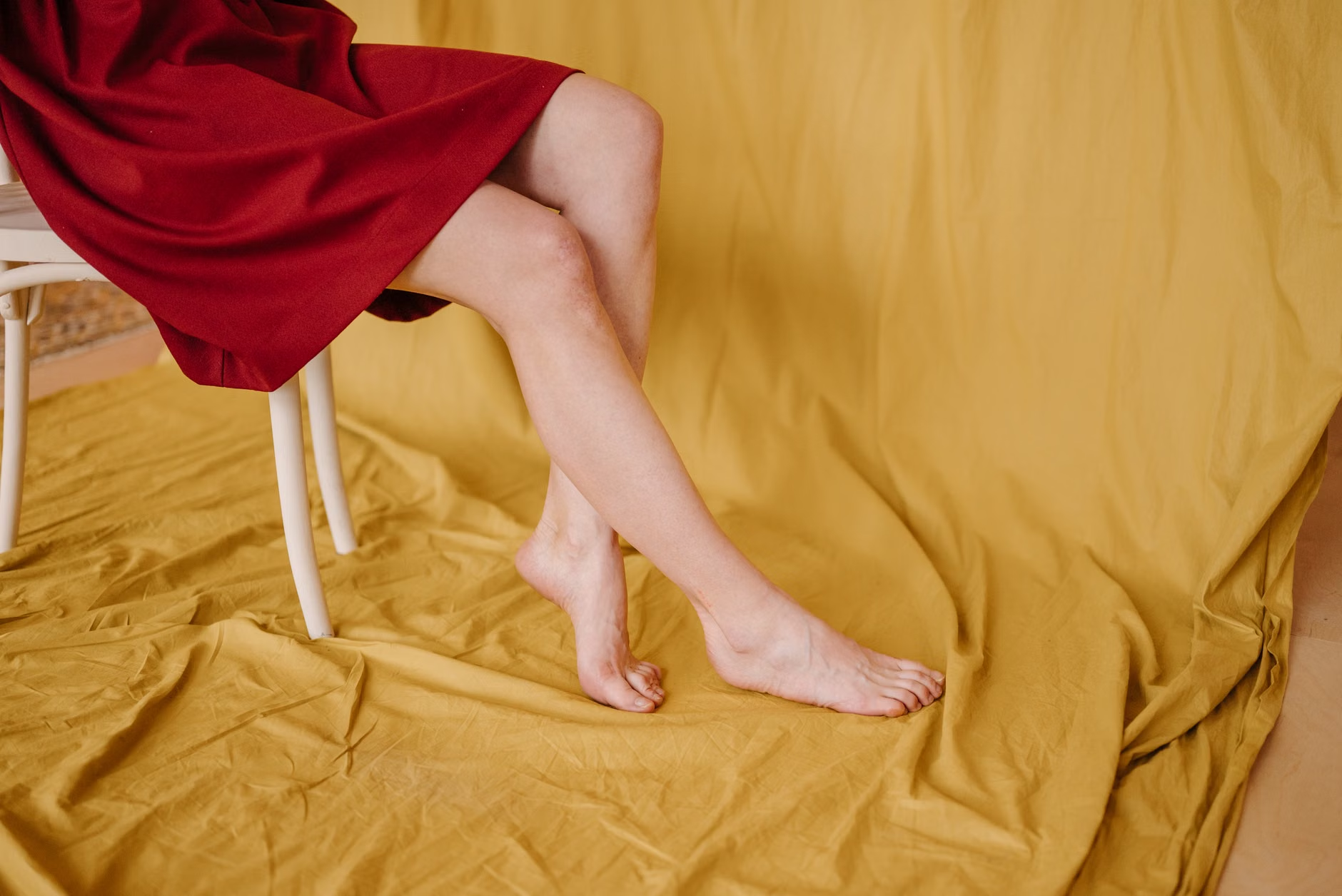
The hip joint is frequently restricted by “tight” hip flexors—the muscles at the front of the hip that shorten when we spend long periods sitting. When these muscles remain in a shortened state, they pull on the pelvis, leading to lower back discomfort and an altered gait. Seated hip-openers address this by gently lengthening these tissues in a controlled environment.
Unlike standing exercises, which require core stabilization and balance, seated exercises allow you to isolate the hip capsule. This is particularly beneficial for those managing conditions such as mild osteoarthritis or those recovering from minor injuries who need to avoid weight-bearing stress while still keeping the joints lubricated with synovial fluid.
Step-by-Step Guide to Three Essential Seated Stretches
The following movements should be performed slowly. Never “bounce” into a stretch; instead, hold the position and breathe deeply, allowing your muscles to relax naturally into the movement.
1. The Seated Figure-Four Stretch
This stretch targets the deep gluteal muscles and the piriformis, which are often the culprits behind hip and lower back tightness.
- Sit tall at the edge of your chair, feet flat on the floor.
- Slowly lift your right ankle and place it onto your left thigh, just above the knee.
- Keep your right foot flexed to protect the knee joint.
- If you feel tension, stop here. If you are comfortable, gently hinge forward from your hips—keep your back straight, do not round your shoulders.
- Hold for 30 seconds, then switch legs.
2. The Seated Hip Flexor Release
This movement targets the front of the hip, which tightens from prolonged sitting.
- Scoot to the right side of your chair so your right buttock is off the seat.
- Extend your right leg back behind you, resting the ball of your foot on the floor.
- Keep your torso upright; imagine a string pulling the crown of your head toward the ceiling.
- You should feel a gentle stretch along the front of the right hip.
- Hold for 30 seconds, then repeat on the left side.
3. Seated Knee-to-Chest Gentle Mobilization
This improves hip flexion and helps lubricate the joint capsule.
- Sit firmly in the center of the chair.
- Interlace your fingers behind your right thigh (not over the knee, to avoid pressure).
- Gently draw your knee toward your chest.
- Keep your spine long and your shoulders relaxed.
- Hold for 5 seconds and release. Repeat 5 times per leg.

Comparing Mobility Strategies: What Works Best?
When considering how to maintain mobility, you may encounter various methods. The following table compares common approaches to help you decide which fits your current lifestyle.
| Method | Primary Benefit | Best For | Risk Factor |
|---|---|---|---|
| Seated Stretches | High safety, low impact | Daily maintenance, beginners | Very Low |
| Water Aerobics | Joint decompression | Those with arthritis | Low (requires facility) |
| Yoga/Pilates | Strength + Flexibility | Intermediate mobility | Moderate (requires guidance) |
For most adults aged 60-80, a combination of seated mobility work for daily maintenance and low-impact activity like walking or swimming provides the best balance. If you are experiencing persistent pain, it is vital to distinguish between “stretch-induced” discomfort and “joint-related” pain. Stretch discomfort should subside within minutes; joint pain—often sharp, stinging, or accompanied by swelling—requires professional evaluation.
Identifying When to Consult a Professional
While preventive exercise is vital, it does not replace medical screening. You should consult a physiotherapist or your primary care physician if you notice:
- Asymmetry: If one hip feels significantly stiffer or more painful than the other.
- Morning Stiffness: If it takes more than 30 minutes for your hips to feel “warmed up” after waking.
- Instability: If you feel a “giving way” sensation in the hip while walking.
When preparing for an appointment, bring a list of your daily activities. Documenting whether your pain occurs during rest, at the start of movement, or after long periods of activity helps the professional provide a more accurate assessment. For more information on maintaining joint health, consult reliable resources like the National Institute of Arthritis and Musculoskeletal and Skin Diseases.
Hidden Variables in Hip Health
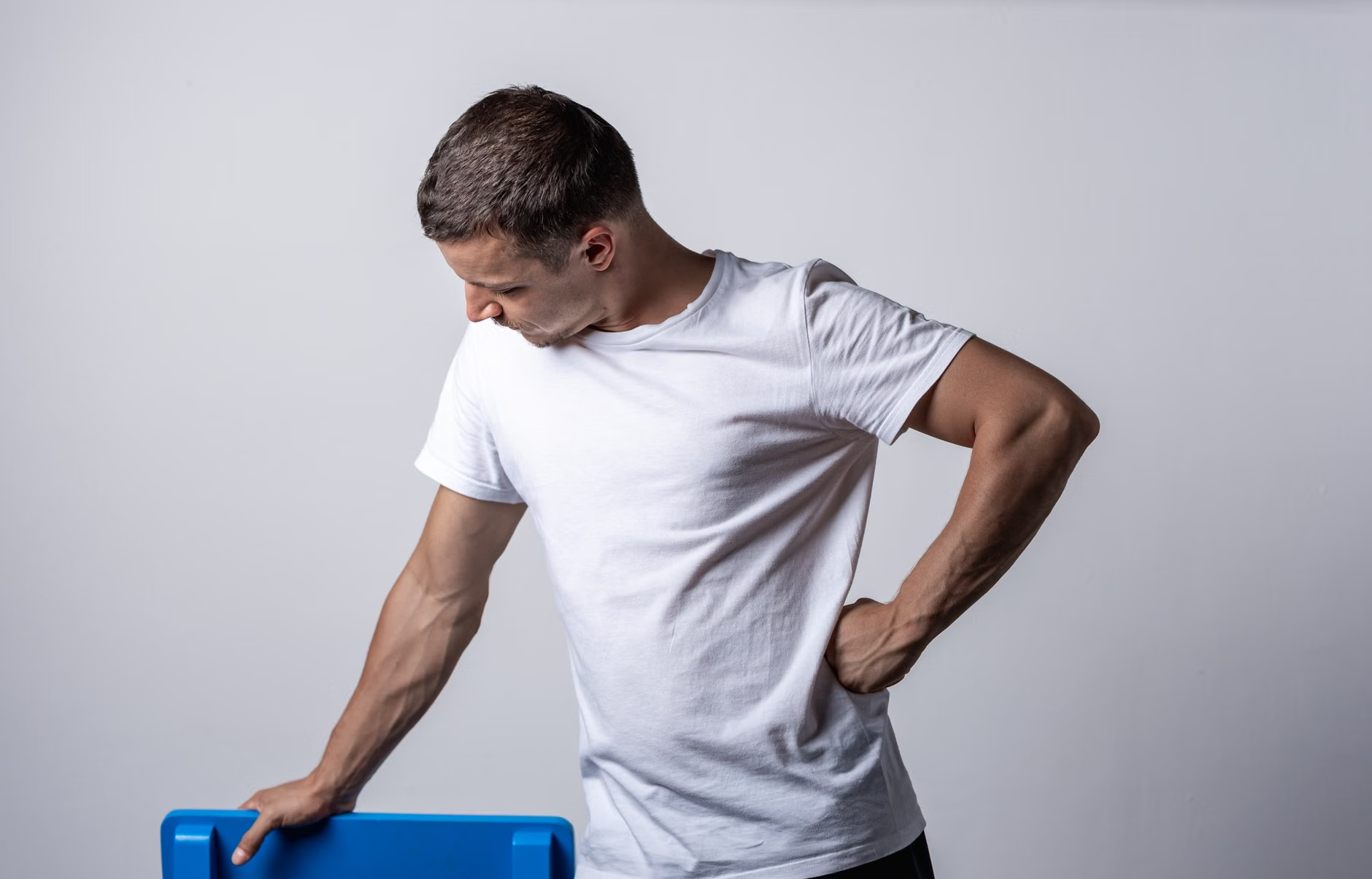
One often overlooked factor in hip mobility is the role of footwear. Shoes with high heels or those lacking arch support can alter your pelvic tilt, which in turn places extra stress on the hip flexors. Even at home, wearing supportive slippers rather than flat, unsupportive socks on slippery floors can help maintain the natural alignment of your lower body.
Another insight: Hydration levels affect the viscosity of the fluid within your joints. Dehydration can make joints feel stiffer. While it is not a “cure,” ensuring adequate hydration is a simple, often ignored physiological support for your daily mobility routine.
Conclusion: The Path to Consistent Mobility
Maintaining hip mobility is a marathon, not a sprint. By integrating these seated movements into your morning routine—perhaps while waiting for the kettle to boil or listening to the morning news—you create a sustainable habit that supports your independence. Focus on the quality of the movement and the consistency of the practice. Small, daily investments in your range of motion pay significant dividends in your ability to move through the world with confidence and ease.
Frequently Asked Questions
1. How long should I hold a stretch before it becomes counterproductive?
For most seniors, holding a gentle, static stretch for 20 to 30 seconds is the “sweet spot.” Holding for longer can sometimes cause the muscle to tighten in a protective reflex. Focus on breathing deeply throughout the hold to keep the nervous system calm.
2. Can these exercises help if I have had a hip replacement?
If you have had surgery, you must follow the specific protocols provided by your surgeon. Some movements, particularly those involving deep flexion or crossing the midline of the body, may be restricted during the recovery phase. Always clear any exercise routine with your post-operative care team.
3. I feel stiff every morning; should I stretch immediately upon waking?
It is often better to move around the house for 5–10 minutes before stretching. Gentle movement helps warm up the synovial fluid in the joints, making the tissues more pliable and less prone to strain. Stretching “cold” muscles is generally less effective and carries a higher risk of minor pulls.