Hello everyone! This is your friendly health partner, Cooldy, here to share some vital health wisdom that could change the way you look at your body’s “silent” signals.
Have you recently received your health checkup results and found a surprising number next to ‘Uric Acid’? Many people see this and immediately think, “Oh no, am I going to get gout?” While the fear of that sudden, sharp pain in your big toe is real, there is a much bigger picture we need to talk about. High uric acid isn’t just about joint pain; it’s a crucial signal from your body’s internal filtration system. Today, we’re going to dive deep into what uric acid really is, why it matters even if you don’t feel pain, and how you can manage it naturally to protect your kidneys and heart.
What Exactly is Uric Acid?
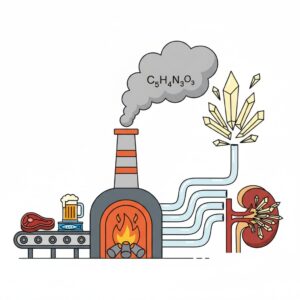
Think of uric acid as the ‘exhaust fumes’ of your body. Just as a car produces smoke after burning fuel, your body produces uric acid when it breaks down substances called ‘purines.’ Purines are found naturally in your body’s cells and in many of the foods we eat.
In a perfectly balanced system, uric acid dissolves in your blood, travels to your kidneys, and exits your body through urine. However, when your body produces too much of it—or your kidneys aren’t filtering it efficiently—it starts to build up. This condition is medically known as ‘Hyperuricemia.’
※ What is Hyperuricemia?
It is a condition where the concentration of uric acid in the blood exceeds normal levels. Generally, this is defined as levels above 7.0 mg/dL for men and 6.0 mg/dL for women.
The Silent Attack: Why It Matters Beyond Gout
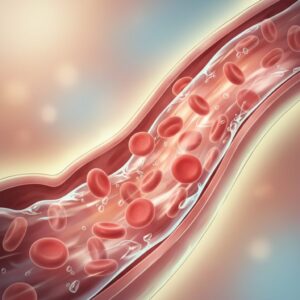
A very common mistake is thinking, “I don’t have any pain, so I must be fine.” Unfortunately, uric acid is a bit of a “silent” troublemaker. When levels are high, uric acid transforms into microscopic, needle-like crystals. Imagine tiny shards of glass circulating in your bloodstream.
The first organ to take a hit is usually your kidneys. As your body’s primary filter, the kidneys are constantly exposed to these crystals. Over time, these “shards” can cause inflammation and scarring in the delicate renal tissues, leading to chronic kidney disease. The scariest part? As kidney function declines, the body becomes even less capable of excreting uric acid, creating a dangerous downward spiral.
Furthermore, high uric acid is closely linked to metabolic syndrome. Research shows that people with elevated levels have a significantly higher risk of hypertension (high blood pressure), diabetes, and cardiovascular diseases. Those tiny crystals can irritate the linings of your blood vessels, making them stiffer and more prone to plaque buildup. Ignoring high uric acid because it “doesn’t hurt” is like ignoring a check-engine light just because the car is still moving.
The Hidden Culprits: It’s Not Just About Red Meat
Most people know they should avoid beer and organ meats if they have high uric acid. But there are several “stealth” triggers in the modern diet that are just as—if not more—dangerous.
1. The Sweet Betrayal: Fructose
In recent years, medical experts have shifted their focus from steak to High Fructose Corn Syrup (HFCS) and added sugars. When your liver processes fructose (the sugar found in soda, processed snacks, and even some high-sugar fruit juices), it uses up a massive amount of cellular energy. A byproduct of this rapid energy consumption is—you guessed it—uric acid. If you’re wondering why your levels are high despite being a vegetarian, your “healthy” fruit juice or sweetened coffee might be the culprit.
2. The “Healthy” Trap: Concentrated Broths
We often think of long-simmered bone broths or hearty stews as the ultimate comfort food. However, purines are water-soluble. When you boil meat or seafood for hours, the purines leach out into the liquid. While the meat itself might be okay in moderation, drinking large bowls of concentrated broth provides a massive, concentrated dose of purines that can spike your levels instantly.
3. Dried Seafood and Concentrated Flavors
Dried anchovies, shrimp, and scallops are staples in many global cuisines for adding ‘umami.’ But the drying process concentrates the purines. Using these in excess for stocks or snacking on them can contribute significantly to your uric acid load.

The Golden Diet: Eating Your Way to Lower Levels
The good news is that your body is remarkably resilient. By making specific choices at the grocery store, you can give your kidneys the support they need to flush out the excess.
1. Water: The Ultimate Cleanser
There is no “superfood” more powerful than plain water. Uric acid is excreted through urine, so the more diluted your urine is, the easier it is for your kidneys to do their job. Aim for about 2 liters of water a day. Don’t chug it all at once; instead, keep a glass nearby and take small sips throughout the day to maintain a steady flow of “cleaning fluid” through your system.
2. Go Green and Alkaline
Uric acid dissolves better in an alkaline environment. Fresh vegetables, especially leafy greens like spinach (in moderation), cucumbers, and cabbage, help balance your body’s pH. These fiber-rich foods also slow down the absorption of other nutrients, preventing the metabolic spikes that lead to uric acid production.
3. The Magic of Cherries and Berries
Cherries are famous in the world of natural health for their ability to fight gout. They contain anthocyanins, powerful antioxidants that help lower uric acid levels and reduce inflammation. Whether they are fresh, frozen, or in the form of unsweetened juice, adding a serving of cherries or blueberries to your daily routine can act like a natural supplement.
4. Low-Fat Dairy: A Surprising Ally
While meat proteins can raise uric acid, proteins found in milk (casein and lactalbumin) actually help the kidneys excrete it. Choosing low-fat or non-fat yogurt and milk provides this benefit without the added burden of saturated fats, which can sometimes hinder uric acid excretion.

Lifestyle Habits for a “Cool” Internal System
Lowering uric acid is about more than just what’s on your plate. It’s about how you treat your body throughout the day.
Quality Sleep and Stress Management
When you sleep, your body goes into “repair mode,” processing toxins and balancing hormones. Lack of sleep puts your body in a state of stress, which can temporarily elevate uric acid levels. Aim for 7-8 hours of quality rest to give your metabolic “factory” a chance to reset.
The Danger of “Crash Diets”
If you discover you have high uric acid, your first instinct might be to lose weight quickly. Be careful! Extreme fasting or ultra-low-calorie diets can backfire. When your body breaks down muscle or fat too rapidly for energy, it releases a flood of purines into the blood. This is why many people experience their first gout attack right after starting a “detox” or a “starvation diet.” Aim for a slow, steady weight loss of no more than 1-2 pounds per week.
Exercise Smartly
Staying active improves your overall metabolism, but the type of exercise matters. Intense, anaerobic workouts that leave you gasping for air produce lactic acid. Lactic acid competes with uric acid for excretion in the kidneys, meaning if your body is busy getting rid of lactic acid, the uric acid stays in your blood. Opt for moderate aerobic exercises like brisk walking, swimming, or cycling, and always hydrate during and after your workout.

When to Seek Professional Help
While lifestyle changes are powerful, they are not a replacement for medical advice. If your uric acid levels are consistently above 9.0 mg/dL, or if you are already experiencing joint pain, it is vital to consult a doctor. Modern medications are very effective at preventing long-term kidney damage and managing inflammation.
Additionally, some medications for blood pressure (like certain diuretics) can actually raise uric acid levels. If you are on medication, discuss your uric acid results with your physician to see if an adjustment is necessary.
Final Thoughts: Be Kind to Your Filters
Managing your uric acid isn’t a “sprint”; it’s a “marathon” for your long-term health. It’s about making small, sustainable choices that honor your body’s complex systems. Remember the “Big Three”: Hydrate well, cut out the liquid sugar, and move your body gently.
Your kidneys work incredibly hard for you every single second of the day. By managing your uric acid, you’re giving them the break they deserve. Start today with a tall glass of water and a handful of cherries!
Stay healthy, stay vibrant, and stay So Cool! If you have any questions or want to share your own tips, feel free to leave a comment below. I’m always here to cheer you on!
Reliable Sources for Further Reading
- Mayo Clinic – High Uric Acid Level (Hyperuricemia)
- National Kidney Foundation – Gout and Kidney Disease
- Arthritis Foundation – Gout Diet: Dos and Don’ts
👉 Related Posts
Stop Just Walking! Boost Muscle and Lower Blood Sugar with the ‘3-Minute Interval Walking’ Method
The 10-Minute Post-Meal Secret: Stop Blood Sugar Spikes and Control Diabetes Risk