Hello there! It’s Cooldy, your go-to guide for all things healthy and vibrant. Have you ever been jolted awake in the middle of the night by a sharp, agonizing cramp in your calf? Or perhaps you’ve noticed that by the time evening rolls around, your shoes feel a bit too tight and your legs feel like lead?
I’ve been there, and I know exactly how frustrating it can be. At first, I thought it was just a sign of getting older or being a bit tired. But after some digging, I realized my body was sending me a vital SOS signal from what experts call the “Second Heart”—my calves!
Today, let’s dive deep into why your calves are so important and how a few simple, everyday habits can supercharge your circulation and make your legs feel light and energized again. Shall we?
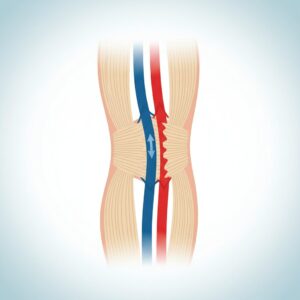
🦵 Why Your Calves Are Your “Second Heart”
We all know the heart pumps blood throughout the body. But here’s the tricky part: thanks to gravity, getting that blood all the way back up from your toes to your heart is a massive task. This is where your calf muscles step in.
When you walk or move, your calf muscles contract and relax, squeezing the veins and pushing the blood upward—just like a pump. This is why medical professionals often refer to the calves as the “peripheral heart.”
What are Valves? : Inside your veins, there are tiny “one-way doors” called valves. They ensure blood flows up and doesn’t leak back down. When calf muscles are weak, these doors can get “leaky,” leading to blood pooling, swelling, or even varicose veins.
If your “second heart” isn’t pumping effectively, you might feel sluggish, experience high blood pressure, or deal with chronic leg pain. Keeping these muscles active is one of the best favors you can do for your entire cardiovascular system!
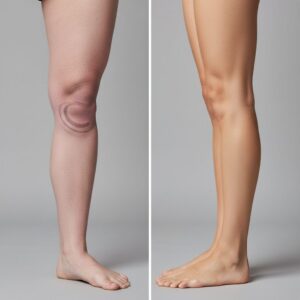
🔍 Is Your Second Heart Healthy? A Quick Check-up
Before we jump into the “how-to,” let’s see how your legs are doing. If you check off three or more of these, it’s time to give your calves some extra love:
- You frequently get “charley horses” (muscle cramps) at night.
- Your socks leave deep indentations on your ankles that don’t disappear quickly.
- Your feet often feel unusually cold or tingly.
- Your legs feel heavy and tired after even a short walk.
- You can see small spider veins or bulging veins on your lower legs.
Don’t worry if you checked several—I used to be in the same boat! The good news is that the “second heart” is incredibly resilient and responds quickly to a bit of care.
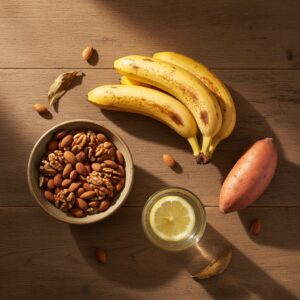
🥑 The “Calf-Friendly” Diet: Eat Your Way to Better Flow
Strong muscles and smooth circulation start in the kitchen. If you suffer from frequent cramps, your body might be crying out for electrolytes.
Electrolytes Explained: These are essential minerals (like potassium, magnesium, and calcium) that help your muscles contract and relax properly. Without them, your muscles might “misfire,” causing those painful cramps.
1. Bananas and Sweet Potatoes (The Potassium Kings)
Potassium helps flush out excess sodium, which reduces water retention and swelling. If you had a salty dinner, grab a banana!
2. Almonds and Pumpkin Seeds (Magnesium Powerhouse)
Magnesium is a natural muscle relaxant. A small handful of nuts a day can help keep those midnight cramps at bay.
3. Seaweed and Leafy Greens
These are packed with minerals that help “clean” your blood and improve vascular health.
4. Stay Hydrated (With Warm Water)
Thick, dehydrated blood is much harder to pump. Try to sip warm water throughout the day. It keeps your blood flowing smoothly and is much gentler on your system than ice-cold drinks.
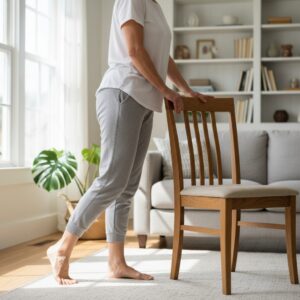
🧘 The 5-Minute “Muscle Savings” Routine
You don’t need a gym membership to strengthen your second heart. You can do these while watching the evening news or waiting for your tea to brew!
1. The “Heel Raise” (Calf Raises)
This is the gold standard for calf health. Stand tall, hold onto a chair or wall for balance, and slowly rise onto your tiptoes.
- Pro Tip: Lower your heels slowly and try not to let them touch the floor completely between reps. Do 3 sets of 20. Feel that “pump” working!
2. “Toe Tapping” (Seated or Lying Down)
While sitting, keep your heels on the floor and tap your toes upward rapidly. Or, while lying in bed, tap the tips of your big toes together.
- Why it works: It stimulates the smaller muscles and keeps the blood moving in your feet and lower legs, perfect for warming up cold feet before sleep.
3. The Wall Stretch
Step one foot back, keep the heel on the floor, and lean forward into the wall. You’ll feel a satisfying pull in your calf. Flexible muscles allow for a wider “pathway” for your blood to travel.
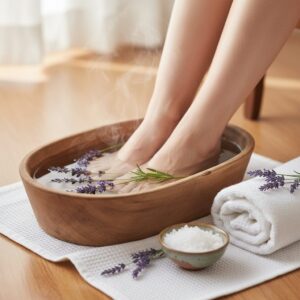
🛀 Lifestyle Hacks: Give Your Legs a Vacation
Beyond exercise, your calves need proper recovery. Here are my favorite ways to pamper my “second heart”:
- Warm Foot Baths (Soaking): 15 minutes in warm water (around 100°F or 38-40°C) works wonders. It dilates your blood vessels and helps flush out toxins built up during the day.
- Elevate Your Legs: When resting, place a couple of pillows under your ankles. Let gravity do the work for a change and help the blood return to your heart.
- Compression Socks: If you travel or sit for long periods, high-quality compression socks act like an external pump, gently squeezing your legs to prevent swelling.

I hope you found this guide to your “Second Heart” helpful! It’s amazing how much better we can feel when we pay just a little attention to our calves.
Remember, your body is a reflection of your daily habits. Start tonight with 100 toe taps in bed and a few heel raises tomorrow morning. You’ll be surprised at how much lighter and more energetic your steps become in just a few days.
Stay healthy, stay curious, and keep those “second hearts” pumping! If you have any questions or your own tips for leg health, please leave a comment—I’d love to hear from you.
Reliable Sources for Further Reading
- Mayo Clinic (Varicose Veins and Circulation): https://www.mayoclinic.org
- WebMD (Muscle Cramps and Electrolytes): https://www.webmd.com
- American Heart Association (Understanding Venous Health): https://www.heart.org
👉 Related Posts
🚨Warning Sign: Angina Symptoms, Self-Diagnosis, and 5 Essential Habits for a Healthier Heart
Stop Just Walking! Boost Muscle and Lower Blood Sugar with the ‘3-Minute Interval Walking’ Metho
The 10-Minute Post-Meal Secret: Stop Blood Sugar Spikes and Control Diabetes Risk