- Noise-canceling technology reduces travel fatigue: By filtering out low-frequency engine drones, these devices help maintain energy levels and reduce the stress of long-haul transit.
- Hearing protection is a priority: Active noise cancellation (ANC) allows you to listen to audio at lower, safer volumes, preventing the need to “crank up” the sound to compete with ambient noise.
- Choosing the right fit: Comfort is as important as technology; over-ear models provide better passive isolation and comfort for long periods, while in-ear models are more portable for short trips.
Travel is an enriching experience, but the physical reality of transit—the constant hum of aircraft engines, the rhythmic clatter of train tracks, and the bustling noise of terminals—can be surprisingly draining. For adults aged 60 to 80, managing this sensory input is not just about comfort; it is a vital strategy for maintaining stamina, reducing travel-related stress, and protecting long-term hearing health. Noise-canceling technology has evolved from a niche aviation tool into a practical, accessible aid for the modern senior traveler.
Understanding How Noise-Canceling Technology Functions
To make an informed decision, it is essential to understand the difference between passive isolation and active noise cancellation (ANC). Many travelers confuse the two, yet they serve different purposes in your travel toolkit.
Passive Noise Isolation
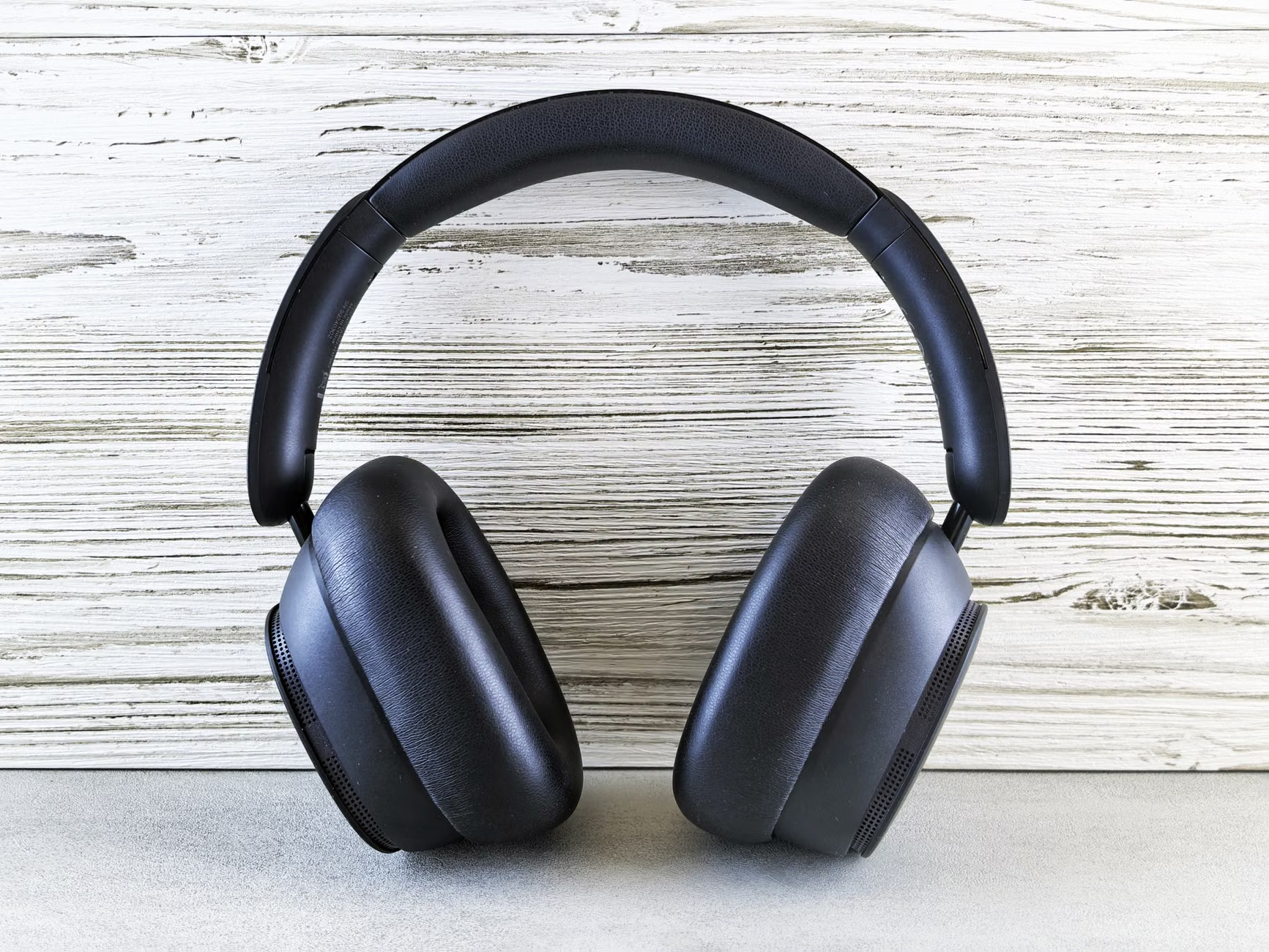
Passive isolation refers to the physical design of the device. Think of it as a physical barrier. Over-ear headphones with thick, memory-foam ear cushions “seal” the ear canal or cover the entire ear, physically blocking high-frequency sounds like chatter, announcements, or sharp clicks. This is effective but does not stop low-frequency rumble, such as the vibration of a jet engine.
Active Noise Cancellation (ANC)
ANC is a sophisticated electronic feature. Microphones on the exterior of the device “listen” to the environment. An internal processor then creates an “anti-noise” sound wave—essentially an inverted version of the noise—that cancels out the sound before it reaches your ears. This technology is particularly effective against the low-frequency drone of trains, buses, and airplanes, which is often the primary culprit behind travel fatigue.
The Impact of Ambient Noise on Senior Travel
Why should you invest in this technology? It goes beyond simply having a quieter flight. Continuous exposure to high-decibel background noise forces the brain to work harder to process information and maintain focus. This is known as cognitive load. By reducing this load, you can arrive at your destination with more energy, less irritability, and a clearer head.
Preserving Hearing Health
A common mistake many travelers make is turning up the volume on their music or podcasts to drown out the roar of a plane. When the background noise is 80 decibels (a typical cabin level), you might push your audio to 90 or 95 decibels to hear it clearly. This puts you well into the range of potential hearing damage. With ANC, you can listen to your content at a comfortable, low volume, effectively protecting your ears while enjoying high-quality sound.
Reducing Physical and Mental Fatigue
Low-frequency noise triggers the body’s stress response. Even if you aren’t consciously aware of it, your nervous system remains in a state of high alert. By smoothing out the acoustic environment, ANC technology helps your body stay relaxed. For travelers with existing health conditions, this reduction in stress can be a significant factor in preventing travel-related spikes in blood pressure or general exhaustion.
Evaluating Your Options: Over-Ear vs. In-Ear
Selecting the right hardware depends on your specific needs, mobility, and travel style. Use this comparison to guide your decision:
| Feature | Over-Ear Headphones | In-Ear (Earbuds) |
|---|---|---|
| Comfort | Excellent for long-haul; no pressure inside the ear. | Variable; depends on fit of silicone tips. |
| Noise Reduction | Superior due to physical and active combination. | Strong, but relies on a perfect seal in the ear canal. |
| Portability | Bulky; requires space in carry-on. | Compact; fits in a pocket or small case. |
| Battery Life | Generally longer (often 30+ hours). | Shorter; requires frequent recharging via case. |
Decision Criteria: If you are planning a long-haul flight (over 4 hours), over-ear headphones are almost always the better choice. They provide a more natural, comfortable experience for extended wear. If you are taking short train trips or city bus tours where portability is vital, high-quality, noise-canceling earbuds are likely sufficient.

Practical Steps for Seamless Integration
Technology is only useful if it is easy to use. Follow these steps to ensure you get the most out of your purchase without unnecessary frustration.
1. Testing the Fit
Before leaving for your trip, wear your device for at least two hours at home. Does the headband feel too tight? Do the ear tips cause irritation? If you have glasses, ensure the ear cups do not press the frames into your temples, which can cause significant discomfort over time. If you find pressure, look for models with “soft-touch” memory foam and adjustable headbands.
2. Mastering the Controls
Most modern devices use touch-sensitive surfaces or small buttons. Practice these at home:
- How to turn the ANC on and off.
- How to adjust volume.
- How to enable “Transparency Mode,” which allows you to hear announcements or conversations without taking the device off.
Do not wait until you are boarding a plane to figure out these controls. Keep a small “cheat sheet” in your travel folder if you are worried about forgetting them.
3. Managing Battery Life
Bluetooth devices require power. Always carry a portable power bank. A standard USB-C cable will charge most modern headphones. Never assume that the airline or train will have working power outlets at your seat.
Safety Considerations: Staying Aware of Your Surroundings
While silence is golden, there are times when you must remain alert. Noise-canceling technology is so effective that you might not hear boarding calls, emergency announcements, or someone speaking directly to you.
The “Transparency” Rule: Always enable “Transparency Mode” or “Ambient Mode” when walking through busy terminals, navigating platforms, or waiting at gates. This feature uses the external microphones to pipe in ambient sound, allowing you to hear gate changes, gate-agent instructions, and potential hazards like approaching carts or luggage.
Visual Cues: Do not rely solely on your ears. Keep your boarding pass visible or have your mobile app open. If you are wearing headphones, periodically look up at the information screens. It is easy to get lost in a podcast or audiobook; set a reminder on your phone to check the gate status every 30 minutes.
Addressing Common Misconceptions
There are many myths regarding noise-canceling technology that can cause unnecessary hesitation among older travelers.
“It will cause me to feel dizzy or disoriented.”
Some people experience a sensation similar to pressure changes in the ears when they first turn on ANC. This is known as “eardrum suck.” It is a harmless phenomenon caused by the brain adjusting to the sudden absence of background noise. For most, this feeling dissipates after a few minutes of use. If you are sensitive, look for brands that offer “adjustable noise cancellation” levels, allowing you to start with lower, less intense settings.
“It is too complicated to pair with my phone.”
Modern Bluetooth technology has become significantly more user-friendly. Most major brands now feature “one-touch” pairing. If you are concerned, ask a family member to help you pair the device before you leave. Once paired, the device will typically remember your phone or tablet automatically for future trips.
Preparing for Your Journey: A Checklist for Seniors
To ensure a smooth experience, prepare your technology as you would your documents.
- Check compatibility: Ensure your headphones use the same charging port as your phone (USB-C is the current standard).
- Update firmware: Connect your device to your home Wi-Fi and the manufacturer’s app to ensure the software is up to date before leaving.
- Carry a backup: If you are embarking on an international trip, consider bringing a inexpensive pair of wired earbuds as a backup in case of battery failure.
- Keep it clean: Carry a small pack of alcohol-free wipes to clean the ear cushions or tips, especially after long periods of travel.
Maintenance and Long-Term Use
Noise-canceling devices are an investment. To ensure they last, avoid storing them in extreme heat (like a car dashboard) or extreme cold. When not in use, always store them in their provided hard-shell case to protect the delicate internal microphones. If the ear cushions begin to flake or lose their seal, most manufacturers offer replacement cushions. Replacing these every 18–24 months can restore the noise-canceling performance to “like-new” levels, preventing the need to buy a completely new unit.
When to Consult a Professional
If you wear hearing aids, you may wonder if you can use noise-canceling headphones over them. Do not attempt to wear over-ear headphones over behind-the-ear (BTE) hearing aids, as this can cause feedback (whistling) and physical discomfort. If you use hearing aids, look for specialized options:
- Some high-end hearing aids now come with integrated Bluetooth streaming and noise-reduction features that can replace the need for separate headphones.
- Consult your audiologist about “noise-blocking” accessories that are compatible with your specific hearing aid model.
If you notice that you are struggling to hear in quiet environments despite using these tools, or if you experience persistent ringing (tinnitus) after travel, it is advisable to consult with an audiologist to ensure your hearing health is being managed correctly.
Conclusion
Noise-canceling technology is a practical, effective tool for any senior traveler looking to enhance their comfort and protect their hearing. By choosing the right fit for your needs and mastering the simple controls, you can turn a noisy, stressful transit environment into a personal space of calm. Focus on the benefits of reduced fatigue and safer listening levels, and you will find that these devices quickly become an essential part of your travel routine.
Frequently Asked Questions (FAQ)
1. Can I use noise-canceling headphones for the entire duration of a long flight?
Yes, but it is recommended to take a break every 90 minutes. Removing them for a few minutes allows your ears to “breathe” and helps you remain aware of your surroundings, such as the flight crew walking down the aisle for cabin service.
2. Does noise-canceling technology block out human voices?
Active noise cancellation is best at blocking low-frequency, consistent sounds like engines. It is less effective at blocking high-frequency, intermittent sounds like human speech. You will still hear muffled voices, which is actually a safety benefit as it allows you to remain aware of your immediate environment.
3. Do I need to buy the most expensive model to get good noise cancellation?
Not necessarily. While premium models offer the best noise cancellation and battery life, many mid-range options provide excellent value. Look for reviews that specifically mention “ANC performance” and “comfort for glasses wearers” rather than just focusing on sound quality for music.
Official guidance on travel health and noise exposure can be found through organizations like the World Health Organization (WHO) regarding safe listening practices.