- Verify Terrain and Infrastructure: Always check the garden’s official website for “accessibility maps” that highlight gravel vs. paved paths, gradients, and the location of benches.
- Manage Stamina through Pacing: Do not attempt to cover an entire botanical garden in one session; prioritize the “must-see” sections and plan for 15-minute rest intervals every hour.
- Strategic Logistics: Choose gardens that offer rental mobility aids (wheelchairs or electric scooters) and confirm their availability via phone 48 hours before your visit.
For many travelers, a visit to a botanical garden or a historic estate garden is the pinnacle of a relaxing getaway. However, for adults aged 60 to 80, the difference between a rejuvenating experience and an exhausting ordeal often lies in the quality of the planning. Gardens are living, breathing landscapes, and their terrain can be as challenging as a mountain trail if not properly vetted for accessibility.
This guide provides a systematic approach to selecting and navigating garden tours, ensuring your leisure time remains truly leisurely.
Evaluating Garden Accessibility: Beyond the “Wheelchair Accessible” Label
The term “accessible” is often used broadly in travel marketing. In the context of a garden, it may simply mean the entrance is flat, while the interior paths could be steep, narrow, or covered in loose mulch. To make an informed decision, you must look for specific indicators of mobility support.
The Three Tiers of Path Infrastructure
Understanding the ground you will be walking on is the most important factor in preventing fatigue and ensuring safety. We categorize paths into three functional tiers:
| Path Type | Surface Characteristics | Suitability for Seniors |
|---|---|---|
| Tier 1: Primary Paved | Concrete, asphalt, or tightly laid pavers. | Highly recommended; safest for walkers and wheelchairs. |
| Tier 2: Compacted Gravel | Firm, small stones embedded in earth. | Acceptable for steady walkers; can be difficult for some wheelchairs. |
| Tier 3: Natural/Loose | Mulch, sand, or uneven grass. | Avoid; high risk of tripping and significant energy expenditure. |
When reviewing a garden’s website, look for the “Accessibility” or “Visitor Information” page. If they only state “The garden is partially accessible,” call them and ask specifically: “Are the pathways in the main rose garden paved or loose gravel?” Do not settle for vague assurances.

Strategic Planning: Pacing and Stamina Management
The biggest mistake travelers make is underestimating the sheer size of botanical gardens. Many of these sites cover dozens of acres. Even if a path is flat, walking a mile in the sun can lead to early-onset fatigue, which in turn increases the risk of balance-related incidents.
The 60-Minute Rule
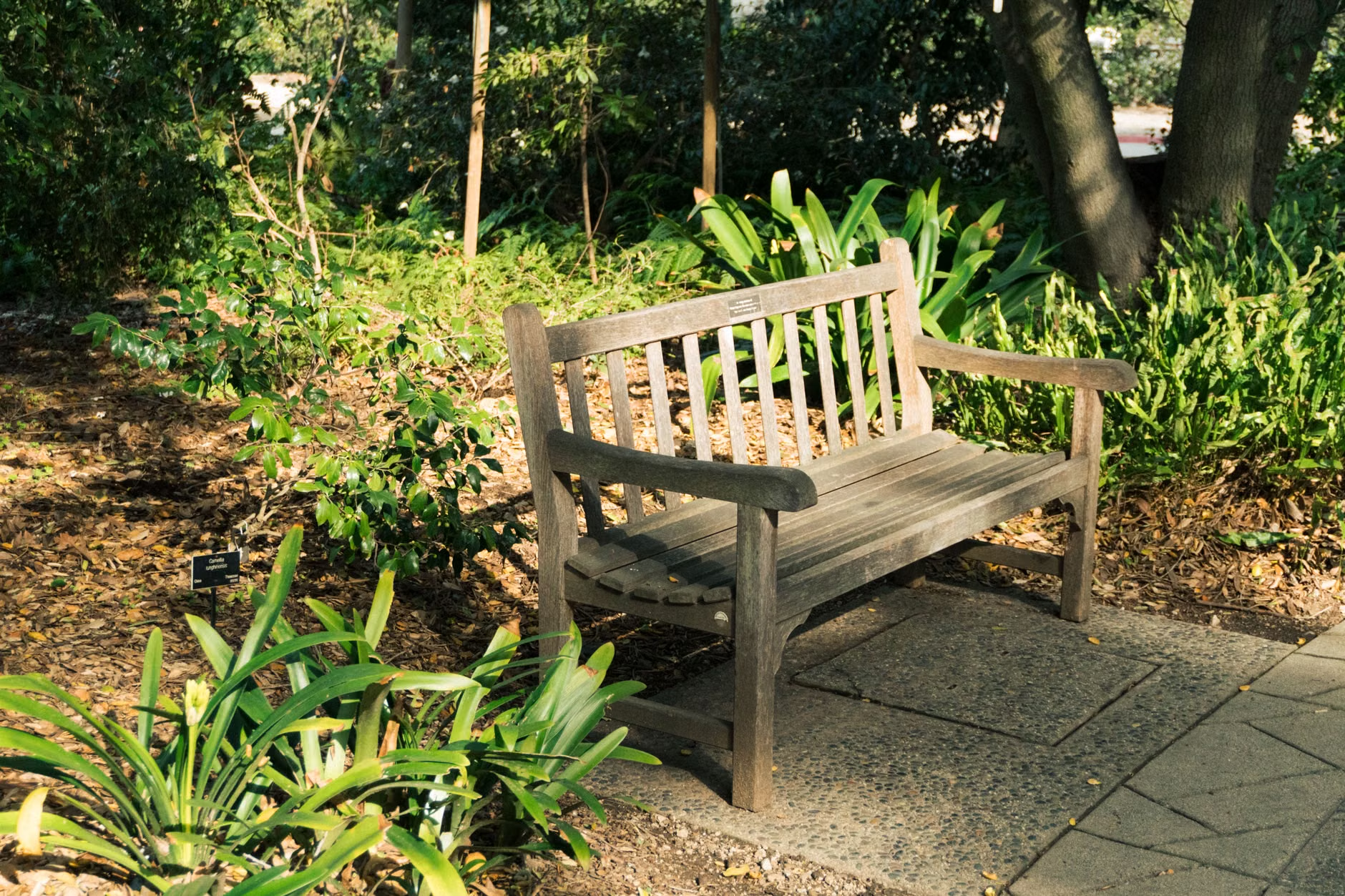
Adopt the “60-minute rule”: Plan to be on your feet for no more than one hour before taking a 15-minute seated break. Modern gardens are increasingly aware of this need, but older, historic gardens may lack sufficient seating. If you are visiting a historic site, assume that benches will be scarce and consider carrying a lightweight, portable folding stool if your mobility allows.
Utilizing On-Site Mobility Services
Many world-class gardens, such as the Royal Botanic Gardens (Kew) in the UK or the New York Botanical Garden in the US, offer shuttle services or mobility aid rentals. These are not signs of “frailty”; they are tools for energy conservation. Using a golf cart shuttle to reach the furthest corner of a garden allows you to spend your physical energy on walking the most beautiful, curated sections rather than traversing the parking lot or the entrance meadows.
Logistical Considerations: Toilets, Transport, and Tunnels
Accessibility is not just about the ground beneath your feet; it is about the facilities that allow you to stay on-site for longer durations. When researching a location, check the following checklist:
- Restroom Proximity: Are there accessible restrooms located in the middle of the garden, or only at the entrance?
- Gradient and Slope: Ask about the “incline percentage.” A path might be paved, but if it has a 10% slope, it will be physically taxing for many seniors.
- Shade Availability: Does the route offer consistent shade? Exposure to direct sun can lead to dehydration and heat exhaustion, particularly in adults aged 70+.
- Public Transport Links: Can a taxi or shuttle drop you off directly at the gate, or is there a long walk from the parking lot?

Advanced Selection Criteria: What to Look for in Reviews
When reading reviews on platforms like TripAdvisor or Google Maps, filter for comments from fellow seniors or those with mobility concerns. Look for recurring complaints regarding “too much walking” or “lack of signage.” Conversely, look for positive mentions of “frequent seating” or “easy-to-navigate shuttle systems.”
The “Hidden Variable”: Seasonal Maintenance
A garden that is accessible in the spring may be treacherous in the autumn due to fallen leaves, which can become slippery when wet. If you are planning a trip during the shoulder seasons, be aware that paths may require extra caution. Always check the garden’s social media pages in the days leading up to your trip to see if there are any ongoing construction projects that might block primary accessible routes.
The Importance of Professional Care and Support
If you are traveling with a partner who has specific mobility needs, it is important to communicate with the garden’s visitor services team a few days in advance. Many institutions have “Access Officers” whose sole job is to help visitors with specific needs plan their route. They can provide insider information, such as which gate is closest to the most level paths or when the garden is least crowded, which reduces the stress of navigating around large groups of tourists.
Deep Dive: Understanding Environmental Factors
Beyond the physical path, the environment plays a massive role in your comfort. Humidity, temperature, and altitude are critical factors for seniors. For example, a garden tour in a high-altitude city like Denver or Mexico City will feel significantly more strenuous than one at sea level. If you are traveling to a new climate, ensure you are acclimatized before attempting a long walking tour.
Hydration is another often-overlooked factor. Many seniors experience a reduced sensation of thirst as they age. Even if you don’t feel thirsty, carry a water bottle and sip regularly. If a garden is large, check if there are water refill stations along the path. If not, plan your water intake around your rest intervals.
Practical Decision-Making Framework
When choosing between two gardens, use this decision matrix to determine which is better for your current health and energy levels:
- Rank the priority: Is the goal to see the most famous flowers (often in large, sprawling gardens) or to have a peaceful, low-stress walk?
- Check the “Accessibility Map”: Most major gardens now provide a downloadable PDF map that marks steep inclines and accessible paths. If they don’t have one, this is a red flag.
- Assess the “Escape Route”: A good garden for a senior has multiple exits or a shuttle loop. If the garden is a “one-way” linear path, you are forced to complete the entire loop to get back to the start. Avoid these if your energy is variable.
- Verify the Amenities: Does the site have a café or a seating area near the halfway point? A mid-way café is a golden asset for a senior traveler.
The Role of Technology in Your Visit
Modern technology can significantly enhance your experience. Many botanical gardens now offer digital apps that provide audio tours. This is a game-changer for seniors who may have difficulty reading small signage or standing still to look at plaques. By using your own headphones and listening to the history of the plants while you sit on a bench, you can absorb the information without the physical strain of walking from plaque to plaque.
Additionally, check if the garden offers a “Virtual Tour” on their website. This allows you to preview the paths and the general layout before you arrive, so you can mentally prepare for any inclines or transitions in terrain.
Safety and Emergency Preparedness
While we want to focus on the enjoyment of nature, safety must remain a priority. Before entering a large garden, identify where the first-aid station is located. In the event of a medical emergency, you need to know if the garden’s security team is trained in first aid and how they handle transport from the interior of the park to the parking area.
If you have a chronic condition, ensure you have your medication with you in a small, easily accessible bag. Do not leave your medication in a car or a locker far from your person. Furthermore, if you are traveling solo, ensure a family member knows your approximate route and when you expect to return to your accommodation.
Conclusion: The Art of Slow Travel
The essence of a successful garden tour for a senior is not the number of plants you see, but the quality of the experience. By prioritizing paved, level terrain, planning for regular rest, and utilizing the accessibility services that modern gardens provide, you can enjoy the beauty of nature without compromising your physical wellbeing. Remember that the best travel memories are those where you felt comfortable, in control, and relaxed. Take your time, enjoy the fresh air, and let the garden come to you at your own pace.
Frequently Asked Questions
Q1: Should I bring my own walker or wheelchair, or rent one on-site?
If you use a mobility aid daily, it is generally better to bring your own. You are already familiar with its operation, comfort, and fit. However, if you are traveling by air, check if the garden has “all-terrain” wheelchairs available for rent, as these can handle gravel paths much better than standard indoor models.
Q2: Is it worth visiting a garden during the peak tourist season?
Peak season often brings crowds, which can make navigating paths more stressful and increase the risk of collisions. If possible, visit on a weekday morning when the gates first open. This provides the most level of control over your pace and allows for easy access to seating areas before they are occupied by large groups.
Q3: How do I know if the “accessible” route is actually scenic?
Sometimes, the “accessible” route is a back road that misses the main displays. When you arrive, ask the staff at the entrance: “Is the accessible path the main route, or is it a detour?” If it is a detour, ask if there are specific sections of the main path that are level enough for you to navigate safely. Most staff will be happy to provide a realistic assessment of the terrain.
Official resources for planning:
- Botanic Gardens Conservation International (BGCI): A global directory of gardens to help you find locations and check their specific accessibility policies.
- National Park Service Accessibility (USA): Excellent guidance on what “accessible” means in a natural landscape, applicable to many international standards.
Disclaimer: This article provides general information for travel planning and does not constitute medical advice. Please consult with your healthcare provider if you have concerns about your physical stamina or mobility requirements for travel.