- Consistent, low-impact walking provides the mechanical loading necessary to stimulate bone remodeling and maintain density in adults aged 60–80.
- Safety is paramount; focus on footwear, surface consistency, and gradual progression to prevent falls, which pose a greater immediate risk than sedentary behavior.
- Walking serves as a foundational habit that, when combined with adequate nutrition and balance training, forms a comprehensive strategy for long-term skeletal health.
For adults aged 60 to 80, maintaining bone density is not just about avoiding fractures; it is about preserving the physical autonomy required for daily independence. While high-intensity weightlifting is often discussed in medical literature, the most accessible and sustainable intervention for the vast majority of older adults is consistent, purposeful walking. This article explores the physiological relationship between mechanical loading and bone health, providing a practical framework for integrating walking into your lifestyle safely and effectively.
The Physiology of Bone Loading: Why Movement Matters
Bones are not static structures; they are dynamic, living tissues that constantly undergo a process called remodeling. Throughout our lives, old bone is broken down by cells called osteoclasts, and new bone is deposited by cells called osteoblasts. In younger years, this process is balanced or skewed toward growth. As we reach the age of 60 and beyond, this balance can shift, leading to a gradual loss of bone mineral density (BMD).
The “mechanostat theory,” a cornerstone of orthopedic science, posits that bones adapt their structure to the mechanical loads placed upon them. When you walk, your muscles pull on your bones, and your bones experience the impact of your weight hitting the ground. This mechanical stress serves as a signal to your body that the bone needs to remain strong to support your movement. Without this regular loading, the body perceives that it does not need as much bone density, and the rate of resorption (breakdown) may outpace formation.
It is important to understand that walking is a “weight-bearing” exercise. Unlike swimming or cycling, which are excellent for cardiovascular health but do not provide the same degree of skeletal loading, walking forces your bones to support your body weight against gravity. For the 60-80 demographic, this provides a low-risk, high-reward mechanism for signaling the body to maintain its structural integrity.
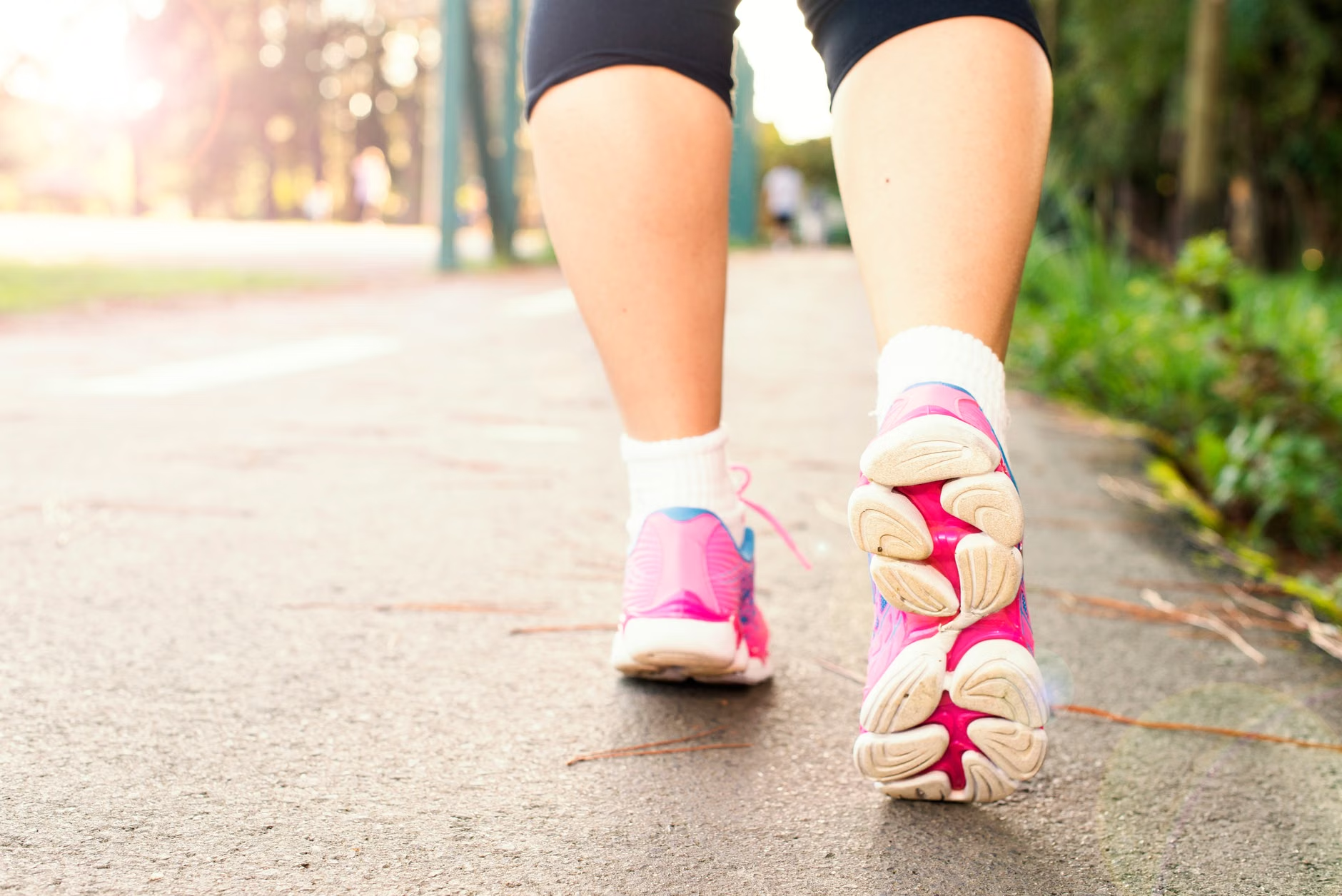
Establishing a Sustainable Walking Routine: A Step-by-Step Approach
The transition from an occasional walker to a consistent one requires a structured approach that prioritizes longevity over intensity. “Doing too much too soon” is the most common cause of injury in older adults starting a new exercise regimen.
1. Assessing Your Baseline
Before beginning, observe your current activity levels. If you are currently sedentary, your goal should not be to hit 10,000 steps immediately. Instead, track your average daily steps over one week using a smartphone app or a simple pedometer. Your initial goal should be to increase this by 10% each week. This gradual approach allows your ligaments, tendons, and bones to adapt to the new mechanical stress without triggering inflammation or fatigue.
2. The Importance of Surface and Gait
Not all walking paths are equal. Concrete sidewalks, while convenient, are unforgiving on the joints. Whenever possible, seek out:
- Flat, groomed trails: Packed dirt or rubberized tracks offer shock absorption.
- Well-maintained parks: These environments often provide benches, allowing for frequent rest breaks.
- Indoor tracks: During extreme weather or high-humidity days, indoor community centers offer a climate-controlled, even surface that minimizes the risk of slipping or tripping.
3. Monitoring Intensity
For bone health, the intensity of your walk matters less than the consistency. However, you should aim for a “brisk” pace—defined as a pace where you can still carry on a conversation but would find it difficult to sing. This intensity level ensures that your heart rate is elevated and your muscles are engaging sufficiently to provide the necessary pull on your bones.
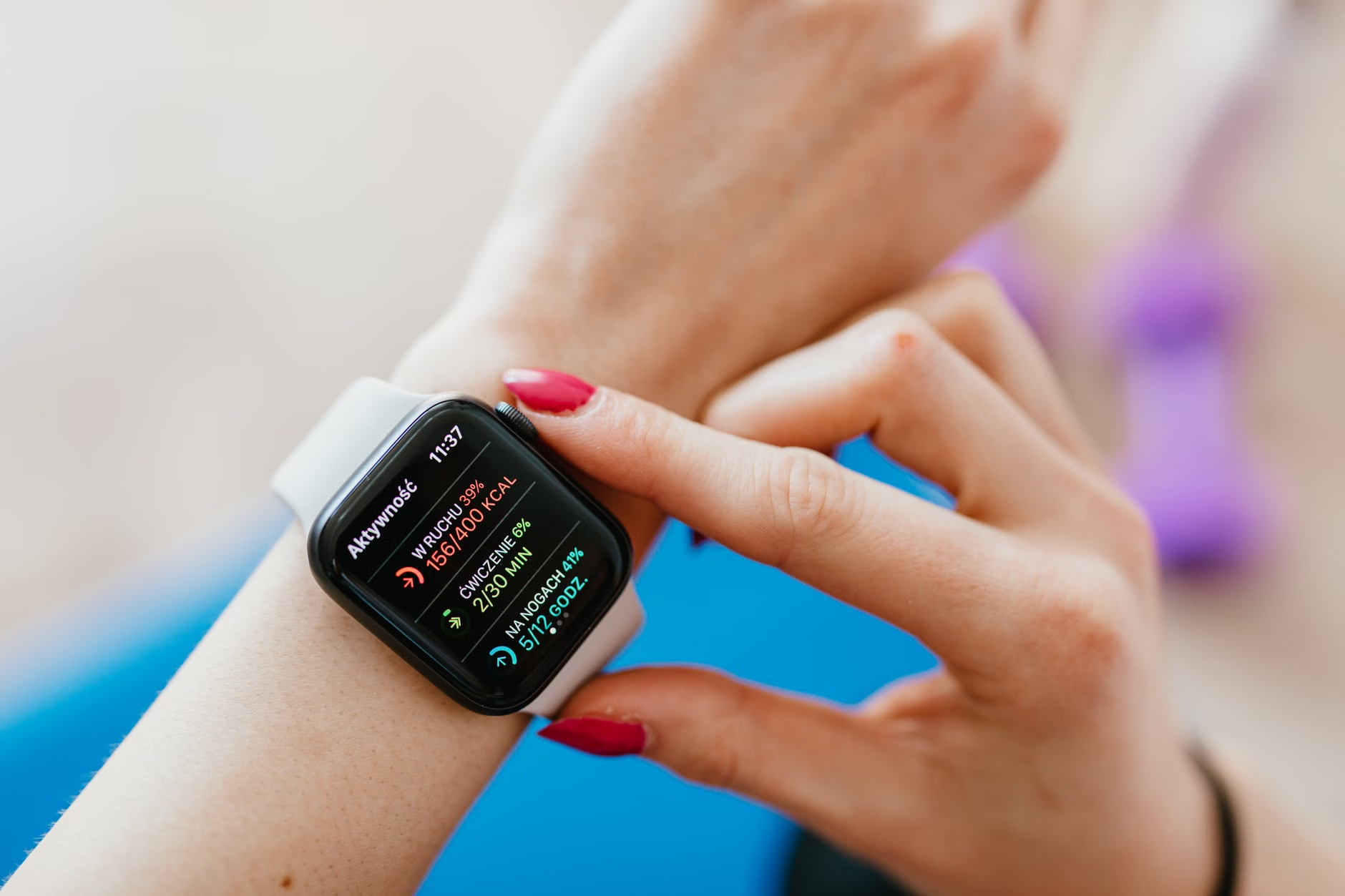
Safety and Risk Mitigation for the 60-80 Demographic
While walking is beneficial, the risk of falling is a significant concern for adults over 60. A fall can lead to fractures, which are exactly what we are trying to prevent. Therefore, your walking strategy must be paired with fall-prevention habits.
| Risk Factor | Mitigation Strategy |
|---|---|
| Footwear | Use shoes with a wide toe box, non-slip soles, and adequate arch support. Replace shoes every 400-500 miles. |
| Environmental | Avoid walking during dawn or dusk when visibility is low. Check for uneven pavement or loose gravel. |
| Balance | Incorporate 5 minutes of static balance exercises (such as standing on one leg near a sturdy chair) before your walk. |
| Hydration | Dehydration can lead to dizziness. Always carry a small water bottle, especially in warmer climates. |
If you experience pain in your joints—specifically the hips, knees, or ankles—that persists for more than 48 hours after a walk, this is a signal to adjust your volume or surface. It is not “no pain, no gain” for older adults; it is “consistency through comfort.” If you have been diagnosed with osteopenia or osteoporosis, consult with a physical therapist to ensure your gait pattern is not placing unnecessary stress on vulnerable areas of the spine or hips.
Beyond Walking: The Holistic Bone Health Framework
Walking is a powerful tool, but it is one piece of a larger puzzle. To maximize the benefits for your skeletal system, you must consider the environmental and nutritional factors that support bone density.
Nutritional Synergies
Mechanical loading through walking is ineffective if the body lacks the raw materials to build bone. The two critical components are Calcium and Vitamin D.
- Calcium: The structural building block. Aim to source this from diverse foods like leafy greens, dairy, or fortified plant-based milks.
- Vitamin D: The “key” that allows your body to absorb calcium. Since natural production in the skin decreases with age, and many older adults spend less time in direct sunlight, discuss Vitamin D supplementation with your primary care provider. A simple blood test can determine if your levels are sufficient.
The Role of Resistance Training
While walking provides lower-body loading, it does little for the upper body. To ensure comprehensive bone density maintenance, consider adding two sessions of light resistance training per week. This can be as simple as using light resistance bands or body-weight exercises like wall push-ups. These movements stimulate the bones in the arms and shoulders, areas that are also prone to density loss.
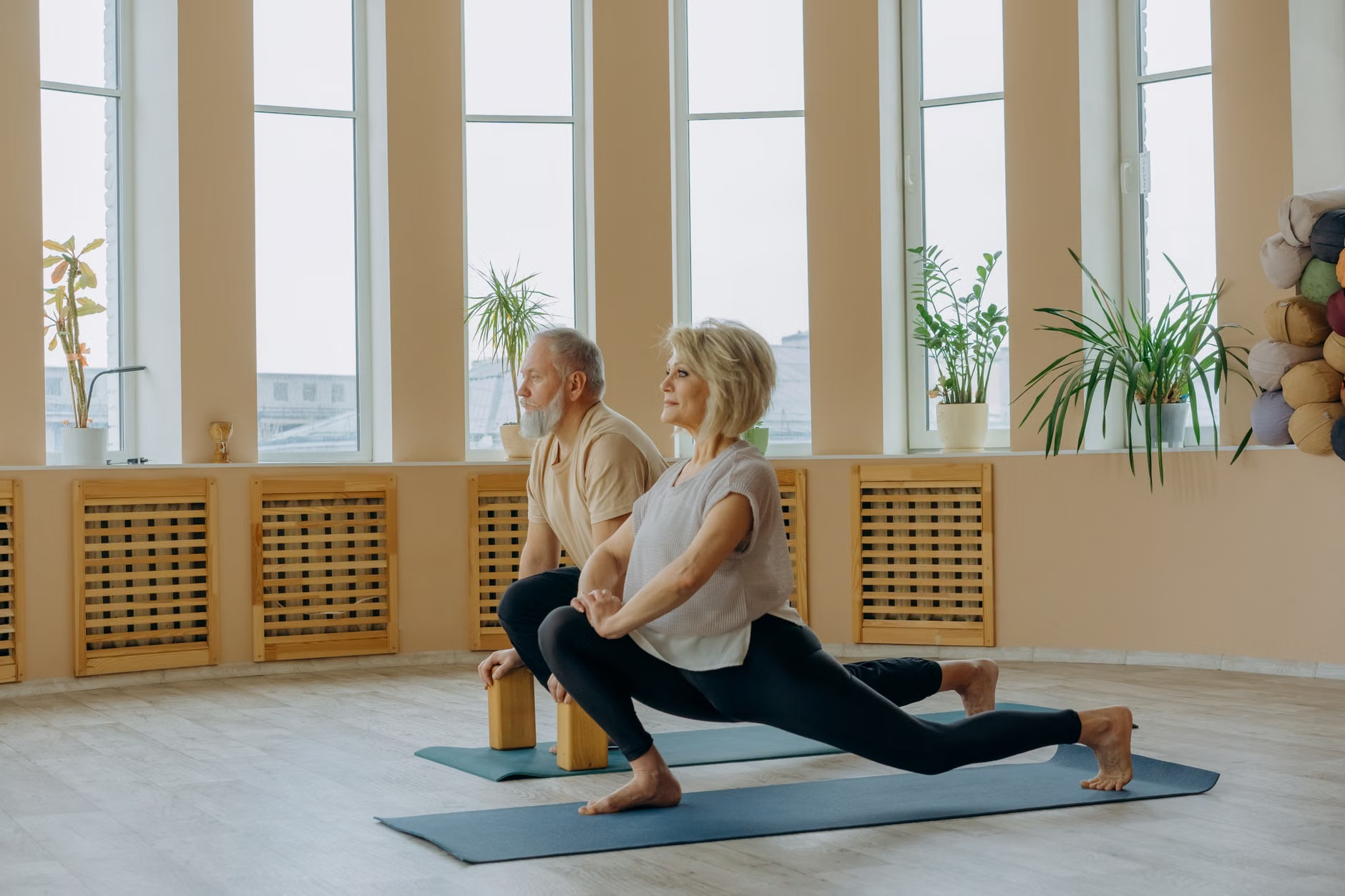
If you are in the 60-80 age bracket, you should have a clear understanding of your current bone health status. The standard tool for this is the DXA scan (Dual-energy X-ray Absorptiometry).
This scan measures the mineral density of your bones, usually in the hip and spine. The results are reported as a T-score. A T-score of -1.0 or higher is considered normal. A score between -1.0 and -2.5 indicates osteopenia (lower bone mass), and a score of -2.5 or lower is classified as osteoporosis. Knowing your T-score is crucial because it allows you and your doctor to determine if walking is sufficient or if medical intervention—such as medication—is required to prevent fractures.
When to see a professional:
- You have had a low-impact fracture (a break occurring from a minor fall or activity).
- You have lost significant height (more than 1–2 inches) over several years.
- You experience chronic back pain that is not related to muscle strain.
- You are taking medications known to affect bone density, such as glucocorticoids.
Always bring a record of your physical activity and your current medication list to your appointment. Being able to tell your doctor, “I walk 30 minutes a day, five days a week,” provides them with valuable context regarding your baseline health and your body’s ability to handle exercise.
Addressing Common Misconceptions
There is a persistent myth that as we age, we should “take it easy” to avoid wearing out our joints. This is a dangerous misconception. “Taking it easy” leads to muscle atrophy and a decrease in bone mass. The human body is designed to be used. The cartilage in our joints is nourished by movement; when we are sedentary, that cartilage receives less lubrication, which can actually increase joint stiffness and pain.
Another myth is that walking is only for “fitness enthusiasts.” In reality, walking is a functional skill. By maintaining the strength of the muscles surrounding your bones, you are actively preventing the frailty that often leads to a loss of independence. Think of your daily walk not as an “exercise session,” but as a maintenance task for your body—the same way you might perform maintenance on a vehicle or a home.
Practical Decision Criteria: Walking vs. Alternatives
How do you know if walking is the right primary activity for you? The following table serves as a decision framework based on your current physical state.
| Condition | Recommendation |
|---|---|
| Good balance, no joint pain | Walking is the ideal primary activity. Consider adding uneven terrain for extra bone-building stimulus. |
| Mild joint pain (e.g., osteoarthritis) | Focus on flat, shock-absorbing surfaces. Split your walk into two 15-minute sessions instead of one long 30-minute session. |
| Balance issues or high fall risk | Use a trekking pole or walking stick for stability. Prioritize walking in indoor environments with handrails. |
| Significant osteoporosis | Consult a doctor before starting. Avoid high-impact activities or movements that involve twisting the spine. |
If you find that walking causes discomfort, do not simply stop. Instead, look for the variable that is causing the problem. Is it the shoes? Is it the incline? Is it the duration? Often, a small change—like switching to a shoe with more cushioning or choosing a route with fewer hills—can resolve the issue entirely.
The Psychological Aspect of Consistent Habit Formation
The greatest barrier to consistent walking is not physical ability; it is motivation. For older adults, the most successful habit-formation strategy is “habit stacking.” This involves attaching your walk to an existing part of your daily routine. For example, “After I finish my morning coffee, I will walk for 15 minutes.”
Additionally, walking is a social opportunity. Research consistently shows that social connection is a key determinant of health in the 60-80 age group. Joining a local walking group or walking with a neighbor can provide accountability and make the activity something you look forward to, rather than a chore you feel obligated to perform.
Remember that some days will be better than others. If you miss a day, do not try to “make it up” by walking twice as long the next day. This leads to fatigue and increases the risk of injury. Simply resume your normal routine the following day. Consistency is the cumulative effect of many small, repeated actions over months and years, not the result of heroic efforts on a single day.
Conclusion: The Path Forward
Preventive health is not about finding a magic bullet; it is about building a foundation of habits that support your body’s natural functions. For bone density, consistent walking is a foundational habit that is accessible, scalable, and scientifically supported. By focusing on safe surfaces, proper footwear, and a gradual progression of intensity, you can leverage the power of mechanical loading to keep your bones resilient well into your 80s and beyond.
Your next step is simple: assess your current activity level, choose a safe, flat route for tomorrow, and commit to a 15-minute walk. Your bones, your joints, and your overall sense of well-being will benefit from this commitment for years to come.
Frequently Asked Questions
1. Does walking on a treadmill provide the same benefits as walking outdoors?
Yes. The mechanical loading (the impact of your feet on the surface) is the primary driver of bone density benefits, regardless of whether you are walking on a treadmill or a sidewalk. Treadmills often offer a more consistent, shock-absorbing surface, which can be safer for those with joint pain.
2. At what age is it “too late” to start walking for bone health?
It is never too late. Even in individuals in their 80s and 90s, research indicates that physical activity can help improve muscle strength and balance, which indirectly protects bone health by reducing the risk of falls. Always consult with your doctor to establish a baseline before starting a new routine if you have underlying health conditions.
3. How long does it take to see improvements in bone density from walking?
Bone remodeling is a slow process. While you may notice improvements in muscle strength, balance, and energy levels within a few weeks or months, measurable changes in bone density typically take 6 to 12 months of consistent activity. It is a long-term investment in your skeletal future.
For further information on bone health guidelines, visit the International Osteoporosis Foundation (IOF), which provides global resources for managing bone health at every stage of life.