- Seated toe-taps are a low-impact, accessible method to activate the calf muscle pump, which helps move blood from the lower extremities back toward the heart.
- Consistency is more important than intensity; performing short sessions throughout the day is more effective for circulation than one long, strenuous bout.
- Always prioritize proper seating posture and footwear to ensure safety and prevent strain during these repetitive movements.
Circulation in the lower legs is a fundamental aspect of maintaining mobility and overall health as we age. When we sit for extended periods—whether reading, watching television, or traveling—the natural “pump” mechanism of our calf muscles remains inactive, often leading to sensations of heaviness, swelling, or stiffness. Seated toe-taps offer a simple, effective, and accessible way to stimulate blood flow without the need for specialized equipment or high-impact movement.
Understanding the Calf Muscle Pump and Why It Matters
To understand why a simple movement like a toe-tap is effective, one must first understand the “calf muscle pump.” The veins in your legs are responsible for transporting blood back up to your heart against the force of gravity. Unlike arteries, which have the heart’s pressure to push blood forward, veins rely on valves and the contraction of surrounding muscles to keep blood moving upward.
When you walk or stand, your calf muscles contract and squeeze the deep veins in your lower leg, effectively pushing blood upward. When you are seated for long periods, this muscle contraction is absent, which can result in “venous pooling.” This is the primary reason why many people experience mild swelling (edema) in the ankles or a feeling of fatigue in the legs after a long day of sitting.
By performing seated toe-taps, you are manually activating the muscles of the lower leg. While it does not replace the benefits of walking, it provides a vital bridge between periods of inactivity. For individuals who may have limited mobility or who are recovering from minor leg injuries, these gentle movements serve as a preventive maintenance tool to ensure that the circulatory system remains supported during sedentary hours.
How to Perform Seated Toe-Taps Correctly
Efficiency in exercise is not about how fast you move, but about the quality of the contraction. To get the most out of seated toe-taps, follow this step-by-step guide to ensure you are engaging the correct muscle groups.
1. Establishing the Proper Setup
Find a sturdy chair that allows you to sit with your feet flat on the floor. Avoid soft sofas or chairs that cause you to slouch, as these can restrict blood flow at the back of the thighs. Your hips should be slightly higher than or level with your knees. If your feet do not touch the floor comfortably, place a folded towel or a small, firm cushion underneath them.
2. The Movement Mechanics
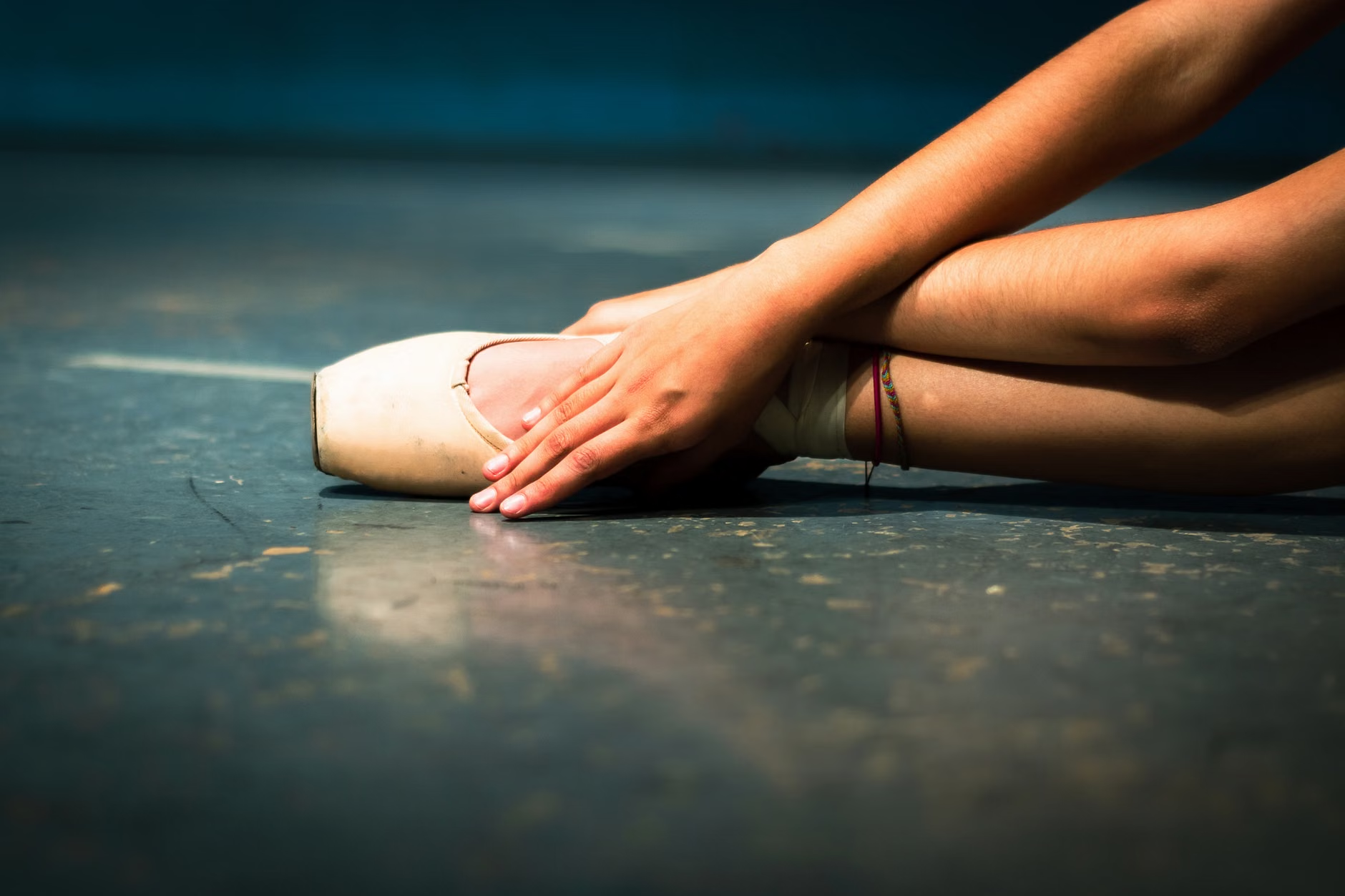
Keep your heels firmly planted on the floor. Lift the balls of your feet and your toes upward as high as is comfortable, then lower them back down with control. This is the “tap.” The focus should be on the front of the lower leg (the tibialis anterior) and the squeeze in the calf muscles as you return to the floor.
3. Frequency and Pacing
Do not rush the movement. A steady rhythm—lifting for one second and lowering for one second—is ideal. Aim for 20 to 30 repetitions per session. If you feel any discomfort or cramping, stop immediately and gently massage the area before trying again.
| Factor | Recommendation | Reasoning |
|---|---|---|
| Frequency | Every 60 minutes of sitting | Prevents prolonged venous pooling. |
| Duration | 2–3 minutes per session | Sufficient to activate circulation without fatigue. |
| Footwear | Flat, supportive shoes or barefoot | Ensures stability and prevents slipping. |
The table above outlines the practical application of this movement. Note that the goal is not to reach a state of exhaustion, but rather to break up periods of inactivity. If you are traveling on a long flight or train ride, these movements are particularly useful every hour to help mitigate the effects of confined seating.
Safety Considerations and When to Consult a Professional
While seated toe-taps are generally safe, it is important to recognize the difference between normal muscle fatigue and symptoms that require medical attention. Preventive health is about being aware of your body’s signals.
Warning Signs to Monitor:
- Unilateral Swelling: If you notice that only one leg is significantly more swollen than the other, this is a symptom that should be addressed by a healthcare professional, as it may indicate a localized issue such as a blood clot or vein blockage.
- Persistent Pain or Redness: If you experience sharp, localized pain or if the skin in your lower leg appears red and feels warm to the touch, avoid exercise and seek medical advice.
- Dizziness or Lightheadedness: While rare during seated exercises, if you feel lightheaded when moving your legs, ensure you are breathing rhythmically and not holding your breath.
When you visit a doctor to discuss leg health or circulation, arrive prepared. Keep a simple log of when you feel the most swelling or discomfort. For example, if you notice swelling only after sitting for more than two hours, communicate this specific context to your provider. Bringing a list of your current medications—especially those for blood pressure or diuretics—is also essential, as these can influence fluid retention in the legs.
Integrating Movement into Your Daily Routine
The greatest challenge with any preventive health habit is consistency. To make seated toe-taps a natural part of your day, anchor them to activities you already perform. If you enjoy reading the morning newspaper, perform two sets of 20 taps between sections. If you are watching a news program, use the commercial breaks or the start of a new segment as your cue to begin.
It is often helpful to keep a visual reminder nearby. A small sticky note on your computer monitor or a bookmark in your book can serve as a gentle prompt. The objective is to transition from “remembering to exercise” to “automatically moving” as part of your routine. Over time, you may find that this habit reduces the feeling of “heavy legs” that often accompanies long periods of sitting.
Beyond the Tap: Complementary Habits for Lower Leg Health
While seated toe-taps are a fantastic tool, they work best when combined with other healthy lifestyle choices. Circulation is a systemic issue, and supporting it requires a holistic approach.
Hydration and Its Role
Adequate fluid intake is essential for blood volume and viscosity. While it might seem counterintuitive to drink more if you are worried about swelling, proper hydration helps the kidneys manage fluid balance more effectively. Aim for consistent, small sips throughout the day rather than large amounts at once.
The Importance of Compression
For some individuals, especially those who spend significant time seated, medical-grade compression stockings can be a useful tool. However, these are not one-size-fits-all. They come in different levels of pressure, measured in mmHg (millimeters of mercury). It is essential to consult with a doctor or a pharmacist to determine if compression is necessary and what level of pressure is appropriate for your specific health profile.
Movement Variety
If your mobility allows, try to change your position frequently. Simply standing up, walking to the kitchen for a glass of water, or performing a few gentle stretches near a wall can provide the muscle engagement that seated exercises cannot fully replicate. The “best” movement is the one that you can do consistently and safely.
Addressing Common Misconceptions
There is a common belief that “more is better” when it comes to exercise. In the context of circulatory health for older adults, this is often incorrect. Excessive, high-intensity exercise without proper recovery can lead to inflammation, which may actually increase swelling rather than decrease it. Focus on gentle, rhythmic movements that stimulate blood flow without causing soreness.
Another misconception is that swelling is an inevitable part of aging. While it is common, it is not something you must simply “live with.” By identifying the triggers—such as high salt intake, prolonged sitting, or certain medications—you can often manage the symptoms effectively. Always look for the root cause before assuming that a symptom is just “normal aging.”
Conclusion
Preventive health is built on the foundation of small, repeated actions. Seated toe-taps represent an easy-to-implement strategy that requires no special equipment and provides immediate benefits for circulation and comfort. By incorporating this simple movement into your day, you are taking an active role in maintaining your mobility and overall well-being. Remember to listen to your body, stay consistent, and reach out to a healthcare professional if you notice changes in your leg health that concern you. Your legs work hard for you every day; a few minutes of care is a small price to pay for their continued health.
Frequently Asked Questions
1. How do I know if my shoes are hindering my circulation?
Shoes that are too tight, particularly around the mid-foot or ankle, can restrict circulation. If you notice indentations on your skin after removing your shoes at the end of the day, your footwear may be too restrictive. Opt for shoes with a wider toe box and adjustable closures, such as Velcro or laces, which allow you to accommodate slight changes in foot swelling throughout the day.
2. Can I do these exercises while wearing compression stockings?
Yes, in fact, performing gentle leg movements while wearing compression stockings can enhance their effectiveness by assisting the stockings in moving blood upward. However, ensure that the stockings are fitted correctly by a professional. If you feel any numbness or tingling while wearing them, remove them and check for any bunching or constriction points.
3. Is it better to perform these taps quickly or slowly?
Slow and controlled is always better. Rapid, jerky movements do not allow the calf muscles to fully contract and relax in a way that effectively pumps blood. Aim for a slow, rhythmic pace that feels natural and allows you to feel the squeeze in your calf muscle with each repetition. Consistency over a longer period is significantly more beneficial than a quick, high-intensity burst of movement.
Sources and Further Reading: