- Flavonoids are natural plant compounds that help reduce inflammation and improve blood vessel function, key factors in maintaining heart health as you age.
- You do not need expensive supplements; consistent, small additions of common foods like berries, tea, apples, and onions provide the most effective dose.
- Heart health is cumulative; focus on long-term dietary patterns rather than short-term “superfood” trends to support your cardiovascular system sustainably.
For adults aged 60 to 80, cardiovascular health is often the cornerstone of maintaining independence and quality of life. While modern medicine offers sophisticated tools for managing heart conditions, preventive nutrition remains one of the most accessible and effective strategies to support heart function. Among the many components of a heart-healthy diet, dietary flavonoids have emerged as a significant area of interest in geriatric research.
Flavonoids are a diverse group of phytonutrients—compounds produced by plants—that give many fruits, vegetables, and beverages their vibrant colors. Beyond their aesthetic appeal, they function as potent antioxidants and anti-inflammatory agents. Understanding how to integrate these compounds into your daily life can be a practical step in your personal health management toolkit.
What Are Flavonoids and Why Do They Matter for Your Heart?
To understand flavonoids, think of them as the plant’s internal defense system. In humans, when we consume these compounds, they interact with our vascular system, specifically the endothelium—the thin membrane that lines the inside of the heart and blood vessels. As we age, this lining can become less flexible, a process that contributes to stiffer arteries and higher blood pressure.
Research suggests that flavonoids may help maintain the elasticity of these vessels. By promoting the production of nitric oxide, a molecule that helps blood vessels relax and widen, flavonoids assist in improving blood flow and reducing the workload on the heart. For an adult between 60 and 80, this means potentially lower blood pressure readings and reduced systemic inflammation.
The Reality of “Anti-Aging” Nutrition
It is important to dispel the myth that flavonoids are a “cure.” They are not a substitute for prescribed medications, such as statins or antihypertensives, nor are they a replacement for regular cardiovascular screenings with your primary care physician. Instead, view them as a supportive habit that creates a more favorable physiological environment for your heart to function.
Top Sources of Flavonoids: A Practical Guide
You likely already have many flavonoid-rich foods in your kitchen. The goal is not to force yourself to eat exotic or expensive items, but to make consistent, small choices throughout your day. Below is a breakdown of common sources and how to include them in your regular meals.
| Food Category | Specific Sources | Practical Serving Tip |
|---|---|---|
| Berries | Blueberries, strawberries, blackberries | Add a handful to your morning oatmeal or yogurt. |
| Beverages | Green tea, black tea, moderate red wine | Replace one coffee or sugary drink per day with tea. |
| Vegetables | Onions, kale, broccoli | Sauté onions as a base for most savory dishes. |
| Fruits | Apples, citrus fruits, red grapes | Keep a bowl of fruit visible to encourage snacking. |
| Treats | Dark chocolate (70% cocoa or higher) | One small square after dinner is sufficient. |
The table above illustrates that variety is key. Flavonoids are not a single substance; they are a family of compounds (including flavonols, flavan-3-ols, and anthocyanins). By consuming a diverse range of plant-based foods, you ensure that you are getting a broad spectrum of these protective agents.
Practical Strategies for Daily Implementation
Incorporating these foods into your routine should not feel like a chore. The most successful changes are those that integrate seamlessly into your existing habits. If you are a fan of tea, you are already ahead of the curve. If you prefer savory snacks, focus on incorporating more onions, garlic, and cruciferous vegetables like broccoli into your lunch and dinner.
The “Tea Habit” Strategy
Tea, both green and black, is one of the most concentrated sources of flavonoids in the average diet. For many, transitioning from a second cup of coffee to a cup of high-quality green or black tea is a simple, low-cost change. If you have concerns about caffeine, decaffeinated versions still retain a significant portion of their flavonoid content, though it is worth checking the label to ensure they were processed using methods that preserve these compounds.
The “Fruit-First” Snack Rule
Instead of relying on processed crackers or biscuits, try keeping an apple or a small container of grapes within reach. The fiber in these fruits, combined with the flavonoids, provides a double benefit for heart health by helping to manage cholesterol levels and blood pressure simultaneously.
Common Misconceptions and Safety Considerations
A common mistake is believing that more is always better. While fruits and vegetables are generally safe, the same cannot be said for high-dose flavonoid supplements. When you consume a food, you get a complex matrix of nutrients, fiber, and water that helps your body regulate absorption. When you take a concentrated pill, you may be getting doses that are far higher than what is found in nature, which can sometimes interfere with medication metabolism.
Interaction with Medications
Always exercise caution if you are currently taking blood-thinning medication (such as warfarin or newer anticoagulants). Certain flavonoid-rich foods, particularly those high in Vitamin K or specific compounds that affect liver enzymes, may interact with these drugs. Before making significant changes to your diet—especially if you plan to introduce large amounts of a specific food like green tea or pomegranate juice—consult your doctor or a registered dietitian.
When preparing for your next medical appointment, it is helpful to bring a list of your typical daily food intake. You might ask your doctor: “I am trying to increase my intake of flavonoid-rich foods like berries and tea; are there any specific interactions I should be aware of regarding my current medications?”

The Cumulative Effect: Why Consistency Beats Intensity
One of the most overlooked variables in nutrition is the “plateau effect.” Eating a massive amount of blueberries once a week will have far less impact than eating a moderate portion every single day. The protective effects of flavonoids on the endothelium are transient; they need to be replenished regularly to maintain their benefits.
Think of it as a maintenance program for your pipes. You wouldn’t clean your home only once a month and expect it to stay spotless; similarly, your body requires regular “doses” of these compounds to keep the cardiovascular system running smoothly. Aim for at least 3-4 portions of flavonoid-rich foods throughout the day rather than trying to get them all in one sitting.
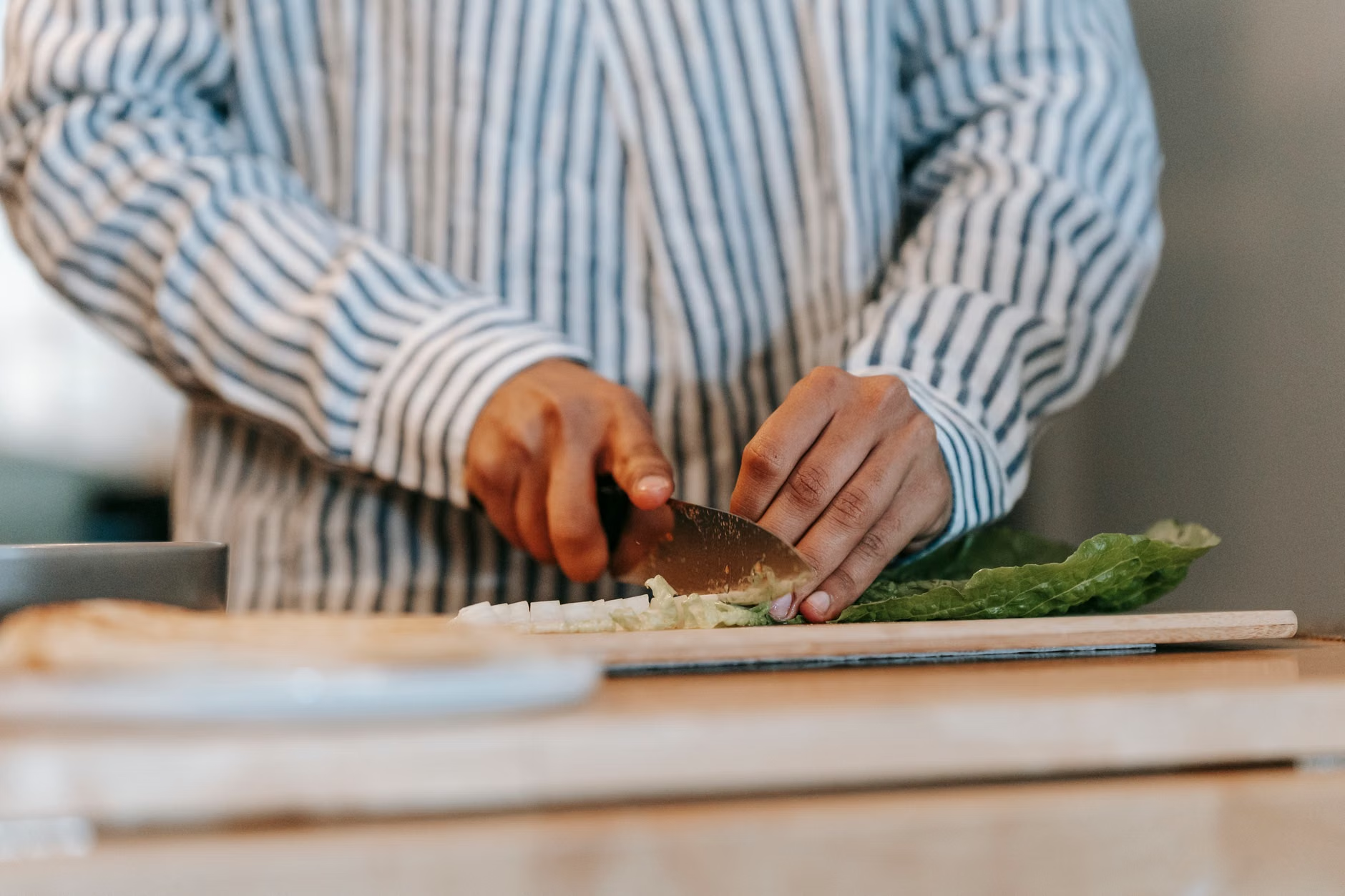
For those with mobility challenges, food preparation can be a hurdle. If standing at a counter to chop vegetables is difficult, consider these practical adjustments:
- Frozen is Fine: Frozen berries and vegetables are often picked at the peak of ripeness and are just as nutrient-dense as fresh ones. They require no chopping, which saves time and energy.
- Use Pre-cut Options: While slightly more expensive, buying pre-washed bags of kale or pre-cut fruit can remove the physical barrier to eating these foods.
- The Sit-Down Prep: If you enjoy cooking, move your preparation to the dining table where you can sit comfortably while you peel or slice your ingredients.
Conclusion: Building a Sustainable Heart-Healthy Future
Dietary flavonoids represent a powerful, accessible, and enjoyable way to support your heart health between the ages of 60 and 80. By focusing on a colorful, plant-forward diet and maintaining consistency, you are providing your body with the tools it needs to remain resilient. Remember that these habits are not about perfection; they are about making small, meaningful choices that add up over time. Always prioritize your comfort and consult with your healthcare team to ensure that your dietary choices align with your specific medical needs and medication regimen.
Frequently Asked Questions (FAQ)
1. Is it better to take a flavonoid supplement or eat the actual food?
It is almost always better to get your flavonoids from whole foods. Whole foods provide a synergistic blend of fiber, vitamins, and minerals that help your body absorb and use the compounds effectively. Supplements lack this complexity and may carry risks of high-dose interactions with prescription medications.
2. Do I need to buy “organic” to get the benefits of flavonoids?
While organic produce may have fewer pesticide residues, the flavonoid content is primarily determined by the plant variety and its maturity. Whether you choose conventional or organic, the most important factor is simply increasing your total intake of fruits, vegetables, and tea.
3. Can eating too many flavonoid-rich foods cause side effects?
For the vast majority of people, eating a diet rich in fruits, vegetables, and tea is very safe. The main caution applies to individuals taking blood-thinning medications or those with specific digestive sensitivities. If you notice any unusual symptoms or changes in how you feel after significantly increasing your intake, speak with your primary care provider.
Sources: