- Cognitive Engagement: Modern board games require strategic planning, pattern recognition, and memory, which help maintain mental agility.
- Social Longevity: Regular board gaming builds consistent social networks, reducing the risks associated with isolation.
- Choosing the Right Game: Prioritize games with clear, large-print components and mechanics that match your preferred level of social interaction and complexity.
The Renaissance of Board Gaming for Older Adults
For many, the mention of “board games” evokes memories of childhood afternoons spent playing classics like Monopoly or Snakes and Ladders. However, the last two decades have seen a global renaissance in tabletop gaming. Modern board games have evolved into sophisticated experiences that offer far more than just a way to pass time; they are powerful tools for cognitive maintenance and social connection.
Engaging in these games as an adult aged 60 to 80 provides a structured environment that challenges the brain in ways that passive entertainment, like watching television, simply cannot. By requiring players to process complex rules, manage resources, and anticipate the moves of others, these games foster “neuroplasticity”—the brain’s ability to adapt and form new neural connections. This article explores how you can integrate modern board gaming into your life to boost mental health and social well-being.
How Board Games Enhance Cognitive Function
The cognitive benefits of board gaming are rooted in the requirement for executive function. Executive function is an umbrella term for the mental processes that enable us to plan, focus attention, remember instructions, and juggle multiple tasks successfully.
Strategic Planning and Resource Management
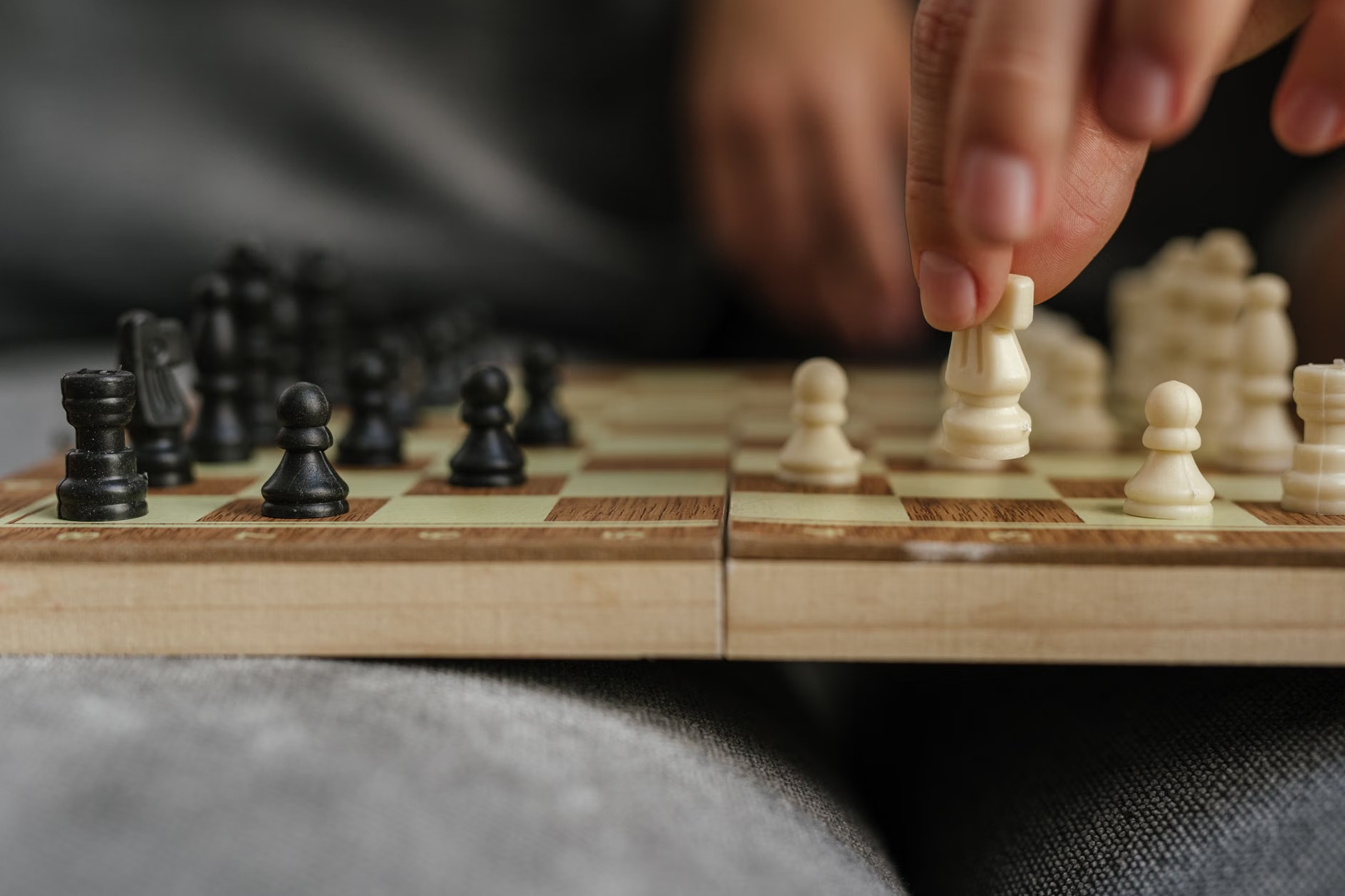
Many modern games, often categorized as “Eurogames,” focus on resource management rather than direct conflict. In these games, you must decide how to allocate limited resources—such as workers, money, or materials—to reach a long-term goal. This requires you to look several turns ahead, a process that exercises the prefrontal cortex. When you choose to save a resource now for a greater payoff later, you are practicing delayed gratification and strategic foresight.
Memory and Pattern Recognition
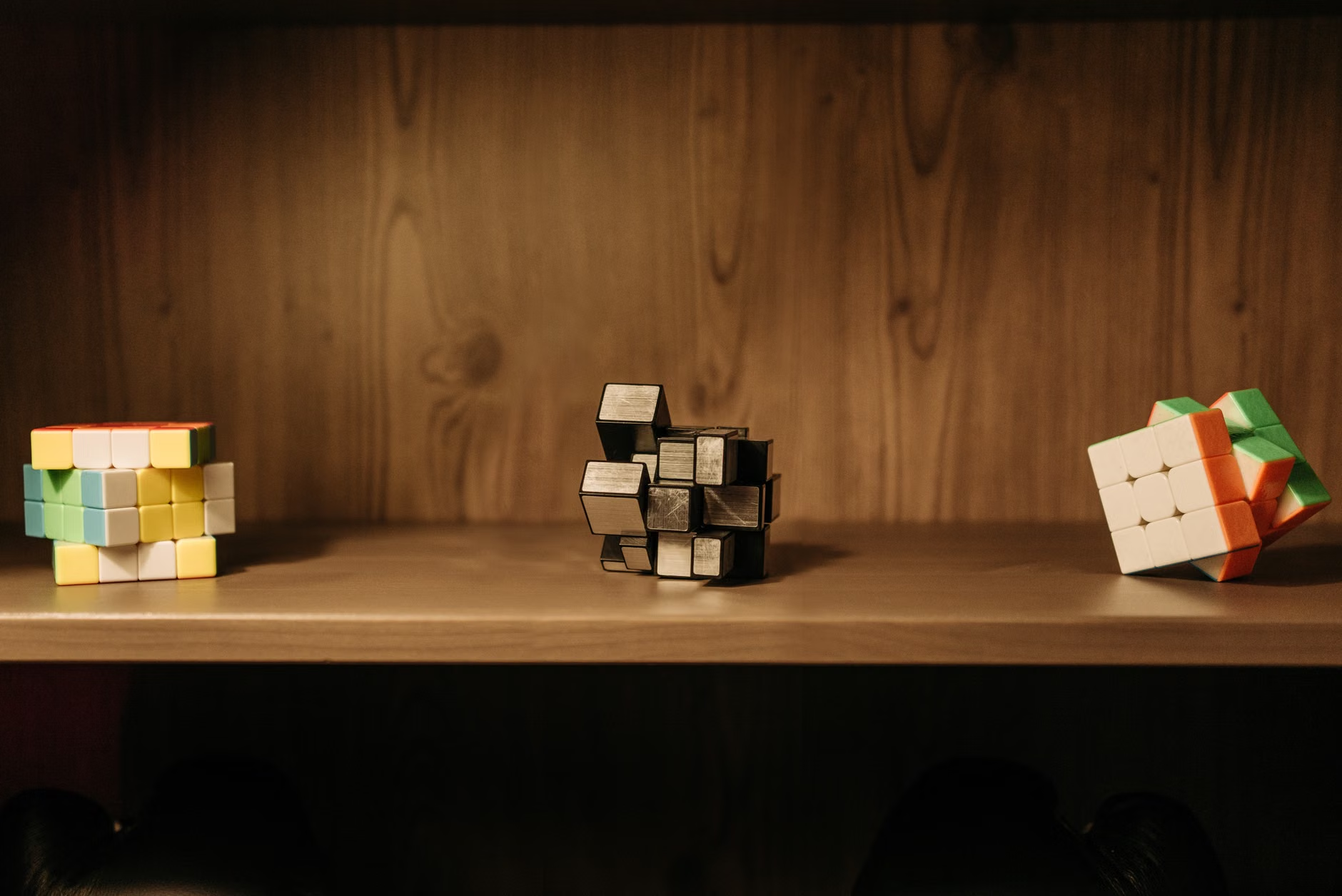
Almost every game involves some degree of memory. Whether it is remembering which tiles have already been revealed in a memory-based game or keeping track of your opponents’ potential strategies, your brain is constantly storing and retrieving information. Furthermore, games that involve spatial reasoning—such as those where you must arrange pieces on a board to create specific patterns—stimulate the parietal lobe, which is responsible for spatial awareness and navigation.
The “Complexity Threshold”
A common mistake is assuming that “harder is better.” In reality, the most beneficial games are those that sit at your personal “complexity threshold.” This is the point where a game is challenging enough to require focus but not so complex that it becomes a source of frustration. If a game feels like a chore, you are unlikely to reap the benefits of the activity. Aim for games that you can learn in 20–30 minutes but that offer enough strategic depth to keep you engaged for several plays.
Building Social Resilience Through Play
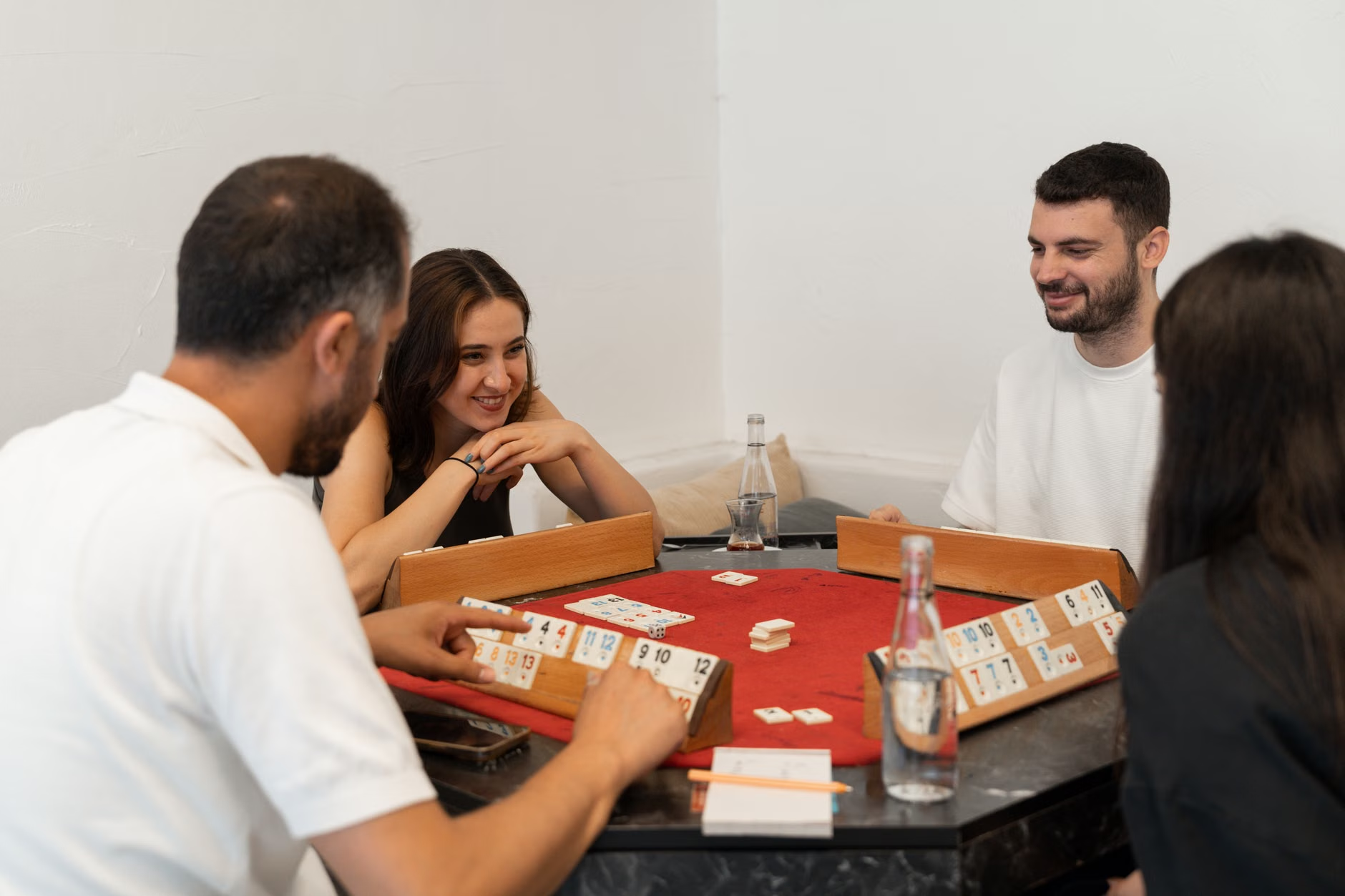
Social isolation is a significant public health concern for adults over 60. While many people have active social lives, the quality of social interaction matters as much as the frequency. Board games provide a “third space”—a social environment separate from home and work (or retirement)—where interaction is structured and purposeful.
Creating Consistent Social Rituals
The key to the social benefit of gaming is consistency. Joining a weekly or bi-weekly game group creates a reliable social anchor. Unlike a casual coffee meeting, which may have an undefined end, a board game session has a clear beginning and end, making it easier to commit to and manage your energy levels. This consistency helps prevent the “fading out” of social connections that often occurs in later years.
The Role of “Cooperative” Games
If you are apprehensive about the competitive nature of games, consider cooperative games. In these titles, all players work together against the game system itself. This shifts the dynamic from “me versus you” to “us versus the challenge.” These games are excellent for fostering communication, negotiation, and collective problem-solving, which are vital skills for maintaining cognitive and emotional health.
Practical Steps to Choosing Your First Game
Entering the world of modern board games can be overwhelming due to the sheer volume of options. To make an informed decision, use the following criteria to evaluate potential games.
| Feature | What to Look For | Why it Matters for Seniors |
|---|---|---|
| Component Size | Large cards, clear font, high-contrast colors. | Reduces eye strain and makes the game accessible for those with minor vision changes. |
| Game Duration | 45 to 60 minutes. | Prevents fatigue and allows for natural breaks. |
| Complexity Level | “Light” to “Medium” weight (check online reviews). | Ensures the game is mentally stimulating without being overwhelming. |
| Interaction Type | Cooperative or parallel play. | Reduces potential for aggressive conflict and encourages teamwork. |
A Step-by-Step Guide to Getting Started
- Visit a Local Game Cafe: Many cities now have “board game cafes.” These are excellent places to try games before you buy them. Staff members are often trained to teach games, saving you the frustration of reading long rulebooks.
- Start with “Gateway Games”: Look for titles like Ticket to Ride (pattern matching and route building) or Carcassonne (tile placement). These are widely considered the gold standard for beginners because they are easy to learn but difficult to master.
- Read the Rulebook Online: Most publishers provide PDFs of their rulebooks on their websites. Before purchasing, download the manual to see if the font size and instructions are clear to you.
- Consider Accessibility: If you or a friend have mobility issues, look for games that don’t require standing or fine motor dexterity, such as games that use large dice or simple card placement.
Addressing Common Misconceptions
There is a prevalent myth that board games are “just for kids” or that they are a waste of time. Research suggests the opposite. The American Psychological Association and various geriatric studies have noted that cognitively stimulating leisure activities are associated with a lower risk of cognitive decline. By treating board games as a form of “mental exercise,” you change the perception of the activity from a trivial pastime to a proactive health habit.
Another misconception is that you need a large, boisterous group to play. In reality, many modern games are designed specifically for two players. If you prefer quiet, one-on-one time with a spouse or a friend, there is an entire genre of “two-player only” games that offer deep, intellectual challenges without the noise of a large gathering.
When to Seek Professional Guidance
While board games are a fantastic leisure activity, they should not be viewed as a substitute for medical care if you are experiencing sudden changes in cognitive function. If you find that you are consistently unable to follow the rules of a game you once enjoyed, or if you experience significant confusion or agitation during social activities, it may be a sign to consult with your primary care physician or a neurologist.
Prepare for your appointment by noting:
- Frequency: How often do these difficulties occur?
- Specifics: Is it the rules you cannot follow, or is it the physical act of playing?
- Context: Does this happen only when you are tired, or is it a persistent issue?
Bringing a list of these observations helps your doctor differentiate between normal cognitive aging and symptoms that may require further investigation.
Integrating Gaming into Your Daily Routine
To make this a sustainable hobby, treat it with the same importance as an exercise class or a medical appointment. If you belong to a social club, suggest a “Game Afternoon.” If you prefer playing at home, set a recurring date with a friend. The key is to remove the “friction” of starting—keep your games organized on a shelf where they are easily accessible, and keep a few decks of cards or light games on the coffee table.
Remember that the objective is not to win every game, but to engage your brain and build connections. If a game becomes too frustrating, it is perfectly acceptable to switch to a simpler one or to stop early. The goal is to create a positive, stimulating experience that you look forward to week after week.
Conclusion: The Long-Term Value of Play
The cognitive and social benefits of board gaming are cumulative. Like physical exercise, the brain benefits most from consistent, moderate engagement over time. By selecting games that challenge your intellect, fostering social bonds with your peers, and maintaining an environment that is physically and mentally accessible, you can turn your leisure time into a cornerstone of your long-term health strategy.
Start small, be curious, and remember that every game is an opportunity to learn something new and connect with someone else. In the world of modern board gaming, there is truly something for everyone, regardless of your background or experience level.
Frequently Asked Questions
1. Are modern board games difficult to learn?
While some games are complex, most “gateway games” are designed to be intuitive. Many have excellent video tutorials on platforms like YouTube that explain the rules visually, which is often easier than reading the manual.
2. Can board games help with memory loss?
Board games provide cognitive stimulation, which is a protective factor for brain health. While they are not a cure or a medical treatment for dementia or cognitive impairment, they are a recommended activity for maintaining mental agility and social engagement.
3. How do I find a local group to play with?
Check your local community center, public library, or senior center bulletin board. Many of these locations host game days. You can also search online platforms like Meetup or local hobby store websites to find groups specifically for adults.
For further reading on cognitive health and aging, visit the National Institute on Aging (NIA) for resources on healthy brain habits.