- Prioritize Luggage Weight: Choose high-quality, ultra-lightweight suitcases or backpacks to save your physical energy for the destination rather than the airport transit.
- Layering is Key: Use a versatile clothing system to handle fluctuating temperatures without overpacking bulky coats or multiple heavy items.
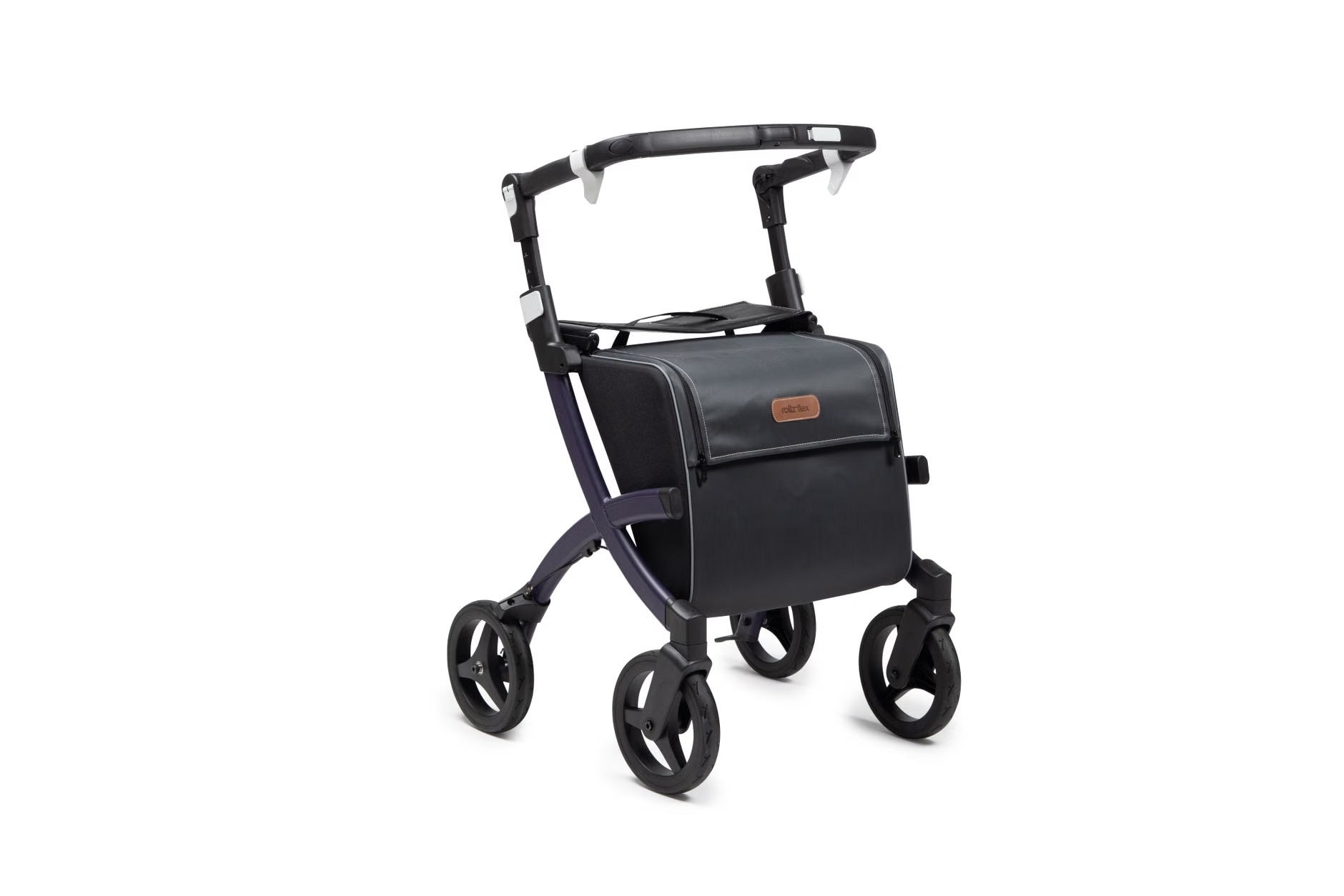
- Strategic Mobility Gear: Invest in lightweight, multi-functional mobility aids that fold down small to ensure you remain independent and comfortable throughout your trip.
The secret to an enjoyable, stress-free trip for older adults lies not in how much you pack, but in how effectively you manage the weight of your gear. Carrying heavy luggage can lead to unnecessary fatigue, back strain, and reduced mobility, which can derail your travel experience before it even begins. By shifting your focus from “what I might need” to “what I will actually use,” you can significantly enhance your comfort, safety, and independence.
The Physics of Packing: Why Weight Matters More Than You Think
For travelers aged 60 to 80, physical stamina is a finite resource. Every kilogram of luggage you carry adds cumulative stress to your joints—specifically your knees, hips, and lower back. When you are navigating crowded airports, uneven cobblestone streets, or steep hotel stairs, the weight of your bag directly dictates your level of fatigue. Excessive weight doesn’t just make you tired; it increases the risk of trips, falls, and musculoskeletal strain.
Consider the “Energy Budget” concept: You have a set amount of physical energy for each day of travel. If you spend 30% of that energy hauling a 20kg suitcase through a train station, you have 30% less energy to enjoy your museum visit, walking tour, or dinner. Reducing your luggage weight is essentially an investment in your daily enjoyment and recovery time.
The 10-Kilogram Rule
A practical goal for most senior travelers is to keep a carry-on bag under 7-10 kilograms (15-22 lbs). This weight is generally manageable for lifting into overhead bins or navigating stairs without assistance. If you find your bag consistently exceeding this weight, it is a sign that you are packing “just in case” items that rarely see the light of day.
Selecting the Right Luggage: Ergonomics and Mobility
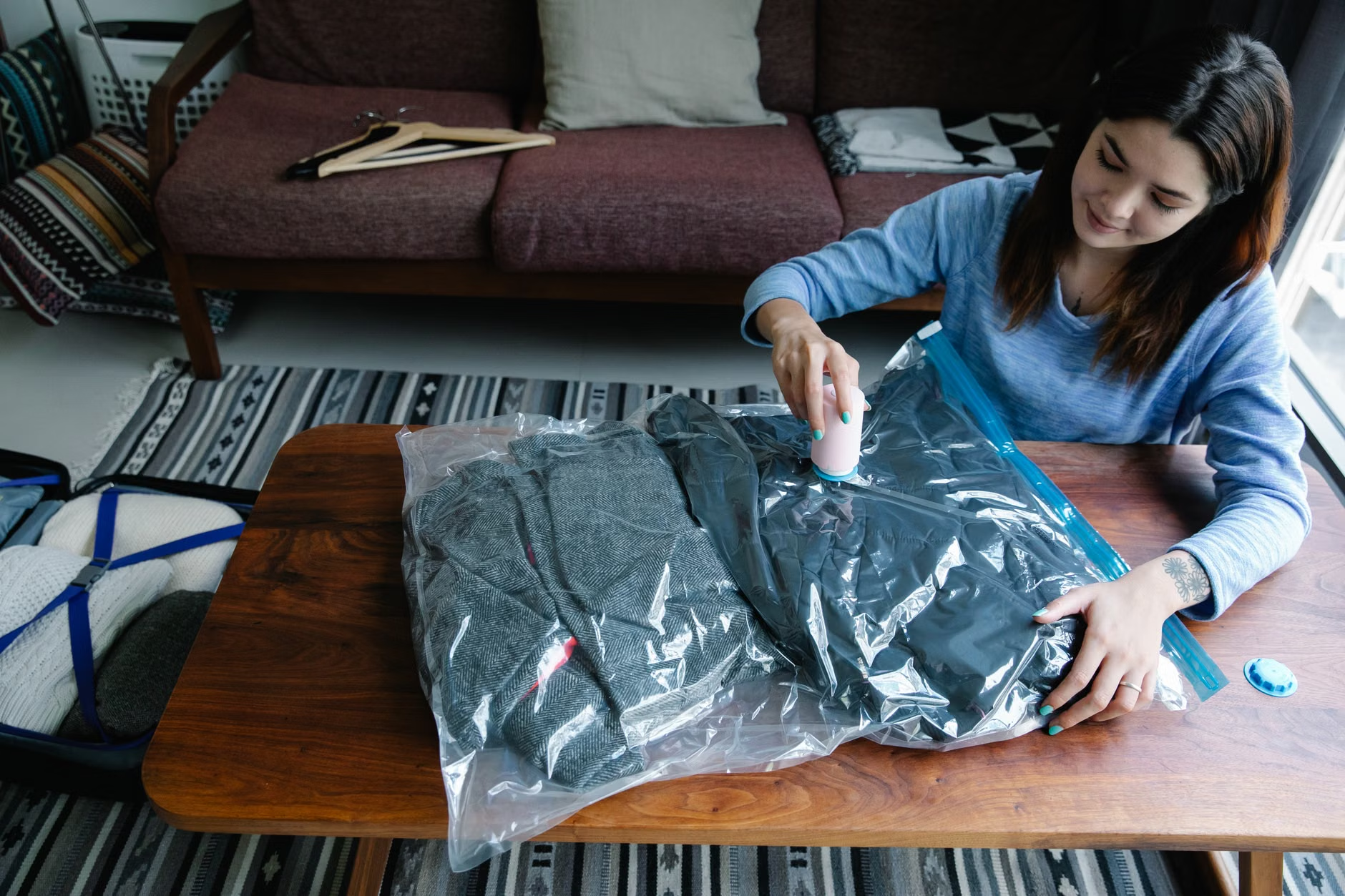
Your choice of luggage is the most critical decision in your packing strategy. The days of heavy, bulky suitcases are over. Today’s market offers high-performance materials that offer durability without the weight penalty.
The Case for Four-Wheel Spinners
For most seniors, a four-wheel “spinner” suitcase is superior to a two-wheel “rollaboard.” Two-wheel bags require you to tilt them and drag them, which puts significant torque on your shoulder and wrist. A four-wheel spinner allows the bag to glide alongside you, requiring minimal effort. When choosing a spinner, ensure the wheels are high-quality, recessed, and multi-directional to prevent them from snapping off during transit.
The Weight of the Bag Itself
Many travelers forget to check the weight of the empty suitcase. Some “hard-shell” cases weigh upwards of 4-5 kilograms empty. Look for high-tech polycarbonate or reinforced nylon bags that weigh under 2.5 kilograms. That 2-kilogram difference is the weight of an extra pair of shoes or a light jacket.
| Luggage Type | Pros | Cons | Best For |
|---|---|---|---|
| 4-Wheel Spinner | Easy to maneuver, low physical effort. | Wheels can be vulnerable on very rough terrain. | Airport terminals, flat city streets, train stations. |
| Lightweight Duffel | Extremely light, flexible storage. | No structure, requires lifting. | Short trips, travelers with minimal gear. |
| Backpack with Wheels | Versatile (carry or roll). | Often heavier due to dual mechanisms. | Travelers needing to navigate stairs and transit. |
If you have concerns about balance or grip strength, prioritize bags with telescopic handles that lock at multiple heights. This allows you to stand upright with good posture while rolling your bag, rather than stooping or reaching, which can cause back pain.
The Art of Minimalist Clothing: Layering for Versatility
The most common packing mistake is bringing “just in case” outfits for every possible weather scenario. Instead, adopt a capsule wardrobe strategy based on layering. This method keeps your bag light while ensuring you are prepared for temperature fluctuations.
The Three-Layer System
- Base Layer: Moisture-wicking fabrics (like Merino wool or synthetic blends) that keep you dry and comfortable.
- Mid Layer: A fleece or light sweater for insulation.
- Outer Layer: A windproof and water-resistant shell.
By wearing your heaviest items—such as your walking shoes and your jacket—during your transit, you save significant space and weight in your luggage. Never pack your heaviest shoes; always wear them on the plane or train.
Choosing Fabrics for Travel
Avoid heavy cottons, which take a long time to dry and are surprisingly heavy when packed in volume. Choose lightweight, wrinkle-resistant materials like nylon-spandex blends or high-quality wool. These fabrics can be washed in a hotel sink and will dry overnight, allowing you to pack fewer items and wash them as you go.
Health and Mobility Gear: Packing for Safety
When traveling, your health and mobility aids are your lifeline. However, they can also be the heaviest items in your bag. The trick is to find lightweight alternatives that do not compromise your safety.
Medication Management
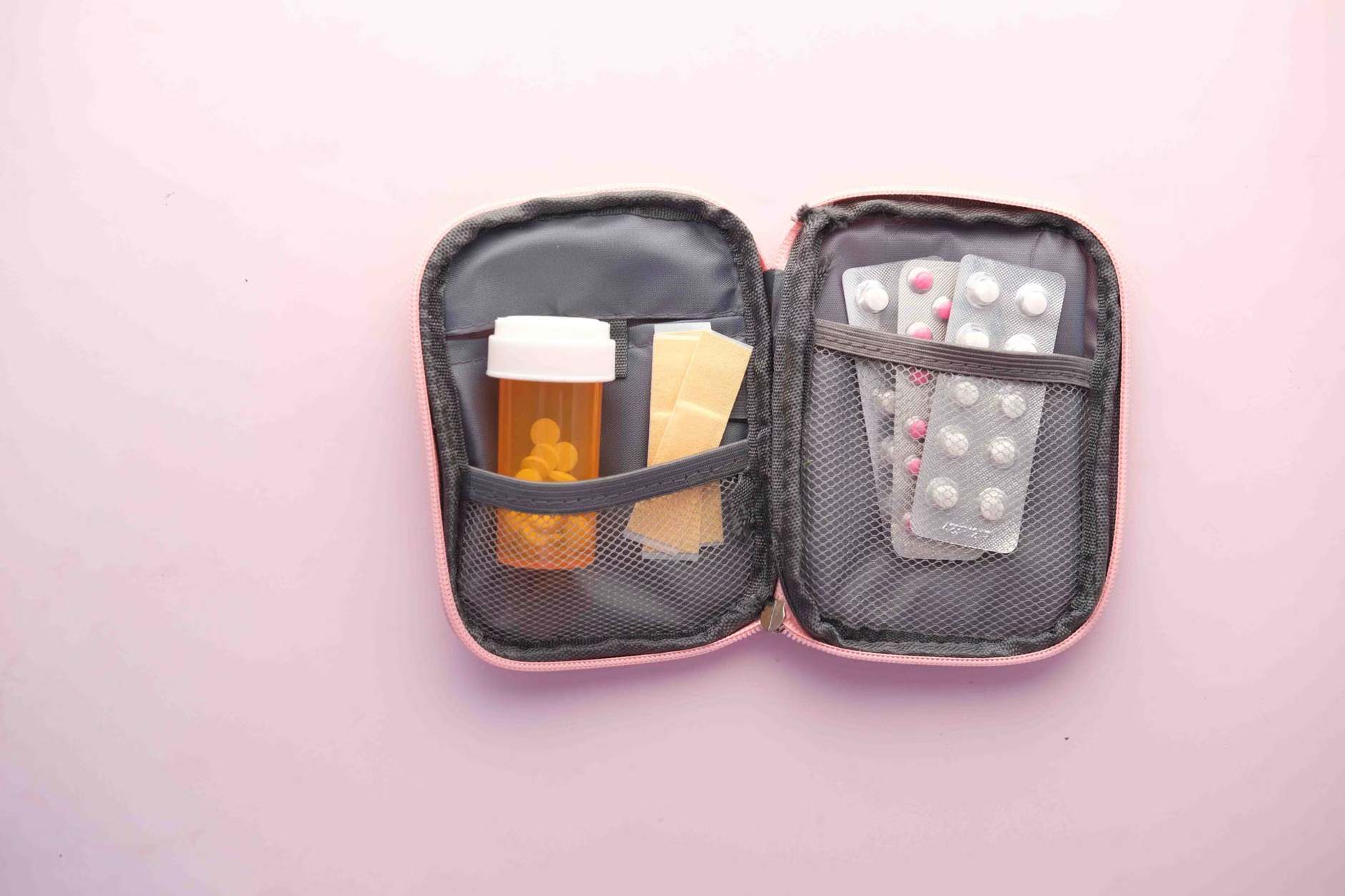
Never pack your entire supply of medication in your checked luggage. Use a compact, light-weight pill organizer for the week, but keep your original prescription bottles in your carry-on. If you take multiple medications, carry a digital copy of your medical history and a list of prescriptions on your phone, supplemented by a printed copy in your bag.
Mobility Aids
If you use a cane, look for a high-quality, collapsible, or folding model. Modern carbon-fiber canes are incredibly light and strong. If you require a walker, check with your airline early regarding “gate-checking” policies. Most airlines allow you to use your mobility aid up to the boarding gate, where it is then stowed and returned to you immediately upon arrival. This is a vital service that prevents you from having to navigate long airport corridors without your necessary support.
Strategy Checklist: Before You Zip Your Bag
Before you finalize your packing, use this checklist to ensure you haven’t included unnecessary weight:
- The “One-Week” Rule: Pack for one week, regardless of how long the trip is. You can always use laundry services or wash items in your accommodation.
- The Bathroom Rule: If your hotel provides toiletries (shampoo, soap, etc.), leave yours at home. Only pack specialized items you cannot live without.
- The Tech Audit: Do you really need a laptop, tablet, and a camera? Combine devices wherever possible. A modern smartphone is often sufficient for photography and communication.
- The “Surface Test”: Pack your bag and walk around your home for 10 minutes. If you are struggling, you are carrying too much.
Weight-conscious packing directly influences how you navigate transit. When you have a lighter bag, you are more capable of using public transportation, which is often more affordable and accessible than private taxis. However, always research the “first and last mile.”
If you are traveling by train, look for stations with elevator access. Many historic European stations may have stairs as the primary route to platforms. If you are traveling alone and cannot manage your bag, do not hesitate to ask station staff for assistance. Many major global transit hubs offer “porter services” or pre-booked assistance for seniors—check the official station or rail operator website (such as Amtrak in the US, National Rail in the UK, or SNCF in France) for accessibility pages.
Advanced Insights: The Hidden Weight Factors
An overlooked variable in weight management is the weight of your “personal item.” Many travelers use a heavy leather handbag or a rigid laptop bag as their secondary carry-on. These can weigh 1-2 kilograms before you even put anything inside them. Switch to a lightweight, water-resistant crossbody bag or a soft-sided tote. This reduces the burden on your shoulder and allows you to keep your hands free, which is essential for maintaining balance.
Another factor is the “shoe weight.” Footwear is often the heaviest part of a traveler’s luggage. Limit yourself to two pairs: one pair of high-quality, supportive walking shoes (to be worn) and one pair of lightweight, comfortable shoes for dining or indoor use (to be packed). Avoid bringing heavy boots or formal shoes unless absolutely necessary for a specific event.
Conclusion: The Freedom of Less
Weight-conscious packing is not about deprivation; it is about empowerment. When you travel light, you are more agile, more comfortable, and less reliant on others to help you with your belongings. This independence is what allows you to truly engage with your destination. By carefully selecting your luggage, choosing versatile clothing, and prioritizing essential mobility gear, you can ensure that your travel experiences are defined by the places you see and the people you meet, rather than the heavy bags you carry.
As you plan your next journey, remember that the goal is not to be prepared for every hypothetical disaster, but to be prepared for the reality of your own comfort and stamina. Start your packing process early, weigh your bag, and don’t be afraid to remove items that you haven’t used in the past two trips. Your back, your feet, and your travel experience will thank you.
Frequently Asked Questions
1. How can I find out if my accommodation is accessible for someone with limited mobility?
Always contact the property directly via email before booking. Ask specific questions: “How many stairs are there between the street and the elevator?” or “Is the bathroom equipped with grab bars?” Do not rely on generic labels like “accessible,” as definitions vary wildly between countries and properties.
2. What should I do if my medication requires refrigeration during travel?
Invest in a high-quality, TSA-approved (or relevant regional authority) medical cooling bag. These use specialized gel packs that stay cold for 12-24 hours. Always carry a doctor’s note explaining the need for these cooling packs, as security regulations regarding liquids and gels are strictly enforced at airports.
3. Is it worth using a luggage shipping service to avoid carrying bags?
For some travelers, especially those with significant mobility challenges, shipping luggage ahead to your hotel is an excellent option. It removes the stress of transit entirely. However, compare the cost against the benefit, and ensure you have a “day bag” with all essentials (medication, documents, change of clothes) in case of shipping delays.
Official resources for travel accessibility can be found through your national transit authority or organizations like DisabledHolidays.com (UK/Europe) or the TSA Cares program (USA) for guidance on navigating security with medical devices.