- Consistency over Intensity: Gentle, frequent neck movements are more effective for preventing stiffness than infrequent, deep stretches.
- Ergonomic Foundation: No amount of stretching can compensate for a poor desk setup; adjust your screen height to eye level to reduce strain.
- Listen to Your Body: If you feel sharp pain, tingling, or numbness during a stretch, stop immediately and consult a healthcare professional.
The goal of this article is to provide a practical, evidence-based guide for adults aged 60 to 80 to manage neck stiffness and maintain mobility while performing desk-bound activities.
Understanding Neck Health in the Context of Sedentary Activities
As we navigate our daily routines—whether managing household finances, engaging in digital hobbies, or staying connected with family via video calls—we often spend significant time at a desk. For the 60-80 age demographic, the cumulative effect of gravity and posture on the cervical spine (the neck) can lead to reduced range of motion and discomfort. Understanding why this happens is the first step toward effective prevention.
When you sit for extended periods, your neck muscles often experience “static loading.” This occurs when muscles remain in a fixed, contracted state to support the weight of your head. Over time, this leads to muscle fatigue. Unlike a dynamic movement, where muscles contract and relax, static loading keeps the muscle fibers under constant tension, which reduces blood flow and can lead to stiffness.
What happens in real life: You might notice that after 45 minutes of reading or typing, your shoulders feel “heavy” or you find yourself wanting to crack your neck. This is a signal from your musculoskeletal system that the postural muscles are fatigued. By introducing micro-breaks and gentle, controlled movements, you can reset this tension and maintain the health of your cervical spine.
The Physiology of Gentle Movement
Gentle movement serves two primary functions: it increases synovial fluid production in the joints, which acts as a lubricant, and it promotes blood flow to the surrounding soft tissues. For older adults, the goal is not to achieve the flexibility of a gymnast but to preserve the functional range of motion required for daily living—such as looking over your shoulder while driving or reaching for items on a shelf.
Pre-Stretch Checklist: Setting Up Your Environment
Before you begin any stretching routine, it is vital to ensure your workspace is not actively working against you. If your chair is too low or your monitor is too far, you will be fighting an uphill battle against poor posture.
| Component | Adjustment Criteria | Why It Matters |
|---|---|---|
| Monitor Height | Top 1/3 of the screen at eye level | Prevents chronic neck flexion (looking down). |
| Chair Support | Lower back supported by the lumbar curve | Maintains the natural spine alignment. |
| Armrests | Elbows at 90-100 degrees | Takes the weight of the arms off the neck/trapezius. |
| Foot Placement | Flat on the floor or on a footrest | Provides a stable base for the entire spine. |
If your current furniture does not allow for these adjustments, consider using a rolled-up towel as a makeshift lumbar support or propping your laptop on stable books to reach the correct eye level. These small modifications can significantly reduce the load on your neck muscles before you even begin your stretches.
Step-by-Step Seated Neck Stretches
The following movements should be performed slowly. Do not force any motion. If you feel pain, stop. These movements are designed to be performed while seated, ensuring stability and safety.
1. The Gentle Chin Tuck
This movement helps correct the “forward head posture” that often results from staring at screens. It strengthens the deep neck flexors and stretches the muscles at the base of the skull.
- Step 1: Sit tall with your shoulders relaxed.
- Step 2: Look straight ahead.
- Step 3: Slowly draw your chin straight back as if you are trying to make a “double chin.” Do not tilt your head up or down.
- Step 4: Hold for 3 seconds, then release.
- Repeat: 5 to 8 times.
2. The Controlled Lateral Tilt
This targets the trapezius and levator scapulae muscles, which are common sites of tension for desk-bound individuals.
- Step 1: Sit comfortably and keep your shoulders down (do not let them creep up toward your ears).
- Step 2: Gently tilt your right ear toward your right shoulder.
- Step 3: Stop when you feel a mild, comfortable stretch on the left side of your neck.
- Step 4: Hold for 10–15 seconds.
- Repeat: Switch to the left side. Perform 3 times per side.
3. The Seated Cervical Rotation
This maintains the rotational mobility of your neck.
- Step 1: Keep your chest open and your back against the chair.
- Step 2: Slowly turn your head to the right, looking over your shoulder as far as is comfortable.
- Step 3: Keep your chin level with the floor throughout the movement.
- Step 4: Hold for 5 seconds.
- Repeat: Turn to the left. Perform 3 times per side.
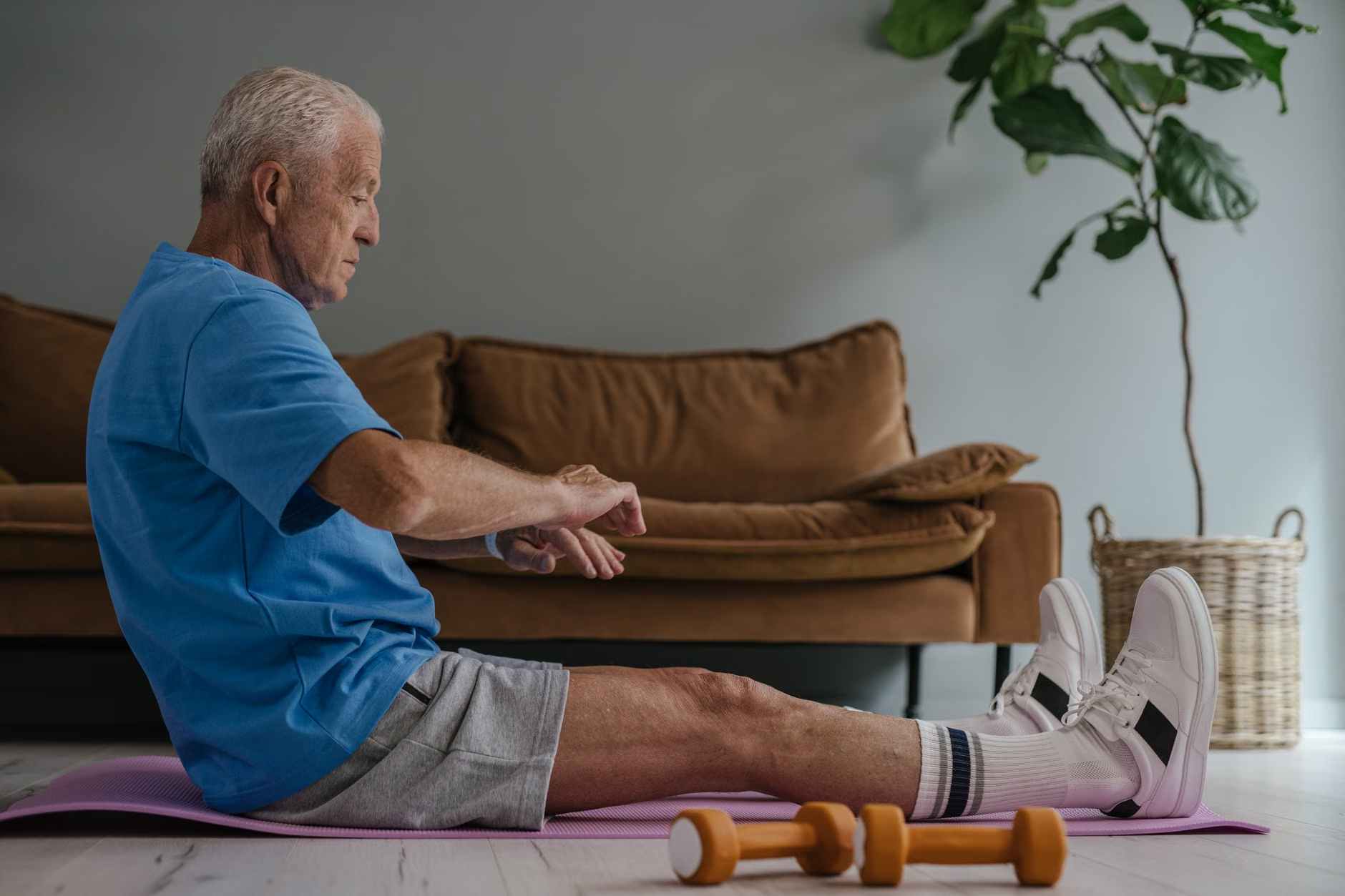
Integrating Movement into Your Daily Workflow
The greatest challenge to preventive health is not the exercises themselves, but the habit of forgetting to do them. For adults aged 60-80, the “20-20-20” rule is a highly effective, low-effort strategy. Every 20 minutes, look at something 20 feet away for 20 seconds. This is the perfect moment to incorporate a single neck stretch.
Practical Tip: Use a kitchen timer or a simple alarm on your phone to remind you to shift your posture. If you find yourself becoming engrossed in a task for more than an hour, your risk of developing stiffness increases significantly. Treat your movement breaks as a “non-negotiable” part of your digital activities.
Common Mistakes to Avoid
- The “Aggressive Stretch”: Using your hands to pull your head down during a stretch can lead to strain. Always use gentle, active muscle engagement rather than external force.
- Breath Holding: Many people hold their breath when focusing on a movement. This increases blood pressure and tension. Breathe rhythmically through your nose while stretching.
- Ignoring the Shoulders: The neck is intimately connected to the shoulder blades (scapulae). If your shoulders are rounded forward, your neck will feel tight regardless of how much you stretch it. Incorporate “shoulder rolls” by moving your shoulders up, back, and down to reset your posture.
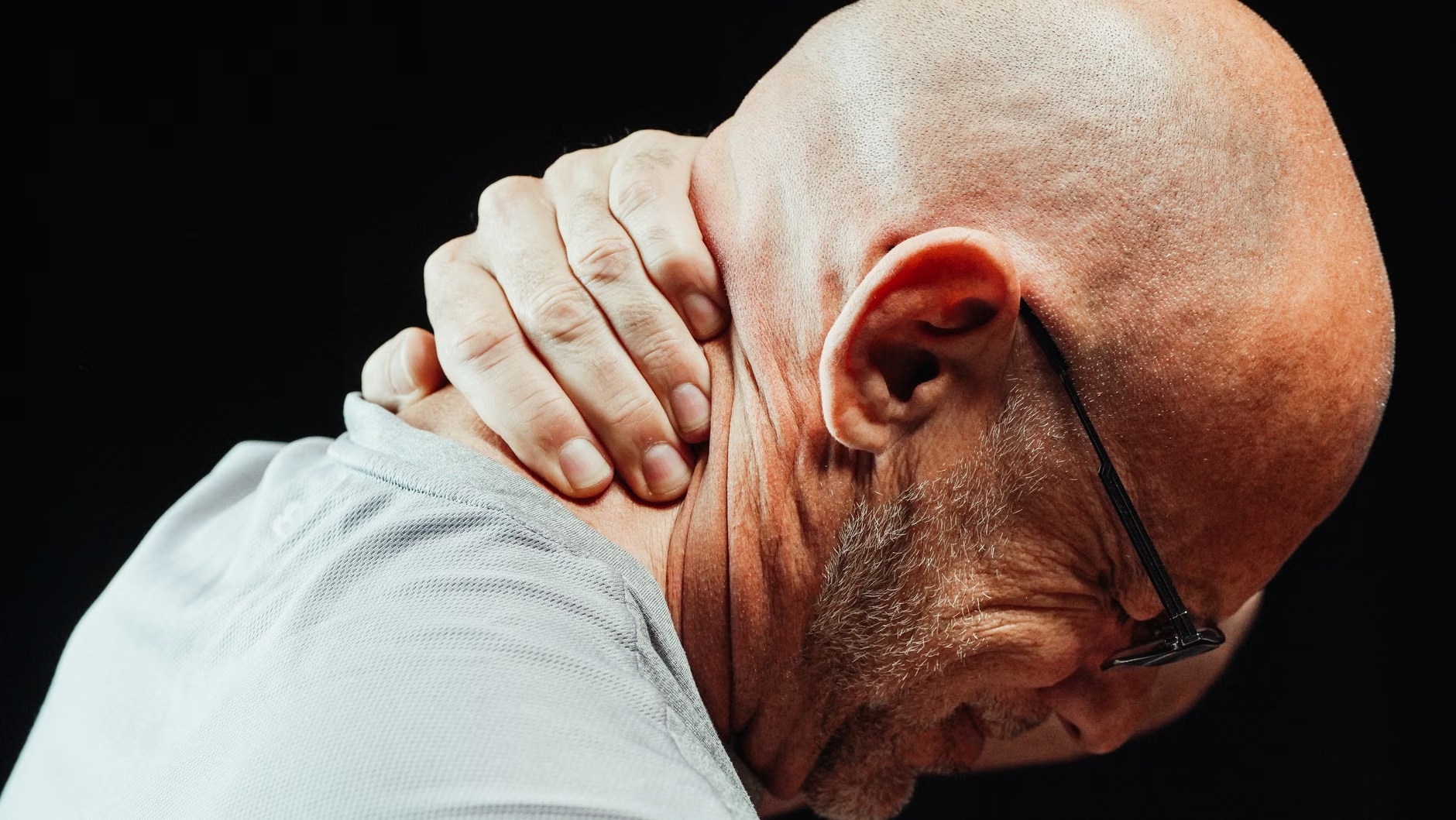
When to Seek Professional Guidance
While these exercises are designed for general maintenance, there are specific symptoms that warrant a visit to a doctor or a physical therapist. Do not attempt to “stretch out” symptoms that indicate a potential underlying issue.
Warning Signs:
- Radiating Pain: If you feel pain, tingling, or numbness traveling down your arm into your hand.
- Dizziness: If you experience lightheadedness or vertigo during neck movements.
- Sudden Weakness: If you experience a loss of grip strength or difficulty holding objects.
- Persistent Stiffness: If the stiffness does not resolve after a few days of gentle movement or if it worsens over time.
When preparing for a medical appointment regarding neck discomfort, it is helpful to keep a brief log for 3–5 days. Note when the discomfort starts, what you were doing at the time (e.g., typing, reading a book, using a tablet), and whether the sensation is dull or sharp. This data allows your healthcare provider to give more accurate guidance.
The Role of Lifestyle in Neck Longevity
Beyond the desk, your overall lifestyle choices impact your musculoskeletal health. Hydration, for instance, is often overlooked. The discs in your spine are largely composed of water; staying hydrated supports the health of these structures. Additionally, regular walking or light cardiovascular activity helps improve overall circulation, which is vital for tissue repair and maintenance.
The Insight: Many older adults suffer from “tech-neck” not because of the technology, but because of the prolonged, unchanging nature of the activity. If you are using a tablet, it is often held in the lap, forcing the head into a severe downward angle. Using a tablet stand to raise the device to eye level, combined with a separate Bluetooth keyboard, can transform a hazardous activity into an ergonomic one.

Evaluating Your Progress
You should not expect immediate results after one day. Preventive health is cumulative. After two weeks of consistent, gentle stretching, you may notice that you feel less “locked up” at the end of the day. Keep a simple calendar and mark an “X” on the days you completed your stretches. This visual progress can be a strong motivator.
Remember that your goal is not perfection. If you miss a day, simply resume the next morning. The body is resilient, and consistent, low-intensity movement is far superior to sporadic, high-intensity exercise.
Conclusion
Maintaining neck comfort in your 60s, 70s, and 80s requires a proactive approach to how you use your body during daily tasks. By optimizing your desk environment, performing gentle, controlled stretches, and listening to your body’s signals, you can maintain your mobility and reduce the impact of sedentary activities. Start small, be consistent, and prioritize your comfort above productivity.
Frequently Asked Questions
1. Can I perform these stretches if I have arthritis in my neck?
If you have a known diagnosis of cervical arthritis or spondylosis, it is essential to consult your doctor or a physical therapist before starting any new exercise routine. They can provide modifications that specifically accommodate your condition while still helping you maintain range of motion.
2. How long should I hold a stretch?
For static stretches like the lateral tilt, 10 to 15 seconds is generally sufficient for an older adult. The goal is to reach a point of “mild tension,” not pain. Holding for longer than 30 seconds is generally unnecessary for basic maintenance and may lead to muscle fatigue.
3. Are there any specific devices I should avoid?
Avoid using weighted neck collars or devices that claim to “align” your spine without professional supervision. These can often place undue stress on the ligaments of the neck. Focus instead on active, muscle-based movements that you control yourself.
Disclaimer: This article is for informational purposes only and does not constitute medical advice. Always consult with a healthcare professional before beginning any new exercise program, especially if you have pre-existing health conditions.
Official Resources for Further Reading: