Hello everyone! It’s your friendly health explorer, Cooldy, here with some life-saving information that might just change the way you look at your morning routine. 😊
When we think about dangerous diseases, our minds often go to things like cancer or heart disease. But did you know there is a “silent intruder” that ranks as one of the top causes of death worldwide? I’m talking about pneumonia. Specifically, a type that many people ignore until it’s too late: Aspiration Pneumonia.
The scary part? It doesn’t always come from a virus or a cold. Sometimes, it comes from the very food we eat or even our own saliva. But don’t worry! Today, I’ve done the deep diving for you. We’re going to talk about how something as simple as a toothbrush and a few “frog-like” throat exercises can be your strongest shield. Let’s get into it!
It’s Not Just a Simple Cough: What is Aspiration Pneumonia?
Have you ever had water “go down the wrong pipe”? You cough, your eyes water, and eventually, you feel fine. That’s your body’s natural defense mechanism working. But as we get older, that “trapdoor” in our throat (the epiglottis) starts to get a little lazy.
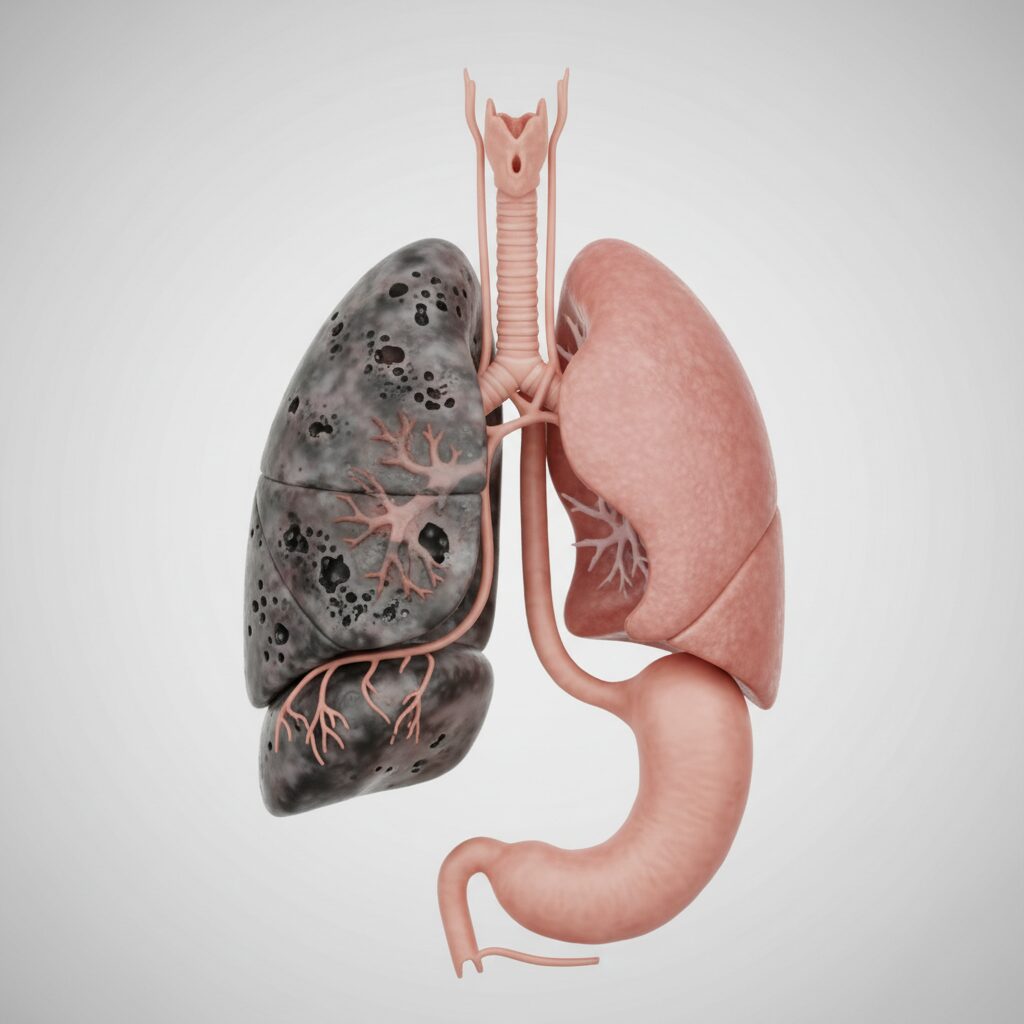
Normally, when you swallow, this trapdoor snaps shut to cover your airway (trachea) so food goes into your stomach (esophagus). If that door doesn’t close fast enough, food, liquid, or even bacteria-filled saliva slips into your lungs. This is called aspiration.
When these foreign substances—especially those carrying nasty mouth bacteria—settle in your lungs, they cause a serious infection. That is Aspiration Pneumonia. It’s particularly tricky because it can happen slowly over time, and some people don’t even realize they are “silently” aspirating.
The Secret Connection: Your Mouth is a Gateway to Your Lungs
You might be wondering, “Cooldy, why are we talking about dental hygiene when the problem is in the lungs?” Well, here is the mind-blowing part: Your mouth is a greenhouse for bacteria.
While we sleep, our saliva production drops. This dry environment is exactly what bacteria love. They multiply by the millions overnight. If you wake up and take a big gulp of water before cleaning your mouth, you are essentially washing a tidal wave of bacteria straight toward your lungs. If even a tiny bit of that “bacteria water” slips into your airway, you’re at risk.
Studies have shown that professional oral care can reduce the risk of pneumonia by up to 40%! Brushing your teeth isn’t just about a white smile or avoiding cavities anymore; it’s literally a lung-saving habit.
[Cooldy’s Word Bank] What is ‘Dysphagia’?
You might hear doctors use this word. It simply means “difficulty swallowing.” Just like the muscles in our legs can get weaker, the muscles we use to swallow can lose their strength too. Keeping these muscles fit is the key to preventing aspiration!
The 30-Second Challenge: Check Your Swallowing Strength
Are you curious if your “swallowing engine” is running smoothly? Try this simple test at home. It’s a great way to check in on your body’s current state.
- Sit upright in a comfortable chair.
- Set a timer for 30 seconds.
- Try to swallow your saliva as many times as you can within that half-minute.
- Each time your “Adam’s apple” (the bump in your throat) moves up and back down, count it as one swallow.
How did you do?
- 3 times or more: Great! Your swallowing muscles are likely in good shape.
- Less than 3 times: Your muscles might be a bit weak or your mouth might be too dry. Don’t panic, though! That’s exactly why we’re going to learn some throat “gymnastics” next.

Gymnastics for Your Throat: The ‘Frog’ and ‘Tongue’ Routine
We go for walks to keep our hearts healthy, but we rarely think about exercising our throats. Here are three super-simple exercises I’ve found that you can do while watching TV!
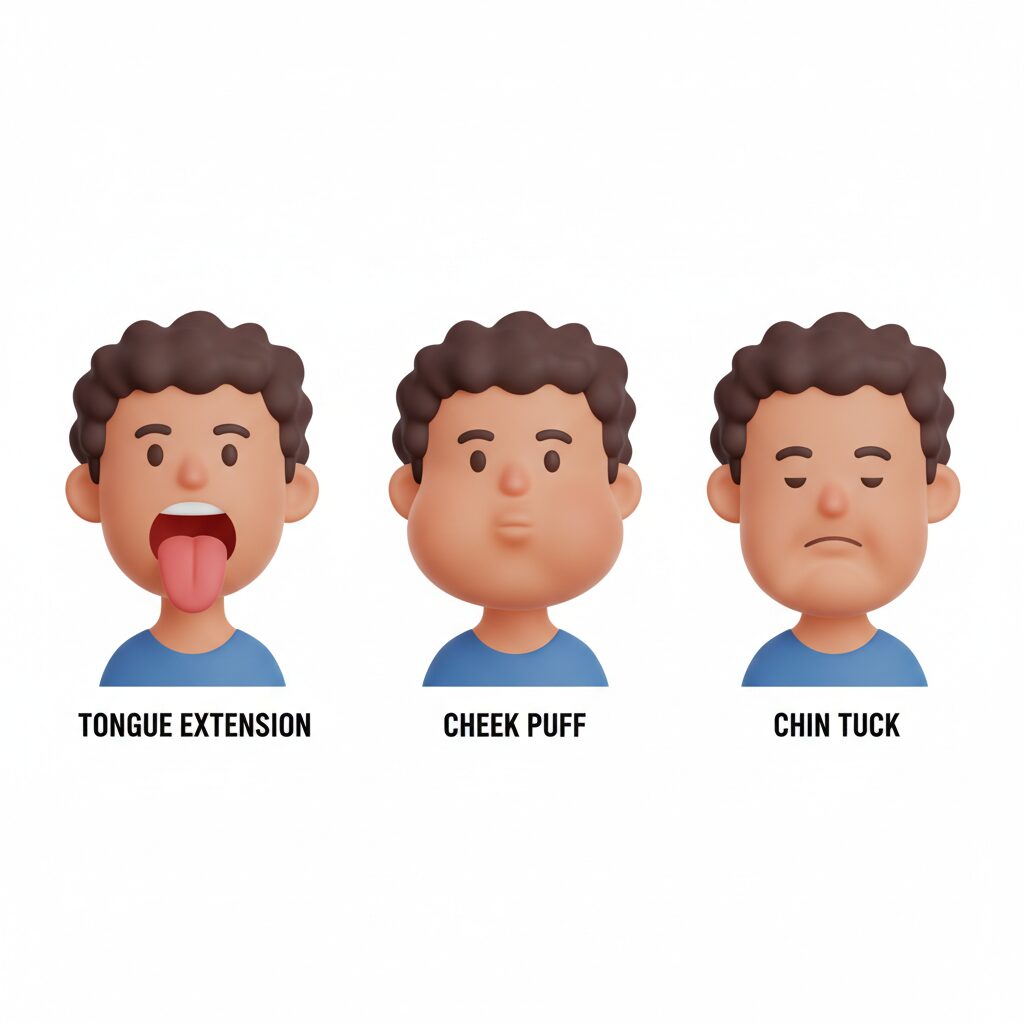
1. The “Big Stretch” Tongue Exercise
Your tongue is the “piston” that pushes food back. Stick your tongue out as far as it will go toward your chin, hold for 5 seconds, then try to touch your nose with it for 5 seconds. Repeat this 10 times. It feels silly, but it works!
2. The Shaker Exercise (The Chin-Tuck)
While sitting or lying down, tuck your chin tightly against your chest as if you’re trying to hold a tennis ball there. Hold it for a few seconds and then swallow. This strengthens the muscles that open the “food pipe” and close the “windpipe.”
3. The “Puffer Fish” Cheek Move
Puff out your cheeks with air as big as you can. Shift the air from the left cheek to the right cheek, then back. This strengthens your facial muscles so food doesn’t get stuck in the sides of your mouth.
The Golden Rules of Safe Dining
Eating should be a joy, not a hazard! By making these three small adjustments to your mealtime, you can drastically lower your risk of aspiration.
- Posture is Everything: Never eat while slumped on a couch or lying in bed. Sit at a 90-degree angle. Pro-tip: Keep your chin tucked slightly down toward your chest while swallowing. It actually creates a more direct path for food to hit the right pipe!
- The “Pre-Meal Rinse”: Before you take your first bite, rinse your mouth with water or brush your teeth. It hydrates your throat and clears out the “bad” bacteria before the food starts moving.
- The 30-Minute Rule: After you finish your meal, stay upright for at least 30 minutes. Gravity is your friend here! It ensures everything has moved safely into your stomach and won’t splash back up toward your lungs if you lie down.

Food Selection: The Hidden Heroes and Villains
Not all healthy foods are “swallow-friendly.” If you’ve been coughing more during meals, you might want to adjust the texture of what you eat.
- The Villains (Be Careful!):
- Dry Powders: Things like cocoa powder, cinnamon, or dry protein powders can easily be inhaled. Always mix them thoroughly into a liquid.
- Mixed Textures: Think of a soup that has thin broth and large chunks of vegetables. Your brain has to handle two different textures at once, which can lead to mistakes. Try mashing the chunks or thickening the broth.
- Sticky Foods: Extremely thick nut butters or very doughy bread can get stuck easily.
- The Heroes (The Best Choices):
- Thickened Liquids: Smoothies, Greek yogurt, and pureed soups are much easier for your throat to “track” and swallow safely.
- Soft & Moist: Steamed fish, soft-boiled eggs, and well-cooked vegetables are your best friends.

Nighttime Care: Don’t Let ‘Dry Mouth’ Win
Ever wake up with a mouth that feels like a desert? That’s called Xerostomia, and it’s a big risk factor for pneumonia. Without enough saliva to wash away bacteria, they throw a party in your mouth all night.
Try using a humidifier in your bedroom to keep the air moist. Also, there are special “oral moisturizing gels” you can apply to your gums and tongue before bed. Keeping your mouth hydrated means your “natural cleaning system” (saliva) can keep working even while you dream.

Wrapping Up: Your Life-Saving Habit Starts Today
Wow, we’ve covered a lot today, haven’t we? It’s amazing how the smallest things—like how we sit during dinner or how well we brush our teeth—can have such a massive impact on our long-term health.
Remember Cooldy’s Top 3 Tips:
- Brush before you drink: Clear out those morning bacteria!
- Exercise your “piston”: Do your tongue and throat stretches daily.
- Chin down, sit up: Make gravity work for you during meals.
Pneumonia might be a serious threat, but now you have the tools to stay one step ahead of it. You’re not just eating and breathing; you’re proactively protecting your life!
I really hope you found this helpful. If you have a friend or family member who’s been “coughing at the table” lately, why not share this with them? Let’s keep each other safe and healthy.
Until next time, stay cool and stay healthy! This has been Cooldy. 😊
[Credible Sources for Further Reading]
- Mayo Clinic – Aspiration Pneumonia Overview: https://www.mayoclinic.org
- NHS – Dysphagia (Swallowing Problems) Guide: https://www.nhs.uk/conditions/swallowing-problems-dysphagia/
- CDC – Pneumonia Prevention and Care: https://www.cdc.gov/pneumonia/index.html