“Did you know that while you sleep, your brain is actually ‘taking out the trash’ to stay young?”
Hello everyone! This is Cooldy, your friendly information guide who is always hunting for the latest health trends. Lately, many people tell me that their biggest fear as they age is dementia. I felt the same way, so I took a deep dive into recent medical research from around the world. What I found was absolutely mind-blowing!
It turns out that preventing dementia isn’t just about playing puzzles or staying active. Modern science is now focusing on a completely different perspective: the “Brain’s Cleaning System.” Today, I’m going to share some fascinating, lesser-known facts and the latest research results that will change how you think about your brain health.
1. Your Brain Has a ‘Garbage Truck’: The Glymphatic System
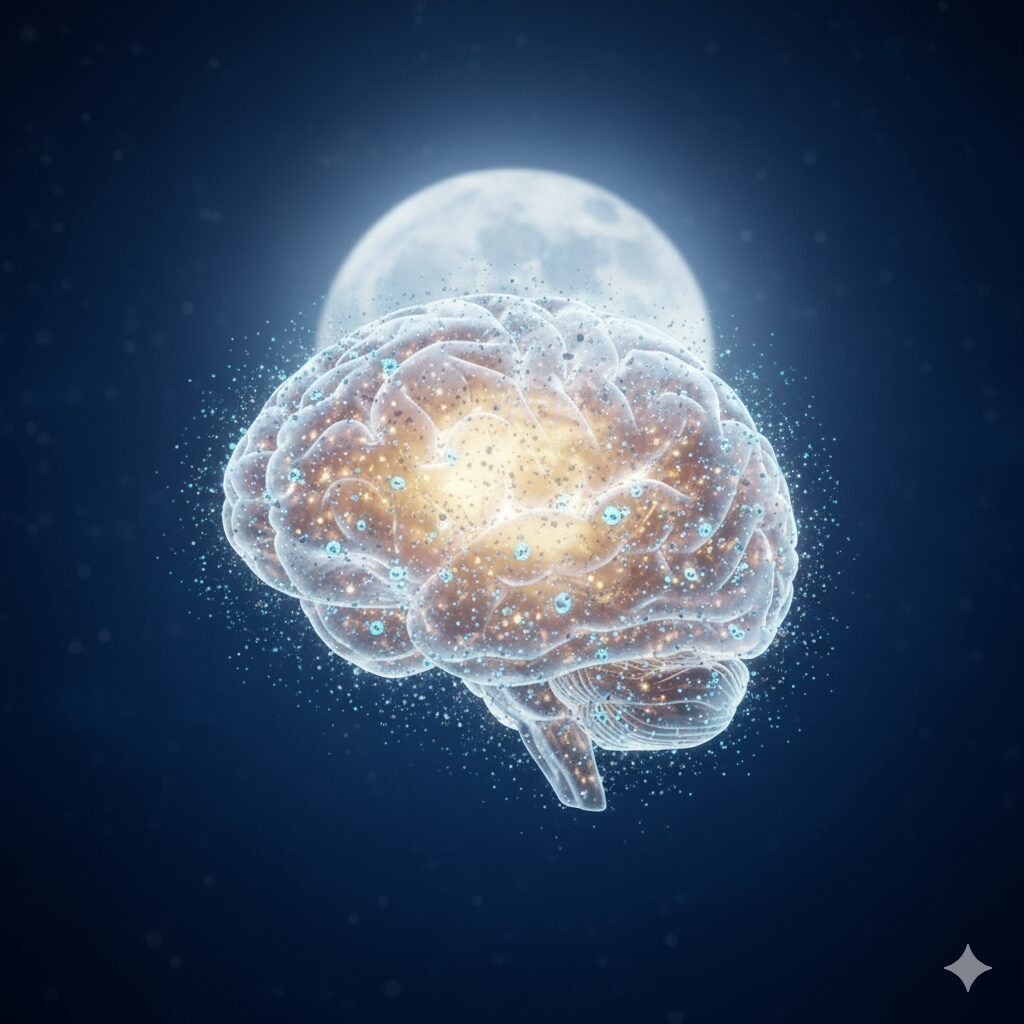
One of the hottest topics in neuroscience right now is the ‘Glymphatic System.’ Think of it as the plumbing system for your brain.
While we are awake, our brain cells are busy and tightly packed. But when we fall into a deep sleep, these cells actually shrink by up to 60%! This creates space for cerebrospinal fluid to rush in and wash away toxic proteins like ‘Beta-amyloid,’ which are the primary suspects behind Alzheimer’s. This is why a good night’s sleep isn’t just for rest—it’s a literal “brain wash.”
2. Dementia as ‘Type 3 Diabetes’
Did you know that many scientists now refer to Alzheimer’s as “Type 3 Diabetes”? Recent studies suggest that dementia is closely linked to how our brain handles sugar.
When we have high blood sugar or insulin resistance, our brain cells lose the ability to process energy effectively. Essentially, the cells begin to “starve” even if we are eating plenty of food. This chronic inflammation destroys the brain’s cleaning trucks. Controlling your blood sugar spikes after meals is perhaps the most powerful way to keep your memory sharp.
3. The Power of ‘Autophagy’: The Self-Cleaning Switch
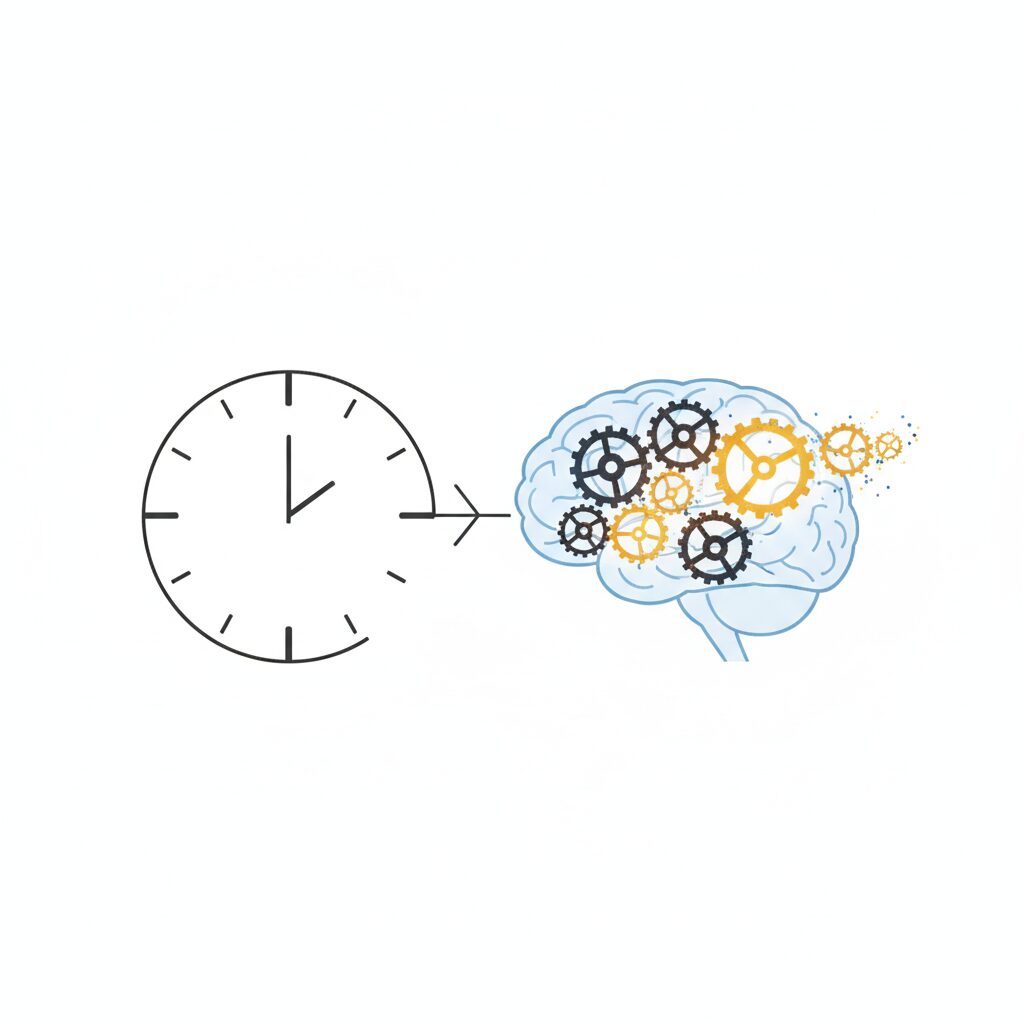
Have you heard of ‘Autophagy’? It’s a process where your cells eat their own damaged parts to renew themselves. This discovery won the Nobel Prize in 2016, and it’s a game-changer for brain health.
The easiest way to flip this “cleaning switch” is through Intermittent Fasting. When you stop eating for about 12 to 14 hours, your body stops looking for new energy and starts recycling the “trash” (toxic proteins) inside your brain cells for fuel. Finishing dinner early and giving your stomach a break until breakfast is a secret weapon for a clean brain.
4. Surprising Food Pairings for Your Brain
We all know nuts are good, but recent research highlights some unexpected combinations:
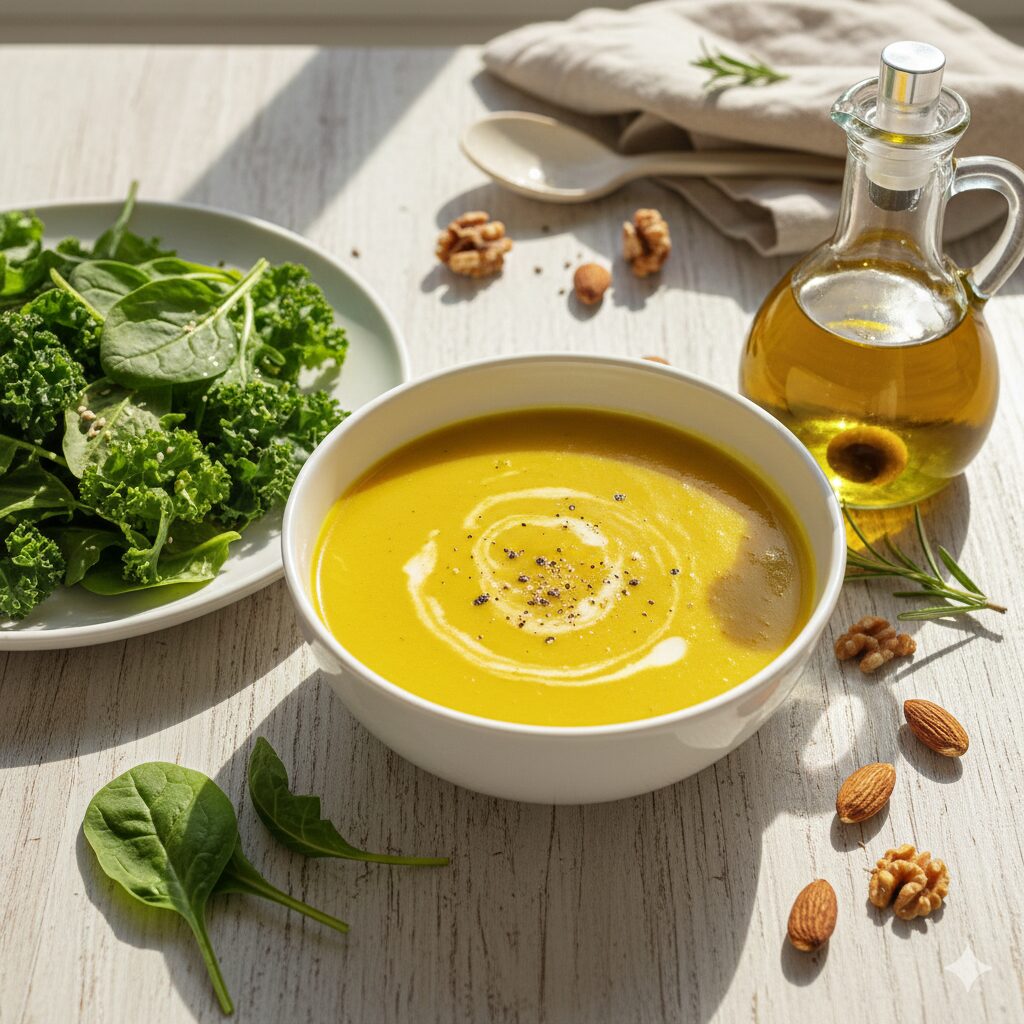
- Turmeric + Olive Oil: Curcumin in turmeric is famous for fighting brain inflammation, but it’s hard for the body to absorb. However, when paired with a healthy fat like olive oil, its absorption rate skyrockets!
- Nitrate-Rich Leafy Greens: Vegetables like spinach and arugula aren’t just about vitamins. They contain nitrates that help dilate brain blood vessels, ensuring a “highway” of fresh oxygen and nutrients to your neurons.
5. Simple ‘Brain-Cleansing’ Habits for Today
You don’t need a medical degree to start protecting your brain. Try these three simple steps:
- Sleep on Your Side: Some studies suggest that sleeping on your side (especially the left side) helps the glymphatic system drain brain waste more efficiently than sleeping on your back or stomach.
- Take the “Unfamiliar Path”: Routine is the enemy of the brain. Walking a new route or trying a new hobby creates new neural connections.
- The 15-Minute Rule: Walk for just 15 minutes after a meal. This prevents the blood sugar spikes that “clog” your brain’s cleaning system.

Dementia isn’t a disaster that strikes overnight; it’s often the result of decades of small habits. But that’s actually good news! It means the choices you make today—the olive oil you eat, the walk you take, and the deep sleep you prioritize—can protect your precious memories.
Stay sharp and stay healthy! I’m Cooldy, and I’ll keep bringing you the most interesting and helpful health insights.
※ Reliable Sources for Further Reading