Hello everyone, this is Cooldy! 😊
Do you often wake up feeling heavy and sluggish, even after getting a full night’s sleep? Have you been experiencing inexplicable aches and stiffness in your joints and muscles lately? You might dismiss these symptoms as just signs of aging or simple fatigue. However, I’m here to tell you that these issues might be signals of something more common and correctable: Vitamin D deficiency.
Recent studies show that a vast number of people globally, often due to increased indoor living and sun avoidance habits, are not getting enough of this vital nutrient. It’s truly surprising how many people are walking around low on what is often called the ‘Sunshine Vitamin.’
Today, I’m going to share why Vitamin D is so crucial for our well-being, what the common signs of its deficiency are, and most importantly, how you can smartly and effectively replenish your levels, especially if you spend most of your time indoors!
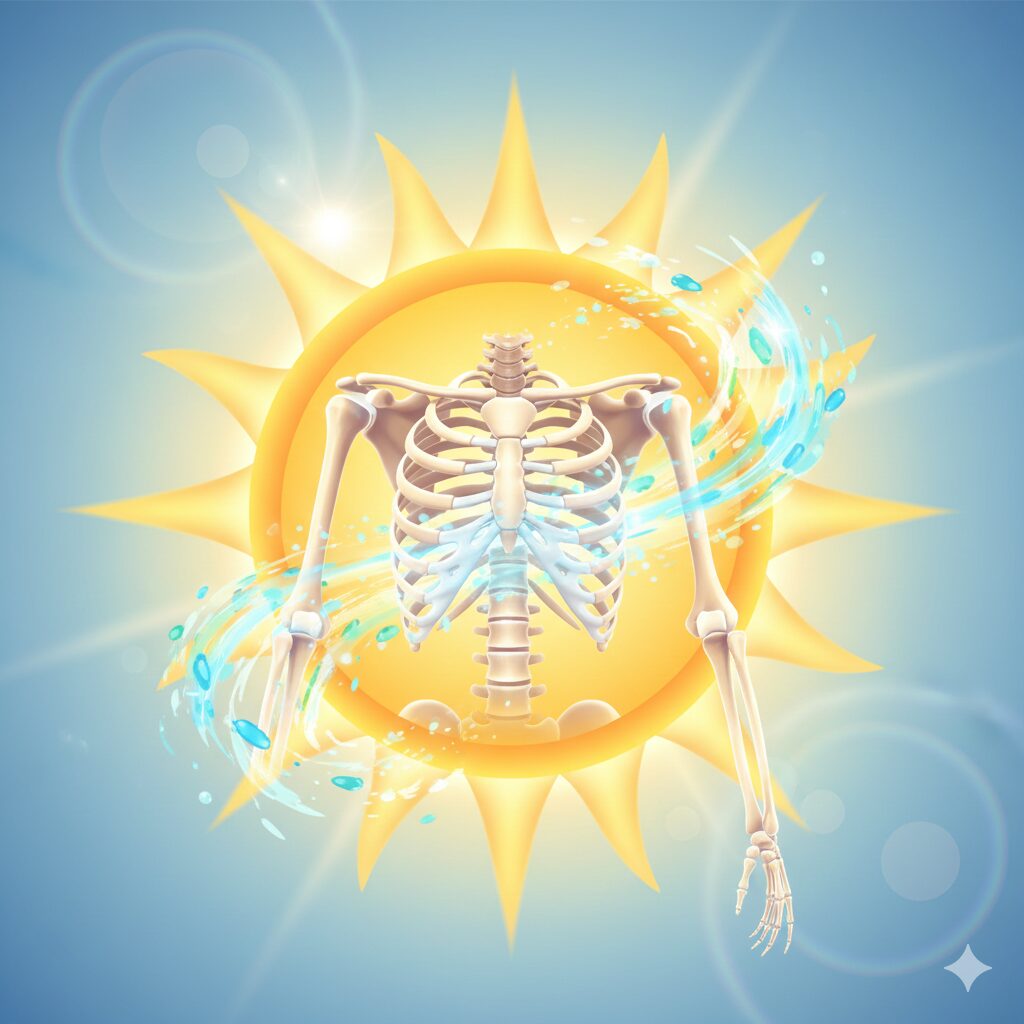
🔍 Why is Vitamin D So Important? (The Body’s Essential Regulator)
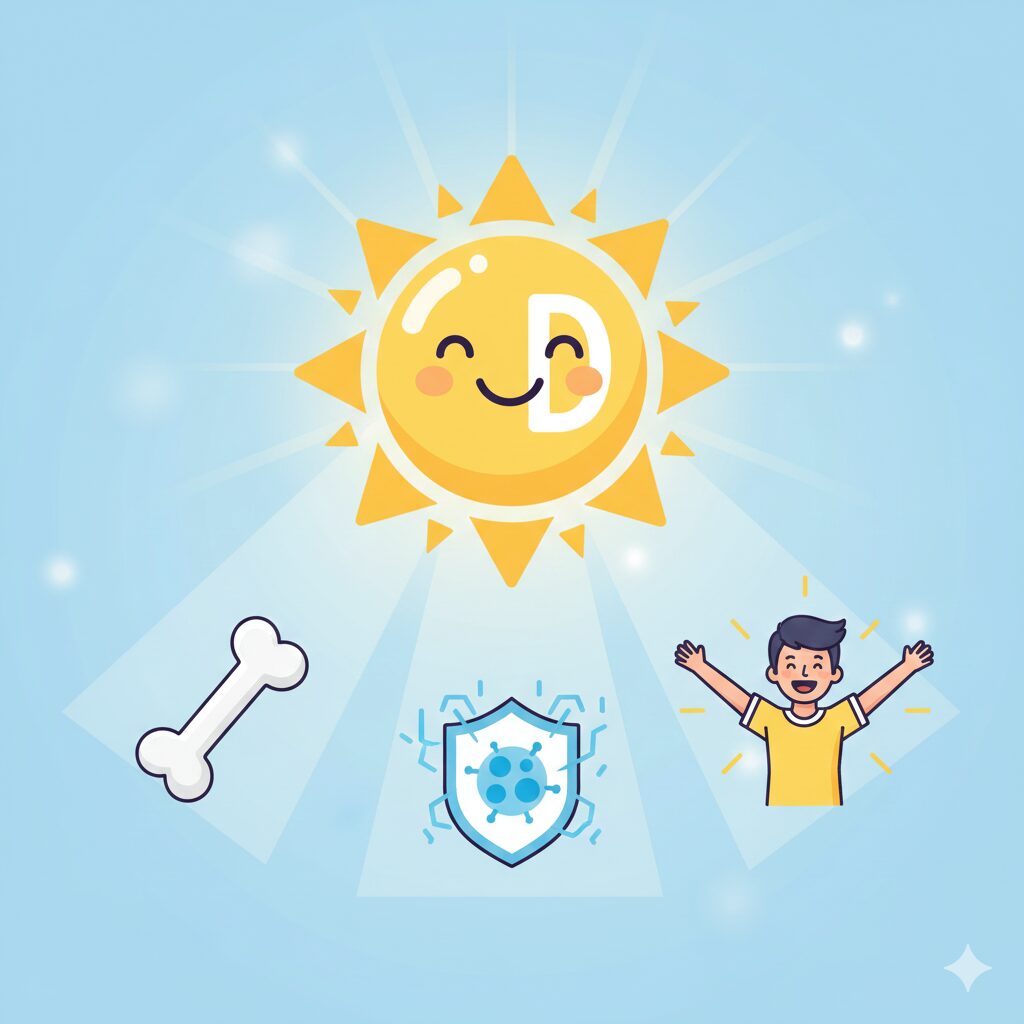
Vitamin D is more than just a typical vitamin; it acts more like a hormone, influencing various systems throughout the body. It plays two absolutely vital roles.
1. The Key to Strong Bones and Muscles
This is its most well-known function. Vitamin D is essential for the body to absorb Calcium and Phosphorus from the food we eat. Think of Calcium as the building material for your bones; Vitamin D is the construction manager and transportation crew that ensures the material is properly delivered and integrated, making your bones hard and strong. Without enough Vitamin D, Calcium absorption drops significantly, leading to weakened bones, increasing the risk of osteomalacia and osteoporosis.
2. A Powerful Immune System Supporter
In recent years, Vitamin D has garnered significant attention for its role in immune function. It helps modulate our immune cells, enabling them to respond effectively to external threats like viruses and bacteria. Optimal Vitamin D levels can enhance your resistance to infectious diseases, potentially leading to fewer minor illnesses throughout the year.
[Quick Explanation]
- Osteomalacia: A condition in adults where bones soften due to inadequate mineralization, often caused by severe Vitamin D deficiency and subsequent poor Calcium absorption.
- Serotonin: A neurotransmitter often linked to feelings of happiness and well-being. Vitamin D is known to influence its production.
⚠️ Could You Be Deficient? Key Symptoms of Low Vitamin D
How can you tell if your Vitamin D levels are dipping? Your body often gives you subtle but persistent clues.
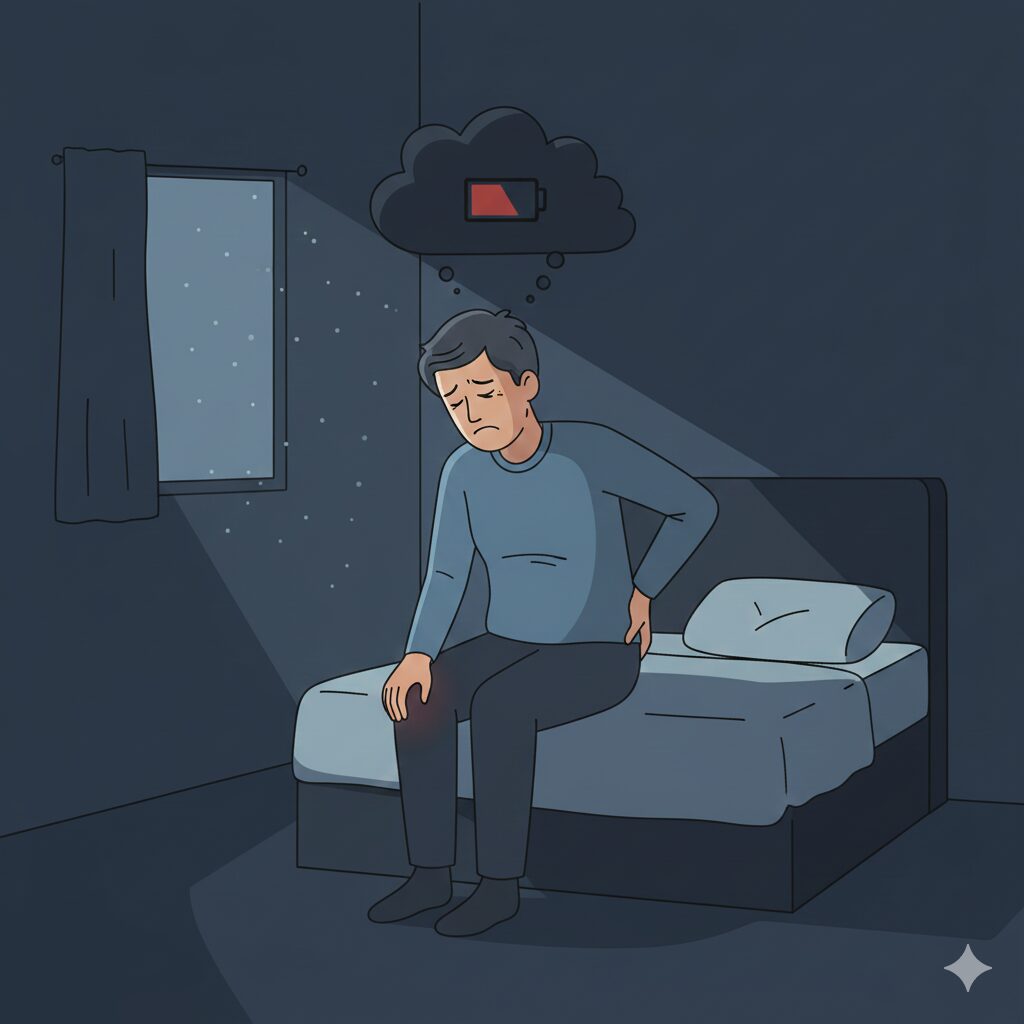
1. Persistent Fatigue and Low Energy
If you feel chronically tired and lack motivation, even after sufficient rest, low Vitamin D could be the culprit. Since Vitamin D plays a role in energy metabolism, a shortage can result in a pervasive sense of sluggishness and general malaise.
2. Unexplained Muscle Aches and Bone Pain
As discussed, Vitamin D is crucial for bone integrity. A deficiency can manifest as general aches, joint stiffness, and chronic pain, particularly in the lower back, knees, and shoulders. When tests for other conditions come back negative, it’s worth checking your Vitamin D status.
3. Frequent Illnesses or Infections
If you catch every cold that goes around and find it takes a long time to recover, your immune system might be compromised. Low levels of Vitamin D reduce the body’s ability to defend itself against pathogens.
4. Mood Changes and Low Spirits
Vitamin D is involved in regulating mood, partly through its influence on serotonin. Many people report experiencing a dip in mood, or even mild depression, particularly during the months with less sunlight. If you feel down for no clear reason, a Vitamin D check might be insightful.
💊 The Indoor Guide: 3 Smart Ways to Boost Your Vitamin D Levels
Given our modern lifestyles—spending long hours indoors, or diligently applying sunscreen outdoors—getting adequate Vitamin D from the sun can be challenging. But don’t worry! Here are three effective ways to ensure you maintain healthy levels.
Method 1: 🌞 The Smart Sun Strategy (The Best Natural Source)
The ideal way to get Vitamin D is by allowing your skin to produce it naturally through sun exposure (specifically UVB rays).
- When: Midday (around 10 a.m. to 3 p.m.) is the most effective time.
- How: Expose large areas of skin, such as your arms and legs, for about 15–30 minutes without sunscreen. The darker your skin tone, the more time you may need.
- A Key Note: Sunlight filtered through glass windows does not synthesize Vitamin D effectively, so you need direct outdoor exposure. (Be mindful of intense UV radiation and aim for comfortable exposure that doesn’t cause sunburn.)
Method 2: 🍽️ Dietary Sources to Supplement Your Intake
While diet alone usually isn’t enough to correct a deficiency, incorporating D-rich foods regularly is a great supplementary step.
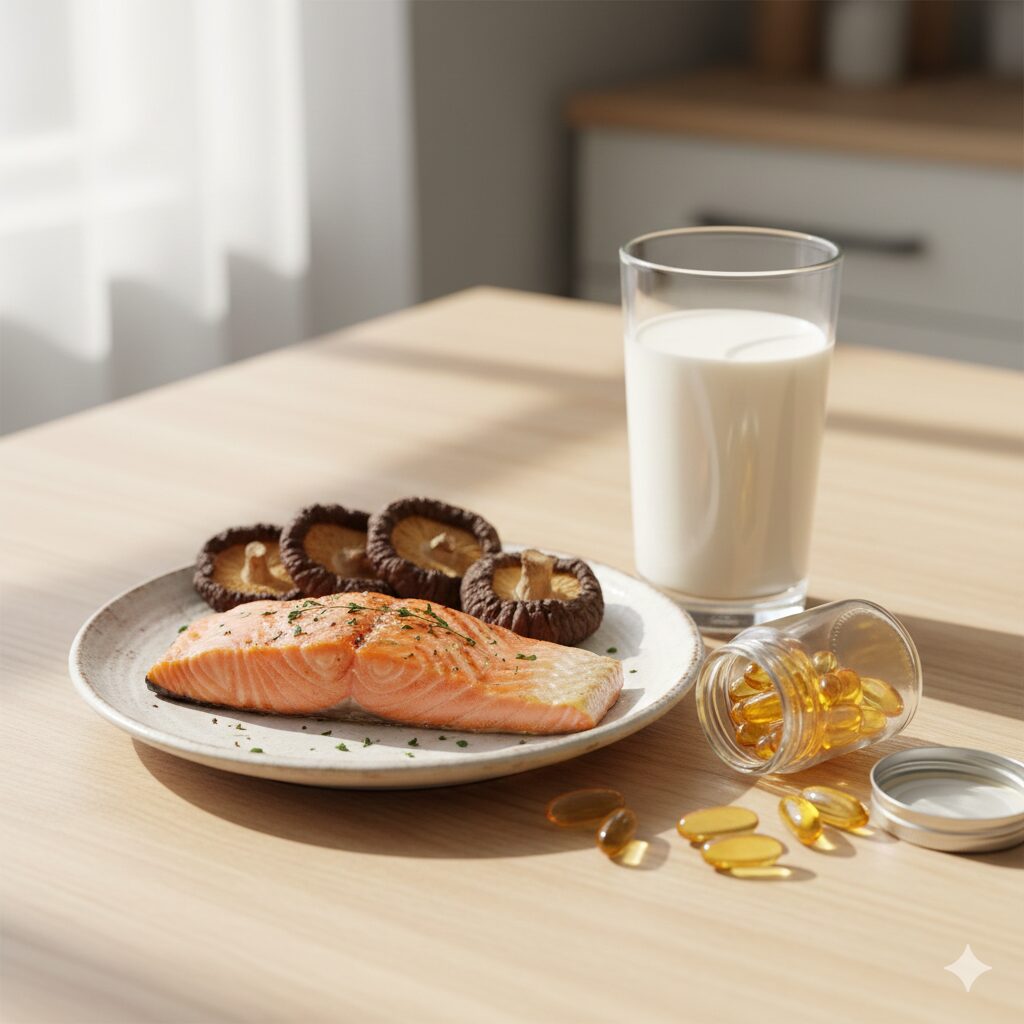
| Food Category | Recommended Foods | Intake Tip |
| Fatty Fish | Salmon, Tuna, Mackerel, Herring | Canned versions (like tuna or salmon) are convenient and also good sources. |
| Mushrooms | Especially sun-dried Shiitake, Portobello | If possible, expose your mushrooms to sunlight for an hour or two before cooking to significantly boost their Vitamin D content! |
| Egg Yolks | Eggs | The Vitamin D is concentrated in the yolk, so enjoy the whole egg! |
| Fortified Foods | Milk, Cereal, Orange Juice | Look for labels that explicitly state ‘Vitamin D Fortified’ or ‘Enriched.’ |
Method 3: 💊 Taking Supplements Wisely (The Most Reliable Option)
For many modern adults, supplements are the most practical and reliable way to ensure sufficient intake.
- Dosage: While the recommended daily allowance for adults is typically 400–800 IU, individuals who are deficient often require higher doses of 1,000–5,000 IU, especially initially. Always consult with a healthcare professional to determine your specific needs.
- When to Take: Vitamin D is a fat-soluble vitamin. To maximize absorption, it is best taken with a meal that contains some fat.
- Form: It comes in tablets, capsules, and liquid forms. Choose the one that fits your routine best.
✨ Cooldy’s Final Advice: Prioritizing Your Vitamin D Intake
Vitamin D is absolutely foundational to a healthy, vibrant daily life.
If you are struggling with chronic fatigue or nagging joint pain, remember these three simple steps starting today:
- Get 15 Minutes of Sun: Try to incorporate a brief walk or outdoor time into your daily schedule.
- Focus on Fatty Fish and Mushrooms: Actively include Vitamin D-rich foods in your meals.
- Consider a Supplement: If your indoor time is significant, a quality supplement, taken after consulting a professional, offers the most certainty.
A simple blood test can easily check your Vitamin D status. If your symptoms persist, I highly recommend visiting your doctor to assess your current levels.
A small change in your Vitamin D intake can bring about a big improvement in your energy levels and bone strength. Here’s to a healthier, sunnier you! 💪
References:
- National Institutes of Health (NIH) Vitamin D Fact Sheet for Consumers (https://ods.od.nih.gov/factsheets/VitaminD-Consumer/)
- Harvard T.H. Chan School of Public Health – The Nutrition Source (https://www.hsph.harvard.edu/nutritionsource/vitamin-d/)