Hello everyone, this is Cooldy, the information-gathering blogger!
These days, many people are dedicated to maintaining their health. Among the countless diseases, the one most feared is often cancer. In South Korea, among the major cancers with high mortality rates, there is one that is notoriously difficult to diagnose and highly fatal, earning it the terrifying nickname, the ‘Silent Killer.’ That is Pancreatic Cancer.
Unlike other cancers, pancreatic cancer often presents with vague or non-existent initial symptoms, meaning it is often quite advanced by the time it is discovered. Consequently, treatment is challenging, and the prognosis($^*$) is generally poor. However, there is no need to despair. By understanding pancreatic cancer, paying attention to even small changes, and adopting preventive habits, we can significantly lower the risk. Today, let’s delve into everything about pancreatic cancer, from the warning signs to easy everyday prevention habits and the treatment methods you may be curious about.
Prognosis: In medicine, this refers to the likely course or outcome of a disease after treatment. A good prognosis means a high chance of recovery.
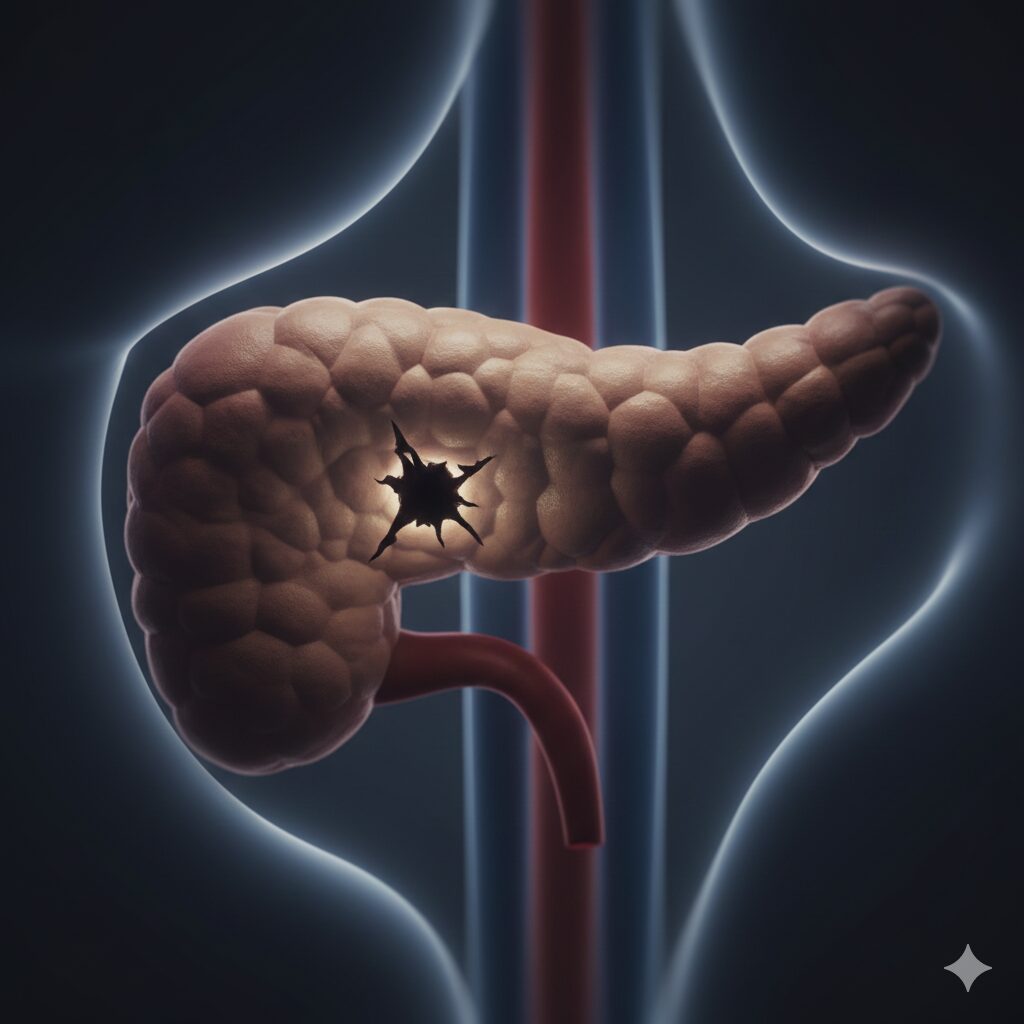
🔎 What is the Pancreas, and Why is Pancreatic Cancer So Dangerous?
The Role of the Pancreas: Our Body’s Core Factory
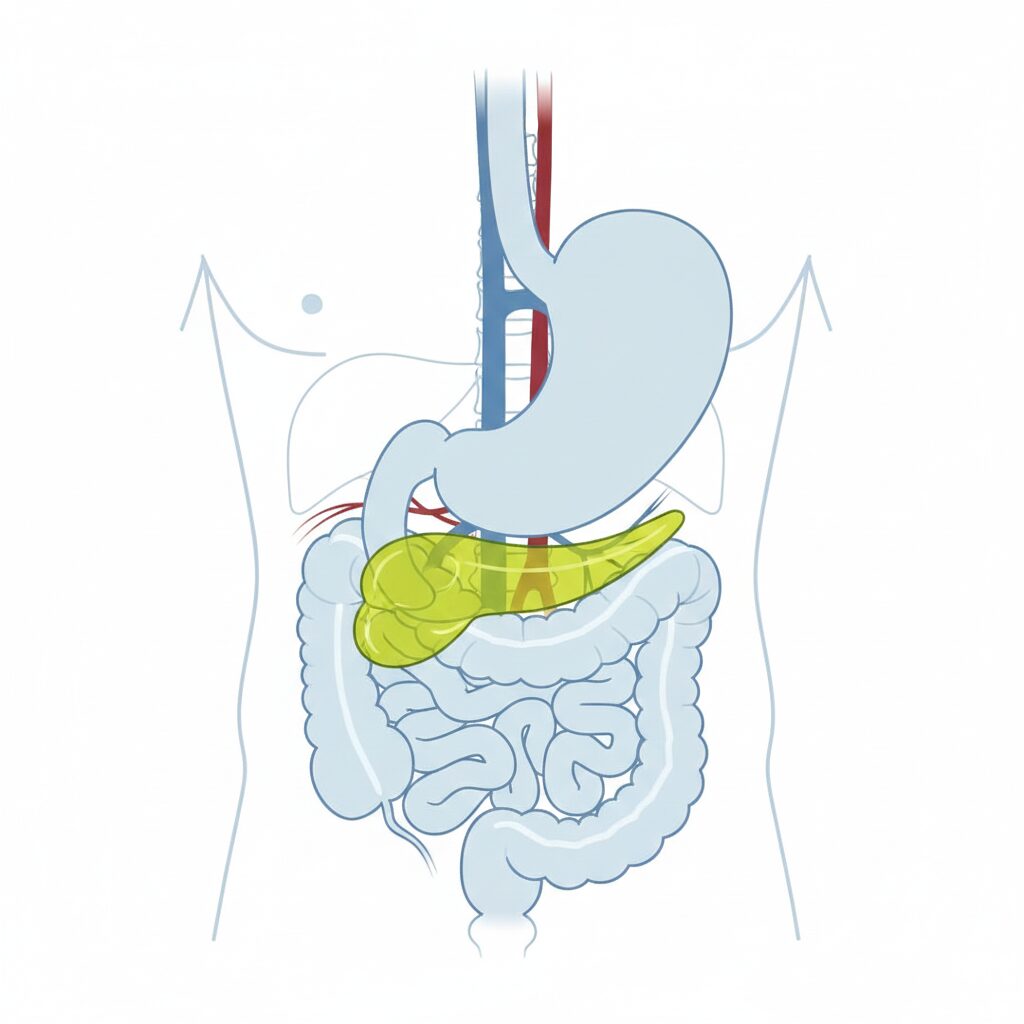
The pancreas is a long, thin organ, about 15 cm long, located deep behind the stomach, near the back. Despite its small size, it performs two critical functions in our body:
- Secretion of Digestive Enzymes (Exocrine Function): It produces and secretes digestive juices into the duodenum to help break down food. These enzymes include those that break down proteins, fats, and carbohydrates.
- Secretion of Hormones (Endocrine Function): It secretes insulin and glucagon, hormones essential for blood sugar regulation. Problems with this function can lead to metabolic diseases like diabetes.
Why Early Diagnosis of Pancreatic Cancer is Difficult
Pancreatic cancer primarily arises from the exocrine cells of the pancreas (the cells that produce digestive enzymes). The reasons why this cancer is so challenging are:
- Anatomical Location: The pancreas is situated deep within the abdomen, making it difficult to detect lesions even with imaging tests like ultrasound or CT.
- Vague Early Symptoms: There are often no noticeable symptoms until the tumor grows to a considerable size. Even when symptoms do appear, they are easily mistaken for other conditions, such as indigestion, vague abdominal pain, or back pain.
- Rapid Metastasis: The pancreas is surrounded by major blood vessels and lymph nodes, which increases the risk of cancer cells spreading easily and quickly to surrounding organs.
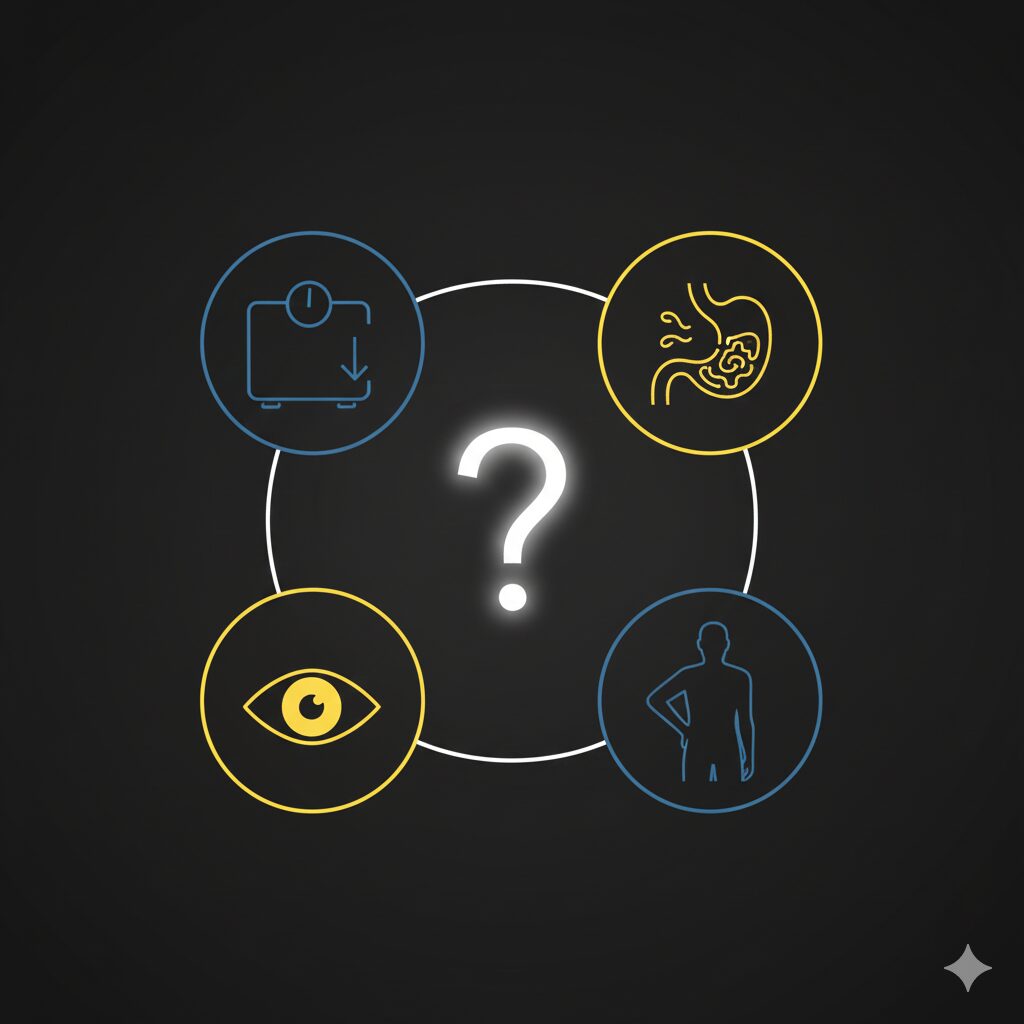
🛑 Don’t Miss This: Pancreatic Cancer Warning Signs (Self-Check)
Although pancreatic cancer is “silent,” our bodies do send subtle signals. If you are over 40 or have a family history, these signs should never be dismissed.
1. Gastrointestinal Changes
- Unexplained Weight Loss: This is one of the most common early symptoms. If you lose more than 10% of your usual body weight over 6 months without intentional dieting, it must be investigated.
- Indigestion and Abdominal Discomfort: A dull ache or persistent discomfort in the pit of the stomach (upper abdomen) or around the navel. Antacids often fail to provide relief.
- Jaundice: A yellowing of the whites of the eyes or the skin. This occurs when cancer in the head of the pancreas blocks the bile duct, preventing bile flow. Jaundice usually prompts people to seek medical attention relatively quickly.
- Pale or Greasy Stool: Problems with bile secretion can cause the stool to become lighter in color. Additionally, if fats are not properly digested, the stool may float or appear oily (steatorrhea).
2. Pain and Systemic Symptoms
- Back or Mid-Back Pain: As the cancer invades nearby nerves, pain often radiates to the back or mid-back. This pain is usually deep and dull, tending to worsen at night or when lying down.
- Sudden Onset or Worsening of Diabetes: Pancreatic cancer can destroy insulin-producing cells, leading to a sudden diagnosis of diabetes or making blood sugar control difficult for existing diabetic patients. If you are over 40 and suddenly diagnosed with diabetes for no apparent reason, a pancreatic examination is strongly recommended.
- Extreme Fatigue: A chronic feeling of tiredness that doesn’t improve with rest may be experienced.
💪 Habits and Diet to Lower Pancreatic Cancer Risk (Pre-emptive Prevention)
While the causes of pancreatic cancer are complex, there are lifestyle factors we can control. Let’s adopt habits that protect the pancreas and lower the risk.
1. The Most Crucial Preventive Habit: Quitting Smoking and Limiting Alcohol
- Quitting Smoking: The most potent and definite risk factor for pancreatic cancer is smoking. Smokers have a risk of developing pancreatic cancer about 2 to 5 times higher than non-smokers. Quitting smoking alone accounts for more than half of pancreatic cancer prevention success.
- Limiting Alcohol: Excessive alcohol consumption can cause chronic pancreatitis, which is a significant risk factor for the progression to pancreatic cancer. It’s best to avoid alcohol, or consume it only in moderation.
2. Practice Healthy Eating Habits
Since the pancreas is a digestive organ, diet is extremely important.
| Recommended Dietary Elements | Dietary Elements to Avoid |
| Fresh Vegetables and Fruits: Broccoli, kale, berries, etc., rich in antioxidants. | Red and Processed Meats: Reduce consumption of processed meats like sausages and ham, and red meat. |
| Whole Grains: Brown rice, oats, etc., rich in fiber, reduce the digestive burden. | High-Fat/High-Calorie Foods: These put a heavy burden on the pancreas to secrete digestive enzymes and can cause inflammation. |
| Omega-3 Fatty Acids: Fish (mackerel, salmon), nuts, etc., help reduce inflammation. | Excessive Sugar and Sweet Foods: Rapid blood sugar changes stress the pancreas. |
Tip: Utilize Green Tea Polyphenol compounds like catechins found in green tea have powerful antioxidant effects that may help lower cancer risk.

3. Regular Exercise Routine and Weight Management
- Maintain a Healthy Weight: Obesity increases the risk of developing pancreatic cancer. You should maintain a healthy weight through regular exercise and diet control.
- Exercise Routine: Combining at least 30 minutes of aerobic exercise (jogging, brisk walking) with strength training, 5 times a week, is recommended. Exercise improves insulin sensitivity, reducing the burden on the pancreas.
4. Strict Management of Chronic Diseases
- Diabetes and Chronic Pancreatitis Management: These two conditions significantly increase the risk of pancreatic cancer. Strict blood sugar control in consultation with a specialist, and consistent management of chronic pancreatitis, are essential.
👨⚕️ How is Pancreatic Cancer Diagnosed and Treated? (Post-Diagnosis Treatment and Management)
If you persistently feel any of the warning signs mentioned above, you should promptly seek a specialist for a detailed examination.
1. Key Diagnostic Methods for Pancreatic Cancer
Several tests are used to diagnose pancreatic cancer:
- Blood Tests: Check liver function levels, jaundice levels, and especially the tumor marker($^*$) CA 19-9 level. However, a high level does not definitively mean pancreatic cancer, as it can also rise due to other inflammatory diseases.
- Abdominal Ultrasound/CT/MRI: Imaging tests to assess the condition of the pancreas. CT or MRI is crucial for determining the tumor’s location, size, and whether it has invaded surrounding organs.
- Endoscopic Ultrasound (EUS) and Biopsy: An ultrasound device attached to the tip of an endoscope allows for a detailed view near the pancreas. If necessary, tissue is collected for a definitive diagnosis. This is one of the most accurate methods for confirming pancreatic cancer.
Tumor Marker: A substance produced by cancer cells, or by the body in response to cancer cells, that increases in blood or other body fluids.
2. Major Treatment Methods for Pancreatic Cancer
Treatment for pancreatic cancer varies depending on the stage of progression.
- Surgery (Most Effective Treatment): This is the only way to completely remove cancer cells. Unfortunately, less than 20% of all patients are diagnosed at a stage early enough for surgery.
- Whipple Procedure: A highly complex surgery used for cancer in the head of the pancreas, involving the removal of the pancreatic head, duodenum, bile duct, and part of the stomach, followed by reconstruction.
- Chemotherapy: The administration of drugs to inhibit the growth of cancer cells, used before or after surgery, or when surgery is not possible. Personalized chemotherapy treatments are currently advancing.
- Radiation Therapy: High-energy radiation is used to destroy cancer cells. It may be used to shrink the tumor before surgery or to eliminate any remaining cancer cells after surgery.
🧡 Cooldy’s Closing Thoughts
Pancreatic cancer is a serious disease, but by being informed and taking proactive measures, we can prevent it and overcome it. The key is regular health check-ups and sensitivity to warning signs.
Do not dismiss symptoms by thinking, “It’ll be fine.” If you experience small changes like vague abdominal discomfort, unexplained weight loss, or a sudden diagnosis of diabetes, it is crucial to consult a specialist.
Starting today, commit to the four habits: quitting smoking, limiting alcohol, maintaining a healthy diet, and consistent exercise. This is the most definite investment in protecting not just against pancreatic cancer but your overall health. Cooldy always supports your healthy and vibrant life!
Reliable Sources
- National Cancer Institute (NIH – U.S.): https://www.cancer.gov/
- American Cancer Society (ACS): https://www.cancer.org/