Recently, it seems increasingly common to hear about someone being hospitalized due to a sudden heart issue. This is especially true during periods of sharp temperature drops or high stress. While life-threatening events like heart attacks appear to strike without warning, our bodies often send numerous “alerts” beforehand. Among these, Myocardial Infarction (MI), or a heart attack, is a formidable disease that can threaten life if the Golden Hour is missed.
A Myocardial Infarction occurs when the coronary arteries, which supply blood to the heart, suddenly become blocked, causing the heart muscle to die. We often picture the dramatic, intense pain (angina) seen in movies—clutching the chest and collapsing. However, in reality, heart attacks often begin with subtle, non-traditional symptoms that are easy to overlook.
Are you perhaps dismissing these warning signs Cooldy is about to share? Let’s learn how to read the precious signals our body sends, how to respond in a crisis, and the 7 lifestyle habits that can strengthen your heart.
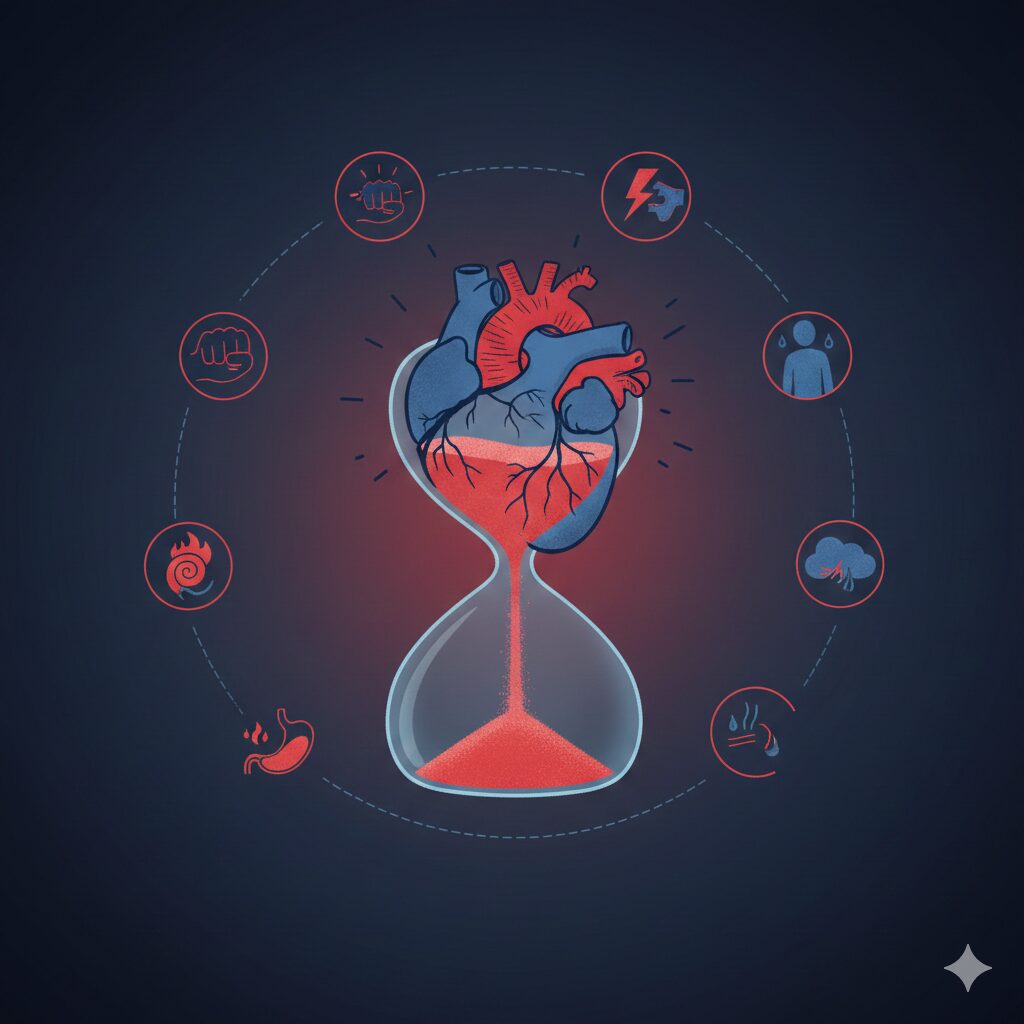
🚨 Don’t Miss It! The Unexpected Warning Signs of Myocardial Infarction
The most typical symptom of a heart attack is intense, crushing pain in the center of the chest (chest pain). This pain usually lasts for 30 minutes or more and does not subside with rest. However, not everyone experiences these classic symptoms. Especially among women, people with diabetes, or older adults, symptoms can be vague and non-specific. These are known as non-traditional prodromal symptoms.
1. Indigestion or Persistent Feeling of Fullness
Since the heart and the stomach are close together, pain related to a heart problem can sometimes feel like a digestive issue. If you experience persistent discomfort or a heavy, “stuck” feeling in your upper abdomen (epigastric area), don’t dismiss it as simple indigestion—consider your heart health.
2. Radiating Pain in the Back, Jaw, or Shoulder
Heart pain doesn’t always stay in one spot; it often spreads to other areas. This is called referred pain. If you feel unexplained dullness or tingling in your left shoulder, arm, neck, or even around your jaw without having strained yourself, it could be a warning sign from your heart.
3. Extreme Fatigue and Shortness of Breath
If you find yourself easily out of breath after minor exertion (like walking a short distance) and experience profound, unexplained fatigue for several days, it suggests your heart function might be compromised. When the heart cannot pump blood effectively, the body becomes oxygen-deprived, leading to easy exhaustion and breathlessness.
4. Cold Sweats and Dizziness
Sudden cold sweats, even when the temperature is moderate, or feeling lightheaded and dizzy could indicate a rapid drop in blood pressure. This is a common sign of shock that occurs when the heart is in distress and blood supply is inadequate.
💡 Note for Those with Non-Traditional Symptoms
People who have had diabetes for a long time often experience nerve damage that dulls their ability to feel pain. (This is called silent heart attack.) Therefore, if you notice unusually severe fatigue or persistent indigestion, you must pay extra close attention to your body.
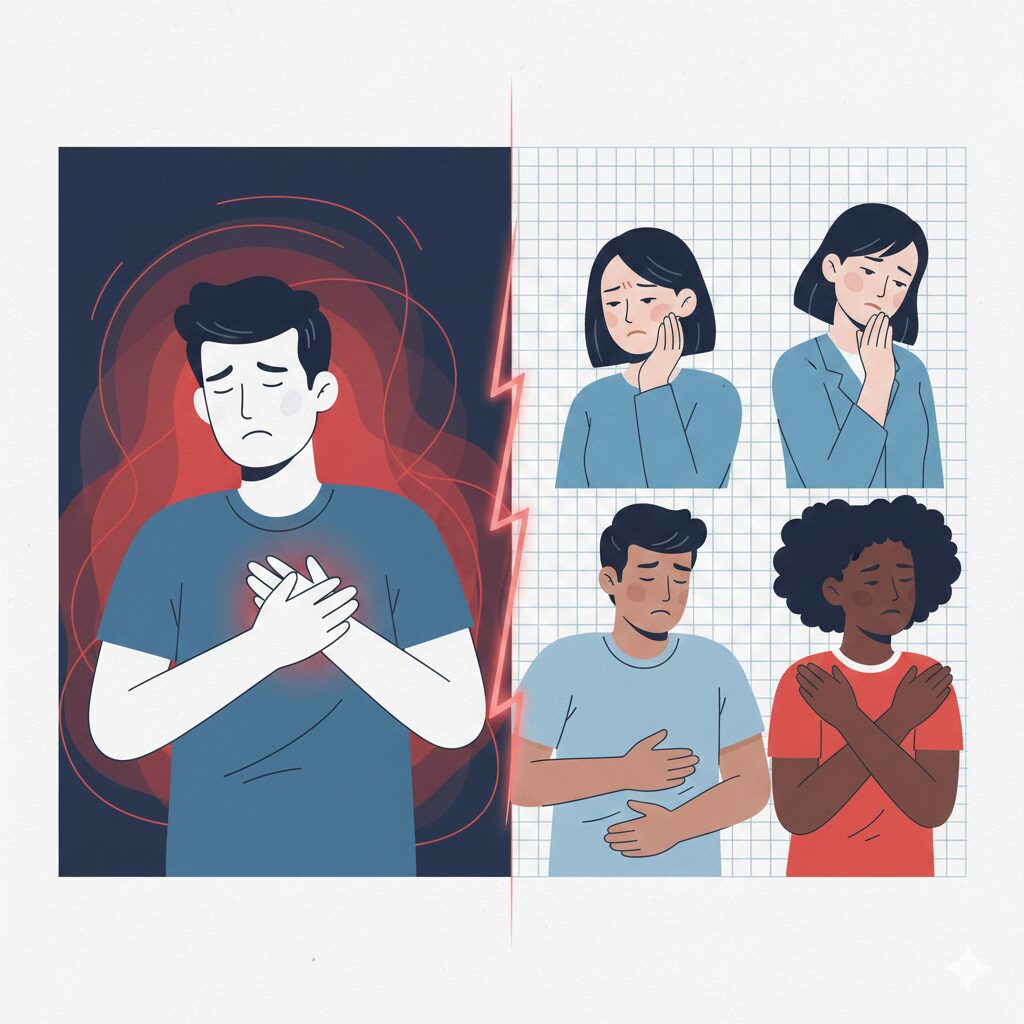
🩺 Securing the Golden Hour: Emergency Action Plan for Myocardial Infarction
Time is the most crucial factor when a heart attack strikes. The time window during which medical intervention (such as a stent insertion) can minimize damage to the heart muscle is called the Golden Hour, usually considered within 2 hours of symptom onset.
1. Call Emergency Services (e.g., 911/119) Immediately!
If you suspect symptoms of an MI, calling emergency services (such as 911 or 119) without delay is paramount. Using an ambulance rather than driving yourself ensures you receive critical initial care while being transported to the hospital.
2. Minimize Movement and Maintain a Comfortable Position.
Reduce movement as much as possible to avoid straining the heart. Rest comfortably, sitting or leaning back, and loosen any restrictive clothing or belts.
3. Take Nitroglycerin if Prescribed.
If you have been diagnosed with a heart condition like angina and have been prescribed and carry ‘Nitroglycerin,’ you may place it under your tongue as directed by your physician in an emergency. However, if this is your first time experiencing symptoms, do not take medication arbitrarily; follow the instructions of the emergency dispatcher.

✨ Cooldy’s 7 Essential Lifestyle Habits for Cardiovascular Health
While a heart attack occurs suddenly, it is often the result of poor lifestyle habits accumulated over decades. Even small changes in your daily life can significantly reduce the risk of cardiovascular disease.
1. “30 Minutes, 5 Times a Week” – Aerobic Exercise is Key
The best way to strengthen your heart is through exercise. Engage in aerobic activities such as brisk walking, cycling, or swimming for at least 30 minutes a day, five or more times a week. Exercise lowers blood pressure and boosts the levels of good cholesterol (HDL cholesterol).

2. Quitting Smoking is Non-Negotiable.
Smoking damages blood vessels and thickens the blood, increasing the risk of heart attack by 2 to 3 times. It cannot be overstated: you must quit smoking immediately.
3. Focus on ‘Colored Vegetables’ and ‘Healthy Fats’ in Your Diet
Reduce salt (sodium), trans fats, and sugar. Instead, eat plenty of fresh vegetables and fruits (especially red and green varieties), whole grains, and unsaturated fats (like fish rich in Omega-3, nuts, and olive oil). This plays a crucial role in keeping your blood vessels clean and healthy.

4. Adequate Sleep is Your Heart’s Rest Time.
Getting 7 to 8 hours of quality sleep daily lowers stress hormone levels and stabilizes blood pressure, giving your heart the rest it needs. Many studies indicate that irregular sleep increases cardiovascular risk, so prioritize a consistent sleep schedule.
5. Excessive Alcohol Consumption is Strictly Forbidden
While moderate alcohol consumption is sometimes mentioned, heavy drinking is severely detrimental to heart health. Alcohol raises blood pressure and can trigger arrhythmias (irregular heartbeats). It is best to reduce or avoid alcohol consumption.
6. Find Your Own ‘Stress Management Technique’
Chronic stress constricts blood vessels and causes inflammatory responses, which are terrible for heart health. Be sure to find and practice your own methods for stress relief, whether it’s meditation, hobbies, or listening to your favorite music.
7. Regularly Check Your Blood Pressure, Blood Sugar, and Cholesterol Levels
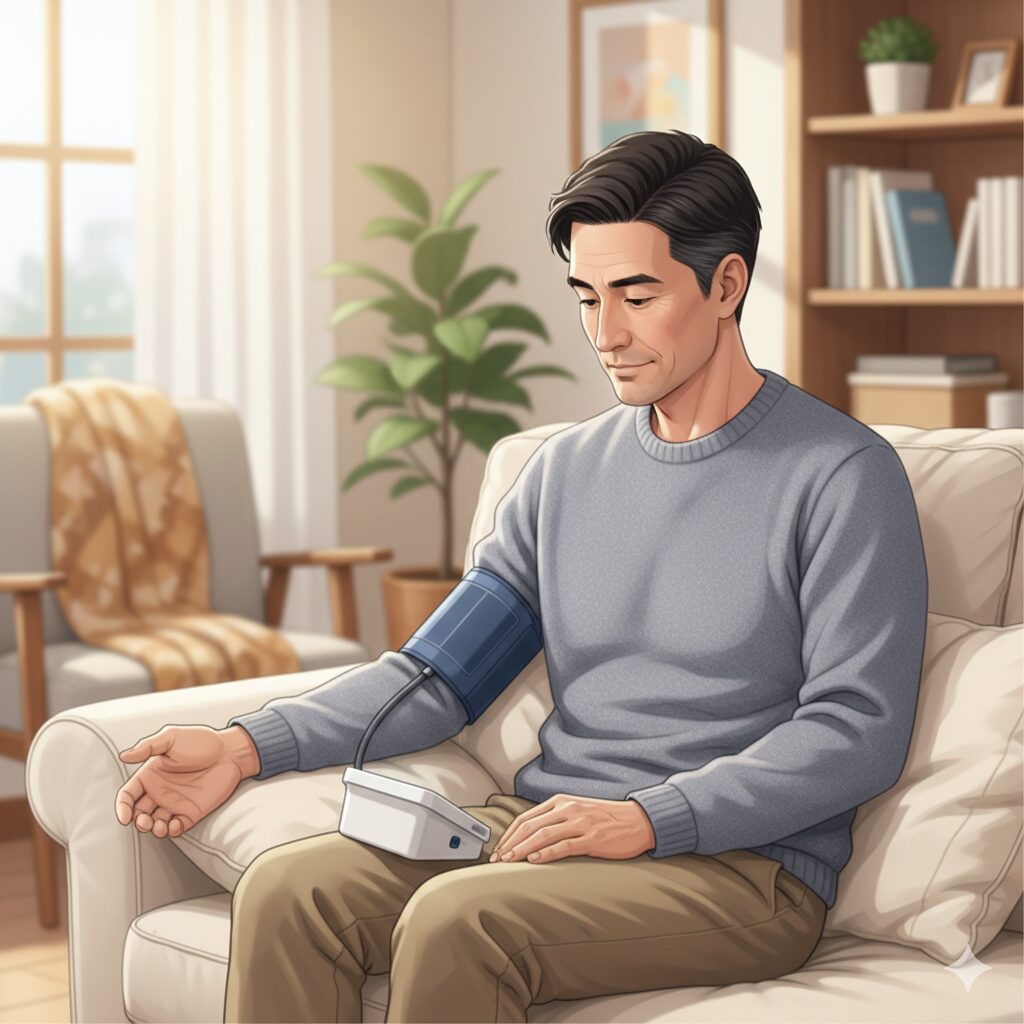
Hypertension (High Blood Pressure), Diabetes, and Hyperlipidemia (High Cholesterol) are the three major risk factors for heart attack. Even if you have no symptoms, regular check-ups are essential to know your numbers accurately. If issues arise, consult your doctor and manage them actively. Do not be complacent just because you feel fine (Hypertension is often called the ‘Silent Killer’).
In Conclusion…
Myocardial Infarction is frightening, but it is entirely preventable and manageable. The key is ‘awareness’. Listening to the small signals your body sends and consistently practicing heart-healthy habits, starting today. This is the surest and most powerful tool to protect your Golden Hour. Cooldy hopes the information shared helps everyone maintain a healthy and vibrant life! 💪
📚 Reputable Sources for Further Reading
- CDC (Centers for Disease Control and Prevention) – Heart Disease: https://www.cdc.gov/heartdisease/index.htm
- American Heart Association (AHA): https://www.heart.org/