🦠 Pneumonia: The Silent Killer and Why You Need the Vaccine Now
Hi everyone, this is Cooldy! Many people around me suffer from coughs and colds lately. While it’s easy to dismiss them as minor ailments, there is one serious illness that requires utmost attention, especially as we age: Pneumonia.
In many countries, pneumonia ranks high among the causes of death, particularly for those over 65. When the immune system weakens, what starts like a simple cold or flu can rapidly worsen, becoming life-threatening. A major culprit behind this is a bacteria called Pneumococcus (or Streptococcus pneumoniae). Fortunately, we have a powerful shield against this germ: the Pneumococcal Vaccination.
Today, Cooldy will help you easily understand this vital vaccine that can significantly improve your quality of life and ensure healthier later years!
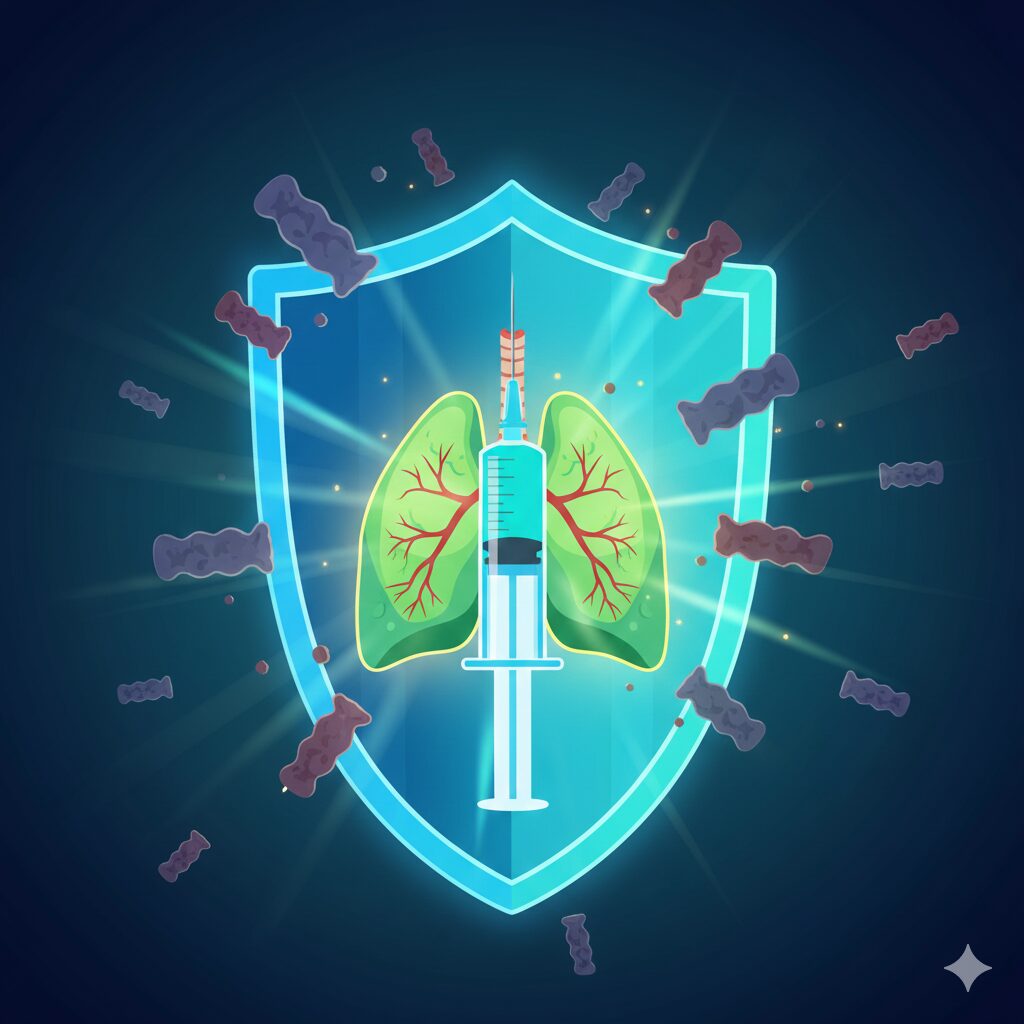
💉 The Crucial Need for the Pneumococcal Vaccine
Pneumococcus is a common bacteria often residing in the nose and throat. However, if immunity drops, it can cause pneumonia as well as serious Invasive Pneumococcal Diseases (IPD) such as meningitis (inflammation of the membranes covering the brain and spinal cord) and septicemia (when the bacteria spreads throughout the body via the bloodstream), leading to severe complications and even death.
Adults, especially those over 65, face a much higher risk of severe illness and mortality from pneumococcal infections. Given that a simple vaccine can prevent such a critical disease, experts strongly recommend mandatory vaccination. It’s a small step for a huge health benefit!
🧐 Two Main Types of Vaccines: PPSV23 vs. PCV13
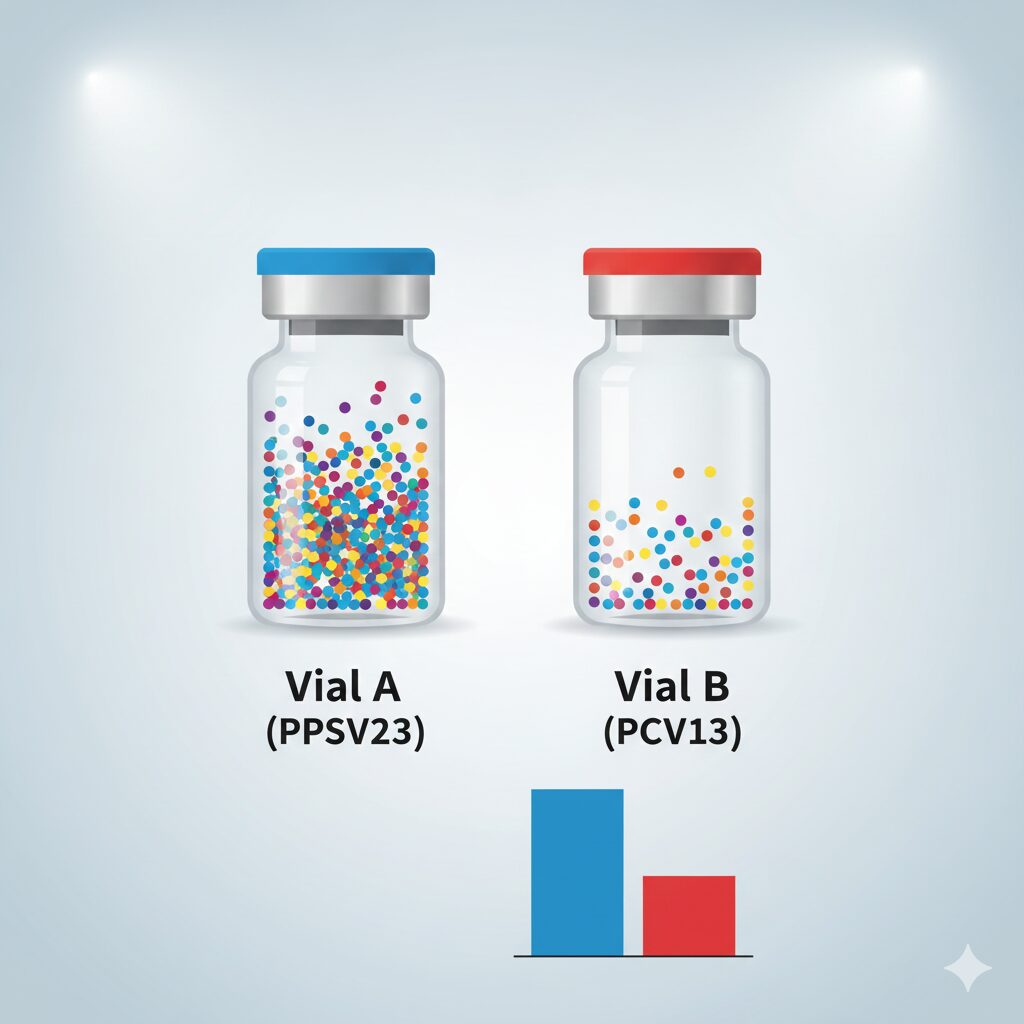
Pneumococcal vaccines primarily come in two types, differing in the strains of bacteria they cover and the type of immune response they generate.
Polysaccharide Vaccine (PPSV23, Pneumovax 23)
- Key Feature: Prevents 23 types of pneumococcal serotypes. This is often the vaccine provided free or subsidized for older adults in national health programs.
- Pros: Offers coverage against a wide range of strains.
- Cons: The immune effect is relatively short-lived (5-10 years), and it is not as effective at generating immune memory (the immune system’s ability to “remember” the bacteria after injection).
Conjugate Vaccine (PCV13, Prevnar 13)
- Key Feature: Prevents 13 types of pneumococcal serotypes. Though it covers fewer strains than the 23-valent vaccine, it includes the key strains responsible for causing severe IPD.
- Pros: Creates superior immune memory, meaning the protective effect lasts longer, and it is known to be more effective in preventing severe invasive diseases.
- Cons: Currently, this vaccine is typically only available for a fee in many countries for the adult population.
🗓️ Optimal Vaccination Sequence and Timing
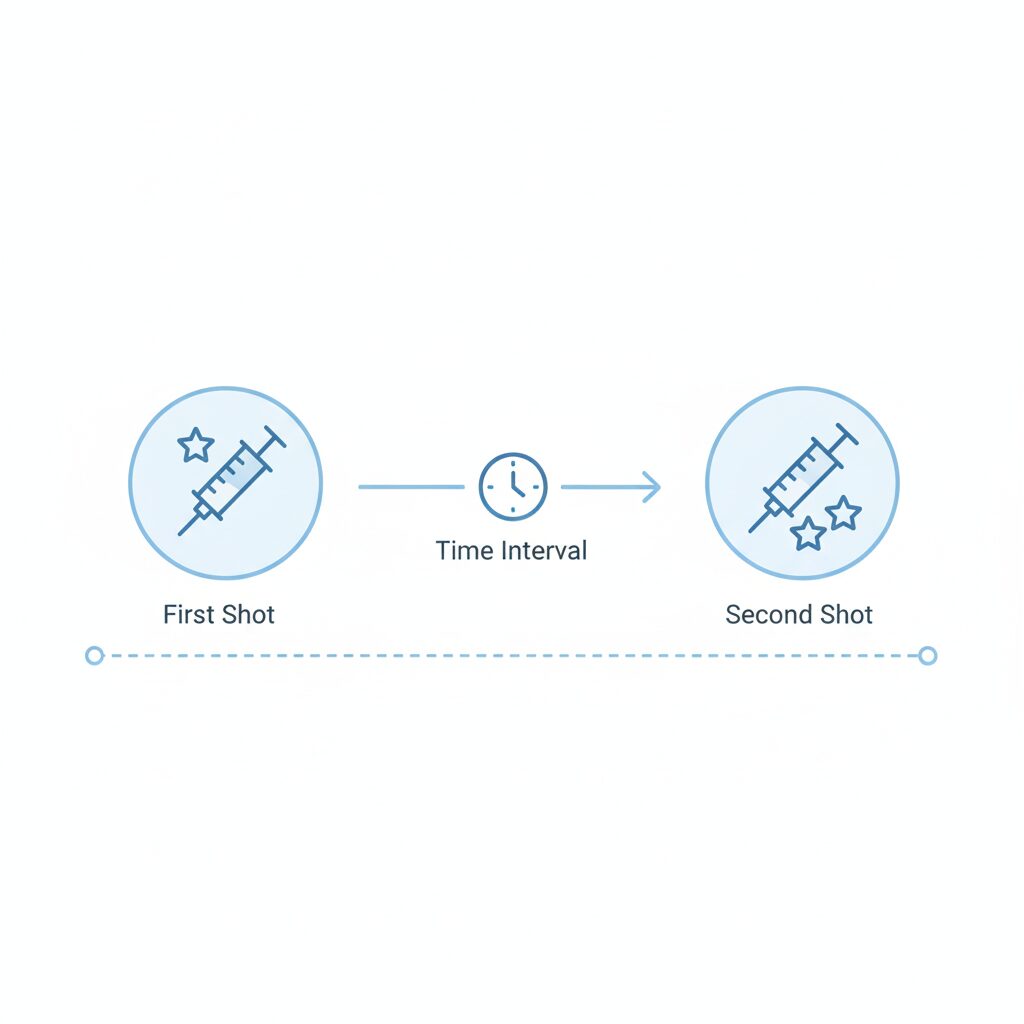
Should you receive both vaccines? The answer is generally yes. Receiving both provides the most comprehensive and powerful prevention. The key is the sequence and the interval between the shots.
If You Have Never Been Vaccinated
- Start with PCV13 (13-valent Conjugate Vaccine): Get the PCV13 shot first to build a solid foundation of immunity due to its superior immune memory.
- Follow with PPSV23 (23-valent Polysaccharide Vaccine) 6-12 Months Later: While a minimum of 8 weeks is required after PCV13, experts often recommend waiting 6 to 12 months for a better immune response from the PPSV23 shot.
If You Have Already Received Only PPSV23
If you have already received the 23-valent vaccine (PPSV23), you can still receive the PCV13 shot for added protection.
- It is recommended to wait at least one year (12 months) after the PPSV23 injection before getting the PCV13 shot.
💡 FAQ Corner (Cooldy’s Pick!)
Q1. Is the pneumococcal vaccine a one-time shot for life?
A. Not necessarily. The effect of the PPSV23 lasts about 5 to 10 years. Therefore, high-risk groups (such as those with weakened immune systems or chronic diseases) may require a re-vaccination every 5 years. However, healthy individuals might be fine with 1-2 doses. Always consult with your doctor. PCV13 is generally sufficient with one dose.
Q2. Is it okay to get the pneumococcal vaccine and the flu (influenza) vaccine at the same time?
A. Yes, it is safe. As long as they are administered at different sites, simultaneous vaccination is acceptable. In fact, getting the flu makes you more susceptible to pneumonia, so co-administering both vaccines is often recommended to maximize protection.
Q3. Are there any precautions after receiving the vaccine?
A. Like other vaccines, you might experience pain at the injection site, mild fever, or headache, but these usually disappear within 1-2 days. Avoid strenuous exercise or excessive alcohol consumption on the day of the injection, and get plenty of rest. If you experience a high fever or severe allergic reaction, seek medical attention immediately.
💖 Cooldy’s 3 Essential Healthy Habits
While vaccination is the best defense, healthy daily habits are also crucial. Remember these three habits to protect yourself from pneumococcal infection:
- Thorough Handwashing: This is the most basic and effective way to prevent bacterial infection. Wash your hands thoroughly with soap for more than 30 seconds after going outside and before/after meals.
- Regular Exercise: Consistent physical activity boosts immunity and vitalizes overall bodily functions. Try to incorporate walking or light stretching into your daily routine without overexerting yourself.
- Adequate Hydration: Drinking water frequently keeps the respiratory mucous membranes moist, helping to prevent external bacteria or viruses from penetrating.
✨ Closing Thoughts: Healthy Days Lead to a Happier Life!
The pneumococcal vaccination is more than just a shot; it is a precious commitment to protecting your health and that of your loved ones. While the different types and timing can be confusing, use the information Cooldy provided today to consult your primary care physician and set up the most appropriate vaccination schedule for you.
They say you must protect your health while you have it. Check your vaccination schedule now and keep moving toward a vibrant and healthy tomorrow! You got this! 💪

References:
- Centers for Disease Control and Prevention (CDC) – Pneumococcal Vaccination (https://www.cdc.gov/vaccines/vpd/pneumo/public/index.html)
- World Health Organization (WHO) – Pneumococcal Disease (https://www.who.int/news-room/fact-sheets/detail/pneumococcal-disease)